
Many Cold Brew Makers Brew Concentrate, Not Coffee You Pour Straight Over Ice
Many cold brew makers produce concentrate meant to be cut with two or three parts water or milk. How ratios, filters and fridge storage change what you pour.

Part of the guide: Home and Kitchen Buying Mistakes: What Fails and How to Check Before You Buy
Cold brew seems like the simplest coffee there is: grounds, water, time. Yet the first batch from a new maker is often a surprise, either startlingly strong and bitter or oddly weak and flat.
The reason is usually the ratio. Many cold brew systems are designed to produce a concentrate that is meant to be diluted, while pitcher-style makers are often used for coffee you drink as it comes. Mixing up the two, or ignoring what the filter lets through, is where disappointment starts.
Fear Index · Think twice
A strong concentrate mistaken for a finished drink
The usual disappointment is flavor: bitter, overpowering glasses from undiluted concentrate, or thin ones from diluting a batch that was never a concentrate.
Concentrate or ready to drink
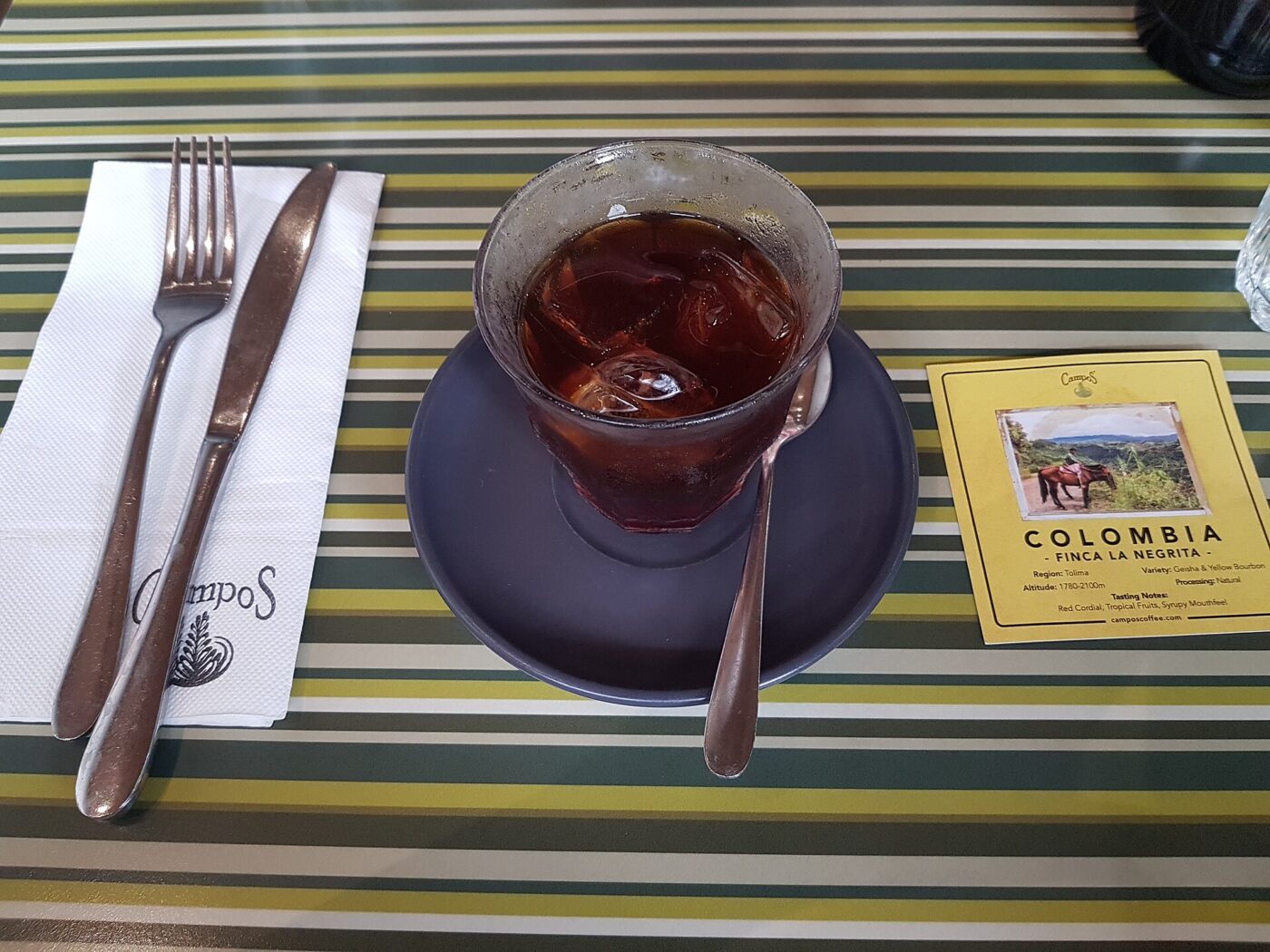
Ratio is the amount of coffee relative to water. OXO’s instruction manual for its Cold Brew Coffee Maker calls for 10 oz of coarsely ground coffee and 40 oz of water, steeped 12 to 24 hours. Toddy’s brewing guide uses 12 oz of coarse-ground coffee and 8 cups (64 fl oz) of water, steeped 8 to 24 hours at room temperature. Both are concentrate recipes.
Both manufacturers then recommend diluting before drinking. That matters for caffeine as well as taste: at those ratios, a glass of undiluted concentrate holds about three to four times the caffeine of the same glass diluted as intended. For most adults, the FDA has cited 400 milligrams a day as an amount not generally associated with negative effects, and people who are pregnant or sensitive to caffeine should ask their doctor what suits them. OXO suggests 1 part concentrate to 2 or 3 parts water or milk; Toddy suggests starting at 1 part concentrate to 2 parts water or milk and adjusting to taste. Ready-to-drink cold brew uses much more water from the start, so it is poured over ice as it is.
Grounds hold on to a lot of water, so a batch yields less than you poured in. OXO lists 24 to 28 oz of concentrate from its 40 oz recipe, enough for 12 to 14 drinks once diluted. That is why a concentrate maker looks thirsty per batch and economical per glass.
| Style | Typical recipe | How you serve it |
|---|---|---|
| Concentrate (OXO recipe) | 10 oz coffee, 40 oz water, 12–24 h | Dilute 1:2 or 1:3 with water or milk |
| Concentrate (Toddy recipe) | 12 oz coffee, 64 fl oz water, 8–24 h | Start at 1:2 and adjust |
| Ready to drink | Far more water per ounce of coffee | Pour over ice as it is |
| Hot from concentrate | Concentrate plus steaming water | Toddy suggests 1:2 for a gentle cup |
Before the first batch, check whether your maker’s recipe is a concentrate. If it is, measure the dilution rather than pouring by eye.
Filters decide the texture

Cold brew is steeped with coarse grounds and filtered once, slowly, so the filter determines how much fine sediment reaches the glass. Stainless mesh filters are durable and need no consumables, but they let more fines through, which shows up as silt at the bottom of the jug and a heavier, muddier finish.
Felt and paper filter more finely. Toddy’s system uses a reusable felt filter, optionally with a paper filter bag, and its guide says the felt filter may be used up to 10 times and should be discarded after three months. It says to rinse the felt with water only, no soap, and store it damp in a resealable bag in the freezer. OXO notes its paper filters can add a secondary level of filtration.
Finer filtration asks for more care. Felt clogs if the grounds are too fine or stirred, and Toddy’s troubleshooting advice is to use a coarse grind and pour water gently. Mesh is easier to rinse but benefits from a soft brush to clear the weave.
- Stainless mesh: reusable and simple, with more sediment and body.
- Reusable felt: very clean concentrate, but it needs rinsing, freezing and periodic replacement.
- Paper filter bags: fine filtration and easy cleanup, at an ongoing cost.
- Mesh plus paper: a reasonable compromise on makers that accept both.
- Grind coarse with any filter to avoid clogging and slow draining.
How long it keeps in the fridge
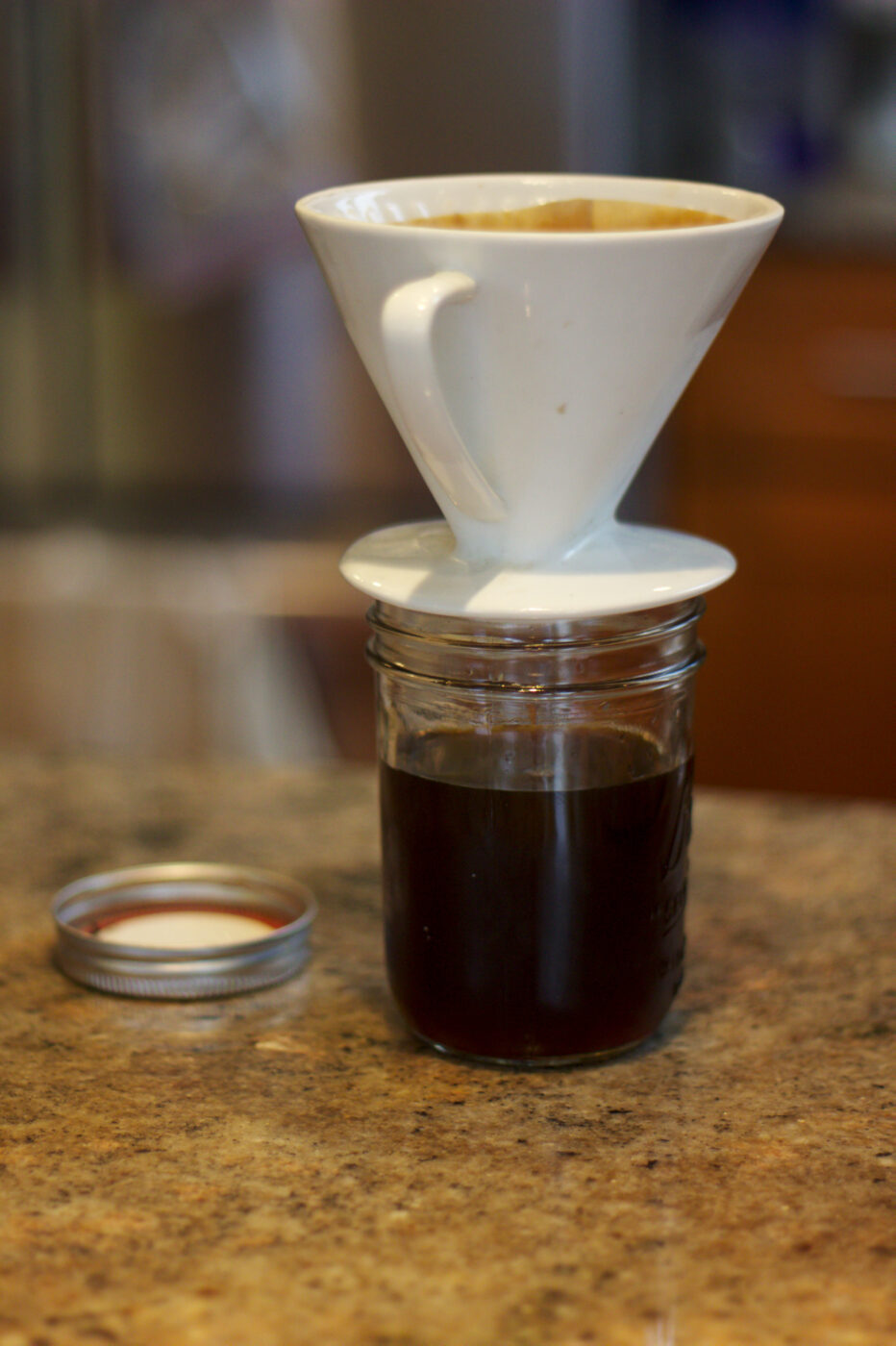
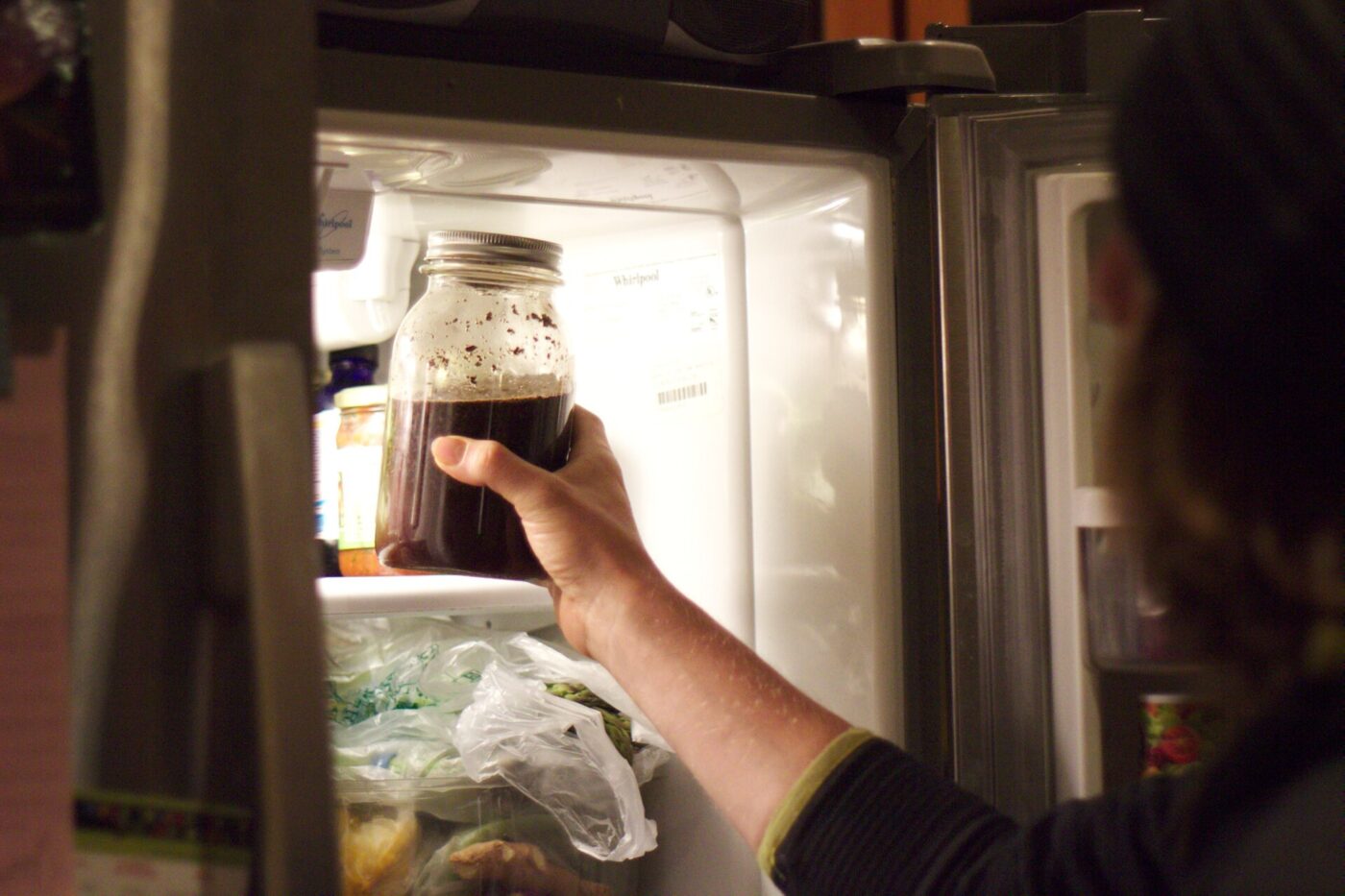
Toddy’s guide says its coffee concentrate stays fresh for up to two weeks in the refrigerator, and recommends storing it in the glass decanter with its lid. That is a freshness guideline from the manufacturer, and flavor, rather than appearance, is usually the first thing to fade.
A controlled study published in Food Science and Nutrition in 2024 bottled cold- and hot-brewed coffee and refrigerated it for 42 days. The researchers detected no bacterial growth in their samples and concluded that shelf life was limited not by microbial stability but by deteriorating sensory attributes. Home batches are not lab samples, so clean equipment and a sealed container still matter.
Dilution changes the picture. Water and especially milk added to a whole batch shorten how long it stays pleasant and bring their own storage limits. Keeping concentrate undiluted and mixing each glass as you pour keeps the batch at its best for longest.
Store concentrate sealed and cold, dilute by the glass, and add milk only at serving time.
Choosing a cold brew maker
Match the maker to how you drink it. If you want a jug of iced coffee ready to pour, a pitcher with a fine mesh insert is simple and quick to clean. If you drink cold brew daily, mix it with milk, or want hot cups too, a concentrate system produces more drinks per batch and takes less fridge space for the same number of glasses.
Check the details that decide daily use: whether the brewing container fits your refrigerator, which parts are dishwasher safe (OXO lists its glass carafe as dishwasher safe and says to hand wash the other parts), how filters are replaced and what they cost, and whether a drain switch or stopper separates concentrate from grounds cleanly.
Brewing in the fridge works but takes longer; OXO’s Compact Cold Brew instructions give 12 to 24 hours on the counter or 20 to 24 hours in the fridge. Whichever you choose, write the dilution ratio on the jug for the first few weeks until it becomes habit.
The shortlist
Paid links: we earn a commission if you buy through the buttons below, at no extra cost to you. As an Amazon Associate I earn from qualifying purchases.
Compared on batch style and filtration
| Product type | Best for | Risk estimate | Where to buy |
|---|---|---|---|
| Cold Brew Pitcher with Fine Mesh Filter | Ready-to-drink batches | 30/100 | See listings on Amazon |
| Cold Brew Concentrate System | Large concentrate batches | 22/100 | See listings on Amazon |
| Cold Brew Paper Filter Bags | Cleaner, low-silt cups | 12/100 | See listings on Amazon |
Risk estimate is our editorial Fear Index for the product type (lower is safer), not a customer rating. How it is scored. The buttons open Amazon search results rather than one listing, so check the model on the product page.
Cold Brew Concentrate System
Brews concentrate by design. Measure the dilution and keep the concentrate sealed in the fridge.
- Many drinks per batch
- Low sediment with felt or paper
- Works hot or iced
- Felt filter needs care and replacing
- Easy to drink too strong by mistake
Cold Brew Pitcher with Fine Mesh Filter
Good if you want iced coffee ready to pour. Grind coarse and leave the last inch in the jug.
- Slim designs fit a fridge door
- No consumable filters
- Pour straight over ice
- More silt in the last glass
- Fewer drinks per batch
More: Coffee and Drinks analyses and how the Fear Index is scored.
Sources
- Cold Brew Coffee Maker Instruction Manual — OXO
- Compact Cold Brew Coffee Maker Instruction Manual — OXO
- Cold Brew System Brewing Guide — Toddy
- An investigation of the shelf life of cold brew coffee and the influence of extraction temperature — Food Science and Nutrition (PMC)
- Spilling the Beans: How Much Caffeine Is Too Much? — U.S. Food and Drug Administration
Questions people actually ask
What is the ratio for cold brew concentrate?
Manufacturer recipes vary. OXO uses 10 oz of coffee to 40 oz of water; Toddy uses 12 oz of coffee to 8 cups of water. Both are diluted before drinking.
How much water do you add to cold brew concentrate?
OXO recommends 1 part concentrate to 2 or 3 parts water or milk, and Toddy suggests starting at 1 to 2. Adjust to taste from there.
How long does cold brew last in the fridge?
Toddy says its concentrate stays fresh up to two weeks refrigerated. Keep it sealed and undiluted, and add milk only when serving.
Is a mesh or paper filter better for cold brew?
Paper and felt filter more finely and leave less sediment. Stainless mesh is reusable and simpler but lets more fine particles through.