
Whisk Frothers Make Stiff Foam; Steam Wands Make the Pourable Microfoam Lattes Need
Whisk frothers whip milk into foam; a steam wand can make glossy microfoam. How each works, which drinks suit them, and how to clean off dried milk residue.

Part of the guide: Home and Kitchen Buying Mistakes: What Fails and How to Check Before You Buy
Frothed milk is sold as a single feature, whether it comes from an inexpensive handheld wand, an electric jug with a magnetic whisk or the steam arm on an espresso machine. The drinks look similar in a photo and feel quite different in a cup.
The difference is the size and structure of the bubbles. That decides whether milk sits on top of coffee as a cap of foam or blends into it as a glossy, pourable texture, and it also decides how much cleaning each method demands.
Fear Index · Think twice
Expecting latte art from a whisk
The regret is buying a gadget for drinks it cannot make, or letting dried milk clog a wand or scratch a frother coating.
Foam and microfoam are different
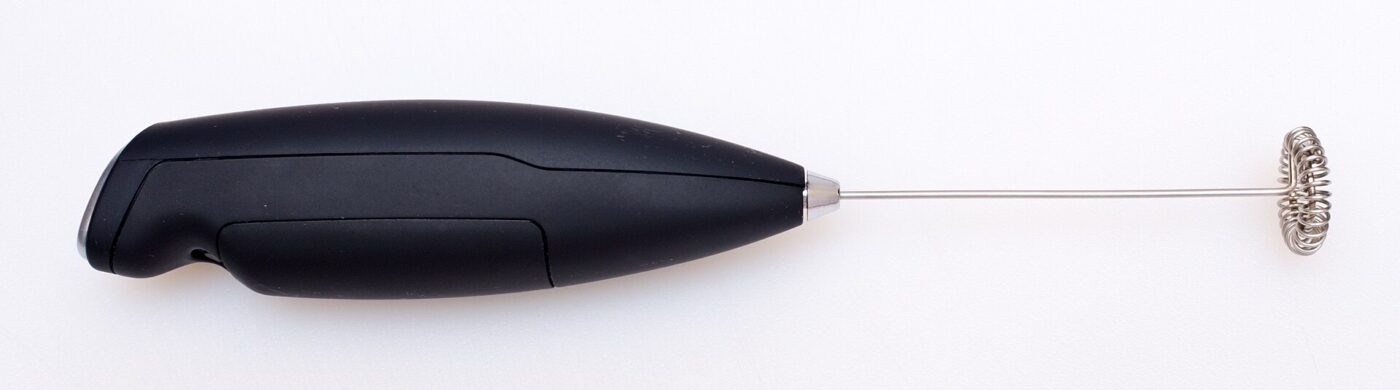
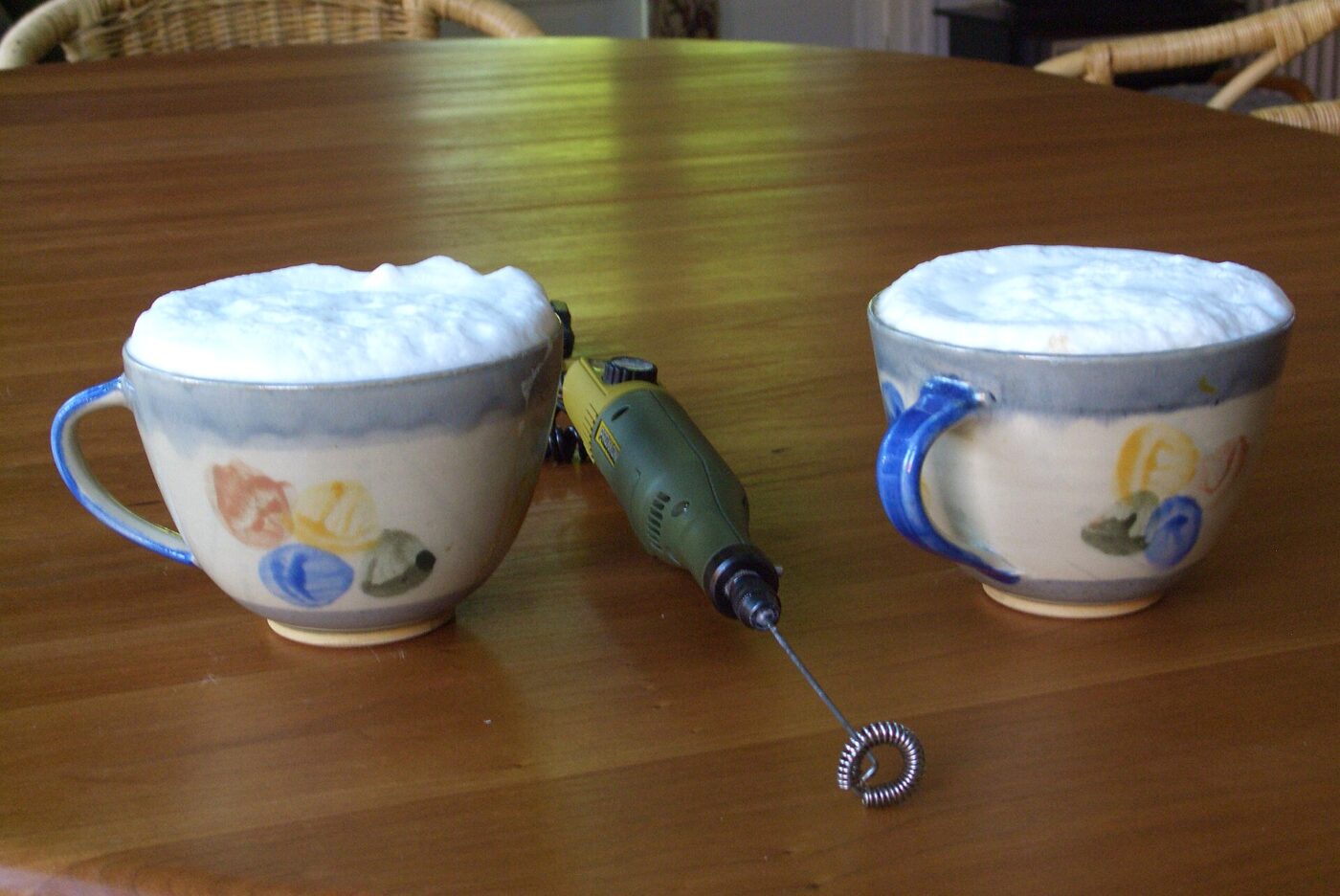
Whisk frothers, handheld or built into a heated jug, spin a spring or paddle through the milk and beat air in. The result is foam: visible bubbles, a light, spoonable top and a layer of liquid milk underneath once it settles. It suits cappuccino-style drinks, hot chocolate and cold foam on iced coffee.
A steam wand works differently. Breville’s instruction book describes texturing milk in two phases, first stretching the milk to aerate it and then swirling it to make it silky smooth, with the tip held just below the surface until the milk spins in a whirlpool. That vortex breaks larger bubbles down and folds them through the liquid, producing microfoam: tiny bubbles, a wet-paint gloss and milk that pours as one texture.
Microfoam is what latte art requires, and it takes practice. A frother is consistent from the first use but tops out at foam; a wand has a higher ceiling and a learning curve measured in pitchers of wasted milk.
| Method | Texture | Best for | Effort |
|---|---|---|---|
| Handheld whisk wand | Bubbly foam, lighter than a jug frother’s | Quick foam on coffee | Low; heat milk separately |
| Electric frother jug | Denser foam, hot or cold | Cappuccino, cold foam, cocoa | Low; press a button |
| Espresso machine steam wand | Microfoam with practice | Lattes, flat whites, latte art | High; technique matters |
| Automatic milk system | Consistent foam, varies by machine | Convenience drinks | Low to use, more parts to clean |
Steaming technique in brief

The Breville manual’s method is a good general sequence. Always start with fresh cold milk, filled to just below the bottom of the jug’s spout. Run the wand over the drip tray first, then insert the tip about a quarter to three quarters of an inch below the surface and hold it there until the milk spins. Lowering the jug slowly brings the tip to the surface to introduce air while the vortex continues.
Once there is enough volume, lift the jug so the tip sits deeper, keeping the milk spinning while it heats. Breville gives the target as 140–149°F, when the jug is hot to touch. Turn the steam off before removing the tip, tap the jug to collapse large bubbles, swirl to polish the texture, and pour promptly.
- Use cold milk in a cold pitcher; it allows more time to stretch before the milk gets hot.
- Air early, heat late: introduce air while the milk is still cool.
- Listen for a gentle hiss, not screeching or large, noisy bubbles.
- Stop by feel or thermometer before the milk scalds.
- Learn on whole milk; plant milks behave differently from brand to brand.
Cleaning milk residue before it sets
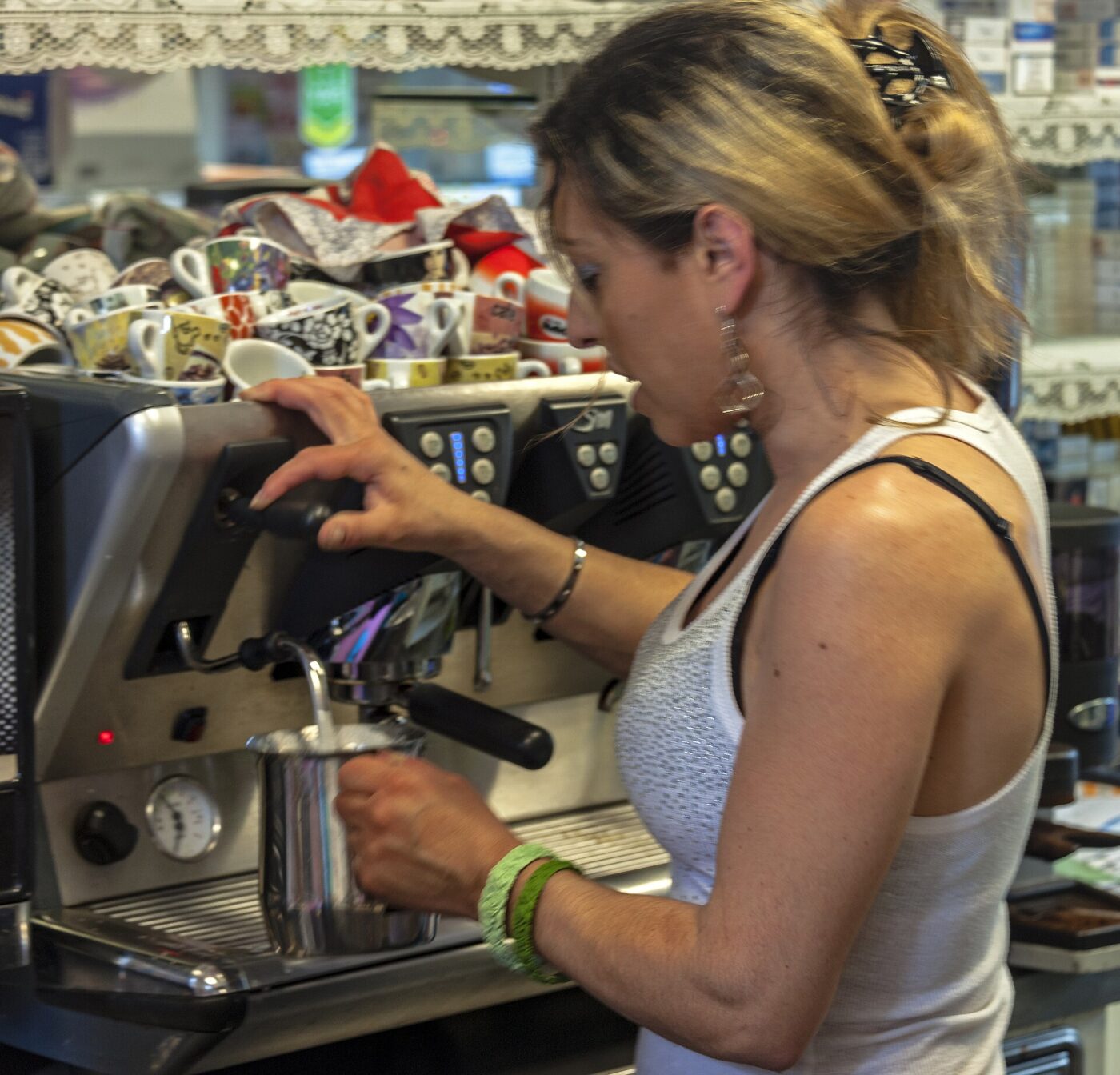
Milk dries onto hot metal quickly, and a cooling wand can draw milk back inside its tip. Breville’s instructions say the steam wand should always be cleaned after texturing milk: wipe it with a damp cloth, then point the tip over the drip tray and briefly turn on steam to clear any remaining milk from inside. For blocked tip holes, the manual says to switch the machine off, let it cool and clear the holes with the pin on the supplied cleaning tool.
Electric frother jugs have their own rules. Nespresso’s Aeroccino 3 manual says to clean directly after every use: remove the seal from the lid, the whisk and its spring, wash them and the inside of the jug with detergent, rinse with warm or hot water, and dry every part. The jug must not go in the dishwasher or be immersed, because its underside carries the electrical connection.
The same manual warns against adding syrup, sugar or chocolate powder directly to the jug, since additives can damage the coating, and calls for a non-metal spoon to collect foam and non-abrasive cleaning materials only. A scratched coating is harder to clean every time after.
Clean milk equipment within a minute or two of use. Once milk dries on a wand or in a frother, it takes soaking and scrubbing that wear parts out.
Which one to buy
If you do not own an espresso machine, or mostly want foam on coffee, cocoa or iced drinks, an electric frother jug is the practical choice. It heats and froths in one step, makes cold foam, and delivers the same result every time. Nespresso’s Aeroccino 3 manual lists roughly 70 to 80 seconds for hot milk and about 60 seconds for cold foam.
If you want flat whites and latte art, an espresso machine steam wand is the dependable home route to microfoam, and steam power matters more than the machine’s pump rating. Smaller machines may steam slowly, which gives a beginner more time to react but makes larger pitchers tedious.
A handheld whisk wand is the least expensive option and fine for occasional foam, but it does not heat milk, so it needs a microwave or stovetop step. Whichever you choose, the milk matters: Nespresso recommends whole or semi-skimmed milk at refrigerated temperature, 39–43°F, and notes that milk which has been frozen will not froth.
Buy for the drink you actually make. Foam-topped drinks suit a frother; silky lattes justify a steam wand and the practice it takes.
The shortlist
Paid links: we earn a commission if you buy through the buttons below, at no extra cost to you. As an Amazon Associate I earn from qualifying purchases.
Compared on texture and effort
| Product type | Best for | Risk estimate | Where to buy |
|---|---|---|---|
| Electric Milk Frother (Hot and Cold) | Hot or cold foam at a button press | 22/100 | See listings on Amazon |
| Handheld Milk Frother Wand | Occasional foam on a budget | 30/100 | See listings on Amazon |
| Stainless Milk Frothing Pitcher (12 oz) | Practicing microfoam on a wand | 12/100 | See listings on Amazon |
Risk estimate is our editorial Fear Index for the product type (lower is safer), not a customer rating. How it is scored. The buttons open Amazon search results rather than one listing, so check the model on the product page.
Electric Milk Frother (Hot and Cold)
The simplest path to foamy drinks. Clean it right after each use with non-abrasive materials.
- Heats and froths in one step
- Hot or cold foam
- Consistent results
- Foam, not latte-art microfoam
- Many jugs are hand wash only
Stainless Milk Frothing Pitcher (12 oz)
A small, cold stainless pitcher makes stretching and swirling easier to control on a home steam wand.
- Right size for one or two drinks
- Spout helps pouring control
- Easy to see the vortex
- Needs practice to use well
- Too small for large batches
More: Coffee and Drinks analyses and how the Fear Index is scored.
Questions people actually ask
Is a milk frother as good as a steam wand?
For foam, yes. For glossy microfoam that pours smoothly and supports latte art, a steam wand used with good technique does better.
What is microfoam?
Milk textured with very small bubbles so it looks glossy and pours as one smooth liquid, rather than separating into stiff foam and hot milk.
How do you clean a steam wand?
Right after steaming, wipe it with a damp cloth and briefly run steam with the tip over the drip tray to clear milk from inside, as Breville’s instructions describe.
Can you put a milk frother in the dishwasher?
Check the manual. Many electric frother jugs contain electrical contacts; Nespresso says the Aeroccino 3 must not go in the dishwasher or be immersed in water.