
Aging Raw-Milk Cheese 60 Days Is a Federal Sales Rule, Not a Guarantee It Is Safe to Eat
Federal rules let raw-milk cheese be sold after 60 days of aging, but FDA still finds Listeria in cheese that cleared the full cure. What the rule covers.

Part of the guide: Home and Kitchen Buying Mistakes: What Fails and How to Check Before You Buy
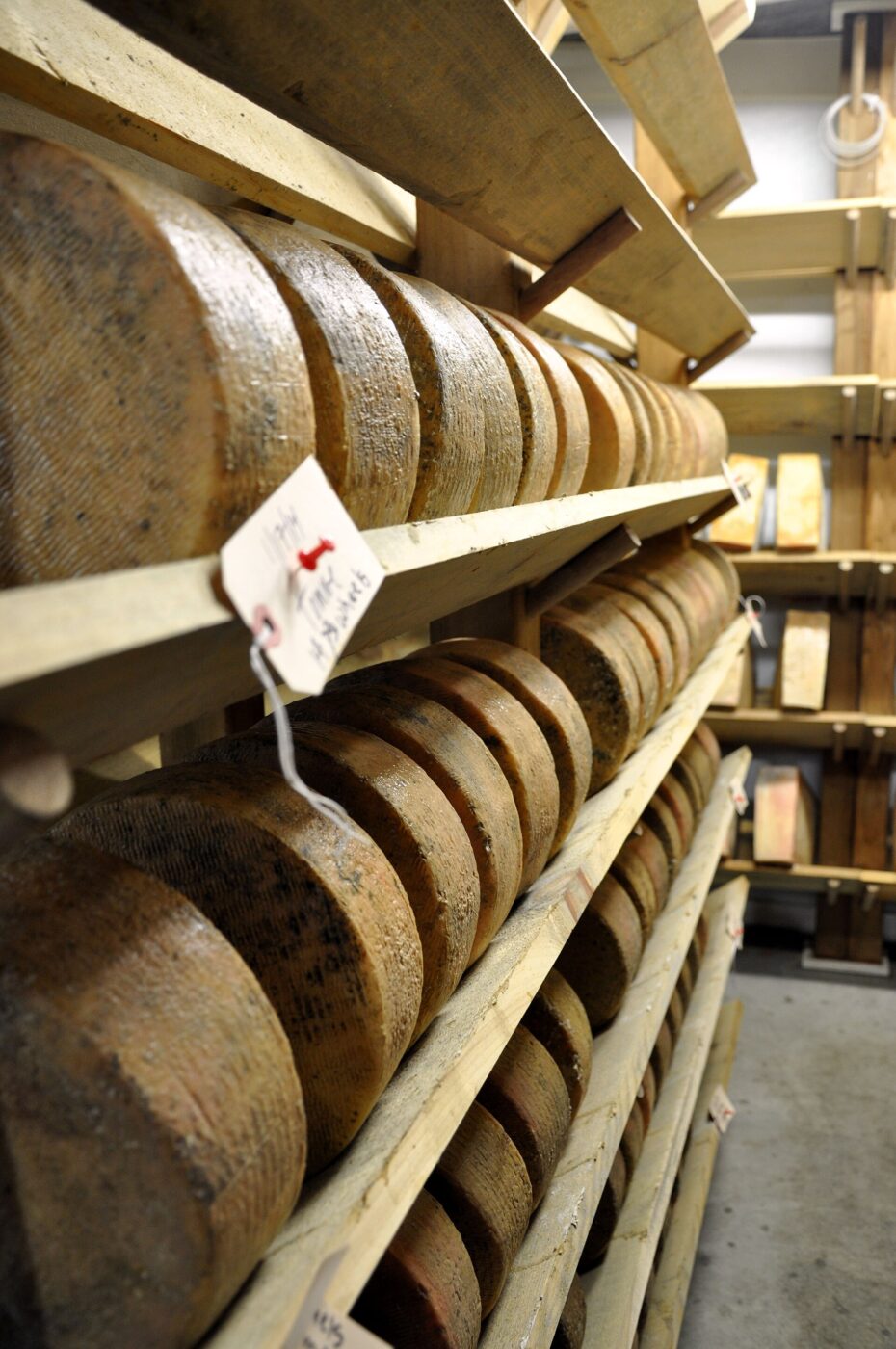
Federal rules let a wheel of cheese made from raw, unpasteurized milk go on sale the moment it has been cured for not less than 60 days at a temperature of not less than 35 degrees Fahrenheit. Cheesemaking kits, forum threads and cave-building guides repeat that number like a finish line, the point at which the cheese becomes safe to eat.
It is not a safety finish line. It is the condition under which federal law allows an otherwise-restricted product — cheese made without the one processing step that reliably kills foodborne pathogens — to be sold at all. FDA’s own testing still finds pathogens that survive it, and the same aging option was never extended to the soft, fresh cheeses a beginner is most likely to try first.
Fear Index · High risk
A sales rule mistaken for a safety test
FDA’s own 2014–2016 sampling of raw-milk cheese aged the full 60 days still found Listeria monocytogenes in nearly one percent of the semi-soft cheeses tested.
Where the 60-day rule comes from and what it covers
For hard cheeses such as cheddar, the federal requirement is specific: “If the milk used is not pasteurized, the cheese so made is cured at a temperature of not less than 35 °F for not less than 60 days.” The same section defines pasteurization for cheesemaking as milk “held at a temperature of not less than 143 °F for a period of not less than 30 minutes.”
That option is a carve-out from a broader ban: federal law generally bars milk products in final package form from interstate commerce unless pasteurized, and the regulation names Part 133’s cheese-curing provision as one of the specific places an alternative is written in instead.
The carve-out is not written into every cheese standard: cottage cheese, a soft, fresh style, has its own standard requiring that “the creaming mixture shall be pasteurized,” with no raw-milk-plus-aging alternative in the rule.
| Cheese category | Raw milk allowed for sale? | What the standard requires |
|---|---|---|
| Hard cheeses (such as cheddar) | Yes, conditionally | Cured not less than 60 days at not less than 35 degrees Fahrenheit |
| Cottage cheese (soft, fresh) | No | The creaming mixture must be pasteurized outright |
The 60-day option is written into hard-cheese standards as an exception to a pasteurization mandate, not into every cheese a beginner might want to make.
What FDA and CDC say about raw milk and aged cheese
FDA says raw milk “can carry dangerous germs such as Salmonella, E. coli, Listeria, Campylobacter, and others,” and that those germs “can be especially dangerous to people with weakened immune systems…children, older adults, and pregnant women.” Pregnant women in particular “run a serious risk of becoming ill from the germ Listeria…which can cause miscarriage, or illness, or death of the newborn baby.” FDA counts 202 outbreaks linked to drinking raw milk between 1998 and 2018, causing 2,645 illnesses and 228 hospitalizations.
None of that risk is specific to drinking raw milk straight; it is the same milk going into the cheese vat. FDA’s own sampling of raw-milk cheese aged the full 60 days still found contamination: generic E. coli in 5.4 percent of samples, and “Listeria monocytogenes in cheeses, particularly semi-soft varieties, remains a concern, as demonstrated by the nearly one percent contamination rate in semi-soft cheeses.” The cure reduces risk compared with fresh raw-milk cheese; it does not eliminate it, and FDA’s own program caught that contamination, not a home cheesemaker’s calendar.
A calendar and a thermometer satisfy the letter of the rule. Only a lab test, the kind FDA runs and a home kitchen cannot, checks whether the cheese is actually clear of Listeria.
Pasteurized, ultra-pasteurized and raw: which milk makes a curd
Three cartons on a dairy shelf can all be labeled some version of milk, and only one of them reliably sets a curd. Standard pasteurized milk, held at 143 degrees Fahrenheit for 30 minutes under the federal definition above, keeps its protein structure close enough to raw milk to set.
Ultra-pasteurized milk, increasingly common because it extends shelf life, is processed hot enough to change that structure. New England Cheesemaking Supply Co., which sells cultures and kits for home cheesemaking, describes the result plainly: “Some UP milk will not even form this solid a curd and will never resemble much more than ricotta or small curd cottage cheese,” falling apart “into a ricotta like mass” where a real curd should hold together.
Raw milk sets a curd well, which is why it is used, and it is also the milk carrying the pathogen risk above. Checking for “ultra-pasteurized” or “UHT” before buying is a wasted-money question; checking for “raw” or “unpasteurized” is a food-safety one, and the two deserve different weight.
A carton labeled pasteurized, not ultra-pasteurized, is the safer buy on two fronts: it skips the raw-milk risk above, and it is the milk that will actually set a curd.
Beginner kits: mozzarella and ricotta before cheddar
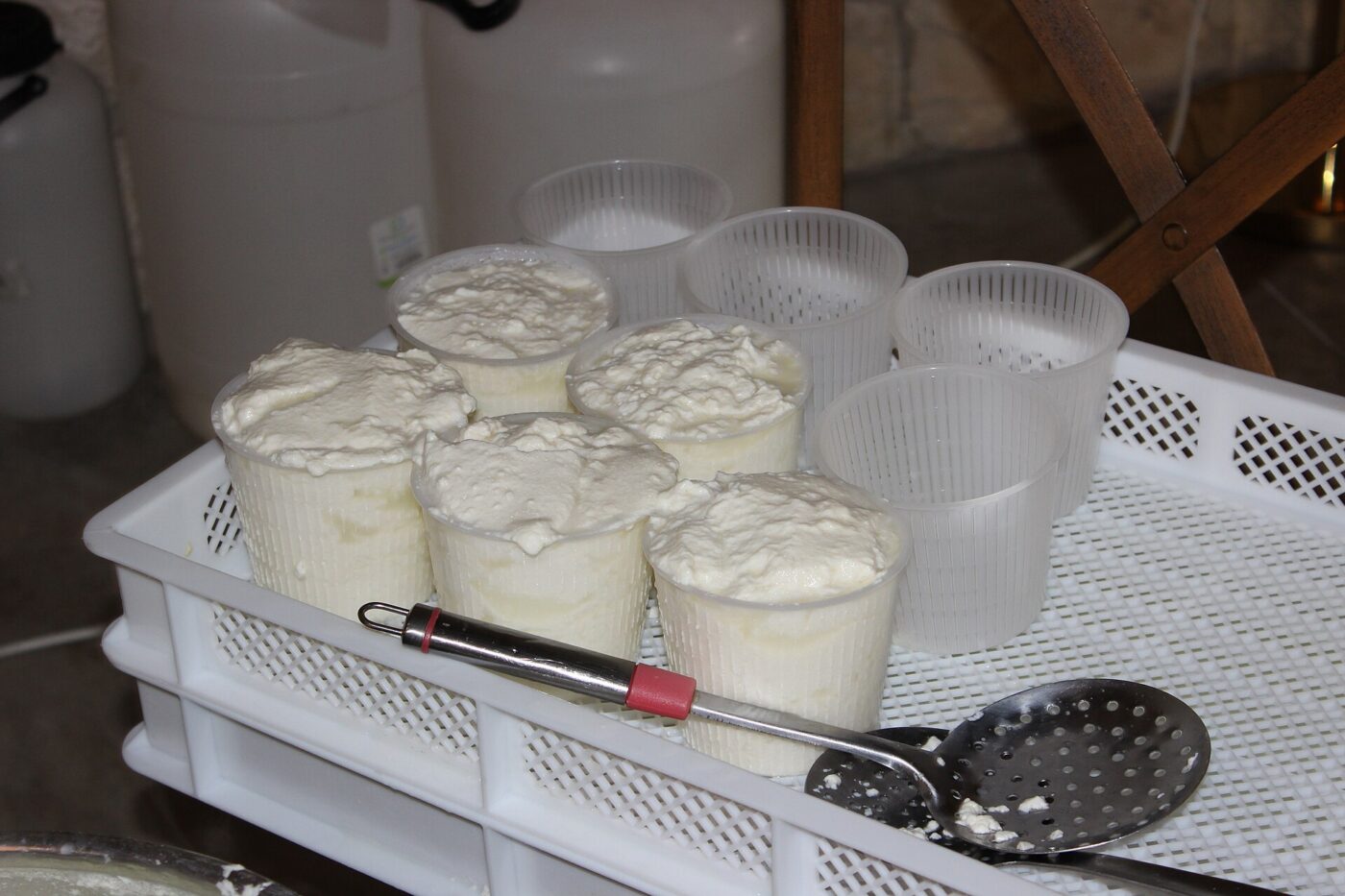
Mozzarella and ricotta are typically the first cheeses recommended to a beginner because they finish in an afternoon with pasteurized milk and citric acid, or heat and acid alone — no aging, no cave, no raw-milk decision at all. A failed batch is a wasted-money problem, not a food-safety one.
Cheddar and other hard, aged cheeses are a bigger commitment twice over: the skill of pressing and aging a wheel for weeks, and, if raw milk is chosen instead of pasteurized, the food-safety burden above for the full 60 days it sits in a cave. A beginner who has not nailed a same-day mozzarella has little basis for judging whether a home aging setup is actually holding a safe, consistent cure.
A fast, pasteurized-milk cheese answers whether cheesemaking is worth the equipment before anyone has to answer a harder question about raw milk.
Aging at home: temperature, humidity and mold
Most aged-cheese recipes call for a space colder and more humid than a kitchen and less cold than a refrigerator — the kind of range a dedicated cheese cave or a converted wine fridge is built to hold, monitored with a thermometer-hygrometer rather than guessed at by feel.
Mold control follows the recipe: some rinds are wiped or brined to discourage unwanted mold, others are deliberately cultivated with a specific mold. Either way, mold that was not part of the recipe signals the cave’s temperature or humidity has drifted, not a cosmetic issue to scrape off and ignore.
Hitting 60 days at 35 degrees Fahrenheit or above satisfies the letter of the federal rule for raw milk. It does not test the finished cheese for Listeria the way FDA’s own sampling program does, which is the gap between a home cheesemaker following the calendar and a commercial cheesemaker whose product has actually been checked.
A cave that nails 60 days and 35 degrees has met the legal minimum. It has not been tested for the pathogen FDA’s own sampling still finds in cheese that met the same minimum.
The shortlist
Paid links: we earn a commission if you buy through the buttons below, at no extra cost to you. As an Amazon Associate I earn from qualifying purchases.
Compared on starting cheesemaking safely
| Product type | Best for | Risk estimate | Where to buy |
|---|---|---|---|
| Beginner Cheese Making Kit (Mozzarella and Ricotta) | Starting with a fast, no-aging cheese | 20/100 | See listings on AmazonOpens Amazon search results, not one listing: check the model on the product page. |
| Cheese Press With Pressure Gauge | Pressing a pasteurized-milk hard cheese | 35/100 | See listings on AmazonOpens Amazon search results, not one listing: check the model on the product page. |
| Digital Thermometer-Hygrometer for a Cheese Cave | Confirming cave temperature and humidity | 10/100 | See listings on AmazonOpens Amazon search results, not one listing: check the model on the product page. |
Risk estimate is our editorial Fear Index for the product type (lower is safer), not a customer rating. How it is scored.
Beginner Cheese Making Kit (Mozzarella and Ricotta)
Mozzarella and ricotta finish in hours using pasteurized milk, skipping both the raw-milk risk profile above and the 60-day wait a hard cheese requires.
- No raw-milk pathogen risk
- Ready in hours, not 60 days
- Good first project for a beginner
- Not a path to aged hard cheese
- Still requires milk that will set
Digital Thermometer-Hygrometer for a Cheese Cave
A cave that runs warm or dry can miss the 35-degree, 60-day mark without anyone noticing until the cheese is already cut into.
- Confirms 35 degrees and steady humidity
- Cheap enough to leave in place
- Works in a wine fridge or cave
- Does not test the cheese itself
- A guess without measured data
More: Homesteading and Food Craft analyses and how the Fear Index is scored.
Sources
- 21 CFR 133.150, Hard Cheeses (raw-milk curing requirement) — Cornell Law School
- 21 CFR 1240.61, Mandatory Pasteurization for Milk in Final Package Form — Cornell Law School
- 21 CFR 133.128, Cottage Cheese (pasteurization requirement) — Cornell Law School
- The Dangers of Raw Milk: Unpasteurized Milk Can Pose a Serious Health Risk — FDA
- Microbiological Surveillance Sampling FY14–16, Raw Milk Cheese Aged 60 Days — FDA
- Problems With Ultra-Pasteurized Milk — New England Cheesemaking Supply Co.
Questions people actually ask
Does aging raw-milk cheese for 60 days make it safe to eat?
Not entirely. The rule is the legal condition under which raw-milk cheese may be sold at all. FDA’s own sampling of cheese aged the full 60 days still found Listeria monocytogenes in nearly one percent of the semi-soft cheeses tested.
Why don’t soft cheeses like cottage cheese get the same 60-day option?
Federal standards for soft, fresh cheeses such as cottage cheese require the milk to be pasteurized outright, with no raw-milk-plus-aging alternative written into the rule the way hard-cheese standards allow.
Why won’t my store-bought milk set a curd?
Check the carton. Ultra-pasteurized milk is processed hot enough to alter the proteins that form a curd, and a batch made with it often falls apart into a ricotta-like mass instead of setting firm.
Who should avoid raw-milk cheese entirely?
FDA says the germs raw milk can carry are especially dangerous for pregnant women, young children, older adults and anyone with a weakened immune system, whatever the label says about aging.
What temperature does the 60-day cure require?
Federal rules require curing at a temperature of not less than 35 degrees Fahrenheit for not less than 60 days; a thermometer-hygrometer is the only way to confirm a home setup is actually holding that.