
A Brooder Heat Lamp Is a 250-Watt Bulb Over Dry Bedding. A Heating Plate Changes That.
A 250-watt heat lamp over dry bedding is a leading cause of barn fires. What extension research and a heating plate’s lower wattage change.

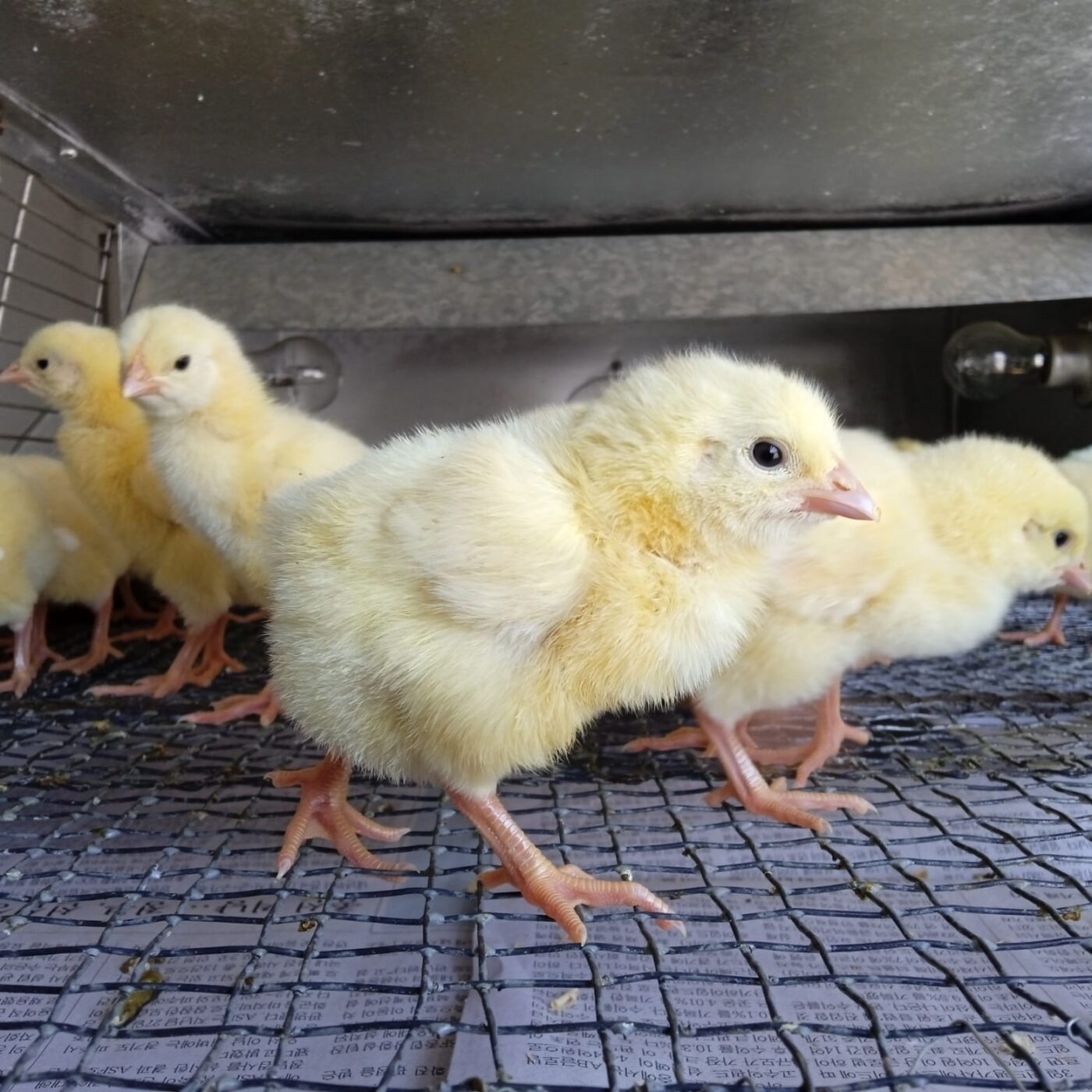
A heat lamp clipped above a brooder box is a 250-watt bulb radiating heat down onto pine shavings, paper bedding or straw a few inches below it. That is the whole design, and it is also the reason extension agents and fire-prevention guidance keep warning about the same setup every spring.
A radiant heating plate solves the same problem differently: chicks warm themselves against a low, adjustable panel instead of gathering under an open bulb. It draws a fraction of the power but costs more up front and does not light or warm a room the way a lamp does. Extension guidance, a farm fire-safety fact sheet and the CDC’s advice on handling chicks settle which one to choose and how to run either one safely.
Fear Index · High risk
A 250-watt bulb over dry bedding
Rutgers’ Equine Science Center says heating equipment is the leading cause of barn fires and lists heat lamps as the heating equipment involved most often, and warns never to plug one into an extension cord.
How brooder fires start
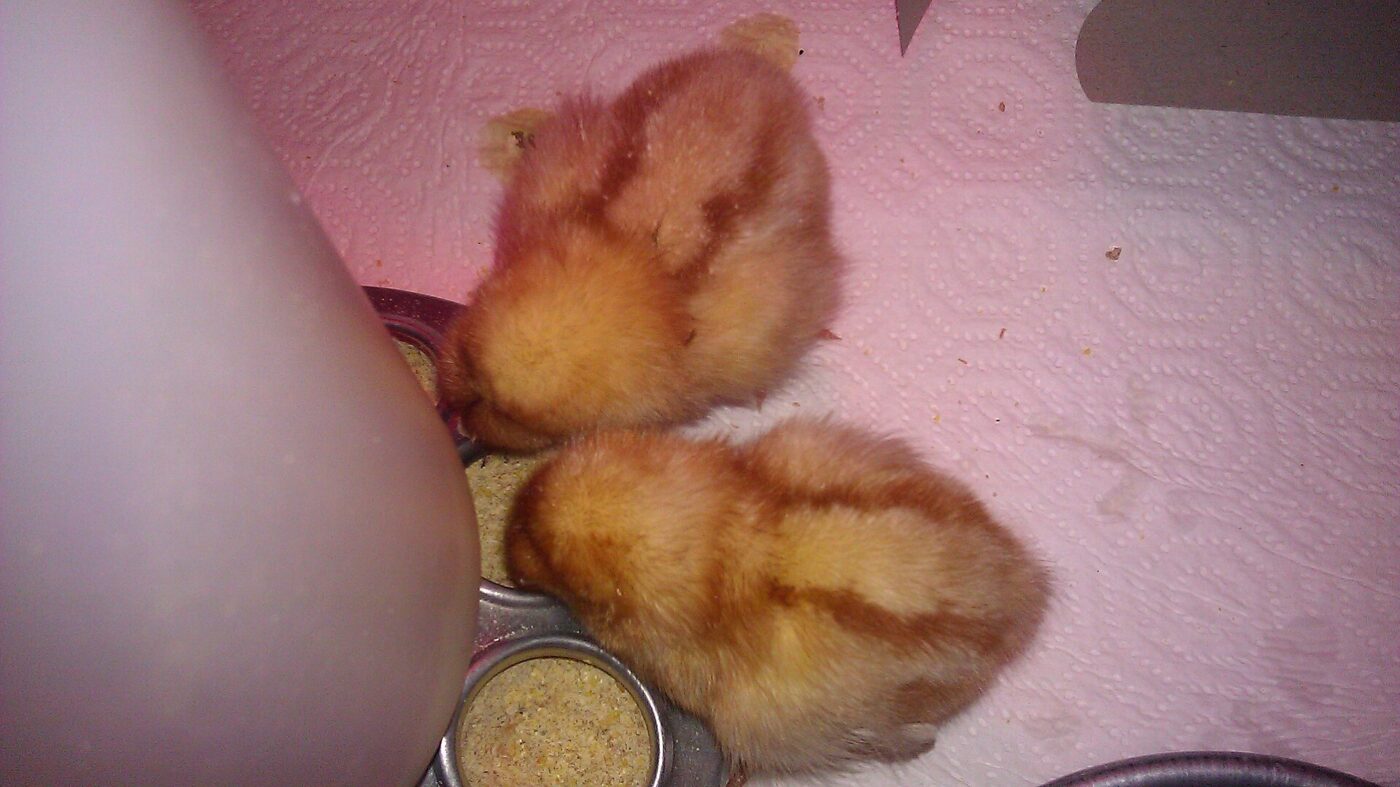
Rutgers’ Equine Science Center puts it plainly in its farm fire-prevention fact sheet: heating equipment is the leading cause of fires in barns, and heat lamps are the heating equipment most often involved. The sheet is blunt about why — heat lamps are “often placed too close to hay and bedding which may ignite quite easily from the heat,” and it tells farm owners to never use extension cords with them.
A brooder box compounds the same problem at a smaller scale. The bedding sits a few inches under the bulb by design, the lamp is usually the only thing standing between 250 watts and that bedding, and a clamp or a chain is doing all the work of keeping it there. If the clamp slips, a bird knocks the fixture, or a loose feather drifts up into it, the fixture is already exactly where it needs to be to start a fire.
A heat lamp does not need to be defective to start a fire. It just needs to be a light fixture holding 250 watts a few inches from dry bedding, which is the setup extension fire-safety guidance keeps naming directly.
Heat lamps vs radiant heating plates: wattage, cost, behavior

Stromberg’s Chickens, a poultry-supply hatchery that sells both types, says a radiant heat plate uses about 10 percent of the energy a standard 250-watt heat lamp consumes — roughly a quarter of that wattage or less — and describes the plate as the safer alternative because it removes the fire risk a bare bulb carries.
The behavior is different too. Chicks under a lamp gather in a pool of light and heat radiating from one point; chicks under a heating plate come and go, touching the warm underside the way they would huddle under a hen, and the plate itself never glows or ignites nearby bedding the way a bulb can. The tradeoff is upfront cost and light: a heating plate costs more than a bulb and clamp, and it does not illuminate the brooder at night the way a lamp incidentally does.
Extension temperature schedule and reading the chicks
Penn State Extension’s brooding guidance sets the brooder at 95°F at chick level for the first week, then calls for decreasing the heat by 5°F each week until it reaches room temperature. UNH Extension gives the same 90–95°F starting range and the same 5°F weekly step, and specifies where to measure it: 2.5 inches above the litter, directly under the heat source, not the room’s ambient temperature.
Both extension services describe the same behavioral check for confirming the number is right. UNH says chicks that are cold will huddle together under the heat source, while chicks that are too warm will move as far from it as the brooder ring allows; Penn State describes the same pattern — huddling for cold, spreading to the far edges for too warm — and adds that comfortable chicks spread evenly through the brooding area. If the thermometer and the chicks disagree, both extension services are describing the chicks as the more reliable reading.
| Age | Target temperature at chick level |
|---|---|
| Week 1 | 95°F |
| Week 2 | 90°F |
| Week 3 | 85°F |
| Week 4 | 80°F |
| Week 5 and beyond | 75°F, stepping down 5°F a week to room temperature |
Chicks huddled together under the heat source are cold. Chicks pressed against the far edges of the brooder are too warm. Two separate extension services describe the identical pattern.
Brooder setup: bedding, guards and cords
For anyone keeping a heat lamp, Penn State Extension sets a hard clearance: heat lamps should sit at least 20 inches from any flammable material, suspended by a chain or cable rather than the cord, with the heat source secured so it cannot slip or be knocked closer to the bedding. UNH Extension adds two more specific habits — hang the lamp by a chain, not the cord, and protect the bulb from splashed water, since water hitting a hot bulb will shatter it. Rutgers’ farm fire-prevention sheet is direct about the one thing not to do: never plug a heat lamp into an extension cord.
A heating plate removes the open-bulb part of that checklist, but it still needs its own basics: adjustable legs so the plate can be raised as chicks grow taller, and a cord and plug in good condition, the same as any other electrical device running for weeks in a barn or garage.
None of these precautions exist because a heat lamp is likely to fail. They exist because ordinary bedding, an ordinary cord and an ordinary draft are what extension services say actually turn a working heat lamp into a fire.
Salmonella and handling chicks with children
CDC says outbreaks of Salmonella linked to backyard poultry are common, and the germ spreads from healthy-looking birds just as easily as sick ones. Its guidance is to wash hands with soap and running water immediately after touching backyard poultry or anything in the area where they live and roam, and not to let children younger than 5 touch or handle chicks, ducklings or other poultry at all, since young children are more likely to get sick from germs like Salmonella.
USDA APHIS’s Defend the Flock program frames the same habits as biosecurity: wash hands before and after contact with live birds, keep a dedicated pair of boots or boot covers for the coop, and clean and disinfect tools before moving them to a new poultry area. The program asks anyone who notices a sick bird to report it to a local veterinarian or USDA’s hotline at 1-866-536-7593.
A brooder box kept in a kitchen or mudroom puts a Salmonella risk exactly where small children already play. CDC’s advice is not about the chicks looking sick — healthy-looking chicks carry the germ too.
The shortlist
Paid links: we earn a commission if you buy through the buttons below, at no extra cost to you. As an Amazon Associate I earn from qualifying purchases.
Compared on brooder fire risk and heat
| Product type | Best for | Risk estimate | Where to buy |
|---|---|---|---|
| Chick Brooder Heating Plate (Adjustable Height) | Cutting the fire risk in the brooder | 22/100 | See listings on AmazonOpens Amazon search results, not one listing: check the model on the product page. |
| Brooder Heat Lamp with Wire Guard and Ceramic Socket | Keeping a heat lamp as safe as possible | 48/100 | See listings on AmazonOpens Amazon search results, not one listing: check the model on the product page. |
| Digital Thermometer with Remote Probe | Confirming the real temperature at chick level | 14/100 | See listings on AmazonOpens Amazon search results, not one listing: check the model on the product page. |
Risk estimate is our editorial Fear Index for the product type (lower is safer), not a customer rating. How it is scored.
Chick Brooder Heating Plate (Adjustable Height)
Extension and fire-safety guidance both point at the heat lamp, not the bedding, as the thing that starts brooder fires. A heating plate removes the open bulb entirely.
- Draws about a tenth the power of a lamp
- No open bulb over the bedding
- Height adjusts as chicks grow
- Higher upfront cost than a lamp
- Does not light or warm the whole room
Brooder Heat Lamp with Wire Guard and Ceramic Socket
Rutgers’ fire-prevention guidance says never plug a heat lamp into an extension cord, and to suspend it by a chain rated for the heat, not the cord itself.
- Wire guard keeps the bulb off bedding
- Ceramic socket rated for sustained heat
- Costs less than a heating plate
- Never rated for an extension cord
- Must hang from a chain, not the cord
More: Homesteading and Food Craft analyses and how the Fear Index is scored.
Sources
- Brooding and Caring for Chicks — UNH Extension
- Brooding of Domestic Fowl — Penn State Extension
- Fire Prevention and Safety Measures Around the Farm — Rutgers Equine Science Center
- Backyard Poultry — CDC Healthy Pets, Healthy People
- Defend the Flock — USDA APHIS
- Radiant Heat Plate Chick Brooders — Stromberg’s Chickens
Questions people actually ask
What temperature does a chick brooder need to be?
Penn State and UNH Extension both set it at 95°F at chick level for the first week, decreasing 5°F each week until it reaches room temperature, usually by around eight weeks.
Are heat lamps a fire risk for chicken coops and barns?
Yes. Rutgers’ Equine Science Center says heating equipment is the leading cause of barn fires, with heat lamps the heating equipment involved most often, largely because they sit close to hay and bedding.
How much less power does a heating plate use than a heat lamp?
Stromberg’s Chickens, a poultry supplier, says a radiant heating plate uses about 10 percent of the energy a standard 250-watt heat lamp draws.
Can children handle baby chicks safely?
CDC advises against it for children under 5, since young children are more likely to get sick from Salmonella, which backyard poultry can carry even when the birds look healthy.