

A Wi-Fi Baby Monitor Is a Camera on the Internet in Your Child’s Room
Cloud monitors are only as secure as an account and a vendor. A closed-circuit FHSS monitor has no internet attack surface at all.

Part of the guide: Tech and Audio Buying Mistakes: What Fails and How to Check Before You Buy
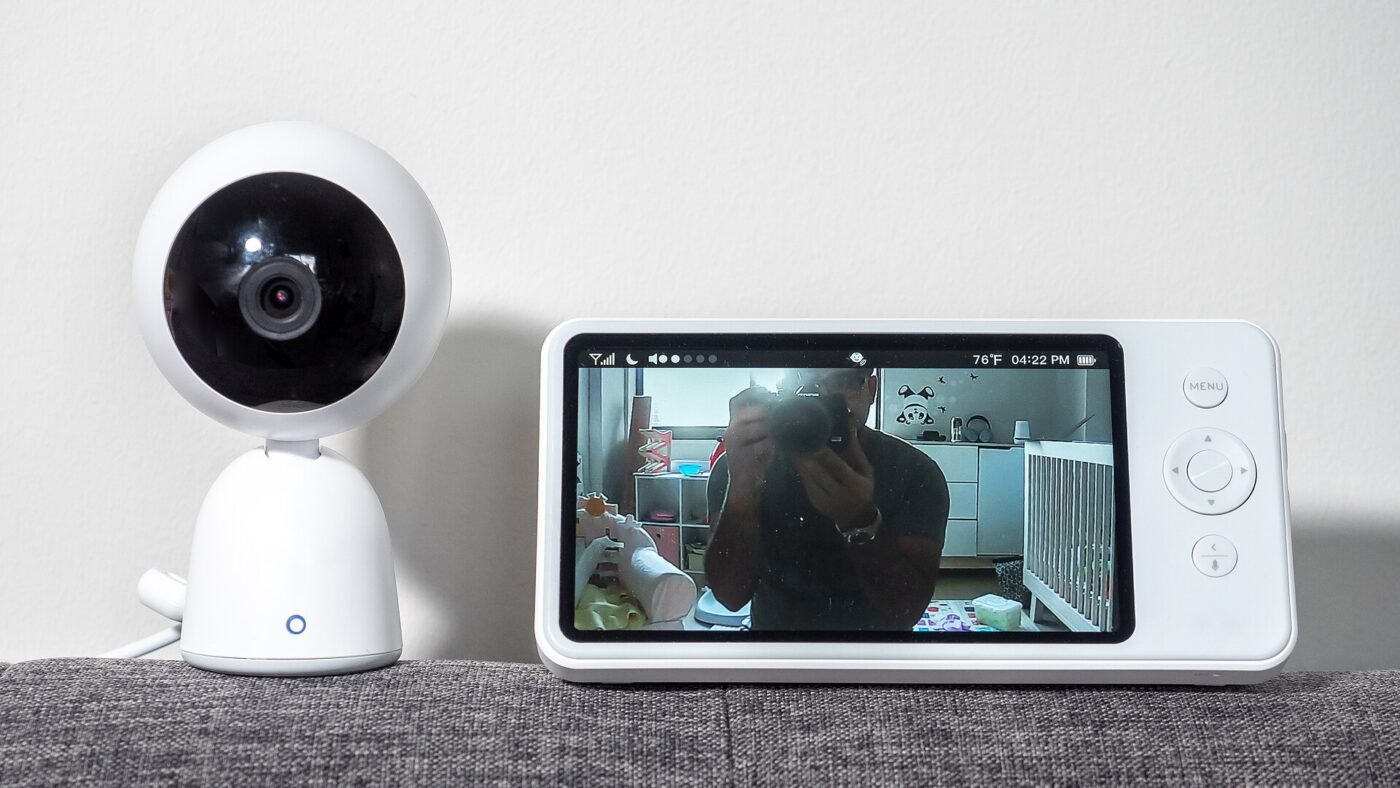
Baby monitors split into two designs that look similar and are architecturally nothing alike.
A closed-circuit monitor pairs a camera to a dedicated screen over its own radio link. A Wi-Fi monitor sends video to a vendor’s servers and back to your phone. The second is more capable and puts a camera in a child’s bedroom onto the public internet.
Fear Index · High risk
A camera whose security you do not control
Breaches of consumer camera platforms have happened repeatedly. The attack surface is the vendor, and you cannot audit it.
Three ways a cloud monitor is exposed
The risk is not hypothetical, and there are three distinct routes.
- Credential reuse. If the account password appears in any past breach, automated credential stuffing will find it. This is by far the commonest real-world compromise.
- Vendor compromise. Consumer camera platforms have suffered breaches exposing footage across many accounts. Nothing you do at home mitigates that.
- Abandoned firmware. Cheap monitors stop receiving updates within a couple of years while remaining in service for five or more, leaving known vulnerabilities unpatched indefinitely.
The question is not whether the vendor is trustworthy today. It is whether they will still be shipping security patches in four years, when the monitor is still in the room.
Closed-circuit monitors have no internet

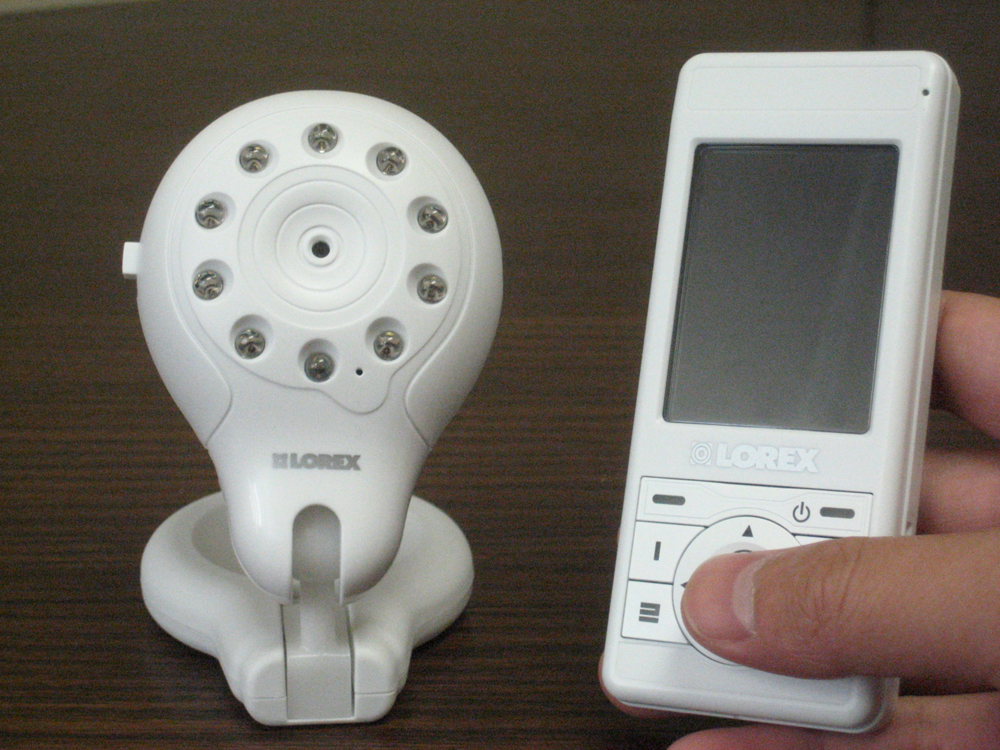
FHSS — frequency-hopping spread spectrum — monitors pair a camera to one parent unit and rapidly change frequency in a sequence both ends share. There is no account, no app, no server and no remote access.
That removes the entire class of risk above. It also removes remote viewing, which is the feature many parents actually want, and grandparents cannot check in.
Range is limited to the house, battery life is usually better, and there is no monthly subscription — which several cloud monitors now require for features like recorded clips.
If you want Wi-Fi, do these five things
Remote access is a real benefit and it can be made much safer.
- A unique password, never reused. This single step blocks the most common attack.
- Two-factor authentication, if the vendor offers it. If they do not, that tells you something.
- Check the firmware update policy before buying, not after.
- Put it on a guest network, isolated from your computers and storage.
- Physically cover or unplug it when the room is in use by adults.
The shortlist
Paid links: we earn a commission if you buy through the buttons below, at no extra cost to you. As an Amazon Associate I earn from qualifying purchases.
Compared on attack surface
| Product type | Best for | Risk estimate | Where to buy |
|---|---|---|---|
| Closed-Circuit FHSS Video Monitor | Smallest attack surface | 24/100 | See listings on AmazonOpens Amazon search results, not one listing: check the model on the product page. |
| Wi-Fi Baby Monitor with 2FA | Remote viewing needed | 58/100 | See listings on AmazonOpens Amazon search results, not one listing: check the model on the product page. |
| DECT Audio Baby Monitor | Audio only | 18/100 | See listings on AmazonOpens Amazon search results, not one listing: check the model on the product page. |
Risk estimate is our editorial Fear Index for the product type (lower is safer), not a customer rating. How it is scored.
Closed-Circuit FHSS Video Monitor
If remote access is not a requirement, this removes an entire category of risk for the same money.
- No internet connection at all
- No account to be breached
- No subscription for basic features
- No remote viewing from outside the house
- Range limited to the property
DECT Audio Baby Monitor
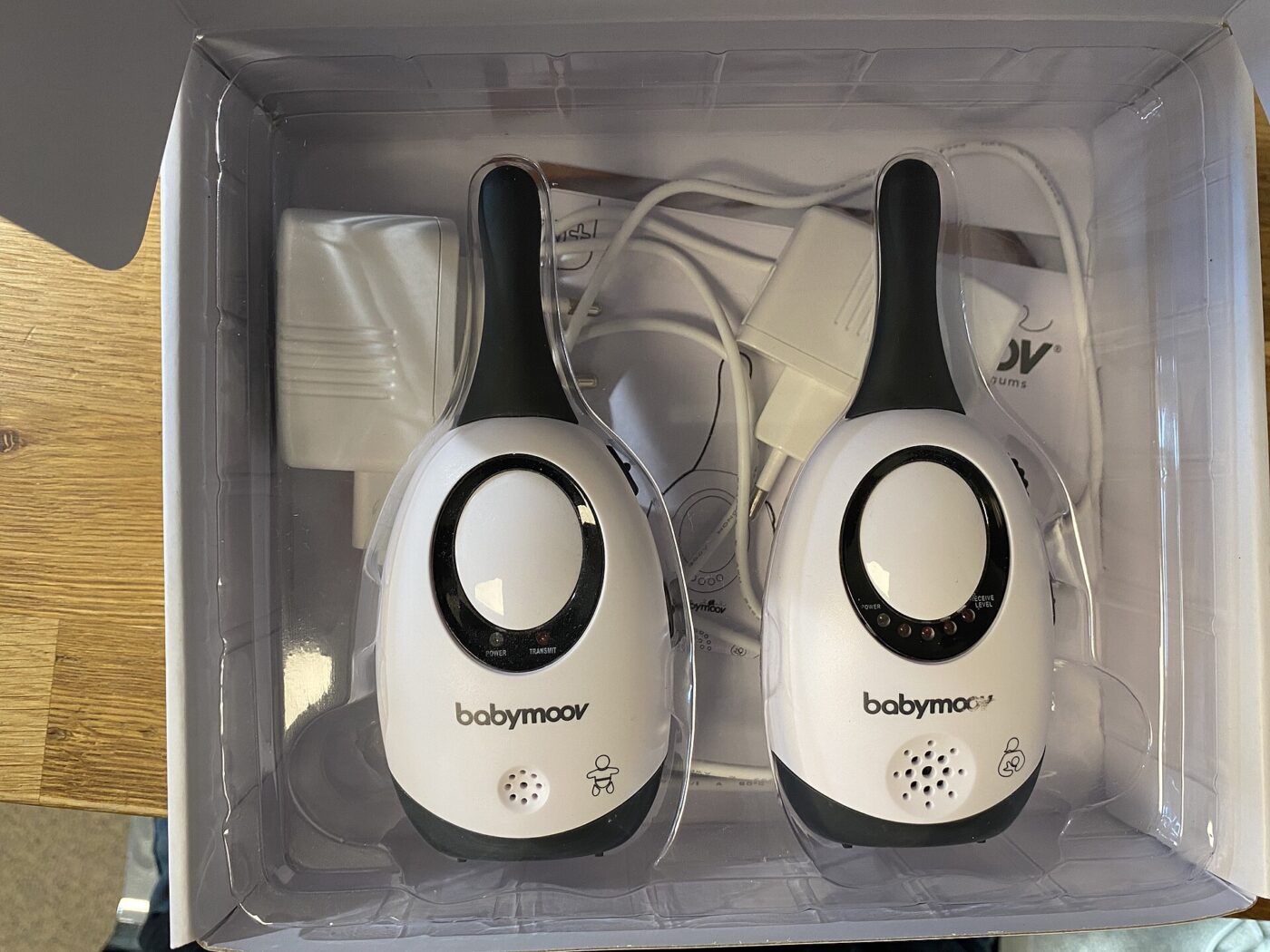
For a newborn in the next room, audio answers the actual question. Video is frequently bought and then watched twice.
- Encrypted digital audio link
- Long battery life
- Nothing to configure
- No video
- No movement alerts
More: Baby & Kids analyses and how the Fear Index is scored.
Questions people actually ask
Can baby monitors be hacked?
Wi-Fi monitors can, most often through reused passwords, and there have been vendor-side breaches of camera platforms. Closed-circuit FHSS monitors have no internet connection and are not exposed in the same way.
Is a non-Wi-Fi baby monitor safer?
Architecturally, yes. With no account, server or app there is no remote attack surface. The trade is that nobody can view the room from outside the house.
What is FHSS on a baby monitor?
Frequency-hopping spread spectrum — the camera and parent unit rapidly change frequency in a shared sequence. It resists interference and casual eavesdropping without touching the internet.
How do I secure a Wi-Fi baby monitor?
Use a unique password, enable two-factor authentication, check the vendor still ships firmware updates, put the camera on an isolated guest network, and unplug it when not needed.