
Car Seats Expire, and It Is Not a Trick to Sell You Another One
Polymer degradation, changing standards and missing history are three separate reasons an old or second-hand seat is a poor bet.

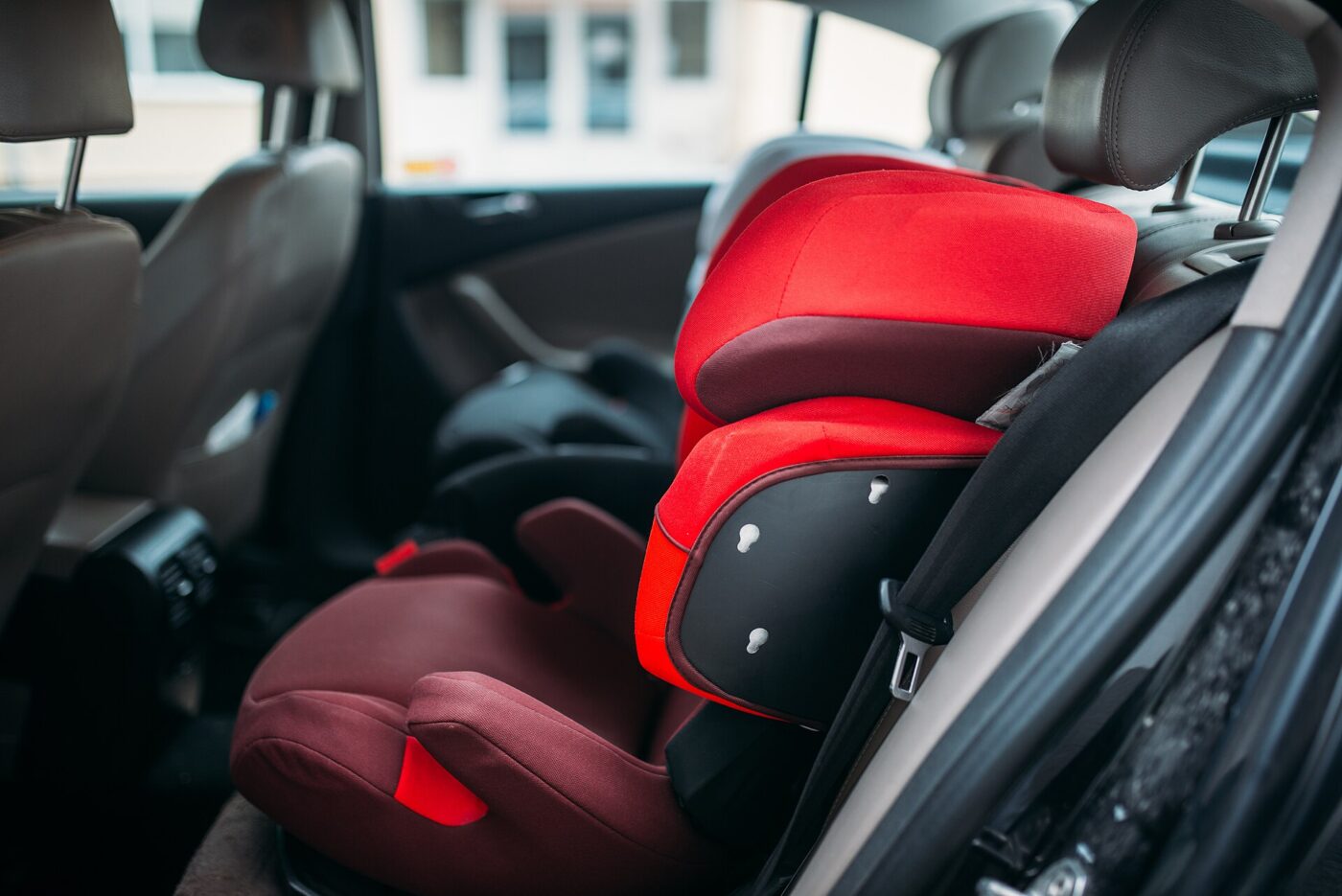
Every car seat carries a date, usually molded into the plastic underneath, and a stated lifespan of six to ten years. It is easy to read that as planned obsolescence.
There are three separate reasons behind it, and they compound rather than overlap.
Fear Index · High risk
A safety device with an invisible shelf life
A seat that looks perfect can have been in a crash, stored in a freezing garage, or built to a standard since superseded. None of that is visible.
Three reasons the date exists
The plastic ages. Car seat shells are typically polypropylene, and a car interior is an unusually hostile environment — repeated cycles from below freezing to well above 50°C in summer sun, with UV through the glass. Polymers under that treatment embrittle. A shell designed to flex and absorb energy in a crash becomes one that cracks instead.
Standards move. Testing requirements change as crash research advances — side impact protection in particular has tightened considerably. A ten-year-old seat was certified against what was required a decade ago.
Parts and recalls. Manufacturers stop supplying harnesses and buckles for discontinued models, and recall notices do not reach second or third owners.
Find the date before you do anything else. It is usually molded into the shell underneath or on a label on the side, and it states manufacture rather than purchase.
Second-hand seats and unknown history

NHTSA advises replacing a seat after any moderate or severe crash, even when it looks undamaged, and many manufacturers say to replace it after any crash at all, because energy-absorbing structures deform once by design. NHTSA defines a minor crash narrowly: the vehicle could be driven away, the nearest door was undamaged, no one was injured, no airbags deployed and the seat shows no visible damage. Miss any one of those and the seat should come out.
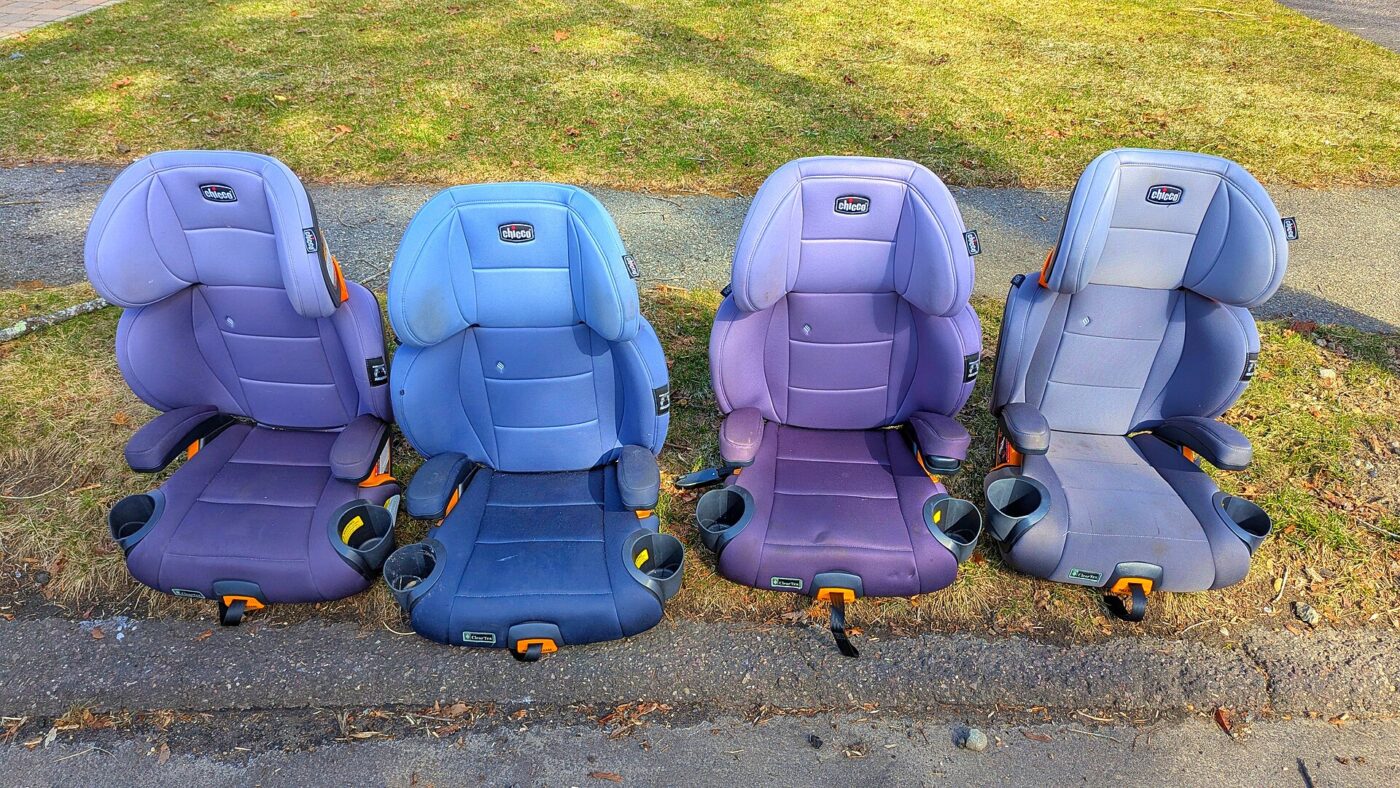
With a second-hand seat you cannot verify that. You also cannot verify how it was stored, whether it has been dropped, whether the harness has been washed in a way that weakened the webbing, or whether it is subject to a recall.
A seat from a close family member whose history you genuinely know is a different proposition from a marketplace listing. Buying blind means accepting an unquantifiable risk on the one product whose entire purpose is to manage risk.
The errors that matter more than the seat
Installation and harness use cause more real-world failures than seat choice does. The most common, according to NHTSA’s research on car seat misuse:
- Harness too loose. The pinch test: you should not be able to pinch a horizontal fold of webbing at the collarbone.
- Chest clip in the wrong place. It belongs at armpit level, not on the belly.
- Bulky coats under the harness. They compress in a crash and leave dangerous slack. Harness first, coat over the top.
- Turning forward too early. Rear-facing is substantially safer for longer than most parents assume.
- Loose installation. At the belt path, the seat should not move more than about an inch in any direction. A certified Child Passenger Safety Technician can check your installation, often for free — NHTSA’s inspection-station finder lists locations by ZIP code.
The shortlist
Paid links: we earn a commission if you buy through the buttons below, at no extra cost to you. As an Amazon Associate I earn from qualifying purchases.
Compared on what you can actually verify
| Product type | Best for | Risk estimate | Where to buy |
|---|---|---|---|
| Infant Car Seat with Base | Newborns, first year | 40/100 | See listings on AmazonOpens Amazon search results, not one listing: check the model on the product page. |
| Convertible Car Seat (Extended Rear-Facing) | Newborn to preschool, rear-facing longer | 44/100 | See listings on AmazonOpens Amazon search results, not one listing: check the model on the product page. |
| Rear-Facing Baby Mirror | Seeing a rear-facing baby | 24/100 | See listings on AmazonOpens Amazon search results, not one listing: check the model on the product page. |
Risk estimate is our editorial Fear Index for the product type (lower is safer), not a customer rating. How it is scored.
Convertible Car Seat (Extended Rear-Facing)
The single most useful specification is how long it rear-faces. That is where the safety difference between seats actually lives.
- Rear-faces to a higher weight than infant seats
- Covers several years from one purchase
- Certified to current standards
- Heavy and not portable
- Still expires
Infant Car Seat with Base
Bought for convenience rather than safety, and the convenience is genuine in the first year. Check the molded date when it arrives.
- Lifts out with the baby asleep
- Clicks into a base and a stroller frame
- Snug fit for very small newborns
- Outgrown within about a year
- Carrying it strains wrists and back
More: Baby & Kids analyses and how the Fear Index is scored.
Questions people actually ask
Do car seats really expire?
Yes, typically six to ten years from manufacture. The shell plastic embrittles under a car’s heat and UV cycling, standards move on, and parts and recall notices stop reaching owners.
Is it safe to buy a second-hand car seat?
Only if you personally know its full history. A seat from a moderate or severe crash must be replaced even if it looks undamaged, and many manufacturers say any crash, and you cannot verify that, its storage, or outstanding recalls from a listing.
Where is the expiry date on a car seat?
Usually molded into the plastic on the underside, or on a label on the side. It gives the manufacture date, and the lifespan runs from there rather than from purchase.
Can a child wear a coat in a car seat?
Not a bulky one under the harness. It compresses in a crash and leaves slack. Strap the harness over normal clothes and put the coat on backwards over the top.