
A Puffy Winter Coat Under a Harness Compresses in a Crash, Leaving It Loose
A bulky coat under a harness compresses in a crash and leaves the straps loose. The pinch test, safe layering, and what covers are actually allowed.

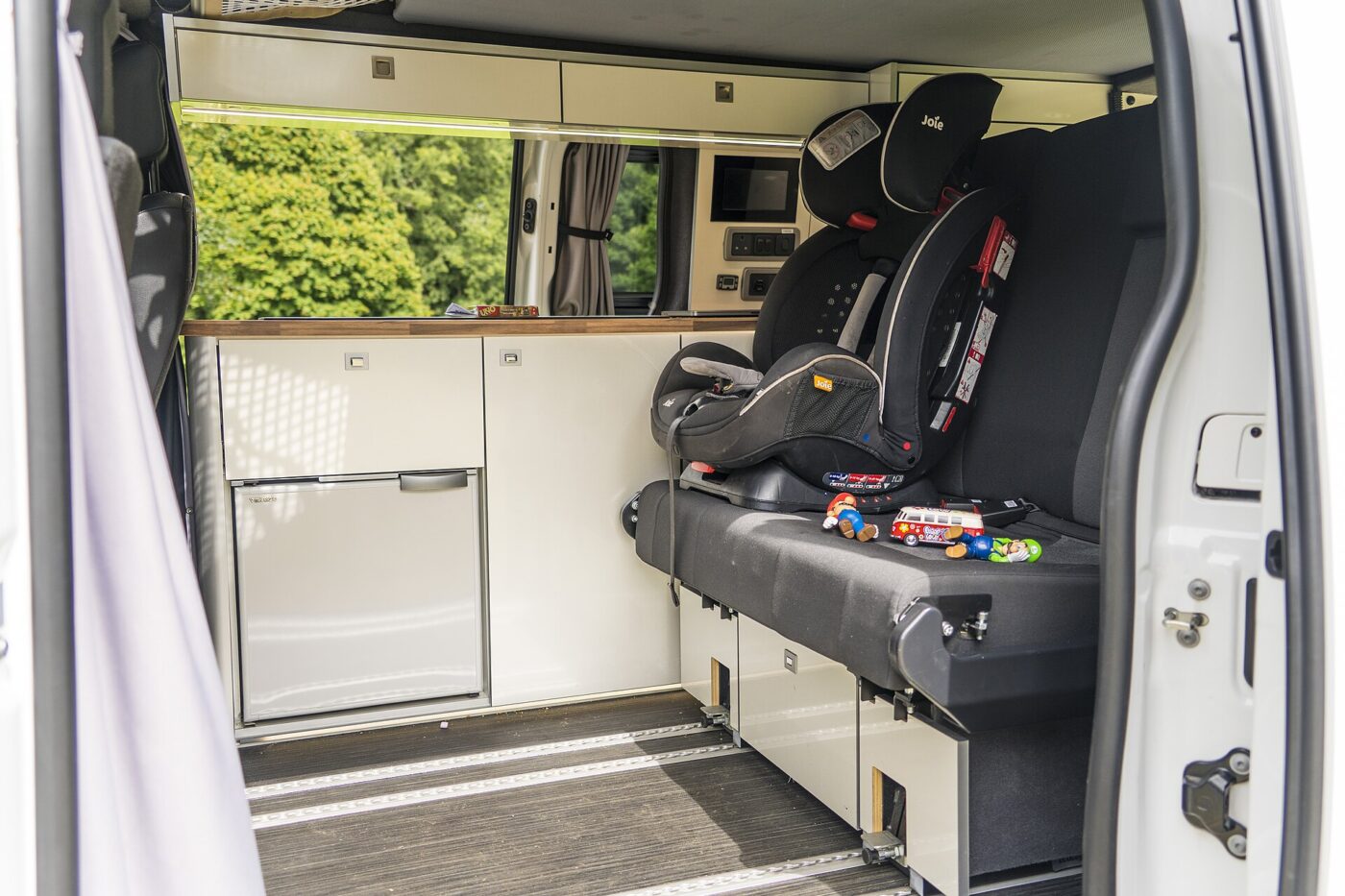
The harness on a child’s car seat is only as tight as the body underneath it. A bulky coat adds loft between the straps and a child’s chest, and none of that loft is still there once a crash compresses it.
The American Academy of Pediatrics’ fix costs nothing: take the bulky coat off before buckling, tighten the harness until no slack can be pinched at the shoulders, and add warmth on top of the buckled straps instead.
Fear Index · High risk
A harness that looks snug over the wrong layer
The American Academy of Pediatrics says a coat’s padding flattens out under crash force, leaving room for a child to slip through the straps and be thrown from the seat.
Why a bulky coat creates slack in a crash

AAP explains the mechanism plainly: fluffy padding in a coat immediately flattens out from crash force, leaving extra space under the harness, so a child can slip through the straps and be thrown from the seat. A harness that looked snug in the driveway can already be loose by the time it matters.
AAP applies the same warning to snowsuits and other bulky clothing: it can compress in a crash and leave the straps too loose to restrain the child. Its winter tips add that even several layers can make it hard to tighten the harness enough, however snug the child looks.
The pinch test, done with and without the coat
AAP’s check for harness tightness is a pinch: you should not be able to pinch any slack between your fingers when testing the straps over the child’s shoulders, and if you can, the harness needs tightening until it fits snugly against the chest.
Coats complicate that test, because the straps can feel snug against the coat while the padding underneath is what they are gripping. That is why AAP’s advice is to take the coat off before the child goes into the seat, and why its winter tips say nothing bulky should ever go between the child’s body and the harness straps.
Tighten the harness on the child, not on the coat: bulky layers come off first, and warmth goes on after buckling.
Warm layers that work under a harness
AAP’s winter guidance favors close-fitting layers over bulk: tights, leggings or long-sleeved bodysuits first, then pants and a warmer top such as a sweater or thermal-knit shirt, with a thin fleece jacket over the top, and long underwear in very cold weather. As a rule of thumb, it says, infants should wear one more layer than adults.
Hats, mittens and warm socks add heat without touching the harness path at all, which makes them the easiest layer to add without redoing the fit check.
Covers, ponchos and bunting bags: what goes over, not under
Warmth can still go on top of a buckled harness, just not underneath it. AAP describes adding a blanket over the harness straps, or putting the child’s coat on backward over the buckled straps, once the child is buckled in. Some parents use poncho-style coats or jackets that zip down the sides so the back flips forward over the harness, and AAP adds that the top layer should be removable.
The distinction is what sits between the child and the straps. A cover, poncho or blanket added after buckling changes nothing about how the harness holds the child. An insert, bunting bag or liner that goes behind or underneath the child changes the padding the harness is measuring against, and AAP is direct about the risk: if the item did not come with the car seat, it has not been crash tested and may interfere with the protection the seat provides in a crash. AAP’s rule for covers is to use one only if it has no layer under the baby, and to leave the baby’s face uncovered.
Aftermarket products, manuals and a professional check
Retailers sell a wide range of car seat bundling products, and AAP’s HealthyChildren.org warns that many of them are not safe to use in a car seat, regardless of how they are marketed. A cover that clips over the outside of the shell, without going under or behind the child, is a different product than one designed to replace the seat’s own padding.
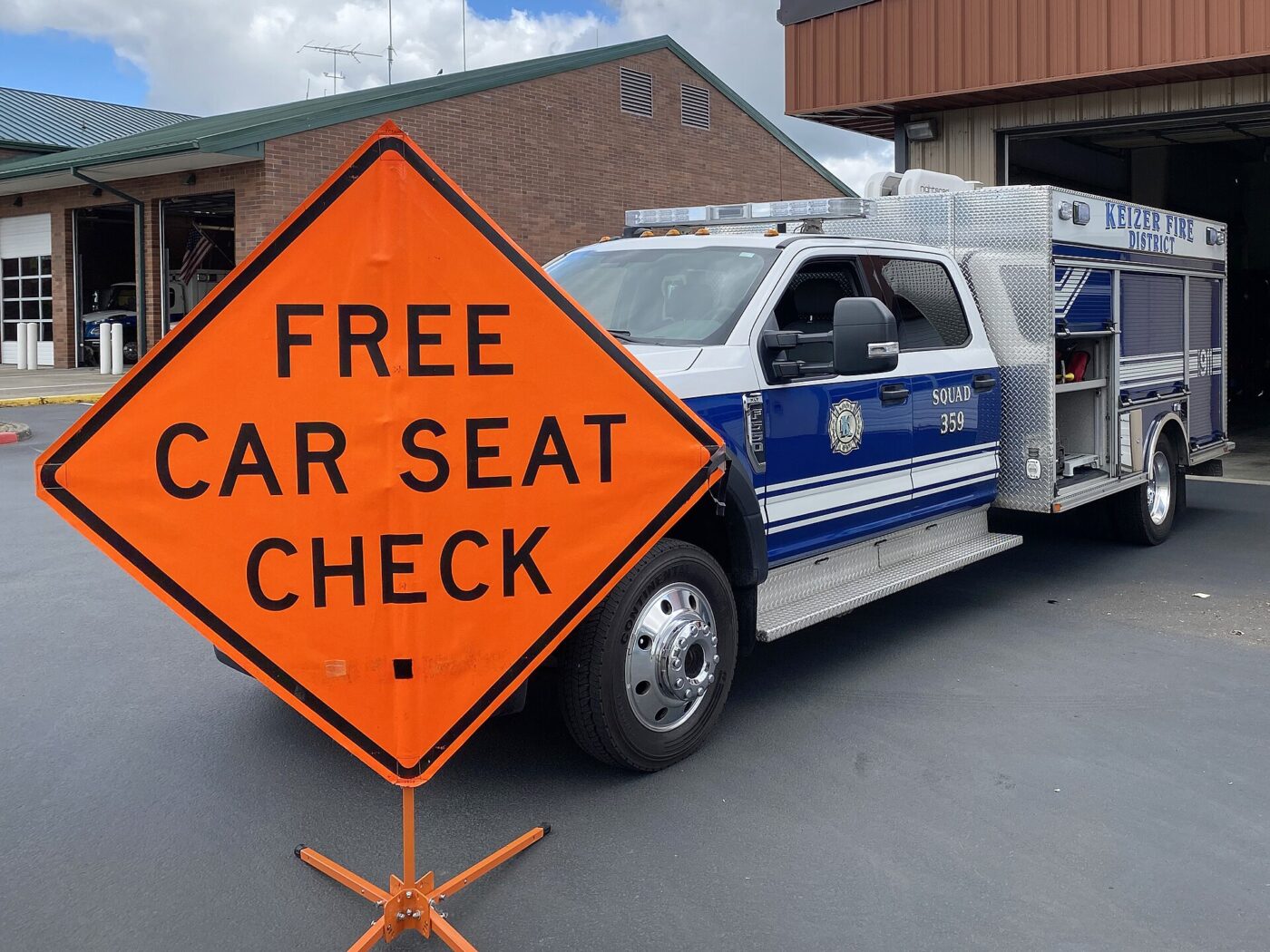
AAP’s car seat guidance says to read the car seat manual and the vehicle manual, and not to use any insert or padding unless it came with the seat or was made by its manufacturer for that seat. For anything a manual leaves unclear, certified Child Passenger Safety Technicians, trained through a national certification program run by Safe Kids Worldwide with a NHTSA curriculum, help caregivers in person at car seat checks; AAP points parents to the program’s Find a Tech search.
When a seat’s manual and a product’s marketing disagree, the manual wins. A certified technician can settle anything it leaves ambiguous.
The shortlist
Paid links: we earn a commission if you buy through the buttons below, at no extra cost to you. As an Amazon Associate I earn from qualifying purchases.
Compared on keeping the harness snug
| Product type | Best for | Risk estimate | Where to buy |
|---|---|---|---|
| Thin Fleece Jacket for Kids | A thin base layer under the harness | 15/100 | See listings on Amazon |
| Shower-Cap-Style Infant Seat Cover | A cover with nothing behind the child | 20/100 | See listings on Amazon |
| Fleece Blanket for Over the Harness | Warmth added after buckling | 10/100 | See listings on Amazon |
Risk estimate is our editorial Fear Index for the product type (lower is safer), not a customer rating. How it is scored. The buttons open Amazon search results rather than one listing, so check the model on the product page.
Thin Fleece Jacket for Kids
A fleece layer adds warmth without adding the loft that compresses away under crash force, so the harness stays where it was tightened.
- A thin layer AAP lists for car seats
- Goes on over close-fitting base layers
- Works under a coat added after buckling
- Not enough alone in very cold weather
- Still needs the pinch test once buckled
Shower-Cap-Style Infant Seat Cover
A cover that goes over the outside of the seat, with nothing behind or under the child, leaves the harness fit exactly as it was set.
- Covers the whole seat, not the harness path
- No layer under the baby, as AAP requires
- Stays outside the straps
- Keep the baby’s face uncovered, AAP says
- Still needs the harness tightened first
More: Baby and Kids analyses and how the Fear Index is scored.
Questions people actually ask
Can my child wear a coat in a car seat?
A thin, close-fitting layer such as fleece is fine under the harness. A puffy or bulky coat should go on backward, over the buckled harness, instead.
What is the car seat pinch test?
With bulky layers off, tighten the harness, then try to pinch the strap over the child’s shoulder. If you can pinch any slack between your fingers, it needs to be tighter, per AAP.
Are car seat covers or ponchos safe?
Only if they go over the outside of the seat and buckled harness, with nothing behind or under the child. AAP says items not sold with the seat have not been crash tested with it, and to keep the baby’s face uncovered.
Are bunting bags and seat inserts safe in a car seat?
AAP says never to use sleeping bag inserts or other stroller accessories in a car seat, and not to use any insert or padding unless it came with the seat or was made by its manufacturer for that seat. Check the seat’s own manual.
How do I get my car seat checked by a professional?
Look for a certified Child Passenger Safety Technician. AAP points parents to the National Child Passenger Safety Certification program’s Find a Tech search, which lists technicians and seat-fitting stations.