
A Crib Mattress Should Feel Too Firm. That Is the Specification.
Adult comfort instincts are exactly wrong for infant sleep surfaces. What firm means, the two-finger gap rule, and why fit matters as much as firmness.

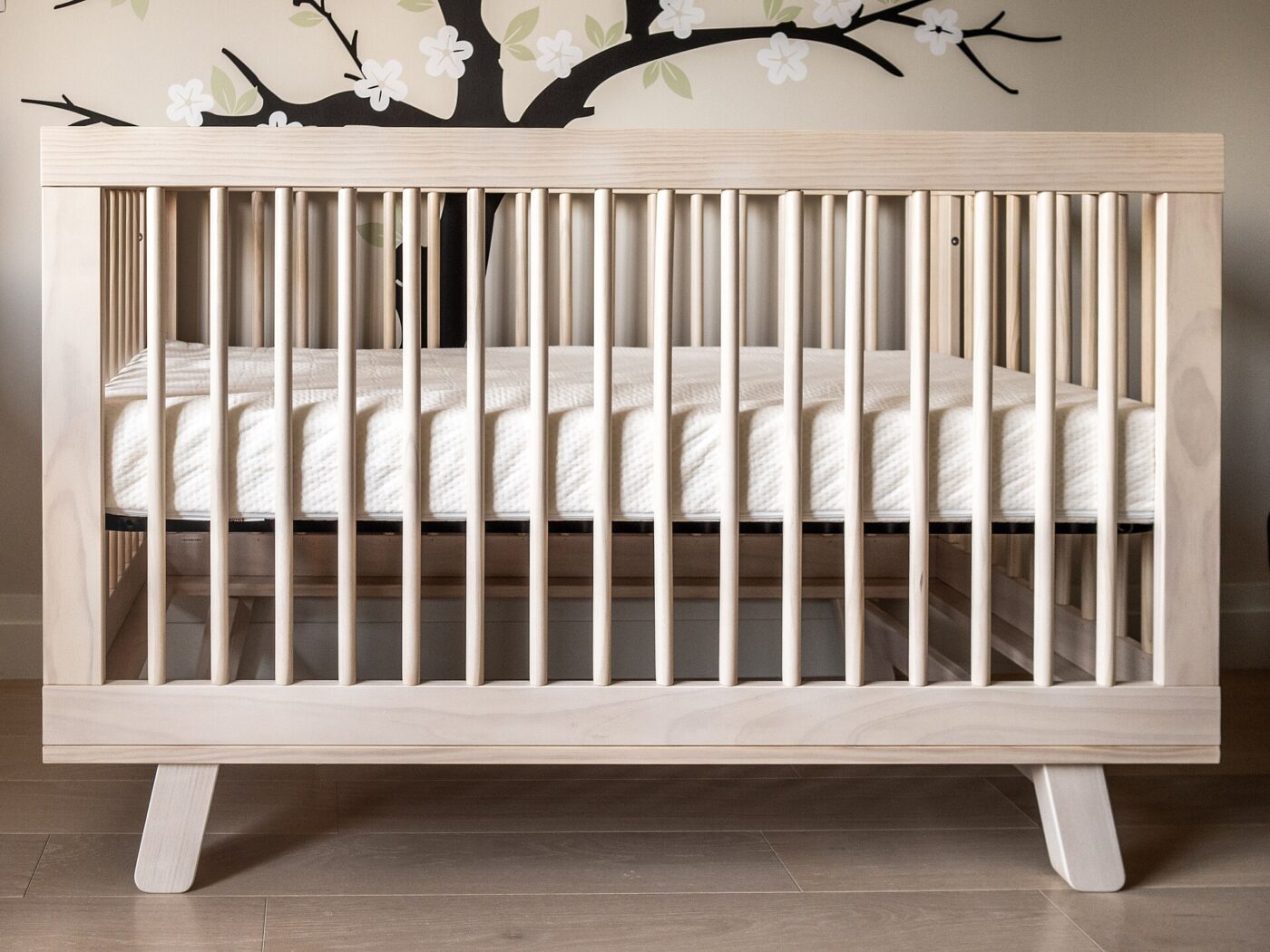
Choosing a mattress for a baby feels like choosing one for yourself, and every instinct that serves you there is wrong here.
A firm, flat surface is not a compromise on comfort. It is the specification, and it is there because a soft surface can conform around a face and because an infant cannot reliably reposition to clear an airway.
Fear Index · High risk
Adult comfort instincts point the wrong way
Soft bedding and gaps at the edge of a mattress are established risk factors in infant sleep. The instinct to make the bed cozy is the instinct to resist.
Firm is a safety specification
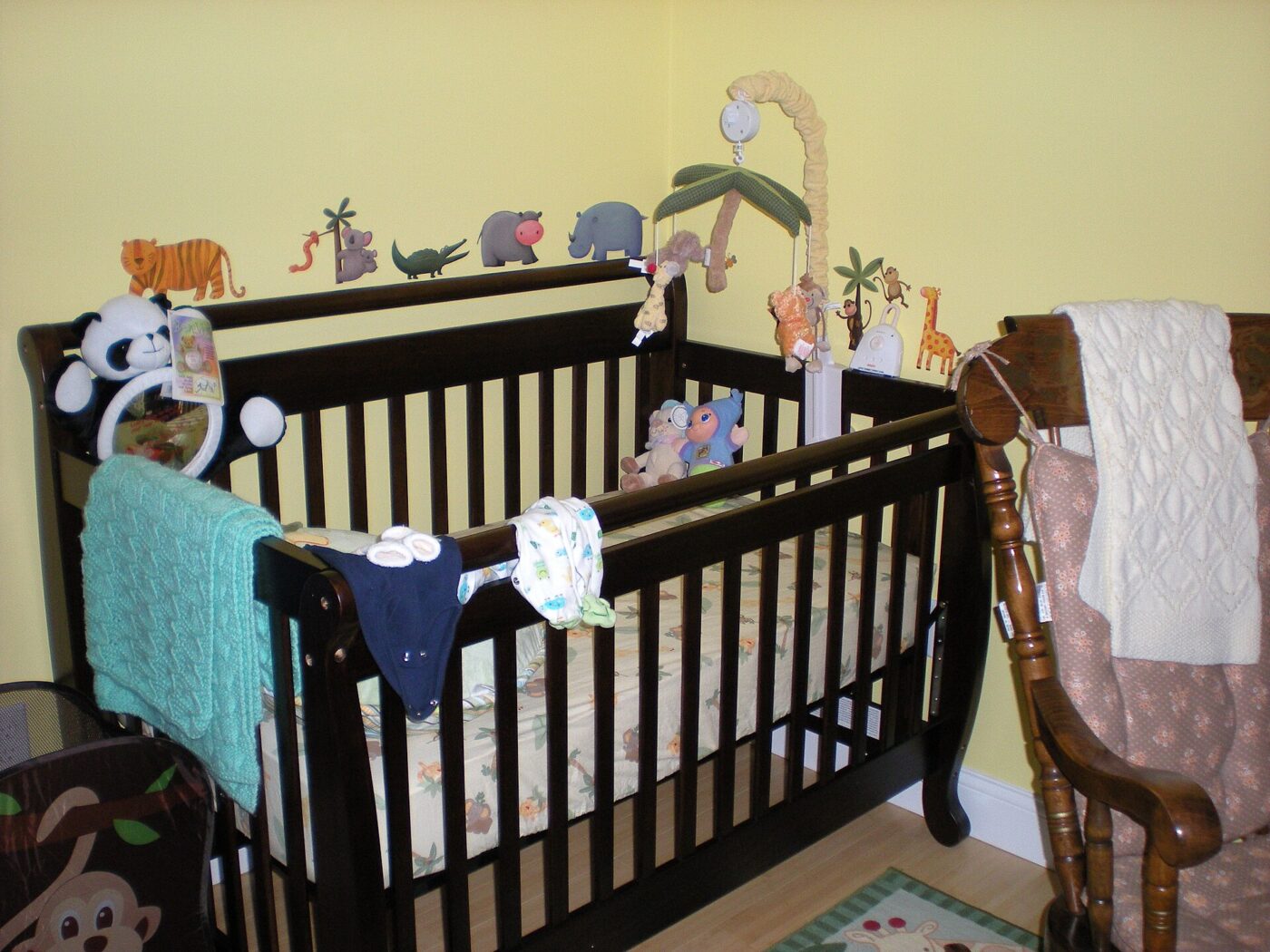
The test is straightforward: press the mattress firmly in the center. It should not retain an impression, and it should spring back immediately. A surface that holds the shape of your hand is too soft.
Foam and innerspring are both fine when the firmness is right. Density matters more than material for foam, and coil count and gauge matter more than thickness for innerspring.
Waterproofing is genuinely useful, and a firm waterproof cover is not the same thing as a soft padded topper. Toppers, mattress pads and anything described as plush have no place on an infant sleep surface.
If it feels comfortable to your hand, it is probably too soft. That is uncomfortable advice and it is what the guidance says.
Fit matters as much as firmness

A mattress that is correctly firm and slightly too small creates a gap at the edge, and a gap is a wedging and entrapment hazard.
The standard check is the two-finger test: with the mattress pushed to one side, no more than two adult fingers should fit between the mattress and the crib frame at any point.
Crib sizes are standardized in most markets, which makes this easier than it sounds — buy a mattress sold for your crib’s standard, then measure anyway.
Play yards and bedside cribs are the exception: use only the mattress that came with them, or a replacement the manufacturer specifies for that exact model. CPSC has repeatedly warned about aftermarket play-yard mattresses sold online that leave dangerous gaps, and no extra mattress or padding should ever be added.
Everything else in the crib
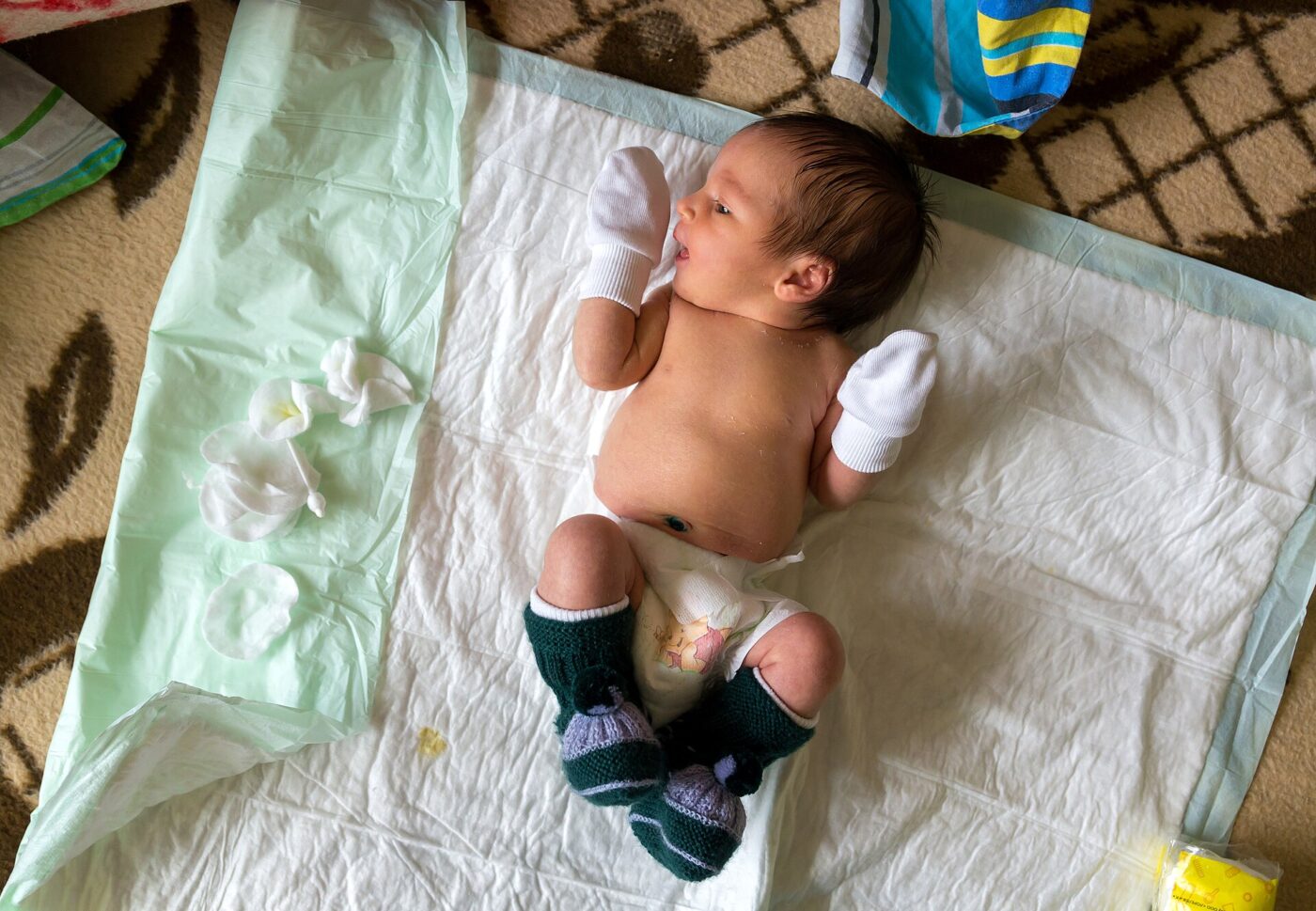
The American Academy of Pediatrics’ safe sleep guidance is unusually blunt: the crib contains a firm flat mattress, a fitted sheet, and the baby.
- No crib bumpers, including mesh ones, which add ties and a suffocation surface for no demonstrated benefit — they have been banned from sale in the US since the Safe Sleep for Babies Act took effect in 2022.
- No pillows or duvets under about 12 months. A well-fitted sleeping bag replaces loose blankets.
- No sleep positioners or wedges. These have been the subject of safety warnings rather than recommendations.
- No soft toys in the sleeping space.
- On the back, every sleep, which remains the single strongest protective factor.
The shortlist
Paid links: we earn a commission if you buy through the buttons below, at no extra cost to you. As an Amazon Associate I earn from qualifying purchases.
Compared on firmness and fit
| Product type | Best for | Risk estimate | Where to buy |
|---|---|---|---|
| Firm Crib Mattress, Standard Size | Standard cribs | 30/100 | See listings on AmazonOpens Amazon search results, not one listing: check the model on the product page. |
| Fitted Waterproof Crib Protector | Protects the mattress | 18/100 | See listings on AmazonOpens Amazon search results, not one listing: check the model on the product page. |
Risk estimate is our editorial Fear Index for the product type (lower is safer), not a customer rating. How it is scored.
Firm Crib Mattress, Standard Size
Buy new, buy firm, and check the two-finger gap the day it arrives rather than assuming standard sizing means a perfect fit.
- Firm enough not to indent under a head
- Standard sizing for a tight fit
- Waterproof layer without padding
- Feels unkindly hard to an adult hand
- Heavier than foam alternatives
Fitted Waterproof Crib Protector
Useful, on one condition: it must be a fitted sheet-style protector rather than a quilted pad. Padding defeats the firmness you paid for.
- Saves the mattress from the inevitable
- Machine washable
- Adds no softness if correctly chosen
- Some rustle audibly
- Poor-fitting ones wrinkle
More: Baby & Kids analyses and how the Fear Index is scored.
Questions people actually ask
How firm should a crib mattress be?
Firm enough that pressing the center leaves no impression and it springs straight back. If it feels comfortable to an adult hand it is probably too soft.
How big should the gap be around a crib mattress?
No more than two adult fingers between the mattress and the frame at any point, with the mattress pushed to one side. Larger gaps are an entrapment hazard.
Can you use a second-hand crib mattress?
Most safe-sleep guidance advises against it. Firmness degrades, history is unknown, and it is one of the few baby items where buying new is specifically recommended.
Are crib bumpers safe?
They are advised against, including mesh versions, and have been banned from sale in the US since 2022. They add ties and a soft surface in the sleeping space without a demonstrated benefit.