
A Soundbar Solves a Furniture Problem, Not an Audio One
A soundbar wins on placement and loses on physics. How room size, seating distance and where the bar can sit decide the answer.


Part of the guide: Tech and Audio Buying Mistakes: What Fails and How to Check Before You Buy
The honest case for a soundbar is that television speakers are terrible. They fire downwards or backwards out of a panel too thin to hold a real driver, and almost anything improves on them.
The dishonest case is that a bar competes with separate speakers on sound. It does not, and the reasons are geometric rather than a matter of engineering quality.
Fear Index · Think twice
The right answer depends on the room, not the budget
Both options are good. Spending more on the wrong one for your room produces a worse result than spending less on the right one.
What a soundbar gives up
Two things, both physical, neither fixable by processing.
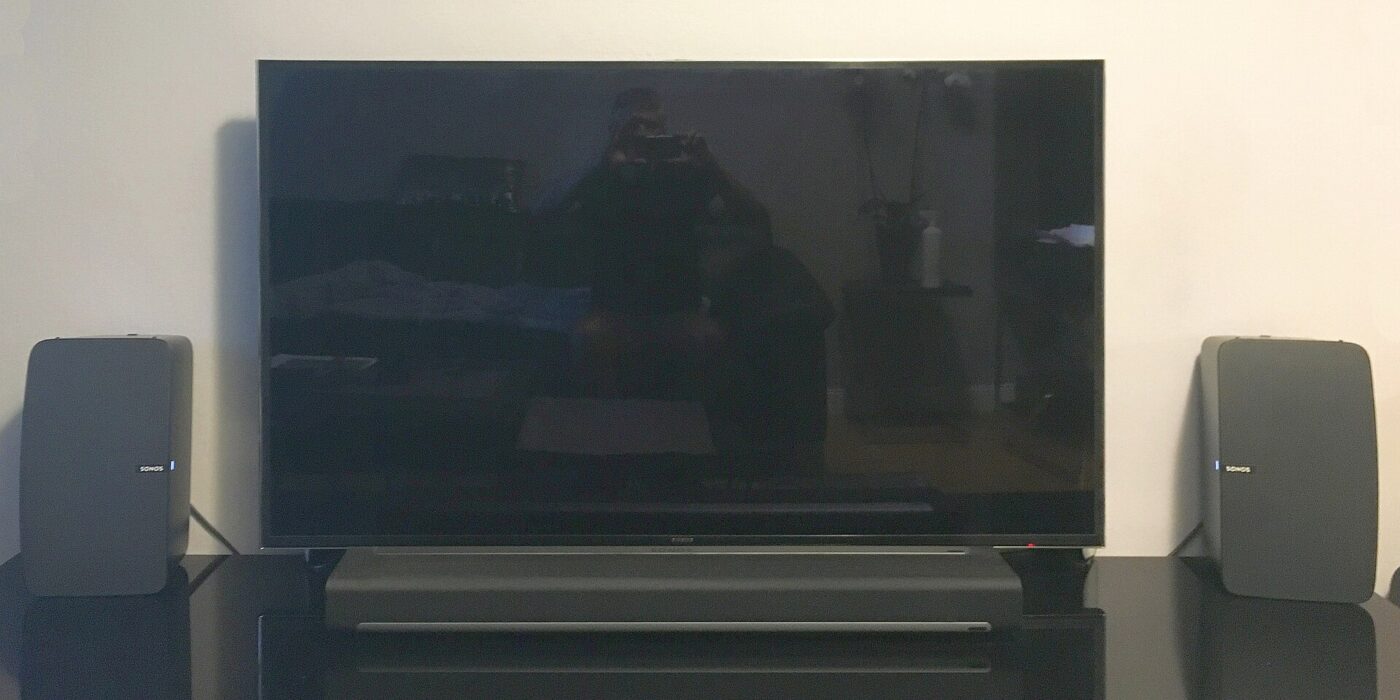
Stereo width. A stereo image is created by the difference in arrival time and level between two sources. Drivers three feet apart create a wide image; drivers 12 inches apart in one enclosed bar cannot, whatever the marketing calls it.
Bass. Low frequencies need to move air, and moving air needs cone area and cabinet volume. A slim bar has neither, which is why almost every bar worth owning ships with a separate subwoofer.
Virtual surround processing is real and it is not magic. It widens the image convincingly from one seat, in one position, and collapses as soon as you move off-axis.
The subwoofer question

A subwoofer does more than add bass. It relieves the main speakers of the frequencies they handle worst, which cleans up the midrange as well — the reason a bar with a sub sounds better on dialogue, not only on explosions.
Placement matters more than the specification. Room modes mean a sub in a corner can be boomy and the same sub two feet out can be even. The standard trick is to put the sub where you sit, play something bassy, crawl around the floor, and put it wherever it sounded best.
Which room wants which
The decision is mostly about where speakers can physically live.
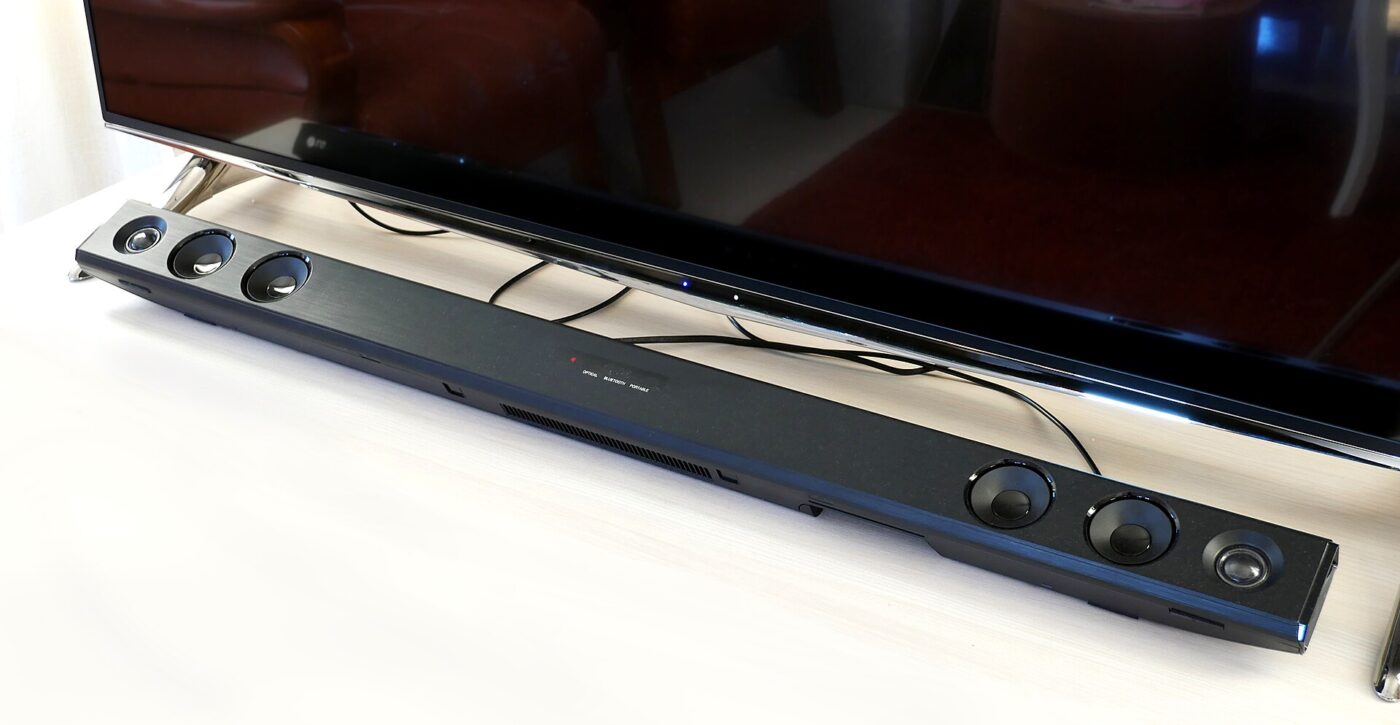
- Wall-mounted TV, no surfaces: soundbar. Separates need stands and the stands need floor.
- TV on a unit with space either side: bookshelf speakers, every time. They will comfortably beat a bar at the same money.
- Open-plan room, seating far back: separates plus a sub. A bar struggles to fill a large space.
- Apartment with close neighbors: a bar without a sub may be the considerate choice.
Connecting it to the TV
How the audio gets from the TV to the speakers matters almost as much as which speakers you buy. HDMI ARC, and its faster successor eARC, carry TV audio back down the same cable used for picture, with far lower and more consistent latency than Bluetooth — important for keeping dialogue in sync with lip movement.
A pair of powered bookshelf speakers bought for Bluetooth alone will work with a TV, but expect a small, sometimes noticeable audio delay, and no way for the TV remote to control their volume. Prefer speakers or a receiver with HDMI ARC or an optical input for TV duty, and treat Bluetooth as the way you play music from a phone rather than the way you watch a show.
The shortlist
Paid links: we earn a commission if you buy through the buttons below, at no extra cost to you. As an Amazon Associate I earn from qualifying purchases.
Compared by the room you have
| Product type | Best for | Risk estimate | Where to buy |
|---|---|---|---|
| Soundbar with Wireless Subwoofer | Wall-mounted TV, small room | 34/100 | See listings on AmazonOpens Amazon search results, not one listing: check the model on the product page. |
| Powered Bookshelf Speakers | Space for stands | 28/100 | See listings on AmazonOpens Amazon search results, not one listing: check the model on the product page. |
| Powered Subwoofer, 10 inch | Speakers or receivers with a sub output | 30/100 | See listings on AmazonOpens Amazon search results, not one listing: check the model on the product page. |
Risk estimate is our editorial Fear Index for the product type (lower is safer), not a customer rating. How it is scored.
Powered Bookshelf Speakers
If the room allows it, this beats a soundbar at the same money by a clear margin — and it is a better music system than a bar will ever be.
- Genuine stereo width
- Real cabinets and real drivers
- Doubles as a music system
- Needs surfaces or stands
- Cables to hide
Soundbar with Wireless Subwoofer
The right compromise for a wall-mounted TV in a normal living room. Prioritize a model that includes a subwoofer.
- One cable to the TV
- Sits under a wall-mounted screen
- Vastly better than TV speakers
- Limited stereo width by design
- Virtual surround only works from one seat
More: Tech & Audio analyses and how the Fear Index is scored.
Questions people actually ask
Is a soundbar better than speakers?
For sound quality at the same price, no — a bar cannot create stereo width from drivers 12 inches apart. For a wall-mounted TV with nowhere to put speakers, it is the better real-world answer.
Do I need a subwoofer with a soundbar?
Almost always. A slim bar has no cabinet volume for low frequencies, and a sub also cleans up the midrange by relieving the bar of what it handles worst.
Where should I put a subwoofer?
Put it where you sit, play something bassy, then move around the floor and listen. Put the sub where the bass sounded most even. Room modes matter more than the specification.
Does virtual surround sound actually work?
It creates a convincingly wider image from one seating position. Move off-axis and the effect collapses, because it depends on how reflections reach a particular spot.
Should I connect speakers to my TV with Bluetooth or HDMI?
HDMI ARC or eARC when the TV supports it. Both carry TV audio with lower, more consistent latency than Bluetooth, which can drift out of sync with dialogue, and ARC lets the TV remote control the speakers’ volume.