
A Video Doorbell Without a Subscription Often Shows Live Video and Saves Nothing
Without a paid plan, many video doorbells show live video and send alerts but keep no recordings. How to price cloud fees against local storage before buying.

Part of the guide: Tech and Audio Buying Mistakes: What Fails and How to Check Before You Buy
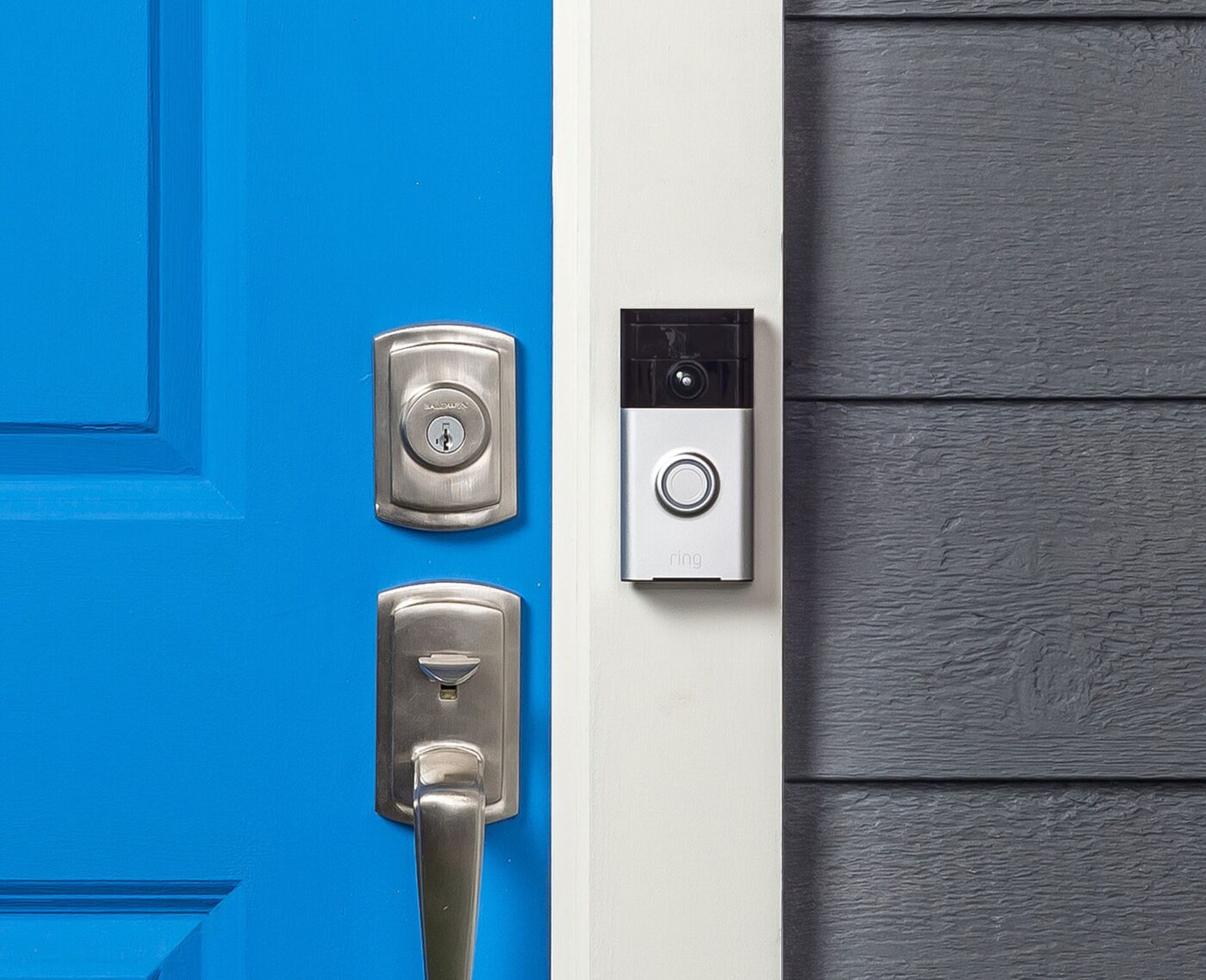
A video doorbell is priced like a gadget and sold like a service. The box shows the hardware price; the recurring part appears in the app, often after the doorbell is already screwed to the door frame.
Without that plan, many doorbells still ring your phone and let you talk to whoever is outside. What they often do not do is keep a copy of anything, which is the part most people bought a camera for.
Fear Index · Think twice
Recording features sold separately
Buyers find out after installation that the doorbell answers the door but keeps no record unless a monthly plan is added, and that the plan outlasts the hardware price.
What stops working without a plan
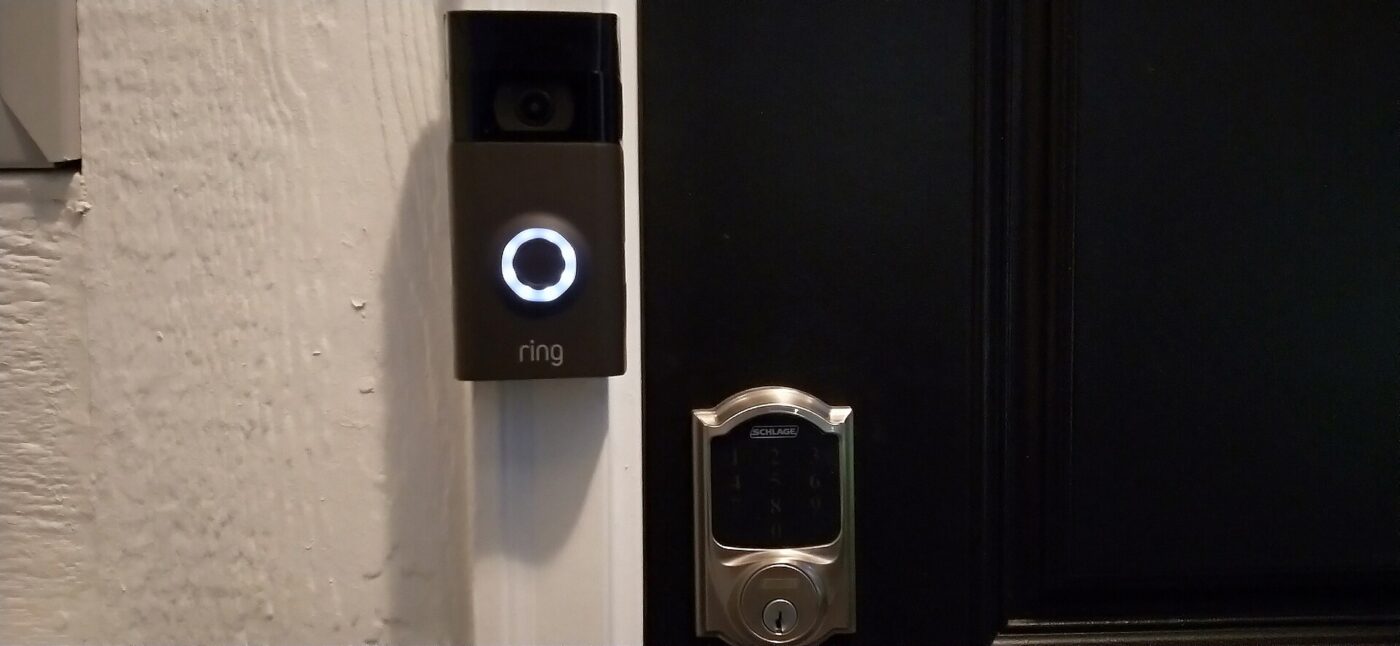
The split is clearest in Ring’s own support documentation: events are only recorded after you subscribe, and without a subscription you can view live video and respond to alerts as they happen. The doorbell works as an intercom with a camera. If you miss the notification, there is nothing to go back and watch.
Other makers draw the line differently. Google’s plan comparison shows its current Nest cameras and doorbells keeping a short rolling window of event clips or snapshots for free, measured in hours rather than days. Paid tiers extend event history to weeks, add familiar face and package detection, and add continuous 24/7 recording, which Google limits to wired devices.
The practical difference is between answering the door and documenting it. A free tier handles the courier who rings while you are home. It does little for the parcel taken at two in the afternoon while your phone was face down in a meeting.
| Feature | Usually free | Usually on a paid plan |
|---|---|---|
| Live view and two-way talk | Yes | Included |
| Doorbell press and motion alerts | Yes | Smarter alert types added |
| Recorded event clips | None, or a few hours of history | Weeks of history |
| Familiar face and package detection | Rarely | Common on mid and upper tiers |
| Continuous 24/7 recording | No | Higher tiers, wired devices |
Price the plan over the life of the doorbell
Hardware is a one-time cost; the plan is not. The honest comparison multiplies the monthly fee by twelve and then by the number of years the doorbell will stay on the door, which for a wired unit is often several. A hypothetical four-dollar plan is 240 dollars over five years, more than many doorbells cost to buy.
Plan structure matters as much as price. Some plans are billed per device and others cover every camera at one address, so a single doorbell and a doorbell plus three cameras can point to different plans. Companies also restructure tiers and move features between them, so check the current plan page on the day you buy and assume the fee can rise.
A useful test is whether the doorbell would still be worth owning at the free level. If the answer is no, the plan is part of the purchase price and belongs in the comparison with every other model on the shelf.
Decide whether you need recordings at all. If you do, add the plan cost for the years you expect to own the doorbell before comparing hardware prices.
Local storage and its tradeoffs

The alternative to a cloud plan is a doorbell that records locally, either to a microSD card inside the unit or to a base station, hub or recorder inside the house. There is no monthly fee and the footage stays on your premises.
Local storage has weak points of its own. A card inside the doorbell can leave with the doorbell if someone pries it off the wall. Cards that are written to constantly wear out, and a failed card records nothing without announcing it. Smart detection may be simpler than on cloud tiers, and remote viewing can still rely on the maker’s servers.
Internet outages cut the other way. Ring notes that its devices require an active internet connection to function, so a cloud-only doorbell captures nothing while the router is down. A doorbell recording to local storage can keep capturing events through an outage, provided it has power and its storage is working.
- Cloud plan keeps off-site copies and the longest history, but costs monthly and needs internet.
- microSD card in the doorbell has no fee, but the card can be stolen with the unit and wears out.
- Indoor base station or hub keeps footage inside the house, at the cost of extra hardware.
- Network video recorder suits multi-camera setups with continuous recording, with more setup work.
- Live view only is the cheapest option and leaves no record of anything you miss.
Questions to ask before buying
Read the maker’s plan comparison page rather than the box. Packaging lists what the hardware can do, such as person detection or high-resolution video, and some of those capabilities only switch on with a subscription.
Ask five things: what is recorded without a plan, how long it is kept, whether local storage is supported, which alerts and detection features are gated, and whether the plan is per device or per home. Check power as well. Battery doorbells record short motion-triggered events to save charge, and continuous recording generally requires wired power.
Finally, check what happens to existing recordings if you cancel. Cloud clips usually live on the provider’s servers, so they can disappear with the plan, while local footage stays until you delete it or the storage fills.
A doorbell that meets your needs on its free tier, or on local storage you control, cannot become more expensive after you install it.
The shortlist
Paid links: we earn a commission if you buy through the buttons below, at no extra cost to you. As an Amazon Associate I earn from qualifying purchases.
Compared on ongoing cost
| Product type | Best for | Risk estimate | Where to buy |
|---|---|---|---|
| Battery Video Doorbell with microSD Recording | No-fee recording on a card | 36/100 | See listings on Amazon |
| Wired Video Doorbell | Plan-based cloud recording | 45/100 | See listings on Amazon |
| Video Doorbell with Indoor Base Station | Footage kept indoors | 26/100 | See listings on Amazon |
Risk estimate is our editorial Fear Index for the product type (lower is safer), not a customer rating. How it is scored. The buttons open Amazon search results rather than one listing, so check the model on the product page.
Video Doorbell with Indoor Base Station
The option that cannot grow a monthly bill. Confirm remote viewing works the way you expect before buying.
- Recordings without a subscription
- Footage stored inside the house
- Keeps recording through internet outages
- Extra hardware to place and power
- Smart detection may be simpler
Wired Video Doorbell
A good choice if you accept the plan. Add its cost for several years before comparing prices.
- Constant power for longer clips
- Continuous recording on some plans
- Recording depends on a subscription
- Needs existing doorbell wiring
More: Smart Home & Security analyses and how the Fear Index is scored.
Questions people actually ask
Do video doorbells work without a subscription?
Usually yes for live view, two-way talk and basic alerts. Recorded clips, longer history and smarter detection are commonly subscription features, and some doorbells keep no recordings at all without a plan.
What happens to doorbell recordings if the Wi-Fi goes down?
A cloud-only doorbell cannot upload, so it records nothing during the outage. A model with local storage can keep recording if it still has power and working storage.
Is local storage better than cloud storage for a doorbell?
It avoids monthly fees and internet dependence, but a card inside the doorbell can be stolen with it and can wear out. An indoor base station avoids most of that.
Can a battery video doorbell record 24/7?
Generally not. Battery models record short motion-triggered events to save power, and makers typically reserve continuous recording for wired devices.