
Instant Film Is the Real Cost, and Polaroid’s Classic Formats Run About Double Instax Mini Per Shot
Instax Mini film runs about $1.20 a photo; Polaroid runs $1.37 to $2.62, checked at each maker’s US site. Cost, sizes and film care compared.

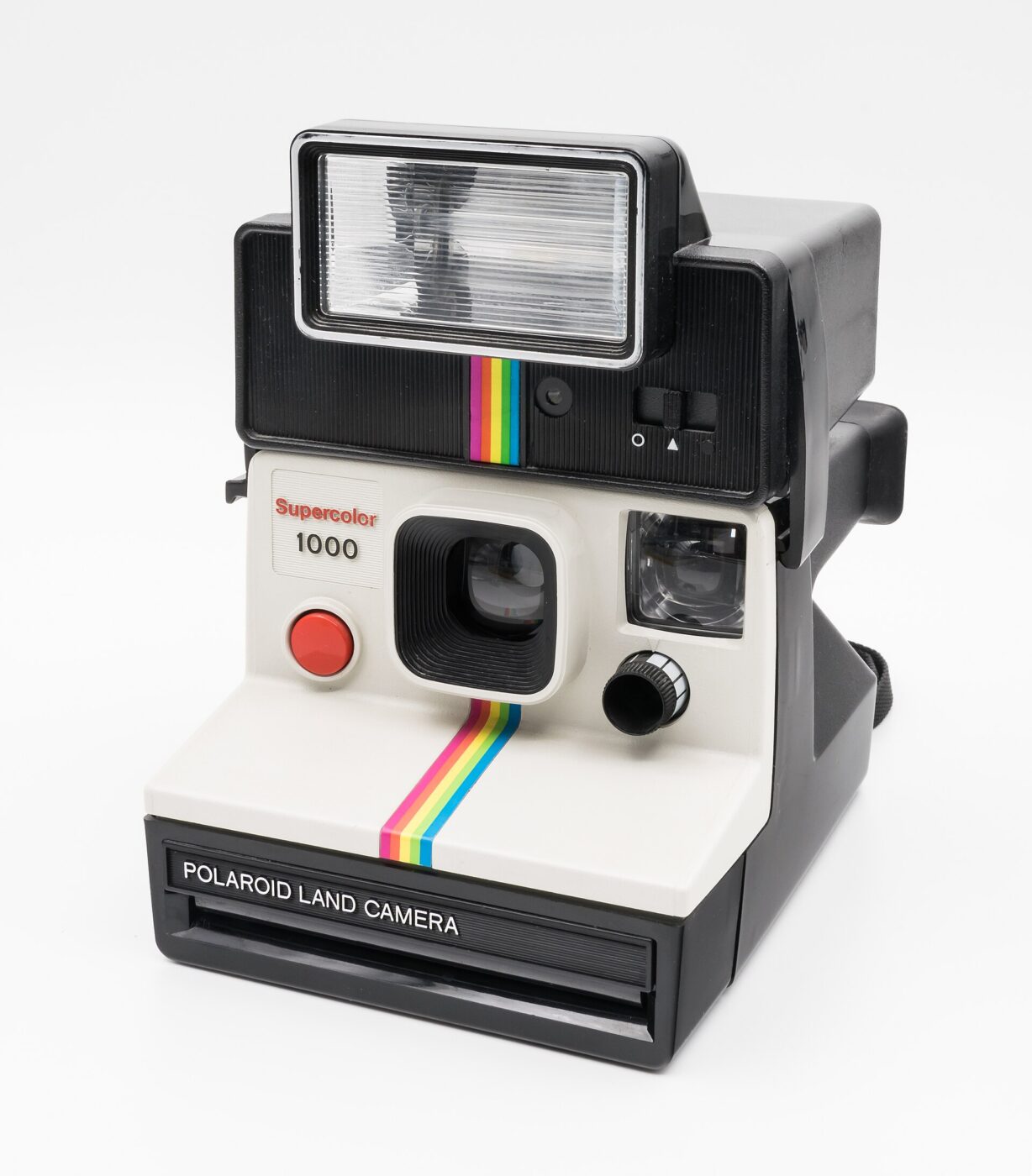
Part of the guide: Tech and Audio Buying Mistakes: What Fails and How to Check Before You Buy
An instant camera is a one-time purchase. The film is not: every format needs its own cartridges, and the price per photo varies more between Fujifilm’s Instax line and Polaroid’s than the similar-looking cameras suggest.
Checked at each maker’s own US site on September 21, 2026, Instax Mini film runs about $1.20 a photo, the cheapest of the formats compared here. Polaroid’s cheapest format, Go, runs $1.37; its i-Type and 600 film run $2.37 and $2.62 at single-pack prices. Over 200 photos, that gap is real money, and it repeats with every refill.
Fear Index · Think twice
A cheap camera with an expensive habit
The camera is a one-time cost. The film keeps being bought, and the gap between formats, $1.20 to $2.62 a photo as checked on September 21, 2026, adds up fast for anyone who shoots often.
The film is the product: cost per shot
Prices below were checked on September 21, 2026, at Fujifilm’s US instax site (instaxus.com), which lists a manufacturer’s suggested retail price and links out to retailers, and at Polaroid’s own US store (polaroid.com), using the plain white-border film for each format, not a decorative or limited edition. Retail prices change, so treat these as a dated snapshot.
Instax Mini film lists at $23.99 for 20 exposures, about $1.20 a photo. Instax Square lists at $29.99 for 20, about $1.50 a photo, and Instax Wide at $35.99 for 20, about $1.80 a photo. Fujifilm describes Wide as using the same film technology as Mini at twice the width.
Polaroid Go, the smallest format, runs $21.99 for 16 exposures, about $1.37 a photo. Standard i-Type film lists at $18.99 for an 8-exposure pack, about $2.37 a photo; the three-pack, listed at $56.97, was on sale for $52.99 when checked, about $2.21 a photo. 600 film, the format with a battery built into every pack, runs $20.99 for a single 8-exposure pack, about $2.62 a photo.
| Format | Price checked | Exposures | Cost per photo |
|---|---|---|---|
| Instax Mini | $23.99 | 20 | $1.20 |
| Instax Square | $29.99 | 20 | $1.50 |
| Instax Wide | $35.99 | 20 | $1.80 |
| Polaroid Go | $21.99 | 16 | $1.37 |
| Polaroid i-Type | $18.99 | 8 | $2.37 |
| Polaroid 600 | $20.99 | 8 | $2.62 |
Over 200 photos, Instax Mini costs about $240 in film. The same 200 photos run about $475 on Polaroid i-Type at the single-pack price and about $525 on Polaroid 600, roughly double to more than double.
Print sizes and formats
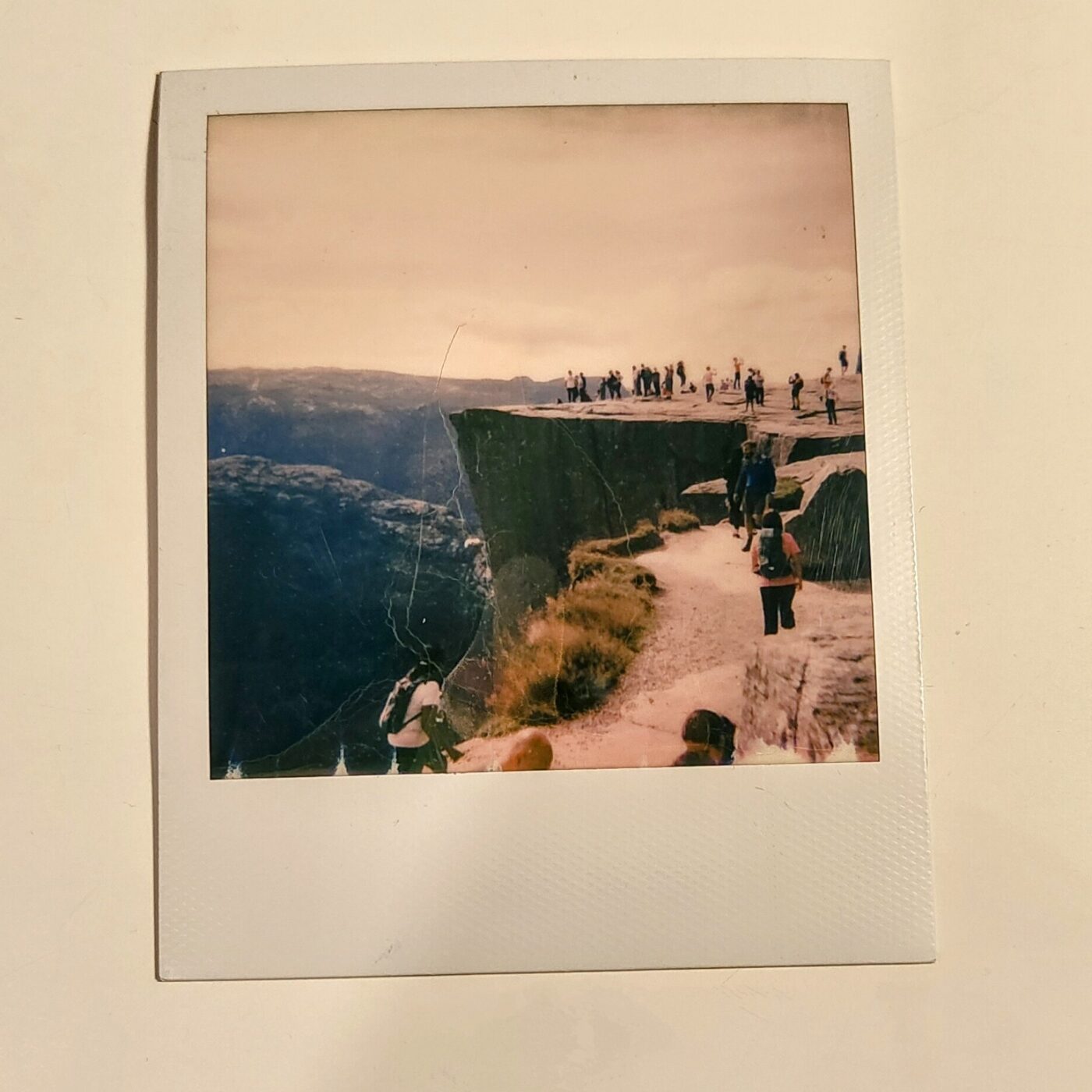
Instax Mini prints a credit-card-sized 3.4 by 2.1-inch card (86 by 54mm) with a 2.4 by 1.8-inch image (62 by 46mm), sized for a wallet, a scrapbook page or a small frame. Instax Square prints a 2.4-inch square image (62 by 62mm), closer to a classic instant-photo look. Instax Wide is twice as wide as Mini, per Fujifilm, with a 62 by 99mm image better suited to group shots and landscapes.
Polaroid’s i-Type and 600 formats share one print size, a 3.1 by 3.0-inch image inside the familiar 4.2 by 3.5-inch white-bordered frame, the shape most people picture when they hear the word Polaroid. Go prints a much smaller, roughly square image (47 by 46mm) in its own compact frame.
The two brands are not interchangeable at the film level, and neither are all formats within a brand: each Instax film fits only its own format’s cameras and printers, Polaroid Go film fits only the Go camera, i-Type film does not work in vintage Polaroid cameras, and 600 film works in both vintage 600 cameras and current i-Type models. Picking a format means picking a print size and a camera line at the same time.
Development time and temperature

Instax film develops in about 90 seconds, and Fujifilm lists a working temperature range of 41 to 104 degrees Fahrenheit (5 to 40 Celsius) for the film.
Polaroid film develops far more slowly. Polaroid’s own product pages list a development time of 10 to 15 minutes for both i-Type and 600 film, next to a film speed rating of ASA 640 for each. That gap, repeated every shot, changes how a Polaroid session feels compared with an Instax one, even before cost enters the picture.
Polaroid’s film product pages list development time and film speed but no working temperature range, so check the maker’s own guidance before shooting outdoors in winter or high summer, rather than assuming Polaroid film tolerates the same range Fujifilm lists for Instax.
What the film pack includes
The film pack itself differs by more than exposure count. Polaroid’s 600 film pack contains a battery that powers the camera and its flash for that pack’s photos, a design that goes back to the original 600-series cameras, which had no battery of their own.
Polaroid’s i-Type film is battery-free, so i-Type cameras, including the current Polaroid Now line, power themselves. The per-photo prices checked here are close between the two formats: $2.37 for i-Type and $2.62 for 600 at single-pack prices.
Fujifilm’s Instax film pages list no battery in any of the three packs, so Instax cameras, like i-Type models, carry their own power. A shopper comparing 600 film with any other format here is comparing the one film that brings its own battery with five that do not.
Storage, expiration and which camera fits whom
Unused instant film does not keep forever, so check the date printed on the box before buying and again before a big event. Film bought early and left in a warm car or on a sunny windowsill for weeks is an easy way to lose a pack before it is ever loaded.
Instax Mini is the practical default for a teenager, a party favor or a guest book at an event where dozens of photos are likely: it is the cheapest format checked here per photo. Instax Square suits someone who wants the square look without the per-photo price of Polaroid’s classic formats or their wait.
Polaroid suits a smaller number of photos taken more deliberately, where the wait and the frame are part of the appeal, such as a wedding guest book with a fixed number of guests or an artist working toward gallery-style prints. Go is the cheaper way into that look; i-Type and 600 cost more per shot but match the print size most people associate with the brand.
Buy film close to when it will be used, and store spare packs somewhere cool and dark rather than in a bag or a glovebox, for either brand.
The shortlist
Paid links: we earn a commission if you buy through the buttons below, at no extra cost to you. As an Amazon Associate I earn from qualifying purchases.
Compared on cost, size and speed
| Product type | Best for | Risk estimate | Where to buy |
|---|---|---|---|
| Instax Mini Instant Camera | Cheapest format to run | 12/100 | See listings on Amazon |
| Polaroid i-Type Instant Camera | The classic instant-photo look | 15/100 | See listings on Amazon |
| Instax Mini Film (60-Pack) | Stocking up on Instax Mini | 10/100 | See listings on Amazon |
Risk estimate is our editorial Fear Index for the product type (lower is safer), not a customer rating. How it is scored. The buttons open Amazon search results rather than one listing, so check the model on the product page.
Instax Mini Instant Camera
At Fujifilm’s list price, Instax Mini film has the lowest cost per photo of the six formats compared here, which matters more than the camera price for anyone shooting often.
- Lowest cost per photo checked here
- Develops in about 90 seconds
- Film also fits Instax mini printers
- Smallest image of the three Instax formats
- Film fits only Instax mini devices
Polaroid i-Type Instant Camera
Costs more per shot and takes longer to develop, but it prints the size most people picture when they hear the word Polaroid.
- Camera powers itself; film is battery-free
- Prints the classic Polaroid size
- Works with i-Type and 600 film
- About double the cost per photo of Instax Mini
- 10 to 15 minute development time
Questions people actually ask
Is Instax or Polaroid film cheaper per photo?
Instax Mini is the cheapest checked here, about $1.20 a photo as of September 21, 2026. Polaroid runs from about $1.37 a photo (Go) to $2.62 (600); its classic i-Type and 600 formats cost about double Instax Mini.
How long does Polaroid film take to develop compared with Instax?
Polaroid’s own product pages list 10 to 15 minutes for i-Type and 600 film. Instax develops in about 90 seconds.
Does Polaroid film need a battery?
Only the 600 format; each 600 film pack contains a battery that powers the camera and flash, which is how vintage 600 cameras run. Polaroid lists i-Type and Go film as battery-free, and Fujifilm lists no battery in Instax film packs.
What size are Instax Mini, Square and Wide prints?
Mini prints a 2.4 by 1.8-inch image on a 3.4 by 2.1-inch card, Square prints a roughly 2.4-inch square image, and Wide is twice as wide as Mini, sized for group shots and landscapes.