
A Label Maker Costs Little. The Tape Cassettes Are the Product.
Label makers are cheap and tape cassettes are not. Laminated, thermal and compatible tapes compared on cost per foot and durability.

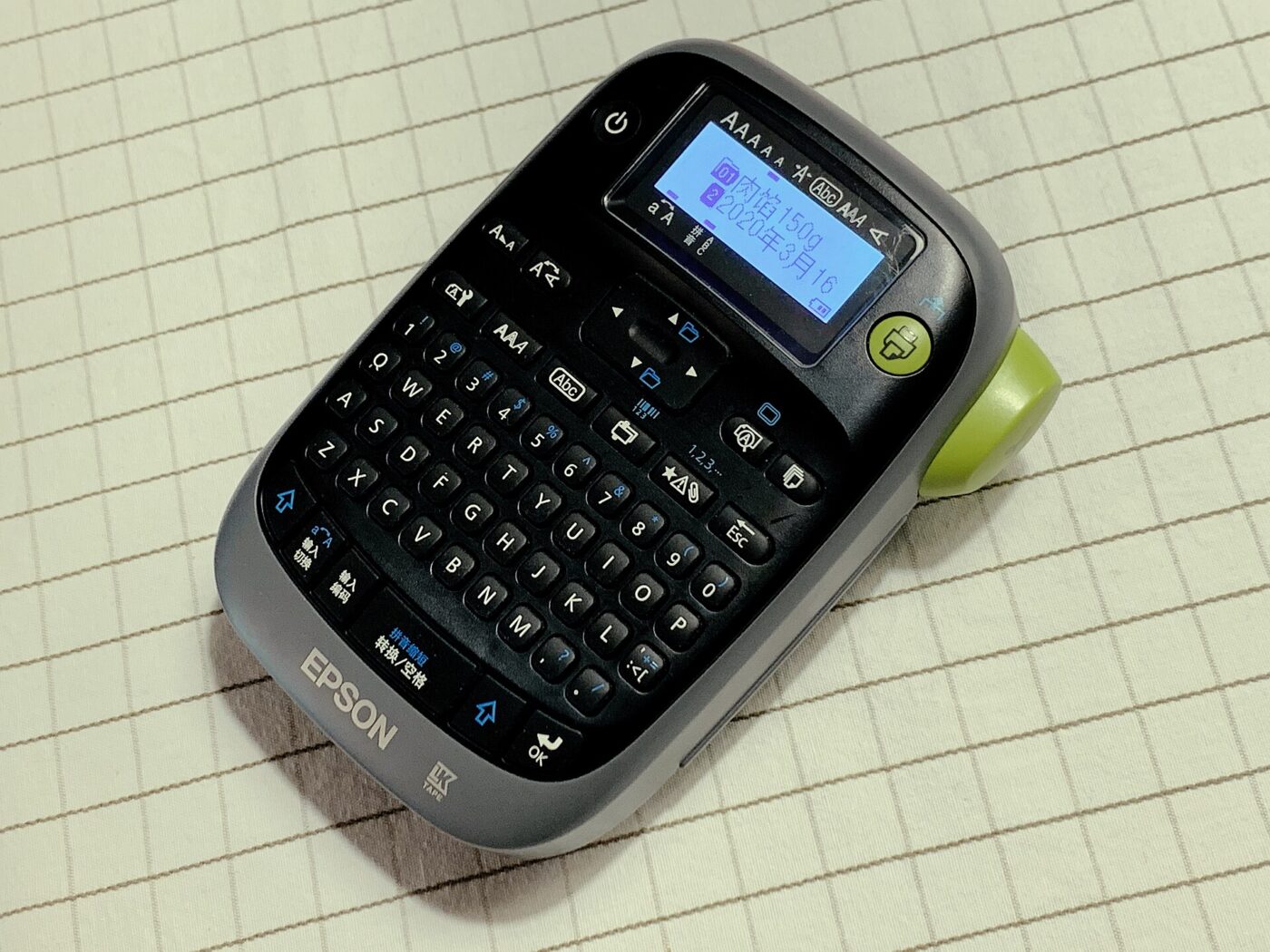
A label maker is inexpensive and satisfying. Within months the cassettes have cost more than the machine.
That is the same subsidy model as inkjet printers, and it is worth working out before choosing a brand.
Fear Index · Think twice
The printer model, applied to labels
The recurring cost is never on the box, and some devices reject non-branded cassettes.
Cost per foot is the number
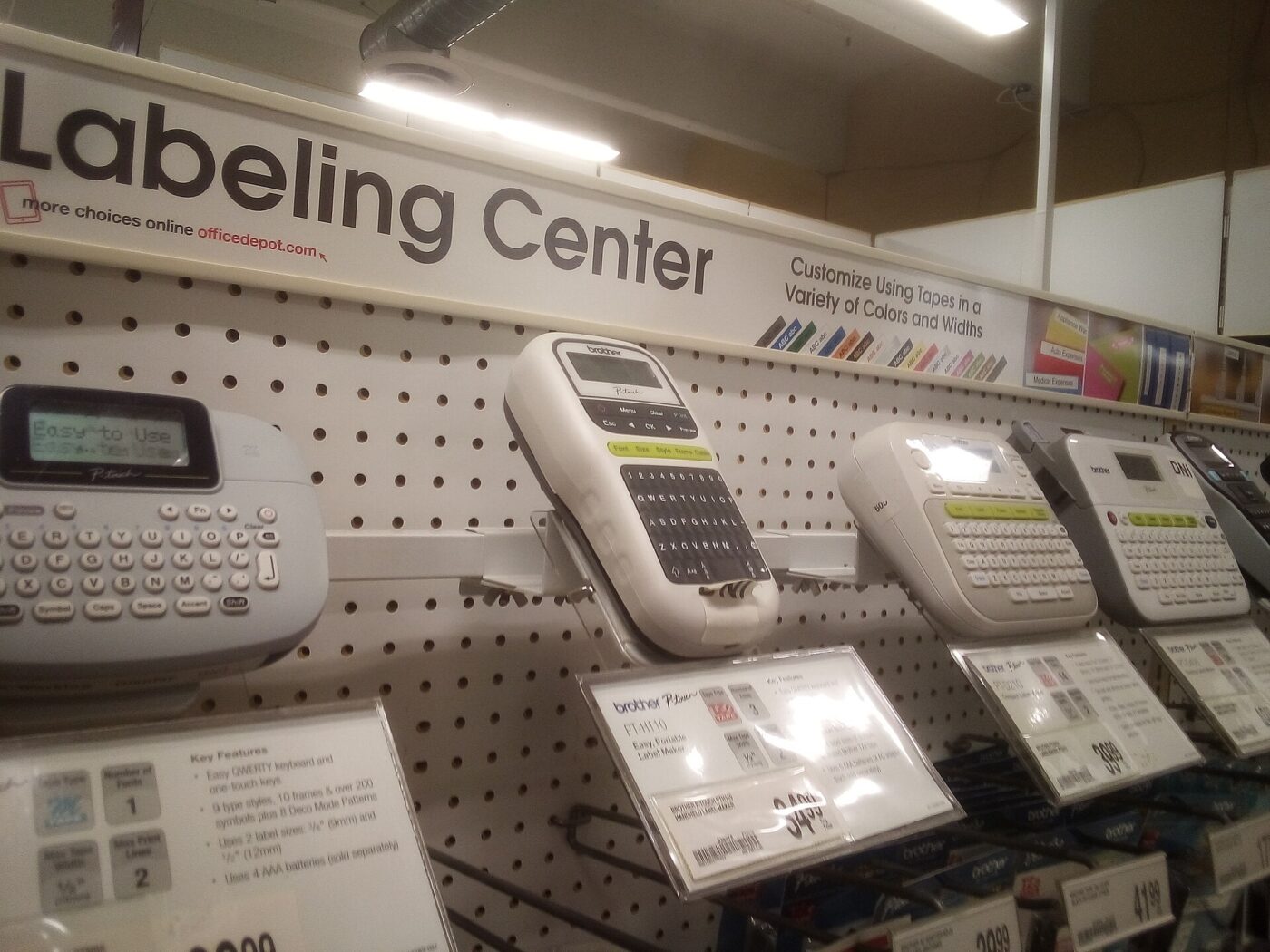
Cassettes vary in length, so the pack price misleads. Divide price by feet of tape.
Laminated tape — print sealed under a clear layer — survives kitchens, bathrooms, freezers and garages and lasts for years. Cheaper non-laminated tape scuffs and fades.
- Wide tape costs more per foot — use it only where it earns its place.
- Leading waste: many machines feed a length of blank tape before each label. Chain printing several labels saves it.
- Specialty tapes such as flexible cable wrap, iron-on and strong adhesive cost more and solve specific problems.
- Compatible cassettes can cut costs substantially where the machine accepts them.
Search the cassette price for any machine you are considering. It is the purchase you will repeat, and it varies a great deal between systems.
Thermal label printers change the math

Direct thermal label printers heat special paper to create an image — no ink, no ribbon. Rolls are cheap per label, and they suit shipping labels and high volume.
The trade is permanence. Direct thermal labels darken in heat and fade in sunlight, and they are not suited to long-term outdoor or freezer use. For storage boxes and pantry jars that need to last years, laminated tape is better.
Choosing by what you label
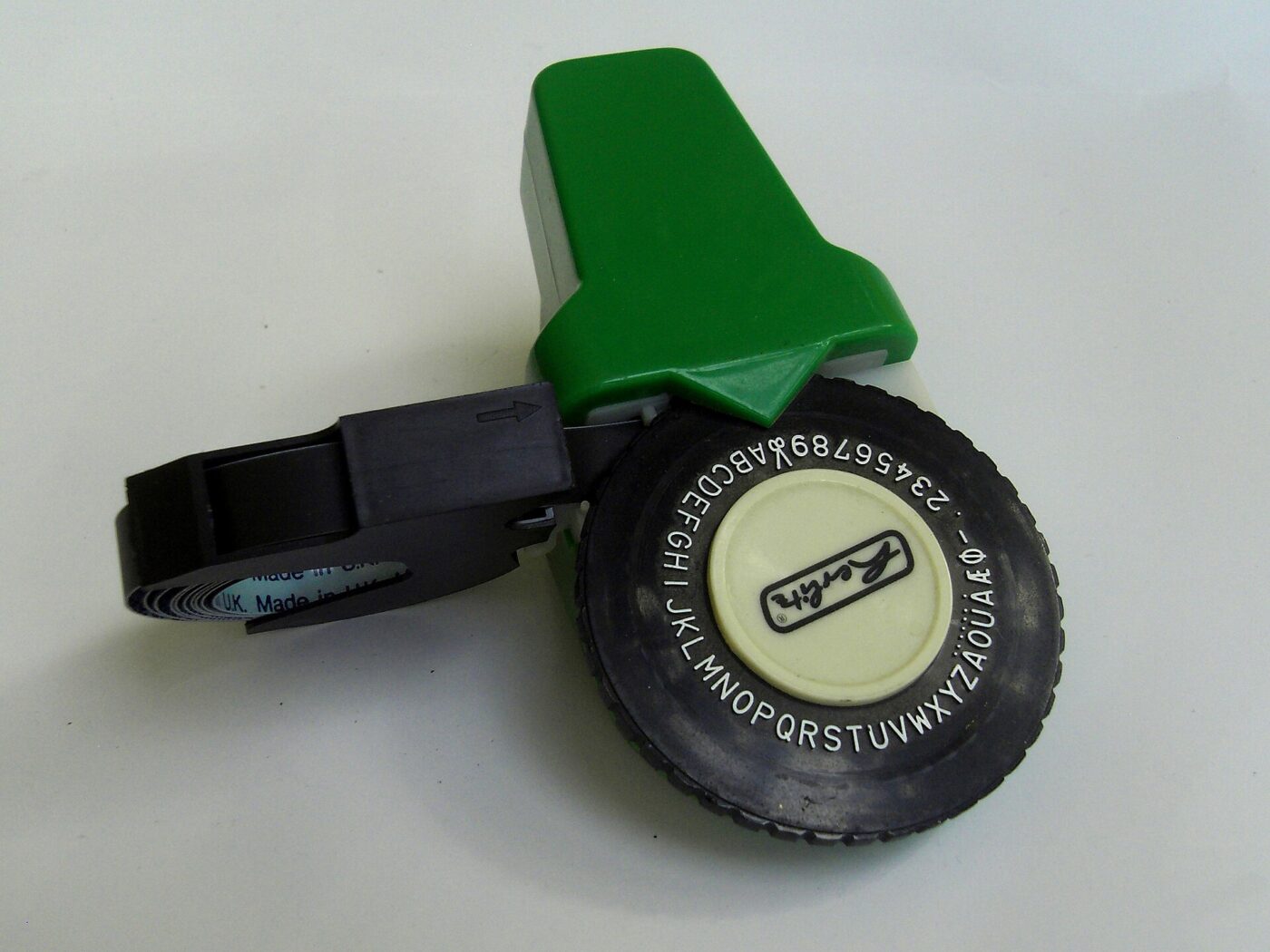
Keyboard label makers are quick for a few labels. App-controlled ones make font choice and layouts easier and are more convenient for batches.
For cable labeling, flexible tape wraps and stays put. For shipping, thermal wins. For a home organization project, a laminated-tape machine with compatible cassettes usually gives the best balance.
What lamination actually protects against
Lamination works by sealing the printed layer under a clear plastic film, which is why laminated labels shrug off water, grease and repeated handling that would smear ink or thermal print laid straight onto paper.
Pouch and cassette thickness is measured in microns. A thicker laminate resists creasing and tearing better but makes a bulkier, stiffer label, which matters on curved or small surfaces like cable ends or spice jars.
None of that helps if the adhesive underneath is weak. Cheap tape often peels at a seam or a humid cabinet edge long before the laminate itself fails, so an unusually low price on a compatible cassette is as often an adhesive shortcut as a lamination one.
When a label needs to survive years rather than months — freezer inventory, breaker panels, outdoor bins — laminated tape from a set with good adhesive reviews beats a cheaper non-laminated print every time.
When a label maker is not the right tool
For a handful of one-off labels — a single moving box, a gift tag — a permanent marker or a sheet of printable stickers is cheaper than buying a machine and its first cassette. The math only favors a label maker once you are relabeling something regularly.
Voice or barcode inventory systems replace label makers entirely in some small businesses, since the label is generated and printed centrally rather than one at a time by hand. That is a different cost structure — printer and software licensing rather than per-cassette tape — worth comparing before buying a consumer label maker for business use.
Count how many labels you will actually print in a year before pricing cassettes; the device pays for itself only past a certain volume, and below it a marker is the better buy.
The shortlist
Paid links: we earn a commission if you buy through the buttons below, at no extra cost to you. As an Amazon Associate I earn from qualifying purchases.
Compared on running cost
| Product type | Best for | Risk estimate | Where to buy |
|---|---|---|---|
| Laminated Tape Label Maker | Durable labels | 30/100 | See listings on AmazonOpens Amazon search results, not one listing: check the model on the product page. |
| Thermal Label Printer | High volume shipping | 36/100 | See listings on AmazonOpens Amazon search results, not one listing: check the model on the product page. |
| Compatible Laminated Label Tape | Lowest cost tape | 32/100 | See listings on AmazonOpens Amazon search results, not one listing: check the model on the product page. |
Risk estimate is our editorial Fear Index for the product type (lower is safer), not a customer rating. How it is scored.
Laminated Tape Label Maker
The right choice for labels that must last. Chain-print to cut the blank lead waste.
- Laminated labels survive water and heat
- Compact and quick
- Wide choice of tape colors
- Cassettes are the ongoing cost
- Leading tape waste per label
Compatible Laminated Label Tape
Check your model’s compatibility first. Where it works, it changes the long-run cost considerably.
- Often much cheaper per foot
- Same widths and colors
- Laminated options available
- Quality varies by supplier
- Some machines reject them
More: Office and Study analyses and how the Fear Index is scored.
Questions people actually ask
Are label makers expensive to run?
The machines are cheap and the tape cassettes are where the cost accumulates. Divide cassette price by length to compare systems.
What is laminated label tape?
Tape where the printed text is sealed under a clear protective layer, making it resistant to water, heat, abrasion and fading.
Do thermal labels fade?
Direct thermal labels darken with heat and fade in sunlight over time. They suit shipping labels, not long-term storage or outdoor labeling.
Can you use non-brand label tape?
Often yes, and it can be much cheaper, but some machines detect and reject non-branded cassettes. Check compatibility for your model.