
A Sub-250-Gram Drone Skips FAA Registration, Not the Rules That Come With Flying It
FAA registration and Remote ID both begin at 250 grams, TRUST is required for every recreational pilot, and the FCC now blocks some new drone models.

Part of the guide: Tech and Audio Buying Mistakes: What Fails and How to Check Before You Buy
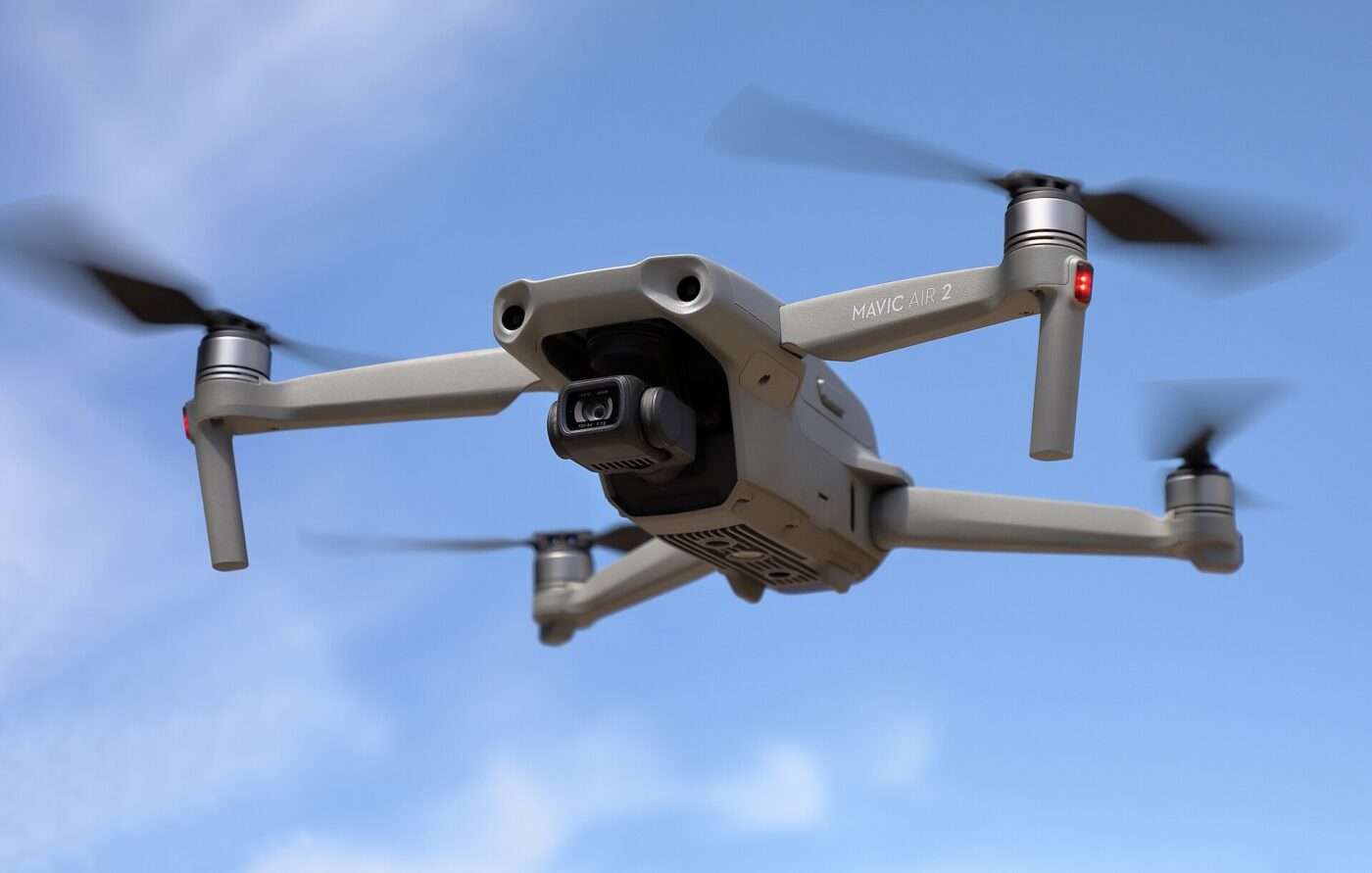
A drone under 250 grams, about 8.8 ounces, does not need to be registered with the FAA, and that single number has become the whole pitch for a class of small camera drones sold as gift-friendly and hassle-free. It is true as far as it goes.
Registration is only one FAA requirement among several, and it is the only one tied directly to weight; Remote ID follows from it. TRUST, airspace rules and altitude limits apply to a drone of any size the moment it leaves the ground, and a heavier spare battery bought later can push a drone that shipped under 250 grams over the line.
Fear Index · Think twice
Three rules, one weight number, and it is not the one that matters most
Registration and Remote ID both key off 250 grams, but TRUST applies to every recreational pilot regardless of weight, and the FAA says a drone flown for any commercial or Part 107 purpose must be registered no matter how light it is.
TRUST, registration and Remote ID on one page
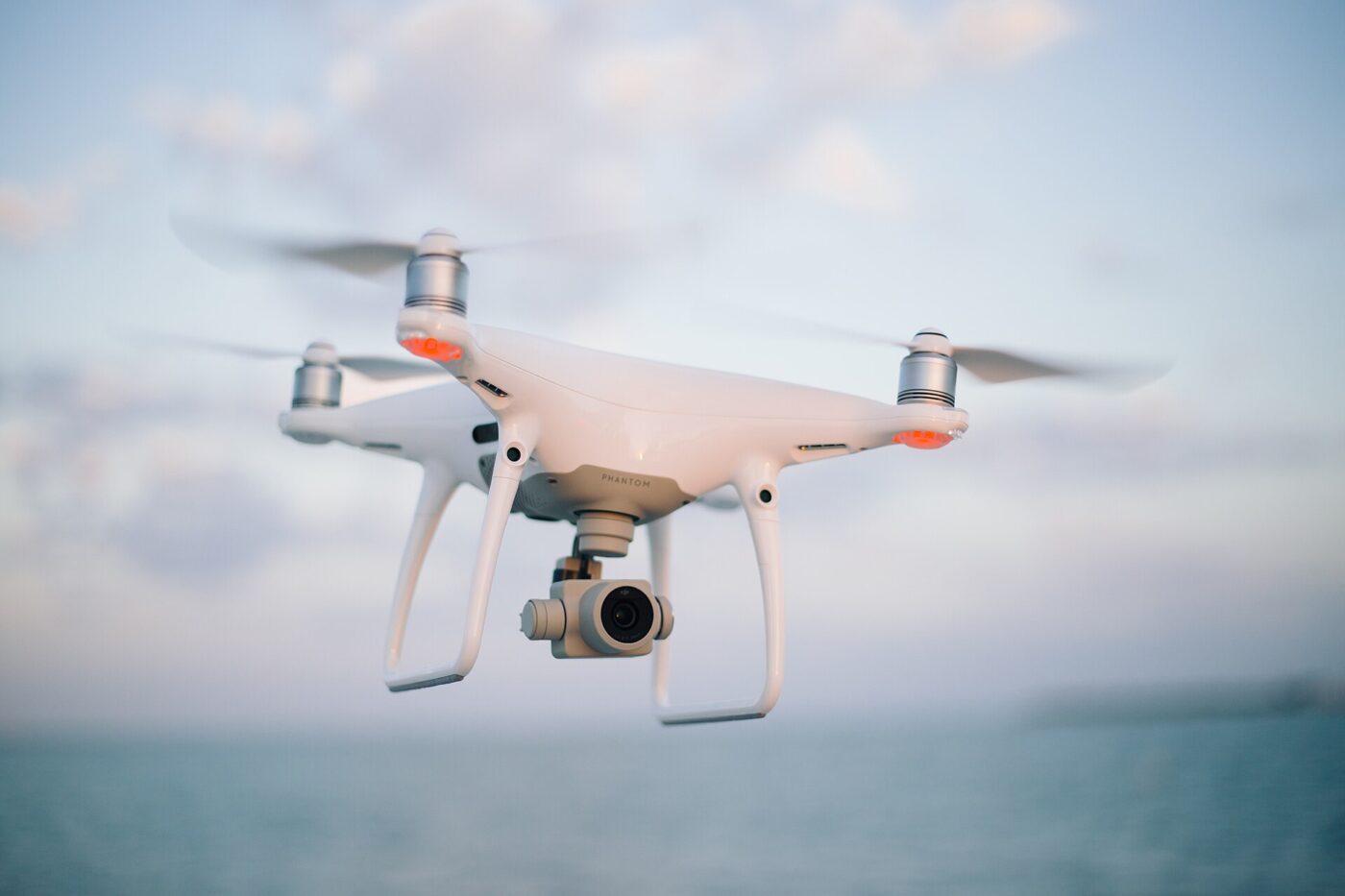
The FAA says recreational flyers “are required by law to take TRUST and carry proof when flying.” The FAA describes the Recreational UAS Safety Test as free and online.
Registration is separate and tied to weight: the FAA says “all drones must be registered, except those that weigh 0.55 pounds or less (less than 250 grams)” and flown under the recreational exception. That exemption is narrower than it sounds. The same FAA page states that “drones registered under the Exception for Limited Recreational Operations cannot be flown under Part 107,” and a drone flown for any Part 107 or other non-recreational purpose must be registered no matter how light it is.
Remote ID is the third piece. The FAA describes it as a drone’s ability, in flight, “to provide identification and location information that can be received by other parties through a broadcast signal,” and says the requirement applies to registered drones flown “for recreation, business, or public safety.” Because a recreational drone under 250 grams is not required to register in the first place, it falls outside that framework, unless its owner registers it anyway.
Three separate FAA requirements share one weight threshold, and TRUST is not it. Every recreational pilot needs TRUST regardless of how light the drone is.
How a spare battery crosses the 250-gram line
The registration exemption in the FAA’s rules, 14 CFR 48.15, applies to a recreational drone that weighs 0.55 pounds or less on takeoff, including everything on board or otherwise attached to it, not the number printed on the box. Propeller guards, an aftermarket gimbal or camera mount, and a heavier spare battery bought for longer flights are all attached to the aircraft at takeoff, so any of them can turn a drone marketed as sub-249 grams into one that crosses 250 grams once it is actually assembled and flying.
That matters because the obligation does not wait for the next purchase. A drone that was legally unregistered the day it was bought can require registration, and fall under Remote ID, the day a heavier accessory is added, even though nothing about the drone’s core hardware changed.
Weigh the drone the way you actually fly it, spare battery and accessories attached, not the way the listing advertises it.
Where you can fly: airspace, parks and B4UFLY

In uncontrolled airspace, the FAA tells recreational flyers to “fly at or below 400 feet.” In controlled airspace near airports, covering Class B, C, D and surface Class E, flyers need prior FAA authorization “by using LAANC or DroneZone” before taking off. Operators must also keep the drone within visual line of sight, or use a visual observer who is co-located and in direct communication with them.
The FAA’s B4UFLY service is built for checking a location before flying. The FAA says it “shows where recreational flyers can and cannot fly,” covering “controlled airspace, special use airspace, critical infrastructure, airports, national parks and military training routes,” plus any temporary flight restrictions for special events, through a clear status indicator. The FAA has approved several companies, including Aloft and Airspace Link, to provide B4UFLY through their own apps rather than one single official app.
The FCC Covered List: buying a drone in 2026
The FCC added uncrewed aircraft systems and their critical components “produced in a foreign country” to its Covered List on December 22, 2025, with updates continuing into 2026. Being on that list bars the FCC from issuing new equipment authorizations to covered foreign-made drones going forward.
Models that already held an FCC authorization before that date generally keep it, but that is not an unconditional guarantee. Under rules adopted in October 2025, FCC staff can bar the continued importation and marketing of previously authorized covered equipment, and in July and August 2026 they proposed doing exactly that for several named drone makers; the FCC says such a ban would not affect drones people already own. The restriction also carries named exceptions: equipment on the Defense Contract Management Agency’s Blue UAS Cleared List and qualifying domestic end products are exempt until January 1, 2028, models granted a Conditional Approval by the Department of War or Homeland Security are exempt with no set end date as long as their makers follow approved onshoring plans, and toy drones were exempted in June 2026.
A foreign-made drone already on a US shelf generally holds an earlier authorization, but the FCC has begun proposing import and marketing bans on specific previously authorized makers. Check a brand’s status close to the purchase date.
Toy drones, camera drones and a pre-purchase checklist
A prop-guarded indoor toy drone and a camera drone with a gimbal and obstacle sensors both answer to the same TRUST and airspace rules once flown outdoors by an adult for recreation; the toy’s smaller size mainly buys it out of registration and Remote ID, not out of the rest of the rulebook. Camera drones sit in a similar buying calculus to any interchangeable camera system: our guide to buying a lens before a body covers the parallel argument about where resale value actually sits in a photography kit.
- Weigh it as flown, spare battery and any guards or mounts attached, not as advertised in the box.
- Take TRUST before the first flight; it is free, and proof of passing must be carried when flying.
- Register any drone 250 grams or heavier at FAADroneZone before it flies outdoors.
- Check the model against the FCC Covered List and its Conditional Approvals if buying an unfamiliar foreign brand.
- Check the flight location in a B4UFLY-approved app before takeoff, every time.
- Remember Part 107: any drone flown for work, even a light one, must be registered regardless of weight.
The shortlist
Paid links: we earn a commission if you buy through the buttons below, at no extra cost to you. As an Amazon Associate I earn from qualifying purchases.
Compared on legal sub-250g flying
| Product type | Best for | Risk estimate | Where to buy |
|---|---|---|---|
| Sub-249g Camera Drone | A drone that skips registration | 35/100 | See listings on Amazon |
| Beginner Indoor Drone with Prop Guards | A gift for young beginners | 15/100 | See listings on Amazon |
| Remote ID Broadcast Module | Remote ID for an older registered drone | 25/100 | See listings on Amazon |
Risk estimate is our editorial Fear Index for the product type (lower is safer), not a customer rating. How it is scored. The buttons open Amazon search results rather than one listing, so check the model on the product page.
Sub-249g Camera Drone
Weigh it exactly as flown, spare battery included, since that number decides whether registration and Remote ID apply.
- No FAA registration for recreation under 250g
- No Remote ID broadcast unless registered
- Skips the $5, three-year registration
- A spare battery can push it over 250g
- Still needs airspace and B4UFLY checks
Remote ID Broadcast Module
The FAA lists a Remote ID broadcast module as a way to fly a registered drone that has no built-in Remote ID, provided the pilot keeps it in sight throughout the flight.
- Adds Remote ID to a drone built without it
- Broadcasts ID and take-off location
- Can move between drones in one inventory
- Adds weight and a mounting step
- Pilot must keep the drone in sight to fly with it
Questions people actually ask
Do I need to register a drone under 250 grams?
Not for recreational flying, as long as it stays under 250 grams (0.55 lb) as actually flown, with any battery or accessory attached. Flying the same drone for work or under Part 107 requires registration regardless of weight.
What is TRUST and who has to take it?
TRUST is the FAA’s free Recreational UAS Safety Test. The FAA requires every recreational drone pilot to pass it and carry proof, regardless of the drone’s weight or size.
Does Remote ID apply to a sub-250-gram drone?
The FAA applies Remote ID to drones that are required to be registered or are registered. A recreational drone under 250 grams is not required to register, so it falls outside that requirement unless its owner registers it anyway.
Can a spare battery make my drone need registration?
Yes. The FAA’s exemption is based on takeoff weight, including everything on board or attached, so a heavier spare battery or an added accessory can push a previously exempt drone over the 250-gram line.
Can I still buy a DJI or other foreign-made drone in 2026?
Models already holding an FCC equipment authorization generally keep it, and the FCC says the import and marketing bans it has proposed for certain makers would not stop owners using drones they already have. The Covered List entry added in December 2025 blocks new authorizations for foreign-made drones, with exceptions for toy drones, Blue UAS and domestic products, and conditionally approved models, so check a brand’s status before buying.