
A Beginner Metal Detector Finds Coins Almost Anywhere; the Law Decides Where You May Dig
An entry-level detector handles most beginner finds. The bigger question is where digging is legal — parks, forests and BLM land all set different rules.

On this page 6 sections
- VLF detectors: frequency, discrimination and a waterproof coil
- Pinpointers, diggers and a sand scoop: the accessories that save time
- National parks are off-limits; national forests and BLM land are not the same rule
- What counts as a protected artifact under federal law
- State parks, beaches and private land: permission is local
- The shortlist
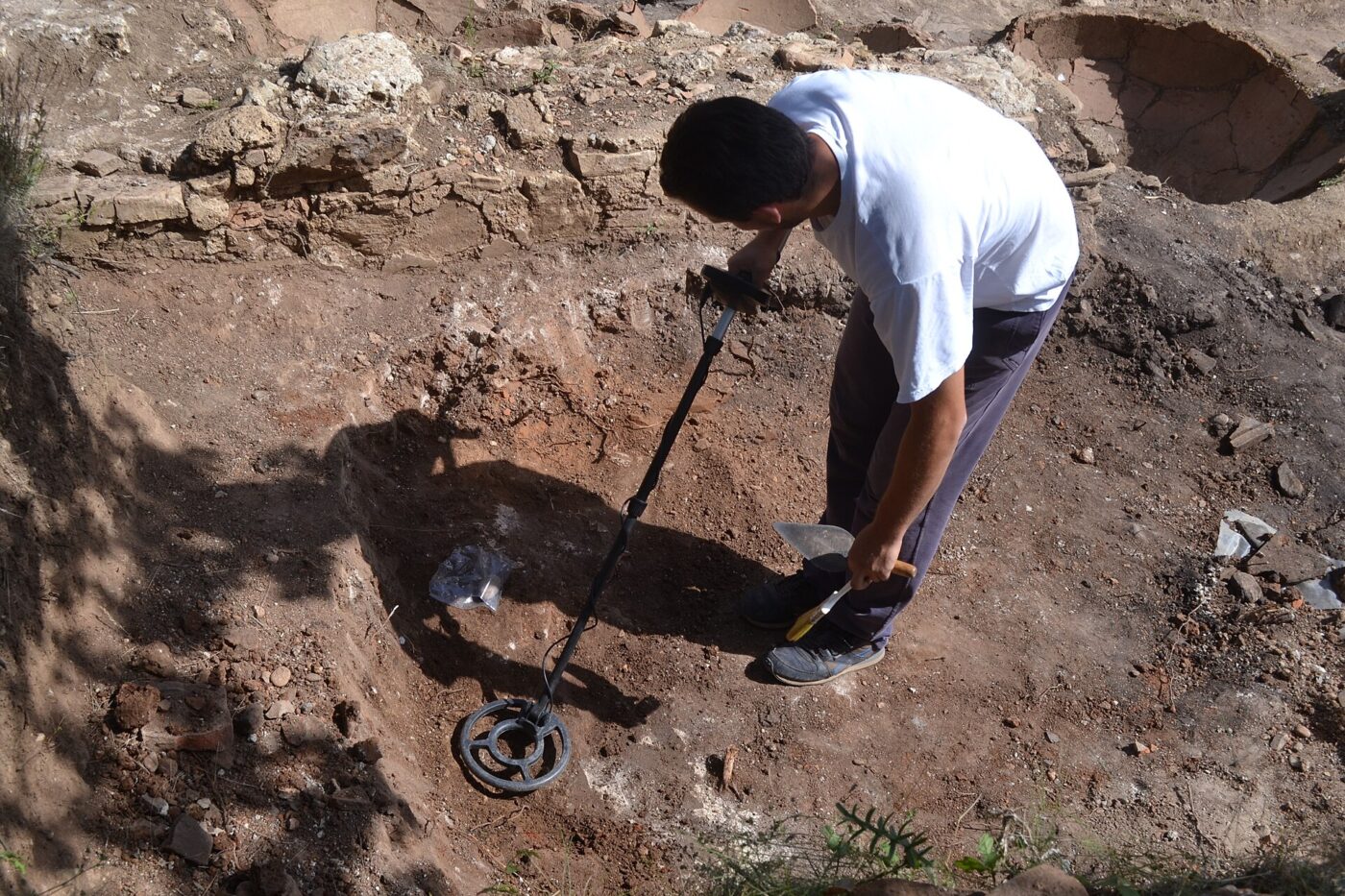
An entry-level VLF metal detector with a waterproof coil and basic discrimination will find coins, jewelry and scrap in a park, a yard or a beach about as well as a far more expensive one. The gear is rarely where a beginner goes wrong.
The location is. Federal law bans metal detectors outright on some public land and permits them with conditions on other public land next door, and a state park a mile away runs its own separate rulebook. None of that shows up on the detector’s box.
Fear Index · Think twice
A hobby where the gear is legal and the location is the risk
The National Park Service says metal detecting in a park unit can be prosecuted as a federal offense, with fines up to $10,000 and possible prison time, even before anything is dug up.
VLF detectors: frequency, discrimination and a waterproof coil

Most beginner detectors use VLF (very low frequency) technology, which reads how a target’s metal responds to the detector’s signal and estimates what it is before anything gets dug up. Discrimination settings let a detector ignore common junk — pull tabs, rusted iron, foil — based on that same response, which cuts down on wasted holes.
A waterproof coil, rated for wading rather than full submersion in most beginner models, extends a detector’s use from dry parkland into wet sand and shallow water at a beach, which is where a meaningful share of a beginner’s legal, low-stakes finds tend to turn up.
Pinpointers, diggers and a sand scoop: the accessories that save time
A pinpointer is a small handheld probe that narrows a detector’s general signal down to a few square inches, which turns a shovel-sized search into a small, quick one — useful anywhere a small hole is expected, and required etiquette almost everywhere one is not.
A sand scoop, usually stainless steel with drainage holes, recovers a target from wet or dry sand in one motion instead of several shovel passes. Filling in whatever hole gets dug and leaving the ground as it was found is standard practice at any site that allows detecting, public or private, regardless of what tool made the hole.
A pinpointer and a scoop do not change what is legal to dig. They change how fast and how small the hole is once digging is allowed.
National parks are off-limits; national forests and BLM land are not the same rule
National Park Service land is the clearest line in the hobby. NPS guidance on the rule cites 36 CFR 2.1(a)(7) directly: “the possessing or use of a metal detector, magnetometer, side scan sonar, other metal detecting device or subbottom profiler is prohibited.” The agency warns that detecting at a protected site can be prosecuted as a felony, with fines up to $10,000 and possible prison time — before a single item is removed.
National Forest System land runs on a different rule. 36 CFR 261.9 does not ban carrying a metal detector, but it prohibits “digging in, excavating, disturbing, injuring, destroying, or in any way damaging” or “removing any prehistoric, historic, or archaeological resource, structure, site, artifact, or property.” That covers most of what a detector might actually find that is not a modern coin or a piece of scrap.
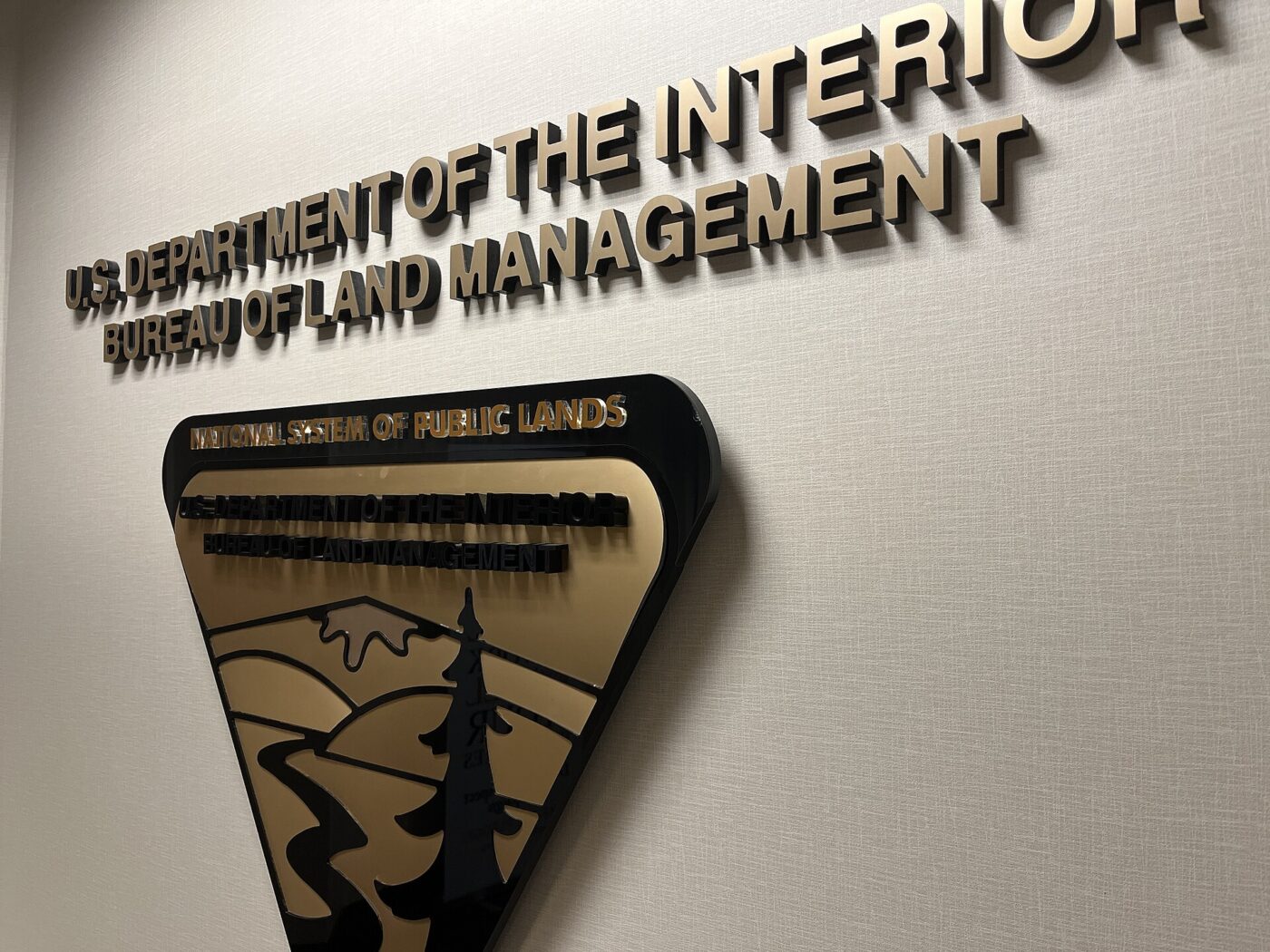
BLM-managed public land is more permissive again. BLM’s own guidance on collecting states plainly that “metal detector use is allowed on public lands,” while “cultural materials on public lands may not be removed, damaged, disturbed, excavated or transferred without BLM permit” — a list that specifically includes old bottles, horseshoes and metal tools alongside arrowheads and pottery.
Three federal land types, three different rules for the same detector: banned outright on NPS land, allowed but restricted on Forest Service and BLM land.
What counts as a protected artifact under federal law
The Archaeological Resources Protection Act sets the federal baseline for what a detectorist cannot remove from public or Indian land without a permit. Its prohibited-acts section is direct: “No person may excavate, remove, damage, or otherwise alter or deface” an archaeological resource on public lands or Indian lands without a permit issued under the Act.
The Act’s definition section sets the bar for what qualifies: material remains of past human life or activity that are “of archaeological interest” and at least 100 years old, with examples including pottery, basketry, weapons, tools, structures, rock paintings, graves and human skeletal material. A modern coin dropped last decade does not meet that bar. A 19th-century token might.
State parks, beaches and private land: permission is local
State parks do not follow the federal rules above at all; each one sets its own. Pennsylvania State Parks, for example, allow metal detecting only from sunrise to sunset, require advance approval from the specific park’s manager, and require anything found to be reported and, in most cases, turned in — with no fee charged for the activity itself. Its swimming beaches are open to detecting only outside the swim season, from the Tuesday after Labor Day to the Saturday before Memorial Day.
Other states run permit systems, registration requirements or blanket bans that look nothing like Pennsylvania’s, so the specific park’s own rules are the ones that matter, not a general assumption carried over from a different state. Private land is simpler in principle and just as firm in practice: the owner’s permission is the only rule, and it needs to be asked for before the first signal, not after.
A state park’s rules are its own. Checking the specific park before packing the detector replaces a guess with an answer.
The shortlist
Paid links: we earn a commission if you buy through the buttons below, at no extra cost to you. As an Amazon Associate I earn from qualifying purchases.
Compared on gear that matches a beginner’s legal detecting spots
| Product type | Best for | Risk estimate | Where to buy |
|---|---|---|---|
| Beginner VLF Metal Detector With Waterproof Coil | A capable first detector | 22/100 | See listings on AmazonOpens Amazon search results, not one listing: check the model on the product page. |
| Waterproof Pinpointer Probe | Finding the target fast | 15/100 | See listings on AmazonOpens Amazon search results, not one listing: check the model on the product page. |
| Stainless Steel Sand Scoop | Digging beach sand cleanly | 12/100 | See listings on AmazonOpens Amazon search results, not one listing: check the model on the product page. |
Risk estimate is our editorial Fear Index for the product type (lower is safer), not a customer rating. How it is scored.
Beginner VLF Metal Detector With Waterproof Coil
A waterproof coil and basic discrimination cover parks, yards and wet sand, but no detector spec changes what 36 CFR 2.1 or ARPA say about where it can go.
- Discrimination modes to skip iron and pull tabs
- Sealed coil rated for wading, not diving
- Heavier than a pinpointer-only setup
- Still needs permission on posted or restricted land
Waterproof Pinpointer Probe
A pinpointer turns a shovel-sized search into a few square inches, which matters most in a park or yard where every hole should be as small as possible.
- Narrows a hole to inches instead of a foot
- Waterproof for wading and shallow water
- Will not replace the primary detector
- Another battery to keep charged
Stainless Steel Sand Scoop
A sand scoop speeds up recovery on the beaches and shorelines where detecting is generally allowed, which is also where most low-stakes beginner finds turn up.
- Stainless holes drain sand and water fast
- Long handle avoids kneeling in wet sand
- Overkill for a small backyard target
- Slower than a hand trowel on dry lawn
More: Outdoors & Fitness analyses and how the Fear Index is scored.
Sources
- Metal Detectors: Don’t Dig Here — Fort Smith National Historic Site (National Park Service)
- 16 U.S.C. 470ee, Archaeological Resources Protection Act, Prohibited Acts — Cornell Law School
- 16 U.S.C. 470bb, Archaeological Resources Protection Act, Definitions — Cornell Law School
- 36 CFR 261.9, Prohibitions on National Forest System Land — Cornell Law School
- Collecting on Public Lands — Bureau of Land Management
- Metal Detecting — Pennsylvania Department of Conservation and Natural Resources
Questions people actually ask
Is metal detecting legal in national parks?
No. NPS regulation 36 CFR 2.1(a)(7) prohibits possessing or using a metal detector in National Park Service units, and the agency warns that detecting at a protected site can be prosecuted as a felony with fines up to $10,000 and possible prison time.
Can I metal detect on BLM land?
Generally yes. BLM guidance states that metal detector use is allowed on public lands, though cultural materials such as old bottles, tools or other protected artifacts may not be removed, damaged or excavated without a BLM permit.
What counts as a protected archaeological artifact?
Under the Archaeological Resources Protection Act, an archaeological resource is any material remains of past human life or activity at least 100 years old, including pottery, tools, structures, rock paintings and graves.
Are national forests the same as national parks for metal detecting?
No. National Forest System rules at 36 CFR 261.9 prohibit digging up, disturbing or removing any prehistoric, historic or archaeological resource, but they do not carry the blanket detector ban that applies in National Park Service units.
Do state parks require a permit for metal detecting?
It varies by state and park. Pennsylvania State Parks allow detecting from sunrise to sunset with the park manager’s approval and require found items to be reported, with no fee charged.