
An Adapter Changes the Plug Shape. It Does Not Change the Voltage.
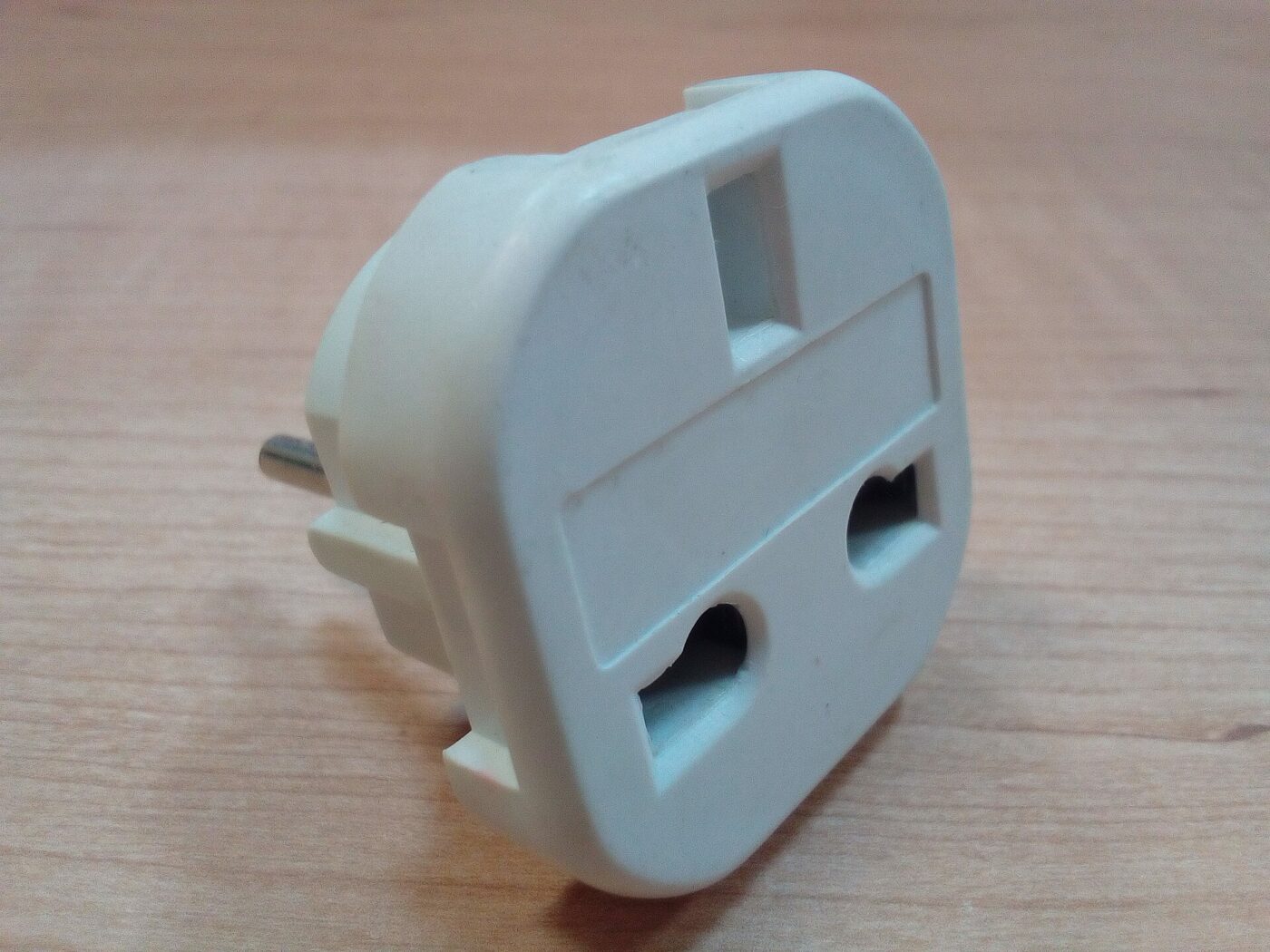
An adapter only reshapes the plug. Plug a 120 V appliance into a 230 V socket through one and it can fail, sometimes dramatically.

Part of the guide: Tech and Audio Buying Mistakes: What Fails and How to Check Before You Buy
Shops sell “travel adapters” and “travel converters” beside each other, and a lot of people assume the words describe the same thing at different prices.
They do not. One is a shaped piece of plastic with brass contacts. The other contains a transformer or switching circuitry. Using the first where you needed the second destroys the appliance, and occasionally starts a fire.
Fear Index · High risk
Two words, one of them doing nothing you assumed
Plugging a single-voltage heating appliance into double its rated voltage is a fire risk, not just a dead appliance.
Two different products
An adapter makes your plug physically fit a foreign socket. Electrically it does nothing: whatever voltage the wall supplies arrives at your appliance unchanged, for better or worse.
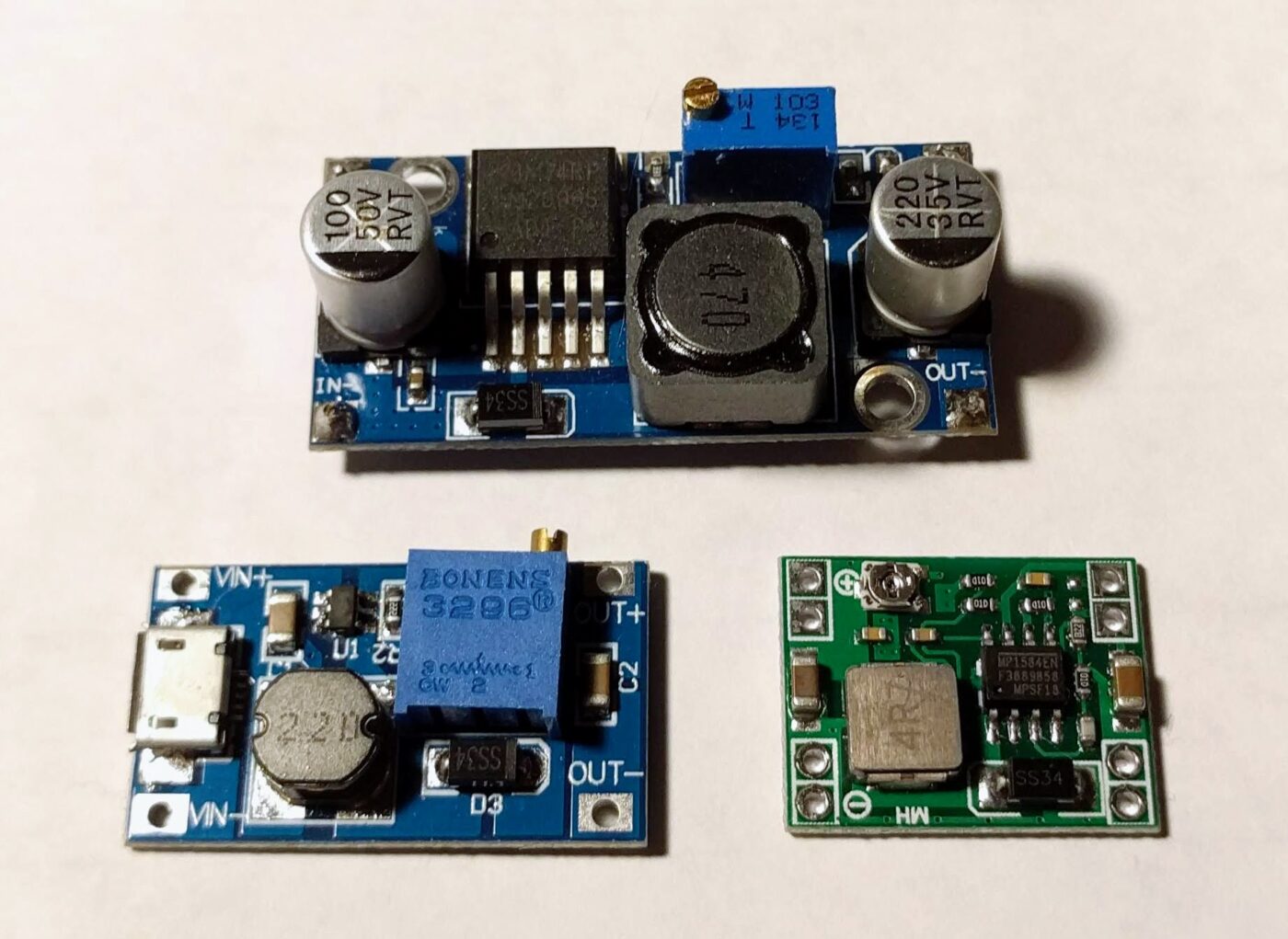
A converter or transformer steps voltage up or down. Converters are lightweight, handle simple resistive loads like heating elements, and are rated for short periods — most warn against running one for more than an hour or two at a stretch. Transformers are heavier, handle electronics and motors that a converter would damage, and can run continuously.
The world splits roughly into 100–127 V (North America, Japan, parts of South America) and 220–240 V (most of Europe, Asia, Africa and Australia). Frequency also differs — 50 or 60 Hz — which matters for anything with a motor or clock synced to household current.
The good news is that most modern electronics need only an adapter, because their chargers already handle both.
Check the label before you pack

Every plug-in appliance has its input printed on it — on the charger brick, or molded near the cable entry.
- “INPUT: 100–240V ~ 50/60Hz” means dual voltage. An adapter is all you need.
- “INPUT: 120V 60Hz” means single voltage. Abroad, it needs a converter, or leaving at home.
- Laptop, phone and camera chargers are almost always dual voltage.
- Hair dryers, straighteners, curling irons and travel kettles are frequently not.
- A “dual voltage” switch on a hair dryer must be moved manually, and forgetting is the classic mistake.
What actually happens when you get it wrong
A 120 V heating appliance on 230 V draws roughly double the current and dissipates around four times the power. A hair dryer element reaches destructive temperature within seconds, which is why this specific mistake features in hotel fire advice.
In the other direction — a 230 V appliance on 120 V — the result is usually just feeble performance and a motor that may overheat from stalling. Less dangerous, still bad for the appliance.
The pragmatic advice most travelers land on: buy dual-voltage versions of the few heating appliances you genuinely need, and carry only an adapter. A lightweight converter can run a hair dryer only for short periods and is easy to overload, and a transformer built to run one continuously is heavy — so a dual-voltage appliance is the simpler route either way.
A five-minute pre-trip check
Do this before packing rather than at the hotel, when the only fix left is doing without.
- Read the input label on every device you plan to bring that has a heating element or a motor — not just the electronics.
- Set any manual voltage switch on a dual-voltage appliance to match the destination before you leave; it is the single most common mistake, not lack of the right gear.
- Buy the plug adapter for your specific destination, not a generic “European” one — plug shapes vary within regions that share a voltage.
- If you must use a converter, check its wattage rating exceeds the appliance’s and that it is rated for the load type — resistive heating elements and motors are not interchangeable on cheap converters. Running a converter near its maximum rating for the full stated time limit is asking for trouble; leave headroom on both.
Check a specific converter or adapter model against CPSC’s recall database if you are not buying it new from a known retailer — secondhand and marketplace electricals are where most reported failures show up. A charging brick or adapter that gets hot to the touch, buzzes, or has a loose-fitting plug should be retired rather than trusted for a second trip.
The shortlist
Paid links: we earn a commission if you buy through the buttons below, at no extra cost to you. As an Amazon Associate I earn from qualifying purchases.
Compared on what each actually does
| Product type | Best for | Risk estimate | Where to buy |
|---|---|---|---|
| Universal Travel Adapter with USB-C | Most modern electronics | 26/100 | See listings on AmazonOpens Amazon search results, not one listing: check the model on the product page. |
| Travel Voltage Converter | Single-voltage appliances | 50/100 | See listings on AmazonOpens Amazon search results, not one listing: check the model on the product page. |
| Dual-Voltage Travel Hair Dryer | Heating appliances abroad | 22/100 | See listings on AmazonOpens Amazon search results, not one listing: check the model on the product page. |
Risk estimate is our editorial Fear Index for the product type (lower is safer), not a customer rating. How it is scored.
Universal Travel Adapter with USB-C
Sufficient for anything dual voltage, which is almost all modern electronics. Check the label on each item before you rely on it.
- Covers most plug types in one unit
- USB-C ports charge phones and laptops directly
- Light and compact
- Does not change voltage at all
- Cheap ones have poor contact and overheat
Dual-Voltage Travel Hair Dryer
For the one or two heating appliances people genuinely travel with, buying dual voltage is lighter and safer than carrying a transformer.
- Works on both supplies with a switch
- Far lighter than carrying a converter
- No wattage calculation needed
- Lower power than a home dryer
- The switch must be set manually
More: Travel & Luggage analyses and how the Fear Index is scored.
Questions people actually ask
What is the difference between a travel adapter and a converter?
An adapter only reshapes the plug so it fits the socket; the voltage passes through unchanged. A converter or transformer actually changes the voltage.
Do I need a voltage converter for my laptop?
Almost certainly not. Laptop chargers are nearly always dual voltage — check for “100–240V” on the brick. An adapter is all you need.
What happens if I use a 120V appliance on 230V?
It draws roughly double the current and dissipates about four times the power. Heating appliances reach destructive temperatures within seconds, which is a genuine fire risk.
Which appliances are not dual voltage?
Hair dryers, straighteners, curling irons and travel kettles are commonly single voltage. The input rating is printed on the appliance or its charger.