
RFID Blocking Wallets Solve a Problem That Barely Happens
RFID shielding does work physically. Whether contactless skimming is a meaningful risk is a separate and much weaker question.

RFID-blocking wallets are sold with an implied scene: someone walks past with a concealed reader and your card is emptied. The shielding in the wallet is real and it works.
Whether that scene describes a meaningful share of card fraud is the part worth examining, and the answer has changed since the product category was invented.
Fear Index · Think twice
A real product for a rare threat
The marketing implies an active and common attack. Card fraud is common; this particular route to it is not.
The shielding works; the threat is the question
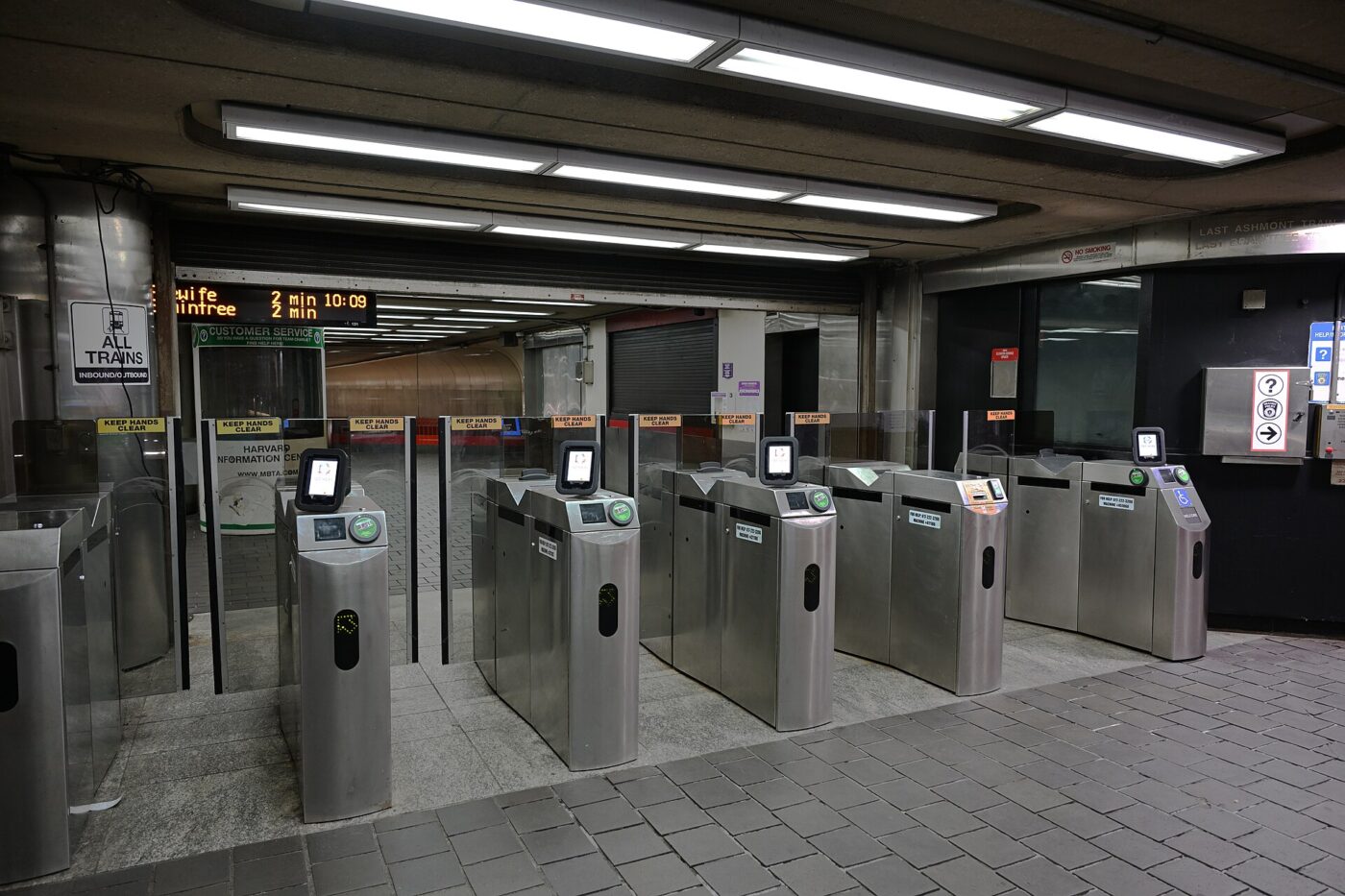
A conductive layer around a card attenuates the 13.56 MHz field a reader uses. That is straightforward physics and blocking wallets do it.
Three things limit what an attacker could achieve even with a reader.
- Range is tiny. Contactless is designed for a few centimeters. Extending it needs conspicuous equipment, not a device in a pocket.
- The transaction itself is not reusable. EMV contactless transactions generate a one-time cryptogram, so a captured tap cannot be replayed to make a second payment. A tap can still reveal the card number and expiry date, which is real information, just not enough on its own to pass most modern checks.
- The security code is the one thing a tap never gives up. Many online checkouts require it, which is why a captured card number and expiry alone will not clear every card-not-present purchase, though some merchants do accept a card without it.
Card fraud is a real and large problem. Most of it traces back to merchant data breaches, phishing and compromised online checkouts — none of which a wallet affects.
Where shielding is genuinely useful
Two practical cases, neither of them dramatic.
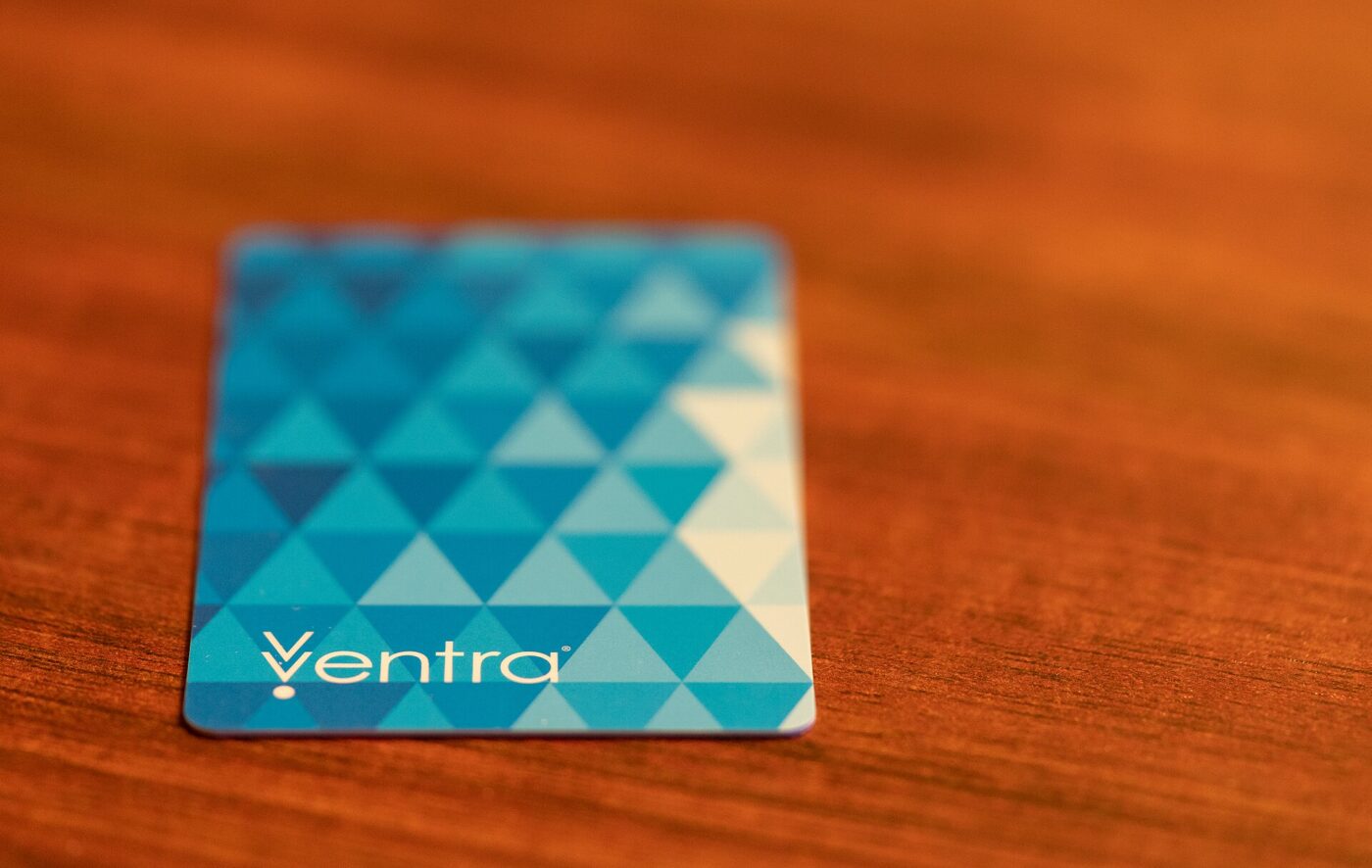
Card clash. Two contactless cards in one wallet can confuse a reader, causing a failed tap or a payment from the wrong card. On transit systems that can mean being charged twice. A shielded divider between cards fixes this, and it is the most common real benefit people get.
Biometric passports. These carry a chip containing your photograph and details. Access is protected by a key derived from the printed data page, so it is not readable by a passing device. US e-passports go a step further: DHS says the cover itself contains a metal shield that blocks reading while the booklet is closed, so a separate RFID sleeve adds little for a US passport specifically. For other countries’ passports without that built-in shield, a cheap sleeve is still a reasonable precaution.
Where the fear comes from
The product category dates to the mid-2000s, when early contactless cards were shown by security researchers to have weaker protections than the dynamic, cryptogram-based system in use today. Card networks tightened contactless security specifically in response.
The marketing built around that original weakness has outlived it. A wallet sold today is largely solving a problem the payment networks re-engineered around years ago, which is one reason real-world skimming losses are hard to find in fraud data even as overall card fraud has grown substantially through other channels.
What actually reduces fraud
If the goal is fewer fraudulent transactions rather than a specific wallet feature, the effective measures are elsewhere and mostly free.
- Turn on transaction alerts. Detection speed matters more than prevention, because liability rules protect you if you report promptly — the practical goal is catching fraud within hours, not preventing every possible attempt.
- Use a virtual or single-use card number for online purchases where your bank supports it, so a breached retailer never has your real card number to lose in the first place.
- Use a phone wallet. Tokenized payments never transmit the real card number at all.
- Check statements monthly, including small amounts — testing transactions are deliberately tiny.
The shortlist
Paid links: we earn a commission if you buy through the buttons below, at no extra cost to you. As an Amazon Associate I earn from qualifying purchases.
Compared on what they protect
| Product type | Best for | Risk estimate | Where to buy |
|---|---|---|---|
| RFID-Blocking Slim Wallet | If you want the shielding | 40/100 | See listings on AmazonOpens Amazon search results, not one listing: check the model on the product page. |
| RFID Passport Holder | Passports and ID | 36/100 | See listings on AmazonOpens Amazon search results, not one listing: check the model on the product page. |
| Concealed Travel Money Belt | Theft while traveling | 22/100 | See listings on AmazonOpens Amazon search results, not one listing: check the model on the product page. |
Risk estimate is our editorial Fear Index for the product type (lower is safer), not a customer rating. How it is scored.
Concealed Travel Money Belt
For travelers, pickpocketing is the threat that actually materializes. Splitting cards between two places does more than any shielding.
- Physical theft is far more common than skimming
- Keeps a backup card separate from your wallet
- Cheap and light
- Awkward to access in public
- Uncomfortable in hot weather
RFID-Blocking Slim Wallet
A fine wallet to own if you like it. Buy it for the card-clash benefit rather than the skimming story.
- Shielding genuinely works
- Prevents card clash on transit readers
- No downside beyond price
- Solves an uncommon attack
- Some cheap ones do not shield as claimed
More: Travel & Luggage analyses and how the Fear Index is scored.
Questions people actually ask
Do RFID blocking wallets actually work?
Yes, physically. A conductive layer attenuates the reader field. The open question is whether contactless skimming is a meaningful source of fraud, and the evidence for that is weak.
Can someone steal my card details by walking past me?
It is difficult and gains little. Contactless range is a few centimeters, and each transaction uses a one-time cryptogram that cannot be replayed. A reader may capture the card number and expiry, but never the security code most online checkouts require.
Is an RFID passport holder worth it?
For a US passport, not really — DHS says the cover already has a built-in metal shield that blocks reading while it is closed. For passports from countries without that shield, a cheap sleeve is a reasonable precaution.
What is card clash?
Two contactless cards in one wallet confusing a reader, causing a failed tap or payment from the wrong card. A shielded divider between them is the most common real benefit of a blocking wallet.