
Lab-Grown and Mined Diamonds Look Identical Until You Try to Sell One
Lab-grown diamonds share the crystal structure of mined ones, and FTC guidance says how sellers must disclose them. Why resale markets treat them differently.

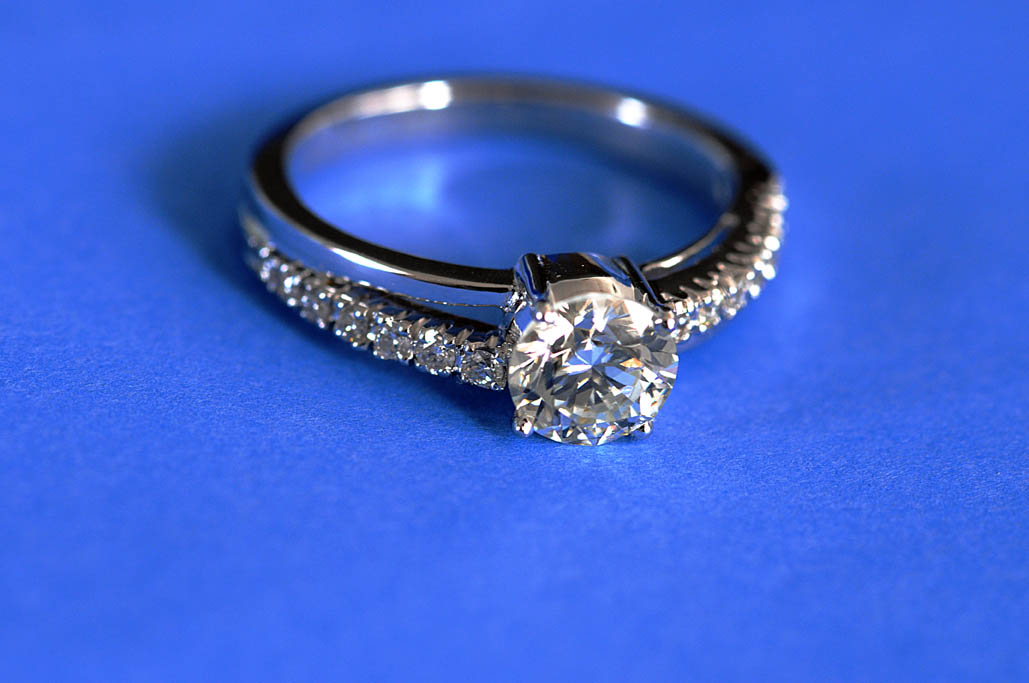
Put a mined diamond and a lab-grown diamond of the same grade side by side and nobody at the dinner table can tell them apart. Separating them reliably takes laboratory instruments.
Their prices, however, are far apart, and the gap usually grows after purchase. Understanding why, and what sellers are required to tell you, prevents the most common regret in this category.
Fear Index · Think twice
Paying for a stone you expect to hold value
It shows up later and in the wallet: a buyer assumes a diamond is a store of value, then learns at resale or trade-in how little the market offers, especially for lab-grown stones.
Same material, different origin
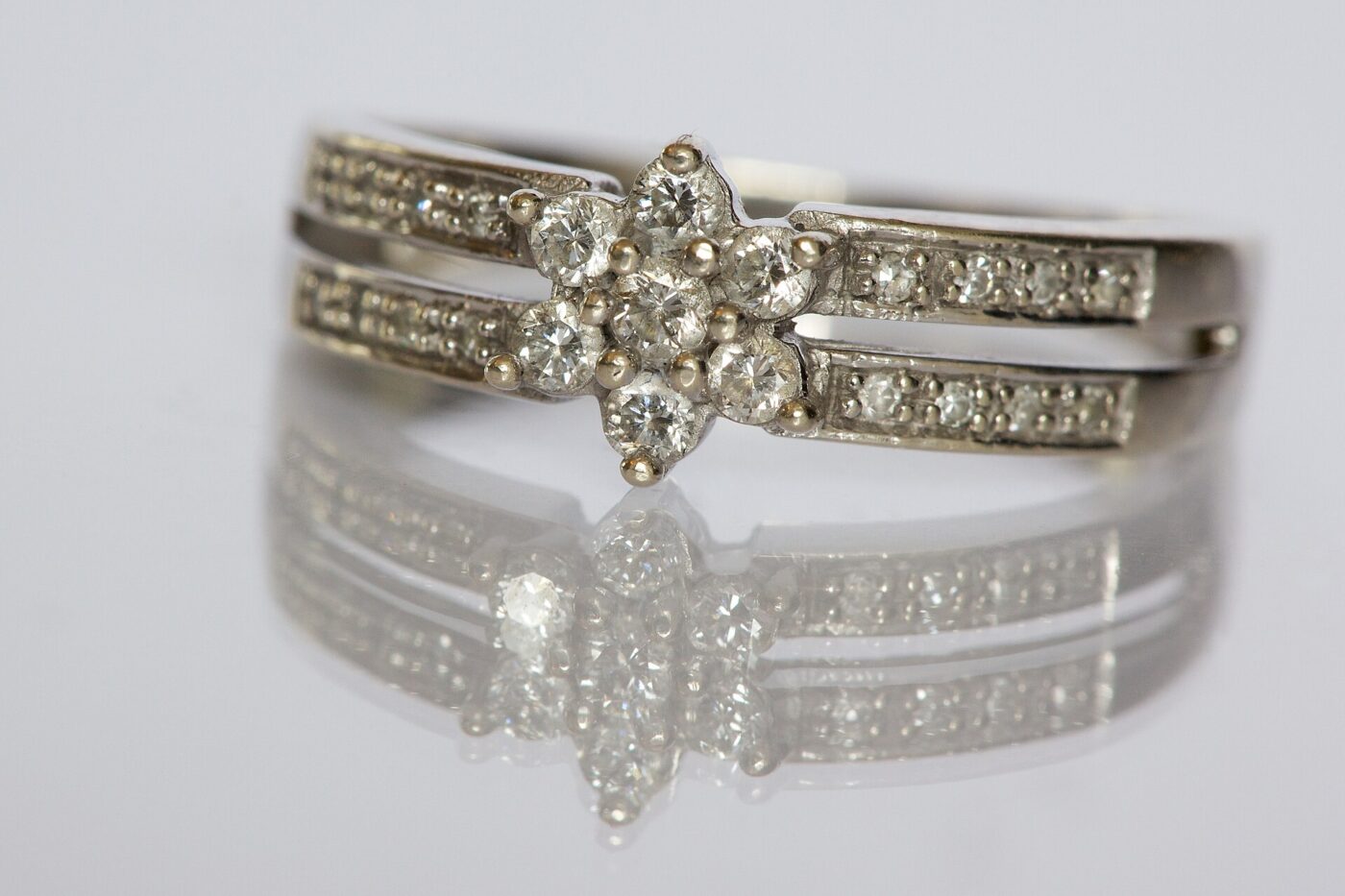
The Gemological Institute of America explains that lab-grown diamonds have the same crystal structure as natural diamonds, tightly bonded carbon atoms, which gives them nearly the same chemical, optical and physical properties. The difference is origin and age: natural diamonds formed millions to billions of years ago, while lab-grown diamonds are young.
Telling them apart takes laboratory equipment. GIA says it uses advanced gemological and spectroscopic techniques that read small atomic-level irregularities and impurities to determine whether a diamond is natural or lab-grown. It also laser-inscribes each lab-grown diamond it grades with the report number and a statement identifying it as laboratory-grown.
Simulants are different materials entirely. GIA describes glass, moissanite and cubic zirconia as completely unrelated to diamond at the atomic level and easily identifiable by their optical and physical characteristics.
| Stone | What it is | How sellers must describe it |
|---|---|---|
| Mined diamond | Carbon crystal formed in the earth | Diamond |
| Lab-grown diamond | Same carbon crystal, made in a factory | Laboratory-grown or laboratory-created diamond |
| Moissanite | Silicon carbide, a different material | Its own name, or simulated or imitation diamond |
| Cubic zirconia | Zirconium oxide, a different material | Its own name, or simulated or imitation diamond |
What the FTC requires sellers to say

The Federal Trade Commission’s Jewelry Guides treat a lab-created stone with essentially the same optical, physical and chemical properties as a mined diamond as a diamond, but not an unqualified one. FTC business guidance says sellers should describe it as laboratory-grown, laboratory-created, manufacturer-name-created or similar wording placed immediately before the word diamond and equally conspicuous, so buyers know it is not mined.
The word cultured is allowed only when paired with a clear and conspicuous disclosure that the stone is lab-created or lab-grown. A simulant described with the word diamond must be qualified as imitation or simulated. In 2019 FTC staff sent eight warning letters to jewelry marketers over ads that could imply lab-created stones were mined or simulants were lab-created, lacked required disclosures, or made unqualified claims such as eco-friendly and sustainable.
- Look for the qualifier right before diamond in titles, not only in a description footnote.
- Treat cultured without lab-grown wording as an incomplete disclosure.
- Question eco-friendly or sustainable claims that do not explain what they mean.
- Ask for the grading report and check that it names the stone as natural or laboratory-grown.
- Match the laser inscription on the girdle to the report number when one is present.
If a listing does not say mined, natural, lab-grown or lab-created clearly, ask in writing before you pay.
Why resale treats them differently

Lab-grown diamonds can be produced to order, and retail prices for them have generally moved down as production has expanded. A buyer on the secondary market has little reason to pay near retail for a used stone when new ones are plentiful and falling in price. As a result, buyers typically offer little for used lab-grown diamonds, and some retailers’ buyback programs exclude them.
Mined diamonds hold value better, but not as well as the marketing suggests. Retail prices include setting, design, overhead and margin, and used diamonds are usually bought well below what a shopper originally paid. A trade-in credit toward a more expensive purchase is often more generous than a cash offer.
Policies vary widely, so the only reliable guide is the specific retailer’s written buyback, upgrade or trade-in terms, including whether they apply to lab-grown stones.
Buy a diamond of either kind because you want to wear it. Neither is a dependable investment at retail prices.
Buying either without regret
Choose lab-grown if the goal is the largest or best-graded stone for a budget and resale does not matter to you. Choose mined if the geological origin matters to you or the recipient, and accept that paying for rarity does not guarantee a return.
In both cases, grading matters more than a salesperson’s description. An independent grading report records the 4Cs and the origin, and a written return policy protects you if the stone is not what the listing promised.
A basic handheld diamond tester is designed to separate diamond from simulants. It will generally read a lab-grown diamond as diamond, so it is useful for spotting cubic zirconia and glass but not for confirming origin. A thermal-only tester can also pass moissanite as diamond, so choose one that also checks electrical conductivity.
The shortlist
Paid links: we earn a commission if you buy through the buttons below, at no extra cost to you. As an Amazon Associate I earn from qualifying purchases.
Compared on cost and certainty
| Product type | Best for | Risk estimate | Where to buy |
|---|---|---|---|
| Lab-Grown Diamond Stud Earrings | Most stone for the budget | 34/100 | See listings on Amazon |
| Certified Natural Diamond Pendant | Natural origin | 44/100 | See listings on Amazon |
| Dual Thermal and Electrical Diamond Tester | Screening simulants | 38/100 | See listings on Amazon |
Risk estimate is our editorial Fear Index for the product type (lower is safer), not a customer rating. How it is scored. The buttons open Amazon search results rather than one listing, so check the model on the product page.
Lab-Grown Diamond Stud Earrings
A strong choice for jewelry you plan to keep. Confirm the lab-grown disclosure and grading report.
- Same crystal structure as mined diamond
- Larger or higher grade for the budget
- Graded and inscribed when certified
- Little resale or trade-in value
- Prices for new stones keep shifting
Certified Natural Diamond Pendant
Worth it when natural origin matters to you. Do not buy it expecting to recover the price.
- Geological origin and rarity
- More established resale market
- Independent grading available
- Much higher price for the same look
- Resale still well below retail
More: Watches and Jewelry analyses and how the Fear Index is scored.
Questions people actually ask
Are lab-grown diamonds real diamonds?
Yes. They have the same crystal structure and nearly the same properties as mined diamonds, but FTC guidance says sellers must clearly disclose that they are lab-grown or lab-created.
Do lab-grown diamonds have resale value?
Usually very little. New stones are widely available at prices that have tended to fall, so many buyers offer little for used ones and some jewelers do not buy them back.
Can a jeweler tell a lab-grown diamond from a natural one?
Not by eye or with basic testers. Grading laboratories use advanced spectroscopic equipment to identify origin.
Is moissanite a lab-grown diamond?
No. Moissanite is silicon carbide, a different material, and must not be sold as a diamond.