
A 50 Meter Watch Rating Is a Lab Pressure, Not a Diving Depth
Water resistance markings describe a pressure test on a new watch, not a safe depth. What 3, 5, 10 and 20 bar allow, and why gaskets decide real protection.

A watch marked 30 m sounds like it could handle a swim to the bottom of a deep pool. Most manufacturers say it should not get more than splashed.
The confusion comes from how water resistance is expressed. The number describes a test pressure applied to a new watch in controlled conditions. What happens in a shower, a hot tub or a lake after three years of wear is a different matter.
Fear Index · Think twice
Taking a 30 meter watch into the pool
Condensation under the crystal and a corroded movement are the costly result, often traced to a watch worn swimming on the strength of a number printed on the dial.
The number is pressure, not depth
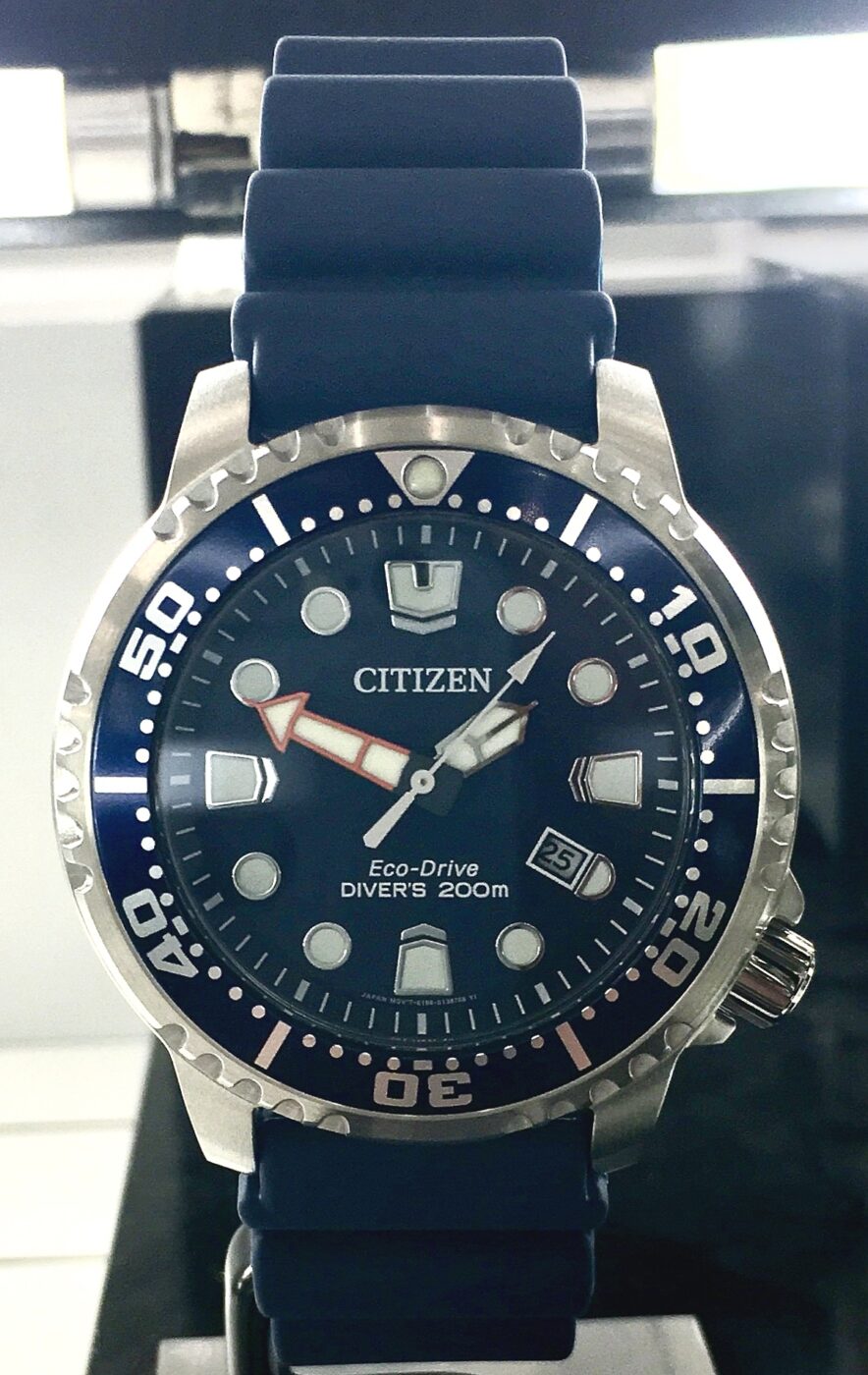
Water resistance is often marked in bar, atmospheres or meters. Citizen explains that 1 bar is a pressure of 1 atmosphere, equivalent to a water depth of 10 m, which is why a 3 bar watch may also be labeled 30 m. The meter figure is a pressure equivalence used in testing, not a promise about how deep the watch can go.
Water-resistant watches for everyday use and swimming are covered by the international standard ISO 22810, while divers’ watches meet the separate and stricter ISO 6425. A watch intended for scuba diving says so explicitly on the dial or case, typically as a diver’s watch with a depth rating.
Real life adds stresses a static test does not. Temperature shocks, soap and chemicals, impacts against water, and pressing buttons or turning the crown while wet all give water a route past seals.
| Marking | Seiko allows | Avoid |
|---|---|---|
| Water resistant, 3 bar (30 m) | Accidental splashes and rain | Showers, swimming |
| 5 bar (50 m) | Swimming, yachting, showering | Diving |
| 10 to 20 bar (100–200 m) | Bathing and shallow diving | Scuba diving |
| Diver’s watch 200 m | Scuba diving | Saturation diving |
Ignore the meter number and read the manufacturer’s activity chart for your specific watch.
What each rating allows in practice
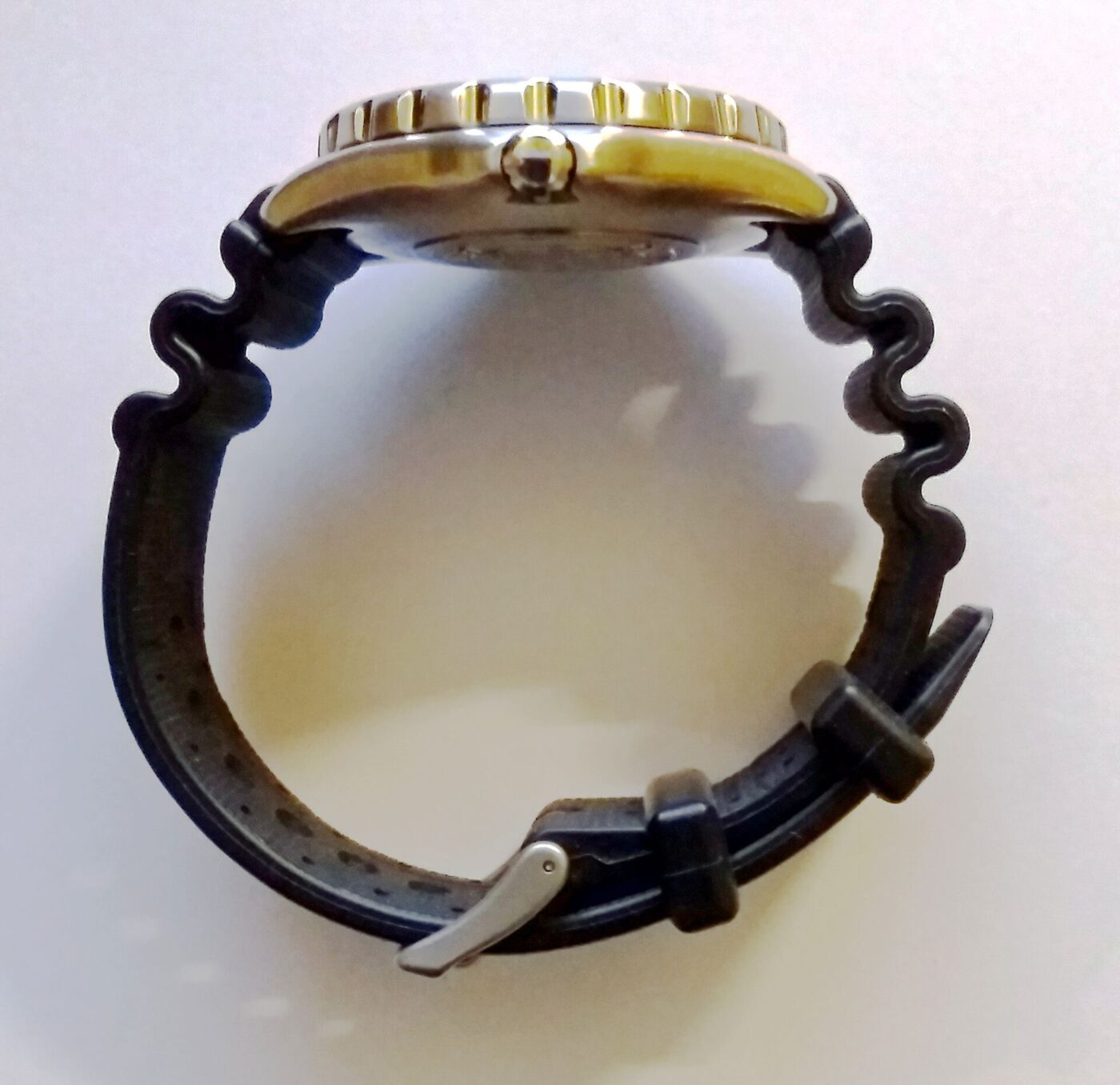
Manufacturers draw the lines slightly differently. Seiko’s water resistance chart limits 3 bar watches to accidental splashes and rain, rules out any water contact for non water-resistant watches, and allows swimming and showering from 5 bar. Citizen describes its 3 bar everyday rating as withstanding perspiration and splashing from face washing or rainfall.
That is why the popular rule of thumb that 50 m is not for swimming is not universal. Some brands permit swimming at 5 bar and others advise 10 bar. The only reliable answer is the manual for your model.
Diver’s watches are a separate category. Seiko lists scuba diving only for its diver’s watches, and Citizen describes diver’s models as pressure resistant to the depth indicated and suitable for long periods underwater.
Heat, soap and the crown
Hot water is a common way to defeat a rating. Citizen advises against immersing its watches in hot water, hot springs or saunas. Heat makes case parts and seals expand and contract at different rates, and steam can pass where liquid water would not.
Operating controls underwater opens gaps the seals were never meant to close. Citizen says not to use the crown or buttons underwater or while the watch is wet, and Seiko warns against washing a water-resistant watch with the crown pulled out.
Soap, shampoo, sunscreen, salt and pool chemicals are harder on seals, straps and case finishes than clean fresh water. Seiko recommends wiping off moisture, sweat and dirt with a soft dry cloth after taking a watch off, which helps the case back, gaskets and band last longer. A daily wipe is a small habit that protects a rating you may one day rely on.
- Push in or screw down the crown before any water contact.
- Do not press chronograph pushers underwater unless the manual says you can.
- Keep watches out of saunas, hot tubs and hot showers.
- Rinse in still fresh water after the sea, in a sink or bowl rather than under the tap, as Seiko recommends, then dry with a soft cloth.
- Avoid holding the watch under a running faucet; both Seiko and Citizen advise against it.
- Leather straps degrade in water even when the case is sealed.
Gaskets age whether you swim or not

Water resistance depends on rubber or synthetic gaskets at the case back, crystal and crown. They harden and deform with time. Seiko states that a watch’s water resistance is not permanently guaranteed and is affected by the aging of gaskets and by deformation of parts from accidental shocks, and recommends having it checked regularly.
Citizen recommends replacing gaskets at least once every 2 to 3 years. Any time a case back is opened, for a battery change for example, the seal should be inspected and the watch pressure tested before it goes near water again.
Fog or droplets under the crystal mean moisture is already inside. Stop wearing the watch in water and have it serviced promptly, because corrosion in a movement progresses quickly and costs far more than a gasket.
A rating is only as good as the last gasket service. After a battery change, ask for a pressure test.
The shortlist
Paid links: we earn a commission if you buy through the buttons below, at no extra cost to you. As an Amazon Associate I earn from qualifying purchases.
Compared on water exposure
| Product type | Best for | Risk estimate | Where to buy |
|---|---|---|---|
| Diver’s Watch, 200 m | Actual diving | 22/100 | See listings on Amazon |
| 100 m Water-Resistant Watch | Swimming and everyday wear | 26/100 | See listings on Amazon |
| Rubber Watch Strap | Wet activities | 16/100 | See listings on Amazon |
Risk estimate is our editorial Fear Index for the product type (lower is safer), not a customer rating. How it is scored. The buttons open Amazon search results rather than one listing, so check the model on the product page.
100 m Water-Resistant Watch
A sensible margin for people who swim occasionally. Confirm what the manual allows for your model.
- Handles swimming for most brands
- Tolerates rain and handwashing easily
- Wide range of styles
- Not a dive watch
- Gaskets still need service
Diver’s Watch, 200 m
Only a watch marked as a diver’s watch is meant for diving. Keep its gaskets serviced.
- Rated for scuba diving
- Screw-down crown seals better
- Legible bezel for timing
- Thicker and heavier
- Still avoid hot tubs and saunas
More: Watches and Jewelry analyses and how the Fear Index is scored.
Questions people actually ask
Can I swim with a 50m water resistant watch?
It depends on the brand. Seiko allows swimming at 5 bar, but others are more cautious, so check the manual for your specific model.
What does 3 bar water resistant mean?
It is resistance to light water exposure such as splashes and rain. Most manufacturers do not recommend showering or swimming with a 3 bar watch.
Can I wear my watch in the shower?
Only if the manufacturer allows it, and hot water and soap are hard on seals. Citizen advises against hot water and saunas entirely.
How often should watch gaskets be replaced?
Citizen recommends at least every 2 to 3 years. Have the watch pressure tested whenever the case back has been opened.