
A Serger Finishes a Seam in One Pass, and Still Cannot Replace a Sewing Machine
A serger trims, stitches and overcasts a seam in one pass and handles knits well, but a sewing machine still handles buttonholes and topstitching.

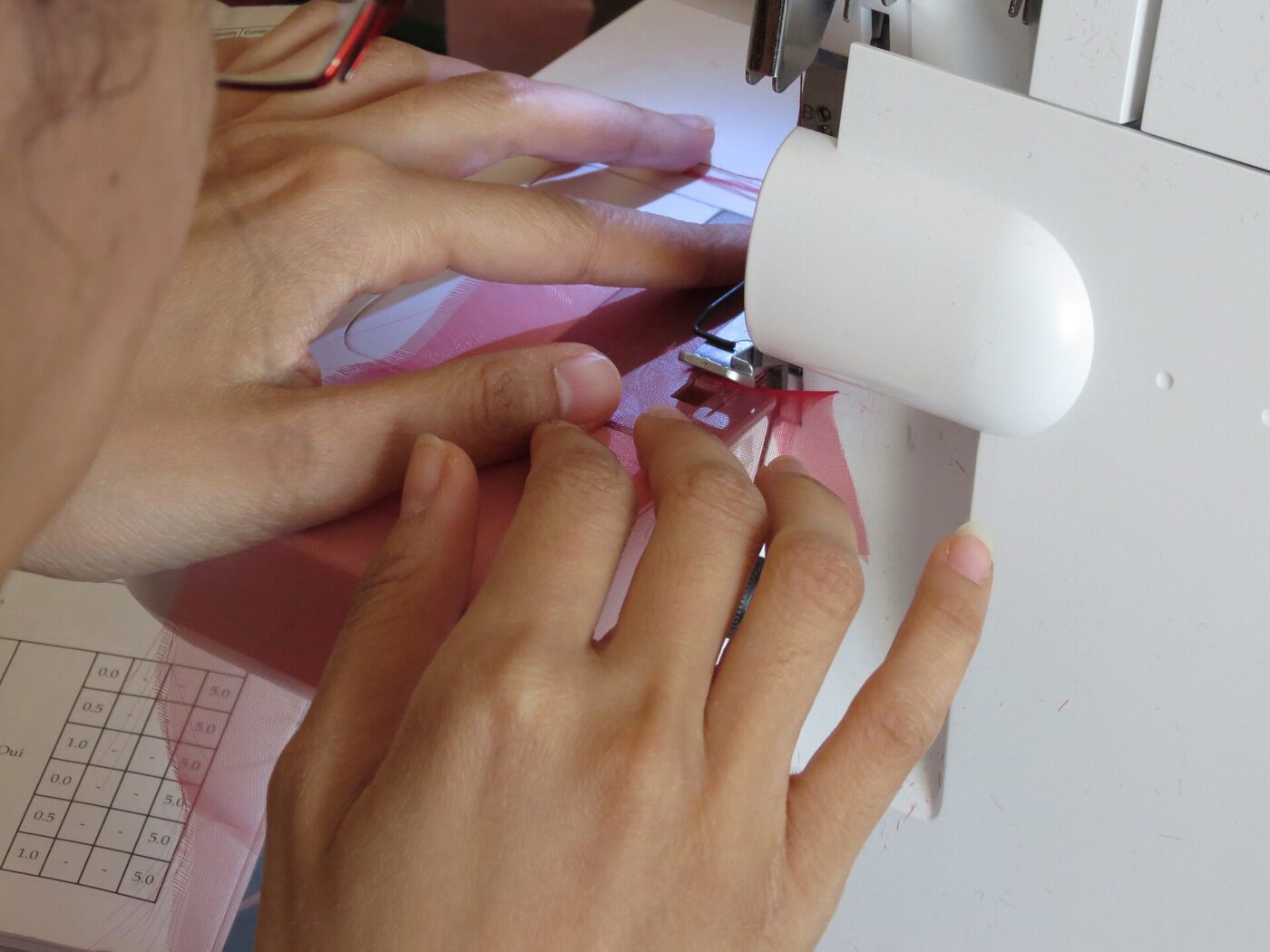
A serger and a sewing machine can sit next to each other in a store aisle at nearly the same price, doing what looks like the same job: making a seam. A first-time buyer usually cannot tell from the display why a serger owner still keeps a sewing machine within reach.
The difference is mechanical, not a matter of skill. A serger threads through several cones into loopers and a set of trimming knives; a sewing machine threads a single top thread through a needle into a bobbin below. Each machine is built around what that mechanism can and cannot do.
Fear Index · Low risk
A first machine bought for the wrong job
NMSU Extension’s buying guide is direct about the tradeoff: overlock sewing machines are specialized, but they do not replace the conventional sewing machine, even though the two often sit on the same store shelf at a similar price.
What a serger does in one pass
New Mexico State University Extension’s buying guide describes the core function plainly: an overlock machine can trim, stitch and overcast seams as they sew, and can run at up to 1,700 stitches per minute — faster than most conventional machines, because it is doing three jobs in the same pass a sewing machine does in one.
That combination is what makes a serger fast for finishing raw edges: knives trim the fabric edge as it feeds through, while loopers wrap thread around that trimmed edge in the same motion, so there is no separate step for pinking shears or a zigzag finish afterward.
Brother’s own listing for its 1034D model, a common entry serger, shows the same pattern in its spec sheet: the stitches on offer are 4-thread overlock, 3-thread overlock, narrow hem, rolled hem and ribbon lock — all edge-finishing and hemming stitches, with no straight lockstitch or buttonhole stitch among them.
Threads, cones and what a beginner is actually signing up for
A serger asks for more thread management before the first stitch. NMSU Extension’s guide notes overlock machines typically run in two-thread, three-thread or four-thread configurations, each suited to different jobs — two-thread for finishing edges and decorative work, three-thread for trimming and seaming, four-thread for a stronger seam with a built-in safety stitch.
Thread itself is different too. The guide recommends checking that the thread stand has adapters for cones, since cone thread commonly runs more than 1,000 yards and costs less per yard than standard spool thread — a serger burns through more thread per seam than a sewing machine does, simply because it lays down more stitches to cover a trimmed edge.
Brother’s 1034D ships as a 3-or-4-thread model with two needles, and the retail package includes four large spools of serger thread to start — worth knowing before assuming leftover sewing-machine thread will do the job.
Differential feed and why knits sew wavy without it
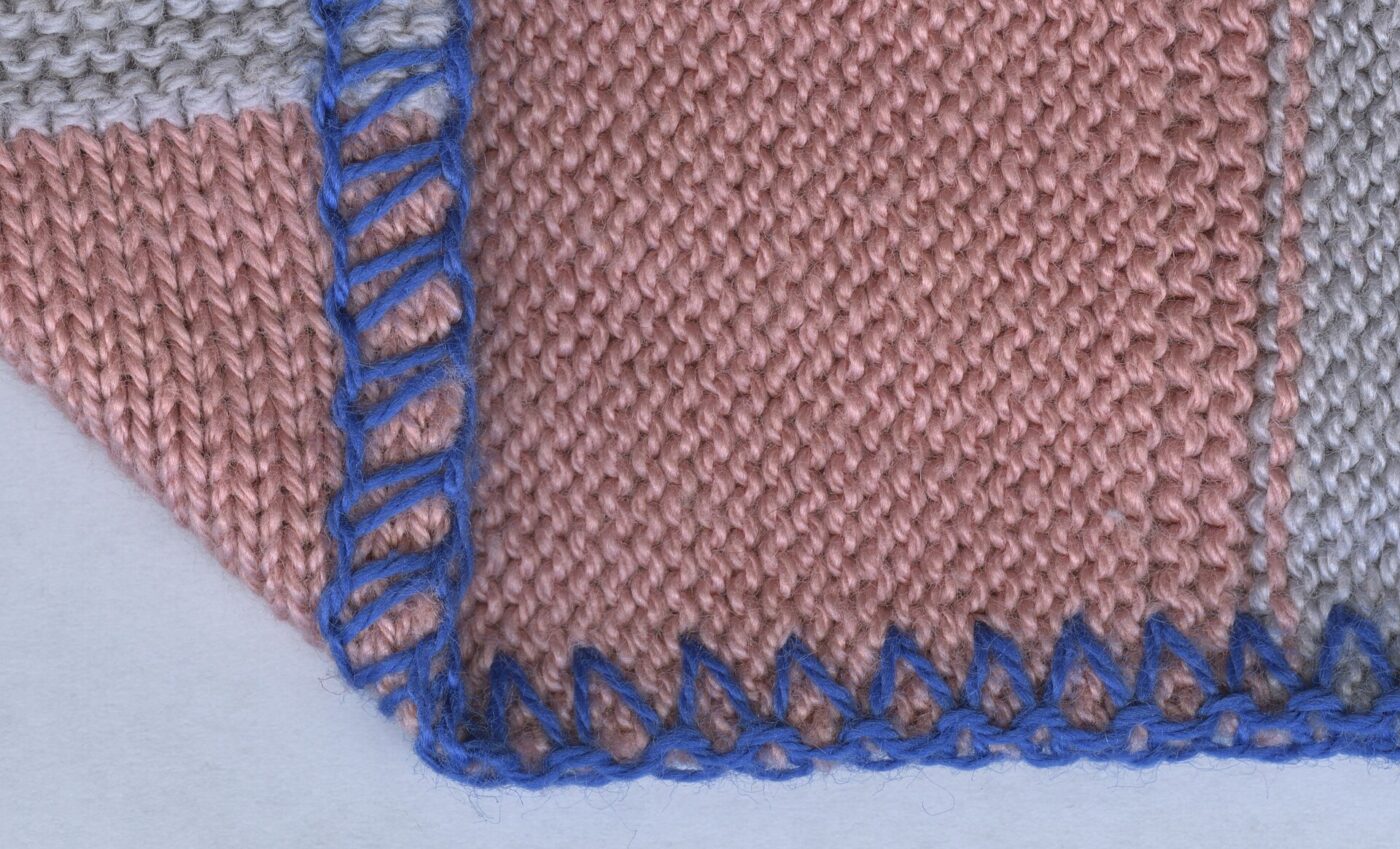
Stretch fabric is where a serger’s other real advantage shows up. Brother describes its 1034D’s differential fabric feed as built to produce a more even, professional finish, even on very thin or stretchy fabrics, by feeding fabric into the machine at two independently adjustable rates instead of one.
Juki’s MO-6900R series, an industrial overlock machine, specifies that range in concrete ratios: a gathering setting up to 1:4 and a stretching setting down to 1:0.6, letting front and rear feed dogs move fabric through at different speeds to either ease in extra fullness or stretch fabric taut as it sews.
A conventional sewing machine feeds fabric with a single feed dog, which is exactly why a knit seam sewn on one alone can pucker or wave: nothing is compensating for how much a stretch fabric wants to shift under the needle. A serger’s second feed dog is built specifically to correct that.
What a serger still leaves to the sewing machine
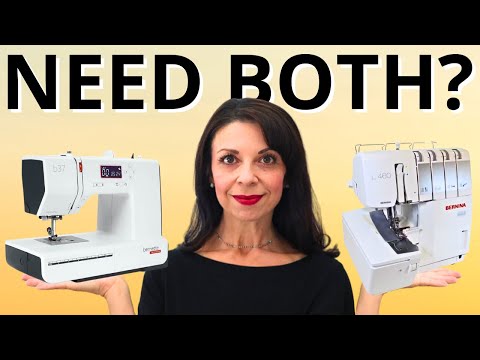
NMSU Extension is direct about the limit: overlock sewing machines are specialized, but they do not replace the conventional sewing machine. The stitches a serger is built around are edge-finishing and hemming stitches; a straight lockstitch that can be reversed at the start and end of a seam is not one of them.
That gap shows up in exactly the tasks a beginner project usually needs first. Attaching a zipper the conventional way is a straight, reinforced seam sewn along the tape with reverse stitching at each end — the kind of stitch built into a sewing machine, not the overlock stitches listed on an entry serger like the 1034D. A serger can trim and finish a fabric edge before or after that step, but the zipper itself is still sewn on a regular machine.
Buttonholes tell the same story. None of the stitch types on Brother’s 1034D spec sheet is a buttonhole stitch, because a serger’s mechanism — knives, loopers, no bobbin — was never built around one. A beginner who buys a serger first, expecting it to cover general garment construction, is buying a very good edge finisher and still needs a sewing machine for the rest of the garment.
Cheaper ways to test the need first
An overcast presser foot attaches to a conventional sewing machine and guides thread over a fabric edge in a zigzag pattern, approximating a serger’s overcast finish without a second machine, a second set of thread cones, or separate trimming knives. It will not match a serger’s speed or single-pass trim-and-finish, but it answers the same basic question: does this fabric edge need to be contained.
A coverstitch machine solves a different problem entirely — the flat, parallel-line hem stitch seen on the bottom of a T-shirt, which a standard overlock machine does not produce even though the two are sometimes confused for the same thing. Anyone specifically chasing that look needs a coverstitch machine or a combination unit, not just any serger.
For a household still deciding whether garment sewing sticks as a hobby, a sewing machine on its own, finished with pinking shears or an overcast foot, tests the interest at a fraction of the cost. A serger is the upgrade once seam finishing on knits becomes a regular enough task to be worth a second machine and a second spool rack. Our guide to choosing a sewing machine covers the first purchase in more depth.
Buy the sewing machine first. A serger is the machine you add once you know exactly what it is for.
The shortlist
Paid links: we earn a commission if you buy through the buttons below, at no extra cost to you. As an Amazon Associate I earn from qualifying purchases.
Compared on what a beginner actually sews first
| Product type | Best for | Risk estimate | Where to buy |
|---|---|---|---|
| 4-Thread Serger With Differential Feed | Finishing knit seams in one pass | 12/100 | See listings on AmazonOpens Amazon search results, not one listing: check the model on the product page. |
| Serger Thread Cones (4-Pack) | A lower-cost way to test the machine first | 5/100 | See listings on AmazonOpens Amazon search results, not one listing: check the model on the product page. |
| Overcast Presser Foot for a Sewing Machine | Adding an overcast edge without a second machine | 6/100 | See listings on AmazonOpens Amazon search results, not one listing: check the model on the product page. |
Risk estimate is our editorial Fear Index for the product type (lower is safer), not a customer rating. How it is scored.
Overcast Presser Foot for a Sewing Machine
An overcast foot answers whether seam finishing is worth a second machine before spending on one.
- Works on a sewing machine already owned
- No second machine or thread cones to manage
- Confirms whether knit seams are a regular job
- Slower than a serger’s single pass
- No built-in trimming knife
4-Thread Serger With Differential Feed
Differential feed is the spec that matters for knits — check it is listed, not just the thread count.
- Differential feed keeps knit seams from waving
- Trims and overcasts in the same motion
- Four-thread option adds a safety stitch
- Still no buttonhole or straight topstitch
- Four cones to thread and keep in tension
More: Hobbies and Making analyses and how the Fear Index is scored.
Questions people actually ask
Do I need a serger to sew garments?
No. A sewing machine handles buttonholes, zippers and topstitching on its own, and an overcast presser foot can approximate a serger’s edge finish for far less money while you decide whether you need one.
What does differential feed actually do?
It runs a serger’s front and rear feed dogs at different speeds, easing in fullness or stretching fabric taut as it feeds. Brother and Juki both build it in specifically to stop stretch-knit seams from puckering or waving.
Can a serger sew buttonholes or zippers?
Entry sergers like Brother’s 1034D list only overlock and hem stitches, with no buttonhole stitch. A zipper is still sewn as a straight, reversed seam on a conventional machine; a serger can trim and finish the fabric edge around it.
What is the difference between a serger and a coverstitch machine?
A serger trims and overcasts a seam edge. A coverstitch machine sews the flat, parallel hem stitch seen on T-shirt hems, which an overlock machine does not produce. They solve different problems and are sometimes confused for the same machine.
How many thread cones does a serger need?
Two, three or four, depending on the model and stitch type. NMSU Extension’s guide recommends checking the thread stand has cone adapters, since cone thread runs over 1,000 yards and costs less per yard than standard spool thread.