
Cold Process Soap Starts With a Caustic That Can Blind You; Goggles and a Scale Matter Most
Sodium hydroxide burns eyes and skin on contact and gets hot fast in water. What NIOSH, ATSDR and poison-center guidance says about PPE and first aid.

A bag of sodium hydroxide sold for soap making looks like a kitchen ingredient: white, granular, sold in a plastic tub next to the essential oils and molds. NIOSH’s chemical hazard guide treats it very differently — as a substance that causes eye and skin burns on contact, with irritation of the mucous membranes and respiratory tract from the dust or fumes.
Cold process soap cannot be made without it; lye is what turns oil into soap. What separates a safe first batch from a trip to urgent care is mostly procedure — how the lye is measured, mixed, contained and cleaned up — not the chemistry itself, which several federal safety guides describe in exactly the same terms.
Fear Index · High risk
A caustic sold next to a kitchen ingredient list
NIOSH’s chemical hazard guide lists sodium hydroxide as a direct cause of eye and skin burns on contact, and ATSDR’s medical guidance says neutralizing it with an acid should never be attempted, because the reaction adds a thermal burn on top of the chemical one.
What sodium hydroxide does to eyes and skin
NIOSH’s Pocket Guide to Chemical Hazards lists sodium hydroxide’s health hazards plainly: irritation of the eyes, skin and mucous membranes, along with eye and skin burns, at an exposure limit the agency and OSHA both set as a ceiling of 2 milligrams per cubic meter of air — never to be exceeded, not averaged over a shift.
ATSDR’s medical management guidelines for sodium hydroxide describe the standard response to skin contact: brush off any solid material while protecting the eyes, remove contaminated clothing, and flush the exposed skin with water for at least 15 minutes. For eye exposure, irrigate with plain water or saline for at least 30 minutes, continuing until the eye’s pH returns to neutral, with an ophthalmologist consulted immediately.
One instruction appears in both agencies’ guidance without exception: never try to neutralize sodium hydroxide on skin or in eyes with vinegar, lemon juice or any other acid. ATSDR is direct that neutralizing substances should not be used, because the neutralization reaction itself generates heat, adding a thermal burn on top of the chemical one.
The right response to lye on skin is water, immediately, for a full 15 minutes — not a home remedy.
Mixing lye into water, and containers that react
Dissolving sodium hydroxide in water is not a gentle process. NOAA’s CAMEO Chemicals hazard database, built for chemical emergency response, says dissolution “can liberate enough heat to cause steaming and spattering” — which is why standard practice is to add the lye slowly into room-temperature water in a heat-tolerant container, never the reverse, and never in a container that cannot take the heat.
The container itself matters as much as the order. Certified Lye, a soap-making lye supplier, warns that sodium hydroxide reacts with aluminum, magnesium, zinc, tin, chromium, brass and bronze to produce flammable hydrogen gas, and recommends plastic, stainless steel or glass instead, along with safety glasses, chemical-resistant gloves and adequate ventilation.
The same reactivity is why a kitchen aluminum pot is the wrong tool for lye, even for someone who has made soap for years. A container bought for soap making, and never used for food again, removes the guesswork.
Why soap is weighed to the gram, not measured by the cup

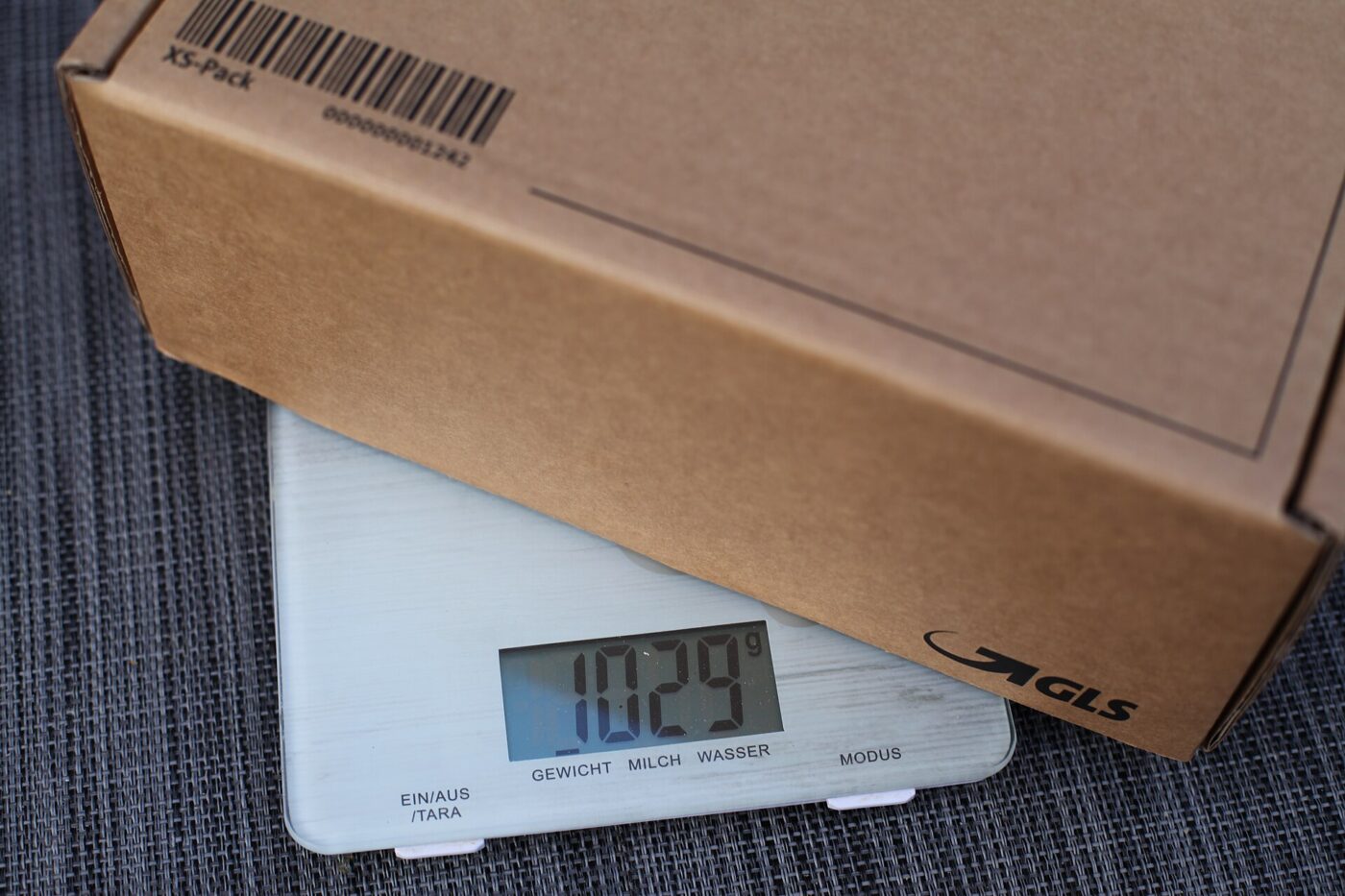
A cold process soap recipe balances a specific weight of lye against a specific weight of oils, because the two react in a fixed ratio — a saponification value that differs for every oil. Measuring either by volume instead of weight introduces exactly the error that ratio cannot absorb: a cup of lightly packed flakes and a cup of tightly packed flakes are not the same weight, even though the cup looks the same.
A digital scale that reads to a tenth of a gram removes that error at both ends of the recipe. Soap makers run their recipes through a lye calculator before mixing anything, which checks the oil-to-lye ratio and typically builds in a small excess of oil — called superfat — so any measuring imprecision leans toward extra oil rather than extra lye.
Skipping the scale does not usually ruin a batch outright. It shifts the odds toward a bar with more unreacted lye left in it than the recipe intended, which is a problem the next several weeks of curing are supposed to fix.
Curing time and a lye-heavy bar
Saponification, the reaction that turns oil and lye into soap, continues for days after a batch is poured into a mold, and curing — typically four to six weeks of air-drying — lets that reaction finish while excess water evaporates out of the bar. A bar used too soon has had less time for any leftover lye to fully react and for the bar to harden into its final form.
A soap maker who has not weighed ingredients precisely, or who has changed a recipe without rerunning it through a lye calculator, has the most reason to test a batch before handing bars out as gifts. pH testing strips made for soap, rather than judging by smell or feel, are the tool built for that job.
A batch that skipped the scale is the one worth testing before it leaves the house, not the one to assume turned out fine because it looks like soap.
Selling soap: when FDA, CPSC or neither applies
The FDA draws a narrow line around what counts as “soap” for regulatory purposes. Under its own guidance, a product only qualifies if the bulk of its nonvolatile matter is an alkali salt of fatty acids — true soap chemistry — and if it is labeled, sold and represented solely as soap, with no claims about moisturizing, treating skin conditions or other cosmetic or drug effects.
A product that clears that bar is regulated by the Consumer Product Safety Commission, not the FDA, according to the agency’s own page. The moment a label claims a bar deodorizes, moisturizes, exfoliates or treats a skin condition, the FDA treats it as a cosmetic or a drug instead, which brings a different set of labeling and safety rules into play regardless of what the ingredient list looks like.
A home soap maker selling at a craft fair with a label that says nothing more than “soap” and lists ingredients is in different regulatory territory than one who prints “moisturizing” or “anti-acne” on the wrapper. The mixing and curing safety practices do not change either way; what changes is which agency’s rules apply to the label. For gloves and ventilation guidance that carries over from another chemistry-heavy hobby, see our resin 3D printer safety guide.
The shortlist
Paid links: we earn a commission if you buy through the buttons below, at no extra cost to you. As an Amazon Associate I earn from qualifying purchases.
Compared on keeping a lye batch under control
| Product type | Best for | Risk estimate | Where to buy |
|---|---|---|---|
| Food-Grade Sodium Hydroxide (Lye) for Soap Making | Sourcing lye correctly | 35/100 | See listings on AmazonOpens Amazon search results, not one listing: check the model on the product page. |
| Indirect-Vent Chemical Splash Goggles | Protecting eyes and skin | 15/100 | See listings on AmazonOpens Amazon search results, not one listing: check the model on the product page. |
| Digital Scale (0.1 g Resolution) | Measuring to the gram | 12/100 | See listings on AmazonOpens Amazon search results, not one listing: check the model on the product page. |
Risk estimate is our editorial Fear Index for the product type (lower is safer), not a customer rating. How it is scored.
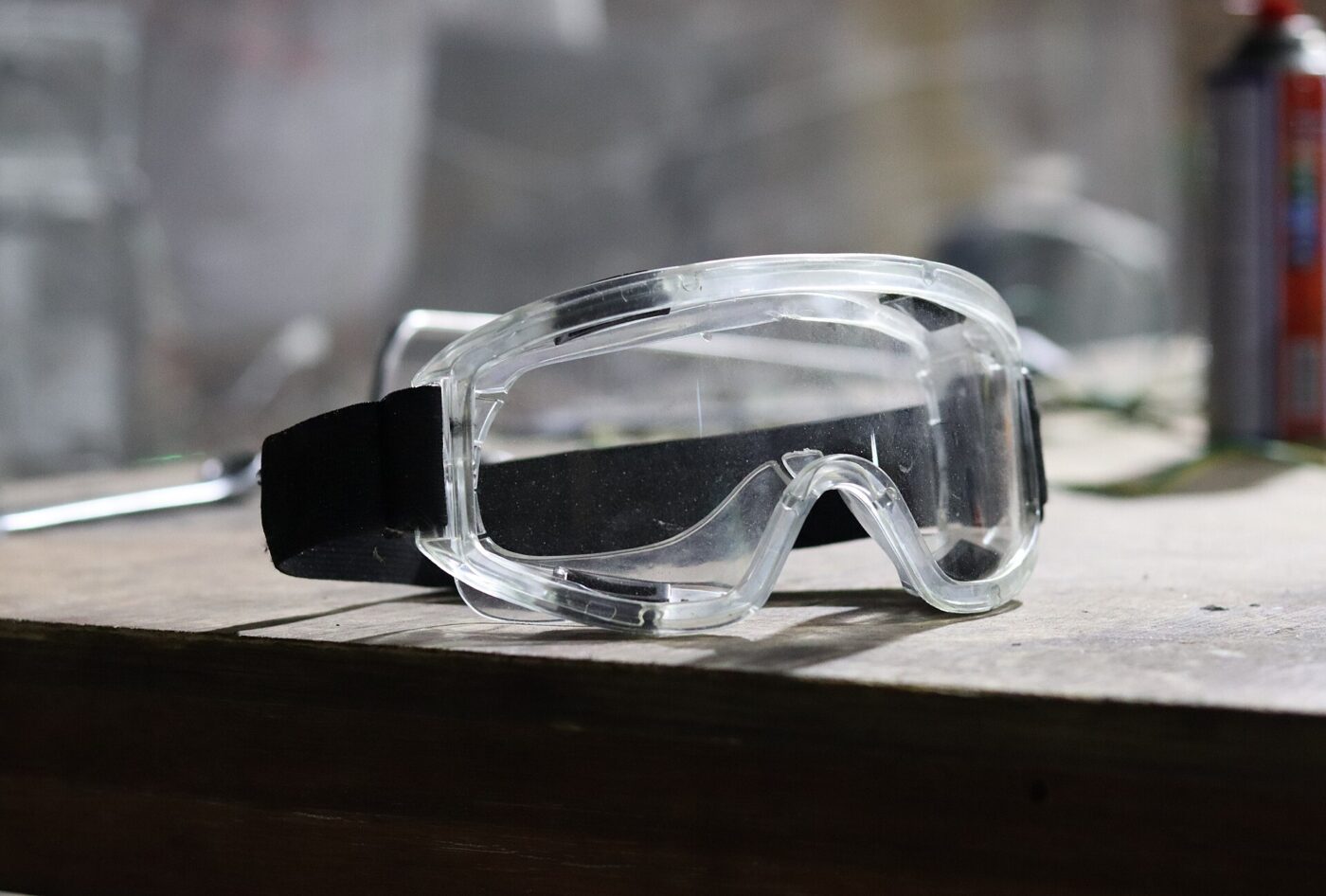
Indirect-Vent Chemical Splash Goggles
NIOSH lists eye burns among sodium hydroxide’s direct hazards, and goggles that seal around the socket cover a splash that safety glasses do not.
- Indirect vents block splash, not just dust
- Covers the eye socket, unlike glasses
- Can fog without ventilation
- Not a substitute for gloves or long sleeves
Digital Scale (0.1 g Resolution)
A gram-accurate scale keeps the oil-to-lye ratio a soap recipe depends on from drifting toward a lye-heavy bar.
- Weighs lye and oils to a tenth of a gram
- Removes the density error a cup measure hides
- Adds a step compared to scooping by volume
- Needs a lye calculator to use the numbers
More: Hobbies and Making analyses and how the Fear Index is scored.
Sources
- NIOSH Pocket Guide to Chemical Hazards: Sodium Hydroxide — CDC/NIOSH
- Sodium Hydroxide: Medical Management Guidelines — ATSDR/CDC
- Is It a Cosmetic, a Drug, or Both? (Or Is It Soap?) — FDA
- Sodium Hydroxide, Solid — CAMEO Chemicals (NOAA)
- Safety Precautions for Lye (Sodium Hydroxide) — Certified Lye
- First Aid for Poisonings — National Capital Poison Center
Questions people actually ask
What should I do if lye touches my skin or eyes?
ATSDR’s guidance is to flush skin with water for at least 15 minutes and eyes for at least 30 minutes, and to get medical attention. Never try to neutralize it with vinegar or another acid; the reaction generates additional heat.
Why do I add lye to water instead of water to lye?
NOAA’s CAMEO Chemicals database says dissolving sodium hydroxide can release enough heat to cause steaming and spattering. Adding it slowly into water, in a heat-tolerant container, keeps that reaction manageable.
Can I mix lye in an aluminum bowl?
No. Sodium hydroxide reacts with aluminum, zinc, tin and several other metals to produce flammable hydrogen gas, according to lye supplier Certified Lye. Use plastic, stainless steel or glass instead.
Why does a soap recipe need a scale instead of measuring cups?
Lye and oils react in a fixed ratio, and a loosely packed cup of lye weighs less than a tightly packed one even though the volume looks the same. Weighing both to the gram keeps the ratio a recipe’s lye calculator assumes.
Is homemade soap regulated by the FDA?
Only if it is not true soap. The FDA’s own guidance says a product that is entirely alkali salt of fatty acids, labeled and sold only as soap, is regulated by the CPSC instead. Cosmetic-style claims on the label bring it back under FDA rules.