
Homemade Candles Fail at the Wick and the Jar, and Only a Full Test Burn Reveals It
A candle recipe can look finished and still burn wrong. Wick size, container standards and the full test burn that has to happen before a candle ships.

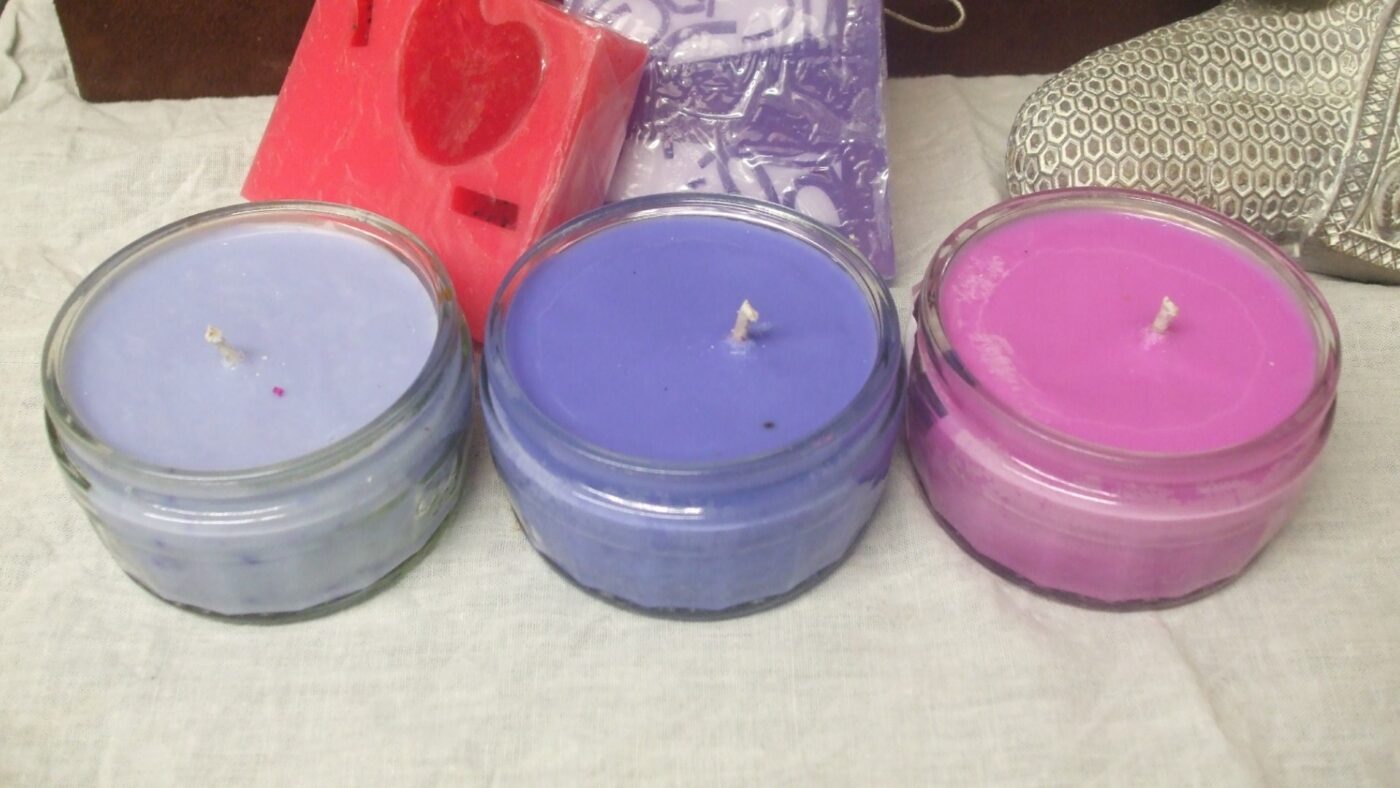
A candle recipe looks finished the moment it sets: the wax is smooth, the scent is strong, the wick sits straight in the center. None of that tells a candle maker what the flame will do an hour into a burn, which is the only test that actually matters, and our guide to wax types and tunneling covers what a buyer sees once that candle leaves the workbench.
Industry standards exist because the gap between a candle that looks right and a candle that burns right is where fires start. This guide covers the equipment a beginner needs, how wick size and fragrance load interact, which containers can take the heat, and the full test burn that has to happen before a candle is gifted or sold.
Fear Index · Think twice
A gift that looks finished before it is tested
CPSC’s recall of about 640 units from one candle maker cited a flame that burned too high, igniting the candle and cracking its glass jar, with reports of singed surfaces and one burn injury.
Melting wax safely: flash points and pouring pitchers
Wax should be melted over indirect heat — a double-boiler setup or a dedicated wax melter — rather than a direct stovetop flame, because overheated wax can ignite. A dedicated pouring pitcher with a spout and a clipped-on thermometer replaces guesswork with an actual number, which matters because different waxes have different recommended melt and pour temperatures printed on the supplier’s own data sheet.
The same pitcher setup that keeps a melt at a safe temperature also makes a clean, controlled pour easier, which matters later: an uneven pour is one more variable stacked on top of wick size when a finished candle does not burn the way it was supposed to.
A thermometer is cheaper than a kitchen fire. Guessing at wax temperature is the first place a home batch goes wrong.
Wick size, wax type and fragrance load
A wick has to be sized to the container’s diameter and the specific wax being used, not chosen by habit from a previous batch. Too small, and the candle tunnels down the center or self-extinguishes; too large, and the flame runs into the exact failure ASTM F2417 sets a limit for, since that standard “establishes maximum flame height, tip-over limits, secondary-ignition proscriptions, and end-of-useful life specifications” for finished candles.
Fragrance oil changes the equation further. Oversaturating a wax with fragrance changes how readily the wick draws fuel, which shows up as extra soot, an uneven flame or a scent that fades early — another reason a wick size that worked in one recipe does not automatically transfer to a recipe with a different fragrance load.
A wick sized for a wider jar than the one it is actually in is the shortcut to a flame that burns too high for the container underneath it.
Which containers can take a candle’s heat
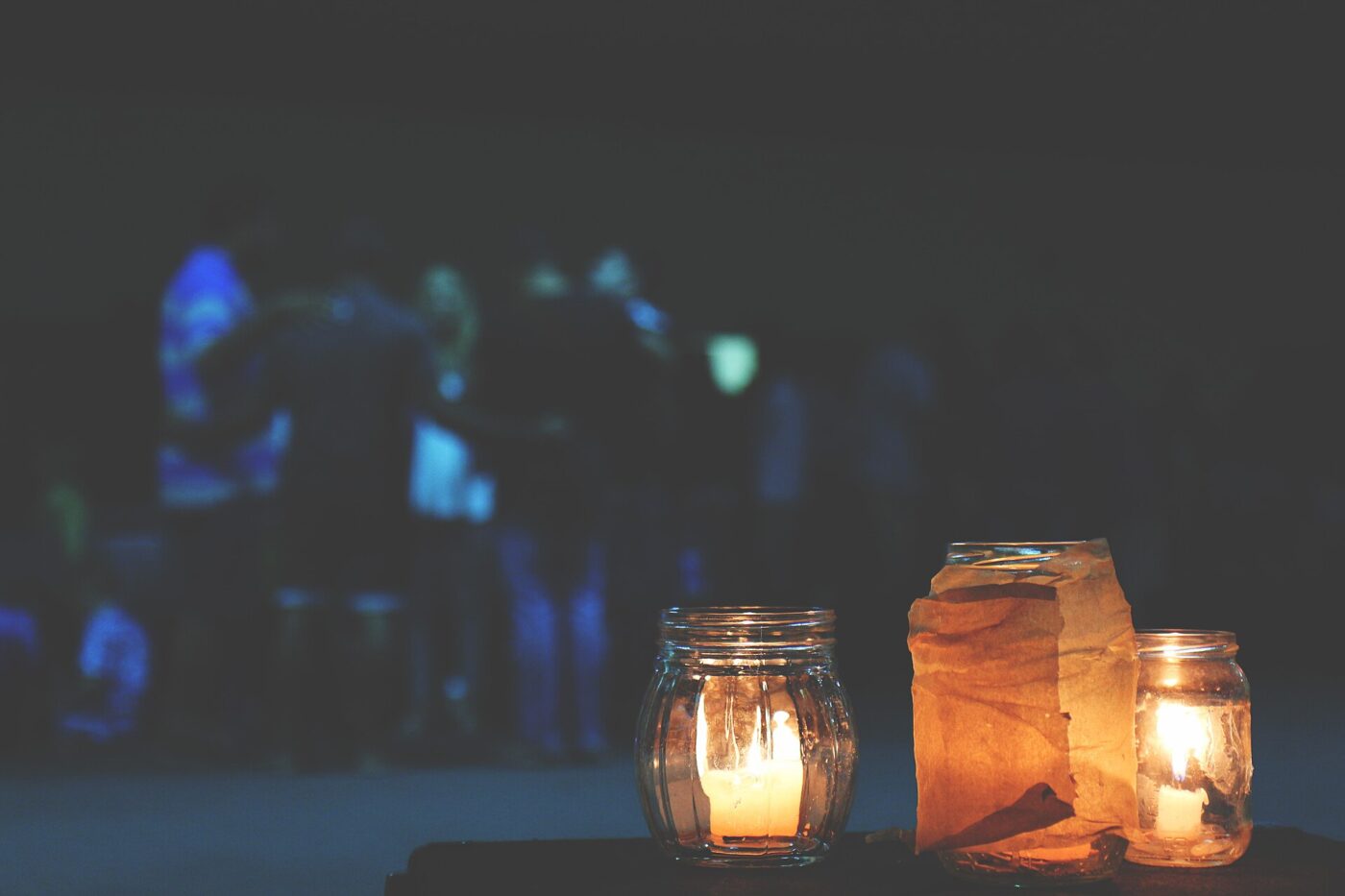
Purpose-built candle containers are made to an actual glass standard. ASTM F2179 covers “scratch test and temper specifications for the proper annealing of glass containers” for candle use, addressing how well the glass has been heat-treated to resist the thermal stress a burning candle puts on it.
A decorative jar pulled from a thrift store, or any glassware not sold as a candle container, has not been through that annealing check, and the heat concentrated near the bottom of a nearly spent candle is exactly the stress that check exists for.
CPSC’s own recall record shows what that failure looks like in practice: one maker’s 3-wick candles were recalled after a flame “can burn too high and cause the candle to ignite and the glass container to break, posing fire, burn and laceration hazards,” following six consumer reports and one minor burn injury.
A jar that has never been through a burn test is a guess, whatever it is marketed as.
The full test burn: flame height, soot, glass temperature

A test burn means lighting the candle and watching it for the length of a normal session, not a token few minutes. The National Candle Association’s own guidance calls for trimming the wick to a quarter inch before each light, a step worth building into the test itself, since an untrimmed wick straight from the mold is not the wick a buyer will actually be lighting.
Watch what the flame does as the candle burns down: whether it holds a steady shape or grows taller and starts to flicker and smoke, whether the jar warms evenly at the base or gets uncomfortably hot to the touch, and whether the wax pool reaches the container’s edges evenly or leaves an unmelted ring, a sign the wick is undersized for that diameter. The same guidance says to stop burning a candle once half an inch of wax remains, and a test burn should confirm the candle behaves safely all the way down to that point.
Running that full check across a couple of pours, not just one, is what separates a wick-and-wax combination that is actually ready for a batch from one that happened to work once.
A candle that has only been lit once, briefly, has not been tested. It has been sampled.
Warning labels for candles you give or sell
A voluntary industry standard, ASTM F2058, has covered fire-safety warning labeling for candles since 2000, requiring language that tells a buyer to keep the candle in sight and away from flammable material while it burns. Three related standards round out the set: F2179 for glass containers, F2417 for flame height and fire-safety design, and F2601 for candle accessories such as rings and holders.
CPSC adds its own hard rule for wicks specifically: any metal-cored wick, and any candle that uses one, must not contain lead in the metal core “in excess of 0.06% by weight,” and bulk shipments must carry the statement “Conforms to 16 CFR 1500.17(a)(13).” Any candle containing a hazardous substance under the Federal Hazardous Substances Act must carry cautionary labeling as well.
A candle made as a one-off gift is not carrying the same commercial paperwork as a candle sold at a craft fair, but the underlying advice does not change: pass along basic burn instructions — trim the wick, never leave it unattended, keep it clear of anything flammable, stop at half an inch of wax — with any candle a recipient did not make themselves.
| ASTM standard | What it covers |
|---|---|
| F2058 | Fire-safety warning labeling for candles |
| F2179 | Annealing and thermal-shock specs for glass containers |
| F2417 | Maximum flame height, tip-over limits, secondary-ignition rules |
| F2601 | Fire safety for candle accessories such as rings and holders |
The shortlist
Paid links: we earn a commission if you buy through the buttons below, at no extra cost to you. As an Amazon Associate I earn from qualifying purchases.
Compared on passing a real test burn
| Product type | Best for | Risk estimate | Where to buy |
|---|---|---|---|
| Wax Melting and Pouring Pitcher | Melting wax without guesswork | 15/100 | See listings on AmazonOpens Amazon search results, not one listing: check the model on the product page. |
| Soy Candle Making Kit With Cotton Wicks | Starting with a tested wick size | 25/100 | See listings on AmazonOpens Amazon search results, not one listing: check the model on the product page. |
| Heat-Resistant Candle Jars or Tins | Containers built for candle heat | 20/100 | See listings on AmazonOpens Amazon search results, not one listing: check the model on the product page. |
Risk estimate is our editorial Fear Index for the product type (lower is safer), not a customer rating. How it is scored.
Soy Candle Making Kit With Cotton Wicks
Starting from a wick already matched to the kit’s jar removes one variable while a beginner learns to read a test burn.
- Wick size matched to the kit’s jar
- Cotton wicks, no metal core to restrict
- Enough supply for several test burns
- Still needs a full test burn per batch
- Fragrance load still up to the maker
Heat-Resistant Candle Jars or Tins
A jar rated for candle heat is a different product than a decorative jar repurposed for one, and only a test burn confirms which one you actually have.
- Rated for direct candle heat
- Consistent wall thickness for even burn
- Sized for common wick and wax kits
- Costs more than a repurposed jar
- Still needs its own test burn
More: Handmade and Gifts analyses and how the Fear Index is scored.
Questions people actually ask
How do I choose the right wick size for a candle?
Match the wick to the container’s diameter and the wax type, then confirm the choice with a full test burn rather than trusting a generic size chart, since fragrance load and wax type both change how a wick actually burns.
What is a candle test burn and why does it matter?
It means burning a finished candle for a full session and watching flame height, soot, an even wax pool and jar temperature, per National Candle Association guidance — not lighting it briefly to check the scent.
Can I use any glass jar for a candle?
Not safely. Candle containers are built to a glass-annealing standard that decorative or repurposed jars have not been tested against, and CPSC has recalled candles whose flame burned hot enough to crack the jar.
Do homemade candles need warning labels?
Industry standard is a fire-safety label warning to keep the candle in sight and away from flammable material, and any candle using a metal-cored wick has its own restriction on lead content.