
A Card Sleeve That Protects for Decades Is Polypropylene, Not PVC, and Sized to the Card
Federal archival standards prohibit PVC for off-gassing plasticizers. Polypropylene sleeves and the right size protect a card collection instead.

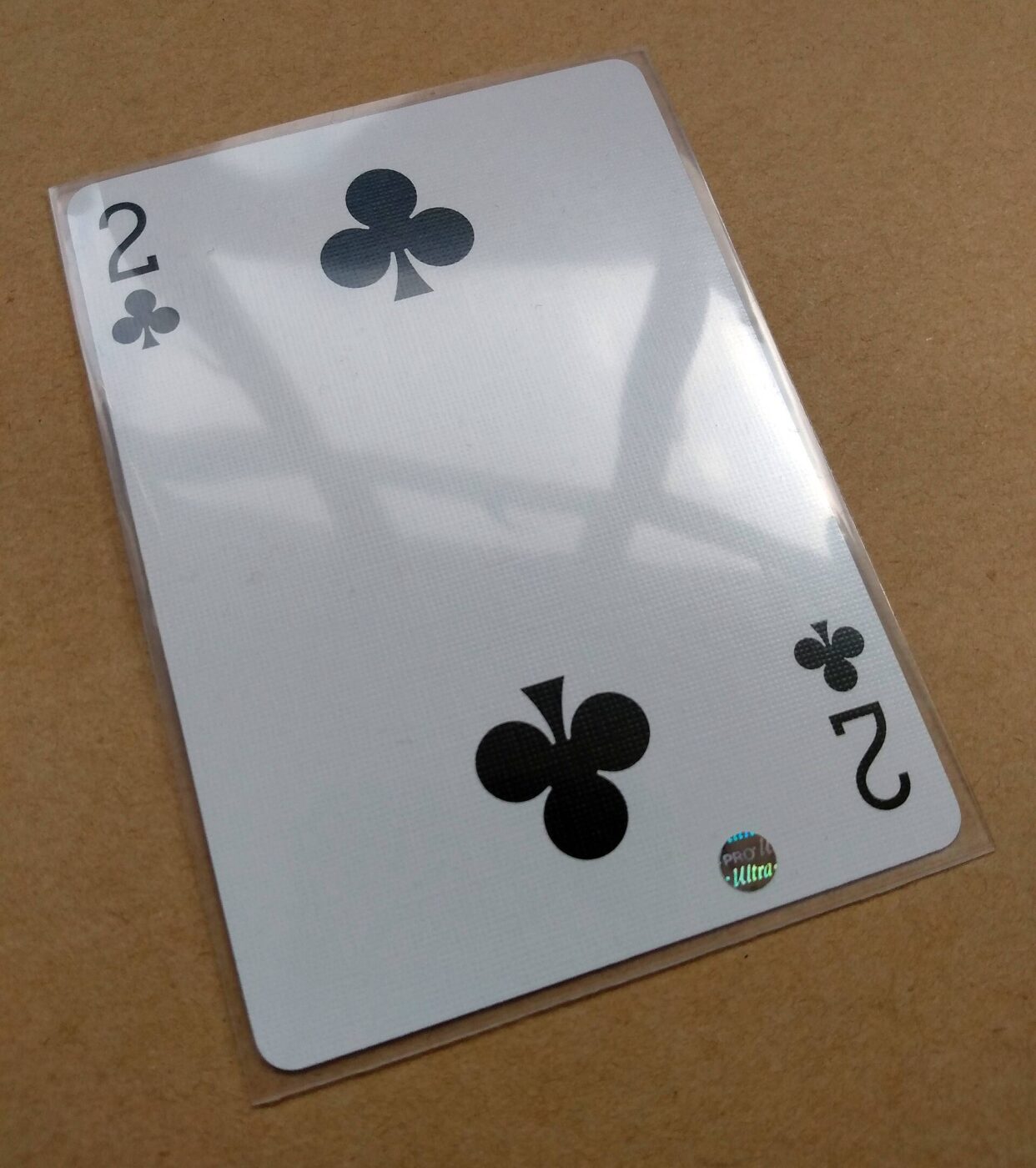
A pack of card sleeves rarely says what plastic it is made from unless a shopper reads the fine print, and the two most common options age very differently. One is essentially inert against what it touches for decades; the other releases the chemicals that keep it flexible into the air and onto the card inside it.
The material question is the same one archivists ask about photographs and documents, and the answer is the same: avoid PVC. Collectors and board gamers add a second question on top of it — sleeve and card sizes are not standardized across publishers, and a sleeve that does not fit bends corners instead of protecting them.
Fear Index · Low risk
A sleeve that damages what it is supposed to protect
NARA’s own archival storage standards list PVC among the materials prohibited from its holdings rooms because it off-gasses harmful pollutants, and archival-supply guidance says PVC’s plasticizers can make enclosures turn oily, soft and yellowed over time.
Why PVC is the material to avoid
NARA’s own archival storage standards, updated in 2023, list polyvinyl chloride polymers among the materials known to off-gas harmful pollutants and prohibited from use anywhere near federal holdings, including any enclosure that would touch a record or artifact directly.
Archival-supply guidance from Gaylord Archival explains what that off-gassing looks like in practice: PVC needs plasticizers to stay flexible, and those chemicals release gases into the air and break down the material itself over a surprisingly short time, leaving enclosures that feel oily to the touch and begin to soften and yellow.
The same chemistry applies whether the enclosure holds a government record or a trading card. A soft, flexible PVC sleeve or binder page sitting against a card for years gives its plasticizers somewhere to migrate to, and the card is what is touching it the whole time.
A sleeve that feels unusually soft and flexible right out of the pack is often the PVC tell; polypropylene and polyester feel stiffer and crinklier by comparison.
Polypropylene, polyester and “acid-free” claims
Gaylord Archival’s own plastics guidance describes both alternatives as chemically inert. Polyester offers high tensile strength and will not yellow or become cloudy over time; polypropylene is heat-resistant and protects against moisture and vapor, at a lower cost than polyester. Either is a safe long-term choice; the difference is mostly stiffness, clarity and price.
“Acid-free” is a separate claim worth checking on its own. It describes the pH of any paper component in a product, such as a binder page’s backing, not the plastic itself. A product can be labeled acid-free without being PVC-free, so the two claims need to be confirmed separately rather than assumed to travel together.
The Image Permanence Institute’s Photographic Activity Test, standardized as ISO 18916, is a more specific bar to look for. It screens a material for chemical interactions after prolonged contact, checking for reactions that cause image fade, silver mirroring or yellowing, and a material that passes it can be marketed as photo-safe.
Standard, Japanese and board-game card sizes

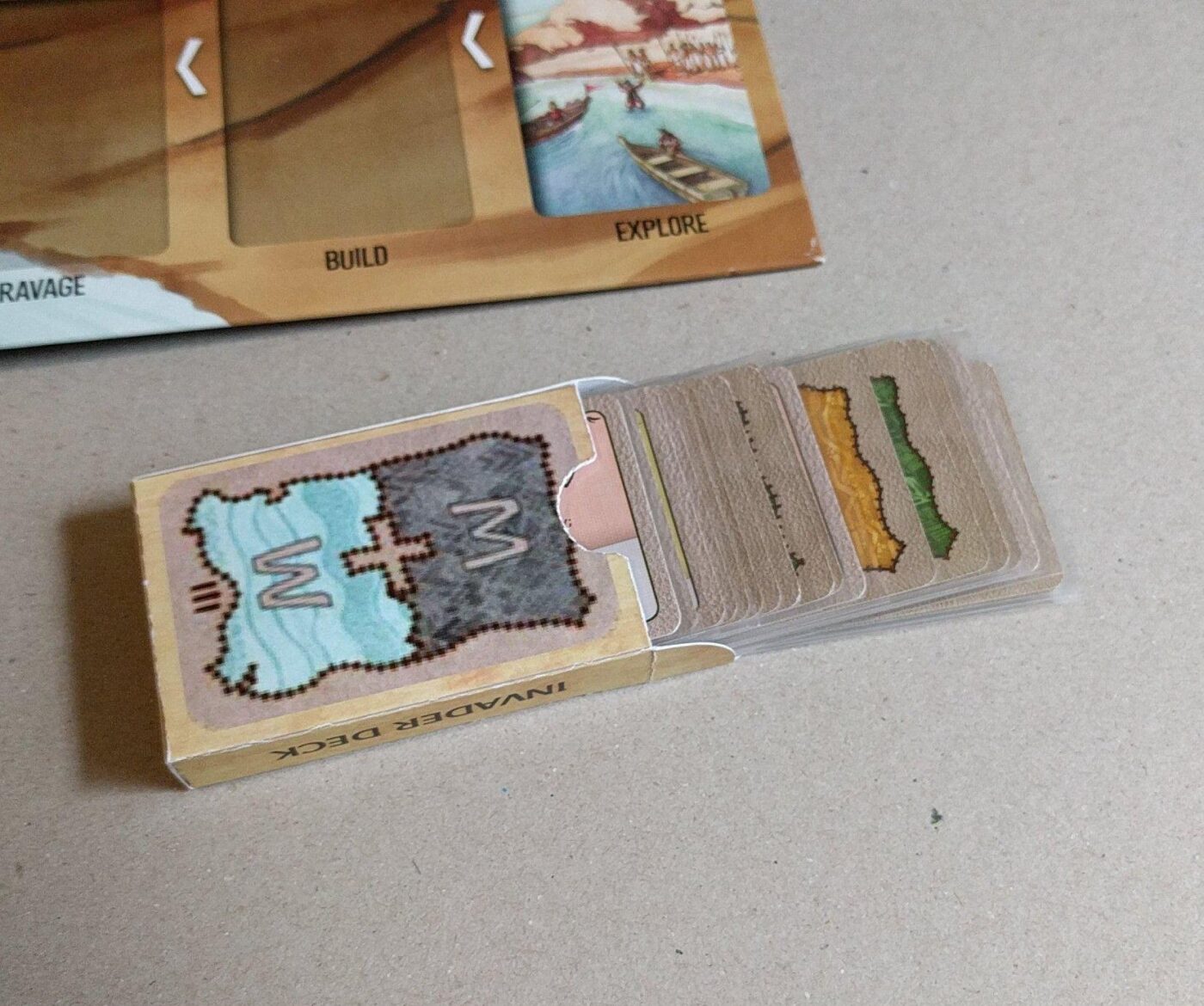
Most sports cards and trading card games sold in the United States share a common trading-card size, the one a baseball card or a mainstream collectible card game uses. Cards printed for the Japanese market in some of the same games run slightly smaller, and board games are their own world entirely: each publisher sets its own card dimensions, so a “standard” sleeve for one game can be the wrong size for another.
The practical effect shows up at the corners. Forcing a card into a sleeve sized for a different card either leaves it loose enough to shift and scuff inside the sleeve, or tight enough to bend a corner going in. Buying by the exact size class printed on the sleeve pack, rather than by the brand name on the front, is the safer habit for anything other than a mainstream trading card.
The size printed on the sleeve pack matters more than the brand behind it; a card that does not slide in freely, or has visible room to shift once inside, is in the wrong size.
Penny sleeves, toploaders and binders
Collectors commonly layer protection rather than picking one product. A thin penny sleeve goes directly against the card to keep off dust and fingerprints; for a higher-value card, a rigid toploader goes around the sleeved card to protect its shape and corners from bending.
Toploaders are sold in thickness classes, commonly described in points, matched to how many sleeved cards or how much extra padding sits inside — a single standard card in a thin sleeve needs a different thickness than a thicker graded-card holder.
For display or a full binder, side-loading pages hold sleeved cards in a pocket that opens from the side rather than the top, which keeps cards from sliding out when a page is flipped or the binder is carried around.
Humidity, light and storage boxes
NARA’s storage standards treat light exposure as cumulative damage: every source of light, natural or artificial, causes fading and chemical degradation over time, and the guidance calls for excluding natural light from long-term storage areas entirely. The same standards keep humidity moderate and temperatures cool rather than letting either swing widely, because both chemical and physical deterioration speed up as temperature and humidity rise.
A card collection does not need archive-grade climate control to benefit from the same direction of effort. Keeping sleeved cards and binders out of direct sunlight, away from an attic or garage’s temperature swings, and in a closed box rather than an open shelf covers the same two risks at a much smaller scale.
A card does not need archive-grade climate control, but the same two enemies apply at a smaller scale: direct light and swings in heat or humidity.
The shortlist
Paid links: we earn a commission if you buy through the buttons below, at no extra cost to you. As an Amazon Associate I earn from qualifying purchases.
Compared on protecting cards long-term
| Product type | Best for | Risk estimate | Where to buy |
|---|---|---|---|
| Polypropylene Card Sleeves, Acid-Free, No PVC (100-Pack) | A safe default material | 8/100 | See listings on AmazonOpens Amazon search results, not one listing: check the model on the product page. |
| Toploaders, 3×4 in (35pt) | Fitting an oversized card | 10/100 | See listings on AmazonOpens Amazon search results, not one listing: check the model on the product page. |
| PVC-Free Side-Loading 9-Pocket Binder | Storing a full collection | 12/100 | See listings on AmazonOpens Amazon search results, not one listing: check the model on the product page. |
Risk estimate is our editorial Fear Index for the product type (lower is safer), not a customer rating. How it is scored.
Polypropylene Card Sleeves, Acid-Free, No PVC (100-Pack)
Polypropylene sleeves avoid the plasticizer off-gassing that federal archival standards cite as a reason to prohibit PVC from long-term storage.
- Chemically inert, unlike PVC
- Will not yellow or turn oily over time
- Sized for one common trading card class
- Thin on its own against bending
- Still needs the right size checked
PVC-Free Side-Loading 9-Pocket Binder
A binder keeps a collection organized and viewable, and a side-loading page is the version that does not spill cards when it is flipped or carried.
- Side-loading pockets resist sliding out
- Holds nine sleeved cards per page
- PVC-free page material
- Bulkier than loose sleeves in a box
- Pages add cost per card stored
More: Collectibles and Trading Cards analyses and how the Fear Index is scored.
Questions people actually ask
Why is PVC bad for card sleeves?
PVC needs plasticizers to stay flexible, and those chemicals off-gas and migrate into whatever the plastic touches over time. NARA’s own archival storage standards list PVC among the materials prohibited from its holdings rooms for exactly that reason.
What plastic should card sleeves be made of instead?
Polypropylene or polyester. Both are chemically inert and resist yellowing, according to archival-supply manufacturer guidance, unlike PVC, which can turn oily, soft and yellowed.
Does “acid-free” mean a sleeve is PVC-free?
Not necessarily. Acid-free describes the pH of any paper component; PVC-free describes the plastic itself. Check for both claims separately on a listing.
What is the Photographic Activity Test?
It is ISO 18916, run by the Image Permanence Institute, which screens a material for chemical reactions that cause fading, silver mirroring or yellowing. A material that passes it can be marketed as photo-safe.
Do all trading cards fit the same size sleeve?
No. Mainstream sports and trading card games generally share a common size, but board games set their own card sizes by publisher, so the size class printed on the sleeve pack matters more than the brand.