
Fake Silver Dollars Now Arrive in Fake Grading Slabs; a Scale and Calipers Catch the Easy Ones
Federal law requires an imitation coin to be marked COPY, yet many are not. Weight and diameter checks against the Mint’s own numbers, and how to verify a slab.

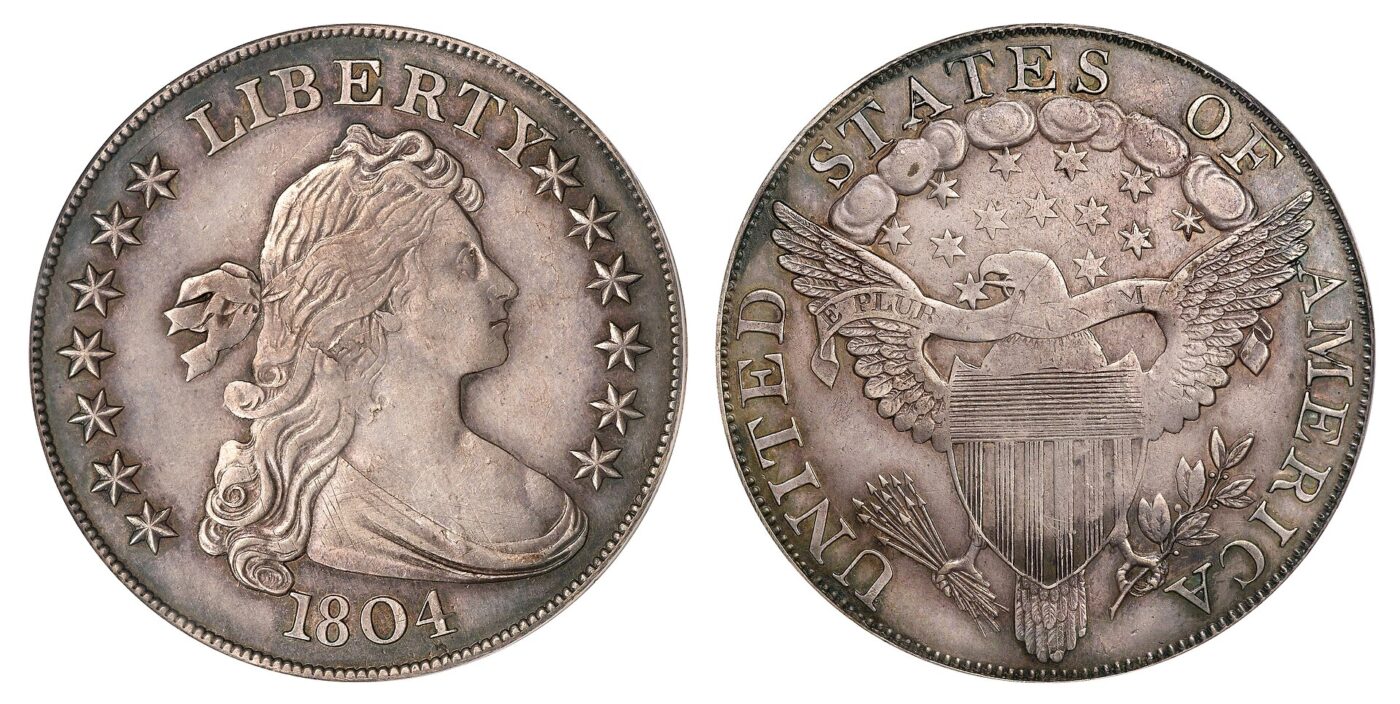
A Morgan dollar sealed inside a third-party grading holder looks like the safest way to buy one: a known grade, a certification number, a tamper-evident case. That case is exactly what counterfeiters have started copying, sealing a fake coin inside a convincing fake slab instead of selling loose replicas.
None of this requires an expert eye to catch the easy fakes. A scale, a set of calipers and a certification lookup answer most of the question before a listing is ever bid on.
Fear Index · High risk
A slab that looks official and is not
NGC, one of the major third-party grading services, tells collectors its cert lookup can help verify a holder is genuine and points them toward protecting against counterfeit or tampered holders and scams targeting coin collectors.
Where an unmarked replica is already illegal
The Hobby Protection Act does not ban selling replica coins — it bans selling them without disclosure. Under 16 CFR 304.6, an imitation numismatic item must be marked with the word COPY, in letters with a vertical dimension of not less than two millimeters or one-sixth of the coin’s diameter, with a minimum total horizontal dimension of six millimeters, marked on the obverse or reverse and never on the edge.
That marking has to be legible, conspicuous and permanent, not a sticker that peels off or a mark too small to notice without a loupe. A replica sold without it is not a gray area; it is already a violation of the regulation before anyone has to argue about whether a buyer was deceived.
The FTC finalized amendments extending that marking duty specifically to sellers of imitation numismatic items such as replica coins, not just the manufacturers and importers the original rule covered — a change aimed squarely at how replicas actually reach collectors now, through listings rather than only through factories.
Weight and diameter against the Mint’s own numbers
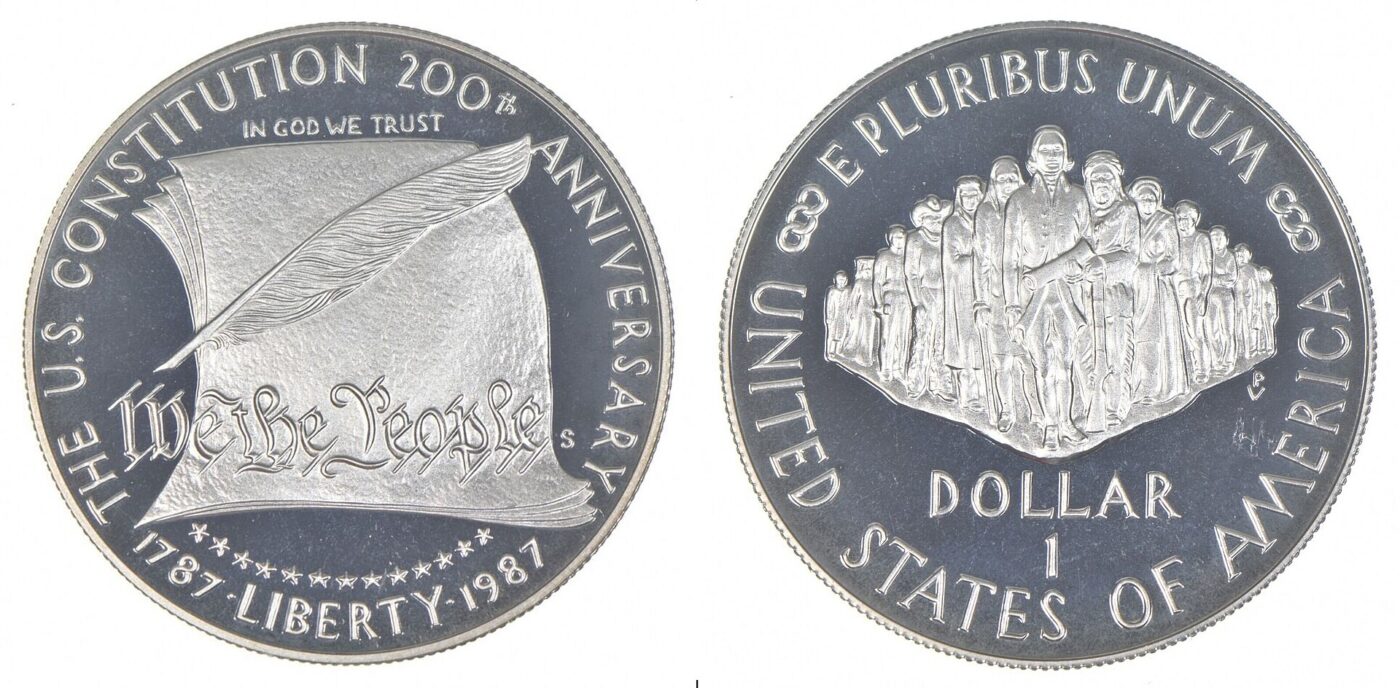
The U.S. Mint publishes exact specifications for its coins, and a Morgan dollar’s are precise: 26.73 grams, 38.1mm in diameter, 2.4mm thick, struck in 90% silver and 10% copper, with a reeded edge. A counterfeit struck from a cheaper alloy, or cast rather than struck, is frequently off on at least one of those numbers.
A digital scale reading to 0.01 grams and a set of calipers measuring to a fraction of a millimeter catch a mismatch in seconds, before anything else about the coin gets evaluated. A coin that is close on weight but visibly off on diameter, or the reverse, is still a coin worth walking away from.
A magnet is a rougher first pass, not a verdict: silver and gold are not magnetic, so a coin that clings to a magnet was not struck in either metal. A coin that does not stick has only cleared the easiest bar, since some counterfeit alloys are nonmagnetic too.
A coin that fails the Mint’s own weight or diameter spec has already told you what you need to know, before grading ever enters the conversation.
Fake slabs and what a certification number does and does not prove

A certified slab is supposed to answer the authenticity question before a buyer has to. NGC’s certification lookup lets a buyer enter the number and grade printed on a holder, or scan the QR code on the back, to confirm the coin’s description and grade against NGC’s database, and to check that the holder itself has not been tampered with.
That check has a real limit: it confirms the number is genuine, not that the specific coin sitting inside the specific holder in front of you is the one that was actually graded. NGC directs collectors to its own security resources specifically to help protect against counterfeit or tampered holders and scams targeting coin collectors, a tacit acknowledgment that a valid-looking number is not the end of the question.
Major grading services including PCGS and NGC both offer some form of online certification lookup, and using it costs nothing. It is one more check to run before paying, not a replacement for the weight and diameter check that catches a fake regardless of what holder it arrived in.
A certification number confirms the number is real. Only weighing and measuring the coin itself confirms what is actually inside the holder.
Buying from traceable sources and reporting a fake
The American Numismatic Association maintains counterfeit-detection resources for collectors, including reprinted technical articles on specific counterfeit types, and it asks anyone who encounters a suspected counterfeit to report it to the organization directly.
A listing with a seller who has no return policy, will not answer a weight or diameter question before purchase, or uses a stock photo instead of an image of the actual coin has already made the weight-and-diameter check harder to do — which is itself useful information before bidding.
None of these checks require becoming an expert. A scale, calipers and a certification lookup, run before paying rather than after, catch the fakes that do not bother to get the easy numbers right — the same logic this site uses to catch counterfeit memory cards in a completely different aisle of fakes.
The shortlist
Paid links: we earn a commission if you buy through the buttons below, at no extra cost to you. As an Amazon Associate I earn from qualifying purchases.
Compared on catching a fake before paying
| Product type | Best for | Risk estimate | Where to buy |
|---|---|---|---|
| Digital Coin Scale (0.01g) | Weighing a coin against the Mint spec | 10/100 | See listings on AmazonOpens Amazon search results, not one listing: check the model on the product page. |
| Stainless Steel Digital Caliper | Measuring diameter and thickness precisely | 8/100 | See listings on AmazonOpens Amazon search results, not one listing: check the model on the product page. |
| 10x Jeweler’s Loupe With LED | Verifying a slab before trusting it | 12/100 | See listings on AmazonOpens Amazon search results, not one listing: check the model on the product page. |
Risk estimate is our editorial Fear Index for the product type (lower is safer), not a customer rating. How it is scored.
Digital Coin Scale (0.01g)
A Morgan dollar should weigh 26.73 grams; a scale answers that question before anything else about the coin gets evaluated.
- Reads to 0.01g, tight enough for coin specs
- Catches wrong-alloy and cast fakes fast
- Doubles as a jewelry or reloading scale
- Needs a flat, level surface to read true
- Calibration weight sold separately on most models
Stainless Steel Digital Caliper
A coin close on weight but off on the Mint’s diameter or thickness spec is still a coin worth walking away from.
- Measures to a fraction of a millimeter
- Checks diameter, thickness and edge width
- Same tool works across denominations
- Reads static dimensions only, not weight
- Cheap calipers can flex under light pressure
More: Collectibles and Trading Cards analyses and how the Fear Index is scored.
Sources
- 16 CFR 304.6, Marking Requirements for Imitation Numismatic Items — Cornell Law School
- FTC Issues Final Amendments to Hobby Protection Rules — FTC
- Morgan Silver Dollar 2025 Uncirculated Coin, Specifications — United States Mint
- NGC Certification Lookup — NGC
- Counterfeit Detection Resources — American Numismatic Association
Questions people actually ask
How much should a genuine Morgan silver dollar weigh?
The U.S. Mint’s published specifications put it at 26.73 grams, 38.1mm in diameter, 2.4mm thick, in 90% silver and 10% copper. A scale and calipers catch a coin that misses either number.
What does a COPY mark on a coin mean?
Federal regulation under the Hobby Protection Act, 16 CFR 304.6, requires imitation numismatic items to be marked COPY in letters at least 2mm tall on the obverse or reverse. An unmarked replica is already violating that rule.
Can a fake coin have a real certification number?
Grading services warn that a genuine-looking number can still be paired with the wrong coin inside a tampered or counterfeit holder. A certification lookup confirms the number is real, not that the coin inside matches it.
How do I verify a coin’s certification number?
NGC’s online lookup checks a certification number and grade against its database, and its holders carry a QR code for the same check by phone. Major grading services including PCGS offer a similar lookup.
Is it illegal to sell a replica coin without marking it?
Yes. The Hobby Protection Act requires the word COPY on imitation numismatic items, and 2016 FTC amendments extended that marking duty to sellers of replica coins, not only manufacturers and importers.