
A Collar Puts All the Force on the Narrowest Part of a Dog
A collar concentrates pulling force on the trachea and neck. A badly fitted harness lets a dog back out of it. Both risks are avoidable.

For a dog that walks on a loose lead, a collar is unremarkable. The question only matters for dogs that pull — and most dogs pull, at least sometimes.
When they do, the entire force of that pull passes through a band about an inch wide, sitting directly over the windpipe.
Fear Index · Think twice
Two products, two different ways to go wrong
Collars concentrate force on a fragile structure. Harnesses spread it and then fail by letting the dog out. Both are avoidable with fitting.
Force, and where it lands
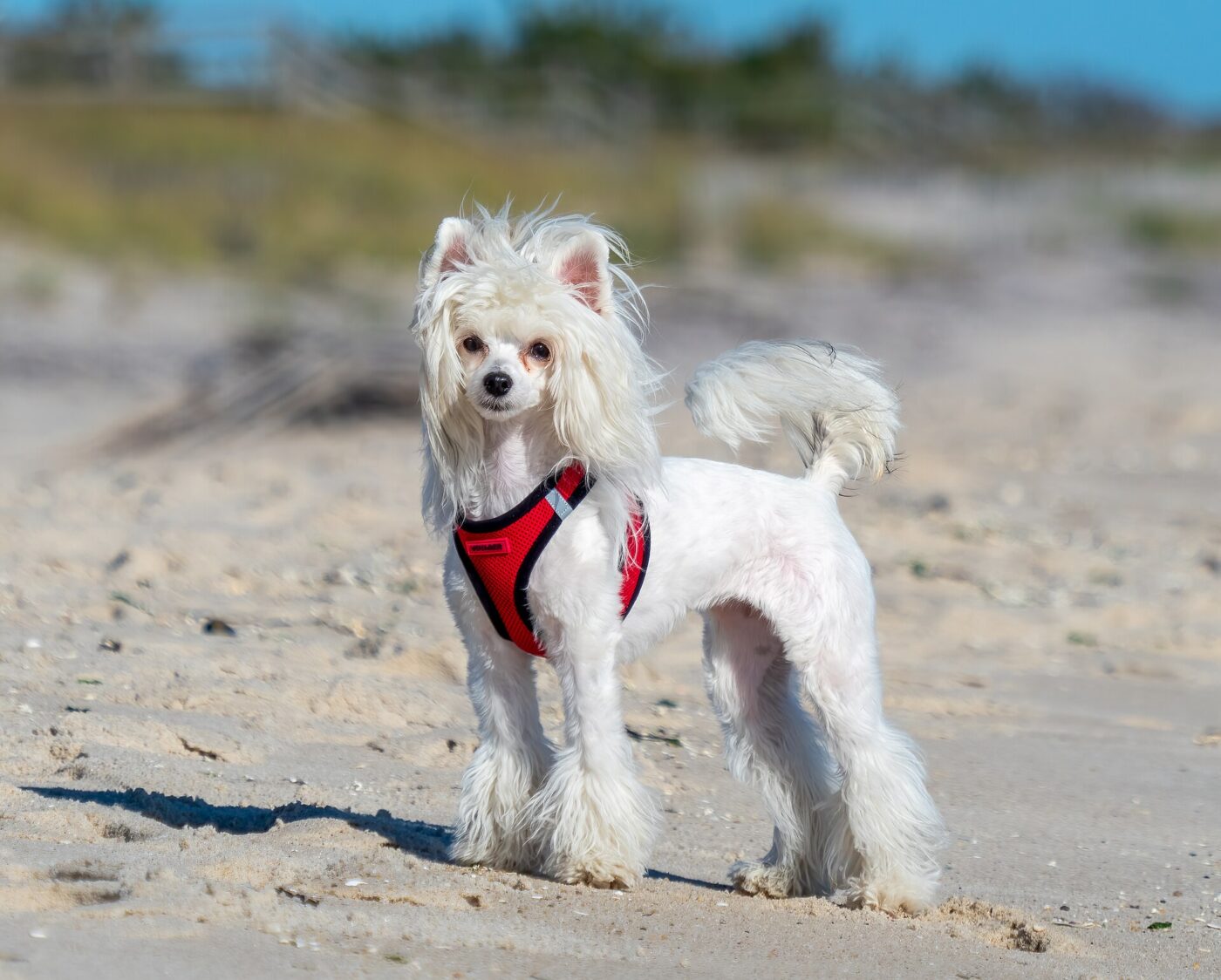
The trachea is a flexible tube of C-shaped cartilage rings. In toy and small breeds, tracheal collapse is usually a congenital weakness of that cartilage rather than something a collar causes outright — but pressure on the windpipe aggravates it, setting off the coughing that marks a flare-up. Veterinary surgeons recommend a harness for these dogs specifically to remove that trigger.
Flat-faced breeds already have compromised airways from their skull shape. Toy breeds have small, delicate tracheas that leave little margin for extra pressure. Both are poor candidates for a collar on a dog that lunges at the end of a lead.
A harness spreads the same force across the chest and shoulders, which are built to take load rather than fold under it. That is the whole argument, and it is a good one.
Keep a collar for the ID tag — legally required in many places, and useful for a rabies tag too — and walk on a harness. They are not mutually exclusive.
How dogs escape harnesses
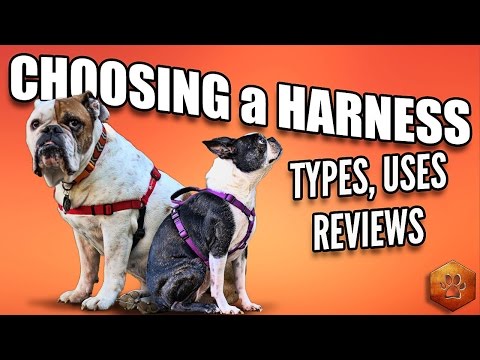
The classic escape is a reverse: the dog backs up, the harness slides forward over the shoulders, and the front legs come out. It happens fastest with frightened dogs, which is exactly when it is most dangerous.
It is almost always a fitting problem rather than a design one.
- Two fingers, no more, under every strap. A harness loose enough to be comfortable-looking is loose enough to reverse out of.
- Check the chest strap sits below the throat, not across it.
- Y-shaped fronts allow full shoulder extension; straight bars across the chest restrict the gait.
- Re-check after a coat change. A winter-fitted harness is loose in summer.
- For known escapers, use a three-strap design with an extra belly band, or a martingale-style backup.
Front clip, back clip, and what they actually do
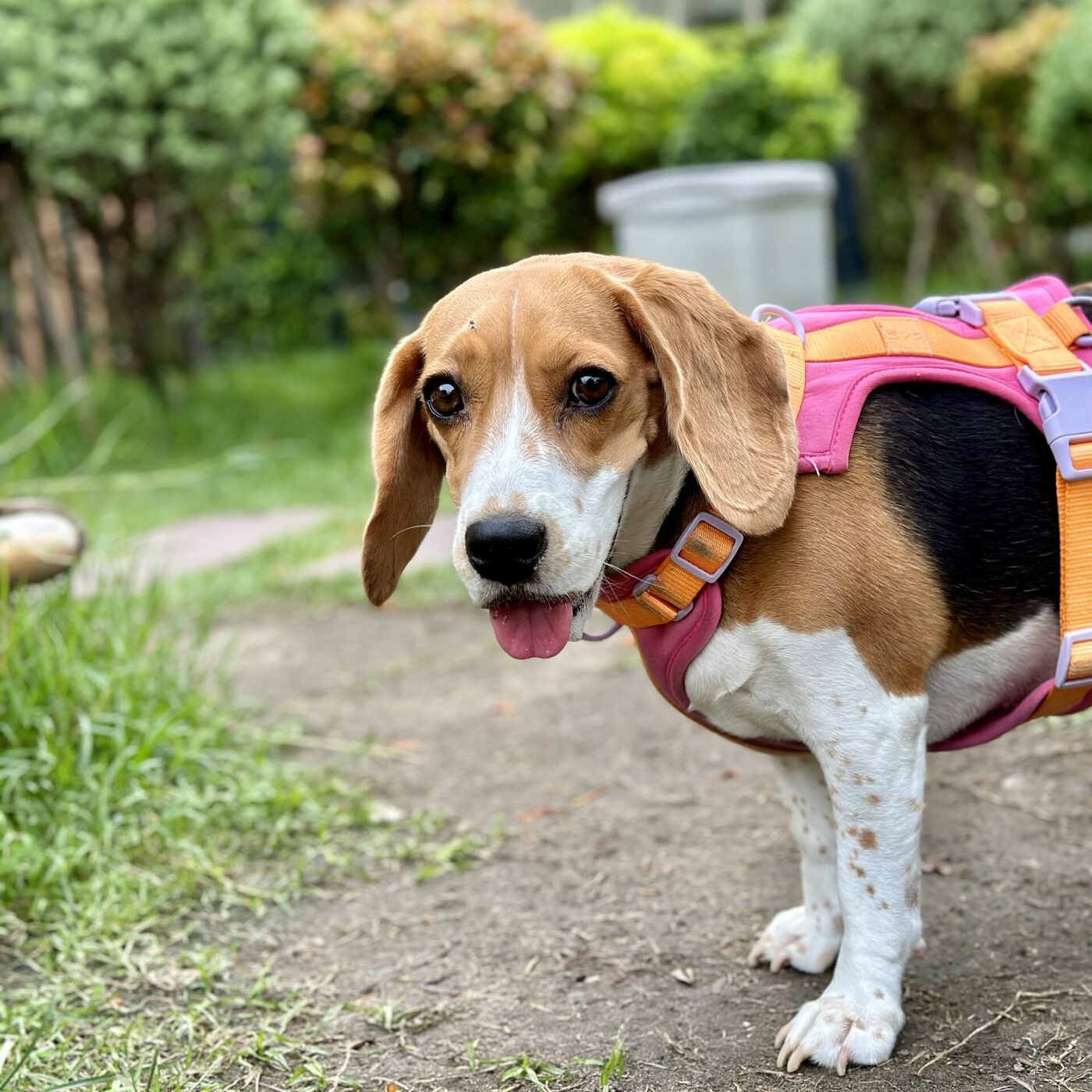
A back clip is comfortable and gives you no mechanical advantage; a determined dog simply tows you.
A front clip turns the dog towards you when it pulls, which interrupts the pull rather than punishing it. It makes a strong dog manageable on a normal walk and it does not teach loose-lead walking on its own — it buys you the control to train it properly, on your own schedule.
Head halters give the most control and need careful introduction over days, not minutes; used abruptly they are aversive, and a hard lunge on one can wrench the neck rather than just turning the head.
Martingale collars solve a different problem
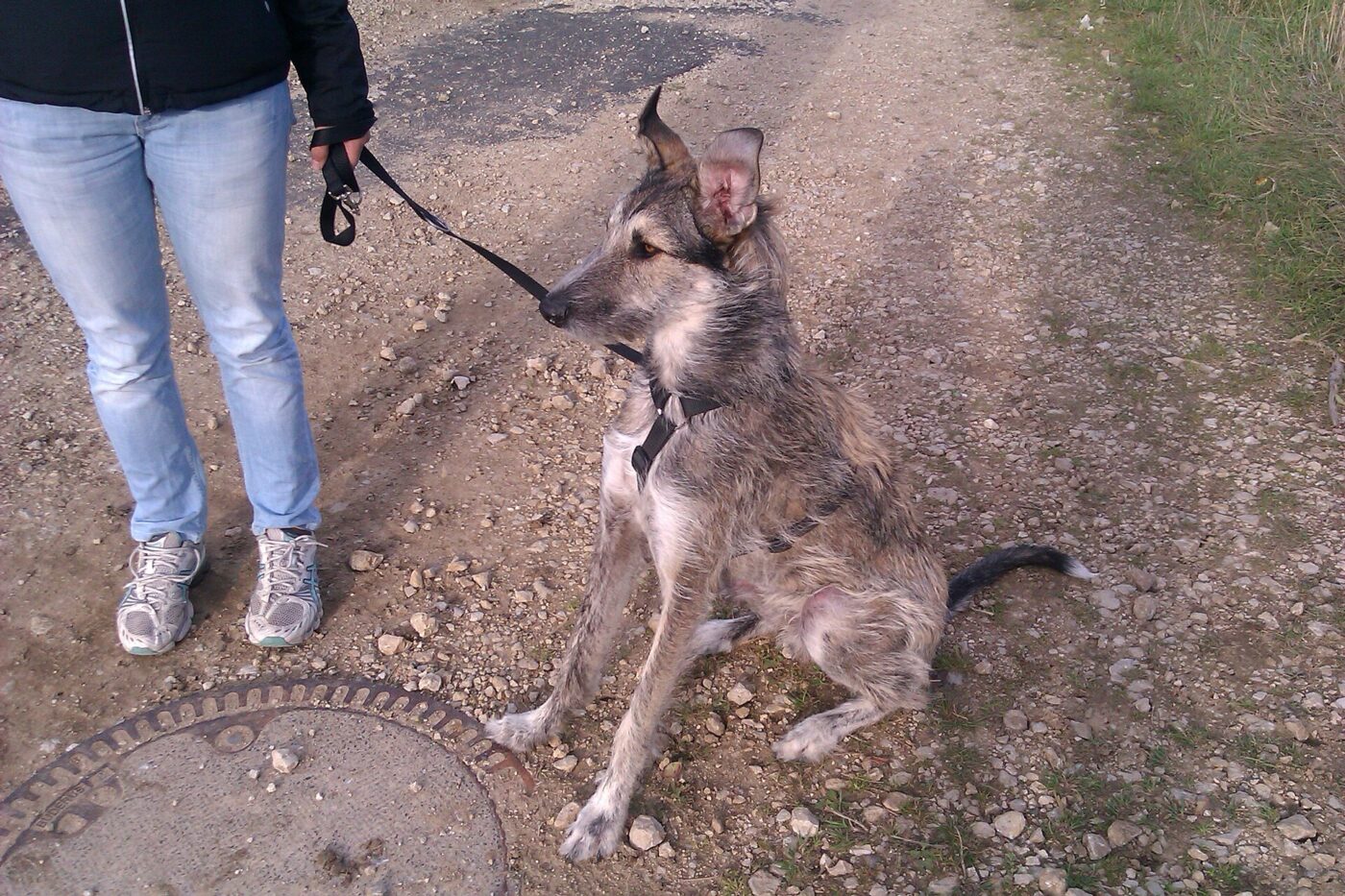
A flat buckle collar only works if it stays tighter around the neck than the head is wide. Sighthounds — greyhounds, whippets, salukis — and other narrow-headed breeds often fail that test, and a startled dog can back straight out of a collar loose enough to be comfortable.
A martingale has two loops: a fixed one around the neck and a second, smaller loop the leash clips to. Pulling the leash draws the second loop snug, tightening the whole collar just enough to stop it sliding over the head, without the closing action of an old-style choke chain. It is a collar, not a harness, and it does nothing for the tracheal-pressure problem above — the two solve different failures.
Fit a martingale so the two loops meet, not overlap, when snug. A gap means it will still slip; overlap means it can tighten further than intended.
The shortlist
Paid links: we earn a commission if you buy through the buttons below, at no extra cost to you. As an Amazon Associate I earn from qualifying purchases.
Compared on force and escape
| Product type | Best for | Risk estimate | Where to buy |
|---|---|---|---|
| Front-Clip No-Pull Harness | Dogs that pull | 24/100 | See listings on AmazonOpens Amazon search results, not one listing: check the model on the product page. |
| Three-Strap Escape-Resistant Harness | Escape artists | 30/100 | See listings on AmazonOpens Amazon search results, not one listing: check the model on the product page. |
| Flat ID Collar | ID tag only | 16/100 | See listings on AmazonOpens Amazon search results, not one listing: check the model on the product page. |
Risk estimate is our editorial Fear Index for the product type (lower is safer), not a customer rating. How it is scored.
Front-Clip No-Pull Harness
The practical answer for a strong dog. It makes walks manageable while you actually teach loose-lead walking.
- Spreads force across the chest
- Front clip turns the dog rather than letting it tow
- Y-front does not restrict the shoulder
- Lead can cross under the legs
- Not a substitute for training
Three-Strap Escape-Resistant Harness
If your dog has ever backed out of a harness, this is not an upgrade — it is the minimum.
- Third strap defeats the reverse-out
- Useful for nervous or rescue dogs
- Adjustable at more points
- More straps to fit correctly
- Warmer in summer
More: Pets analyses and how the Fear Index is scored.
Questions people actually ask
Is a harness better than a collar for a dog?
For any dog that pulls, yes. A collar concentrates the force on the trachea and neck, while a harness spreads it across the chest and shoulders. Keep the collar for identification.
How tight should a dog harness be?
Two fingers should fit snugly under every strap, and no more. Most harness escapes are fitting problems, not design failures.
Do no-pull harnesses stop pulling?
They redirect it. A front clip turns the dog toward you instead of letting it tow, which makes walks manageable, but loose-lead walking still has to be taught.
Which dogs should never wear a collar for walking?
Flat-faced breeds and toy breeds are at highest risk, as are any dogs with a history of tracheal problems or that lunge hard on the lead.