
A Crate That Is Too Big Fails at the One Thing a Crate Is For
A crate should fit the dog, not the house. Too much space undoes toilet training, and weak latches are what escape artists defeat.

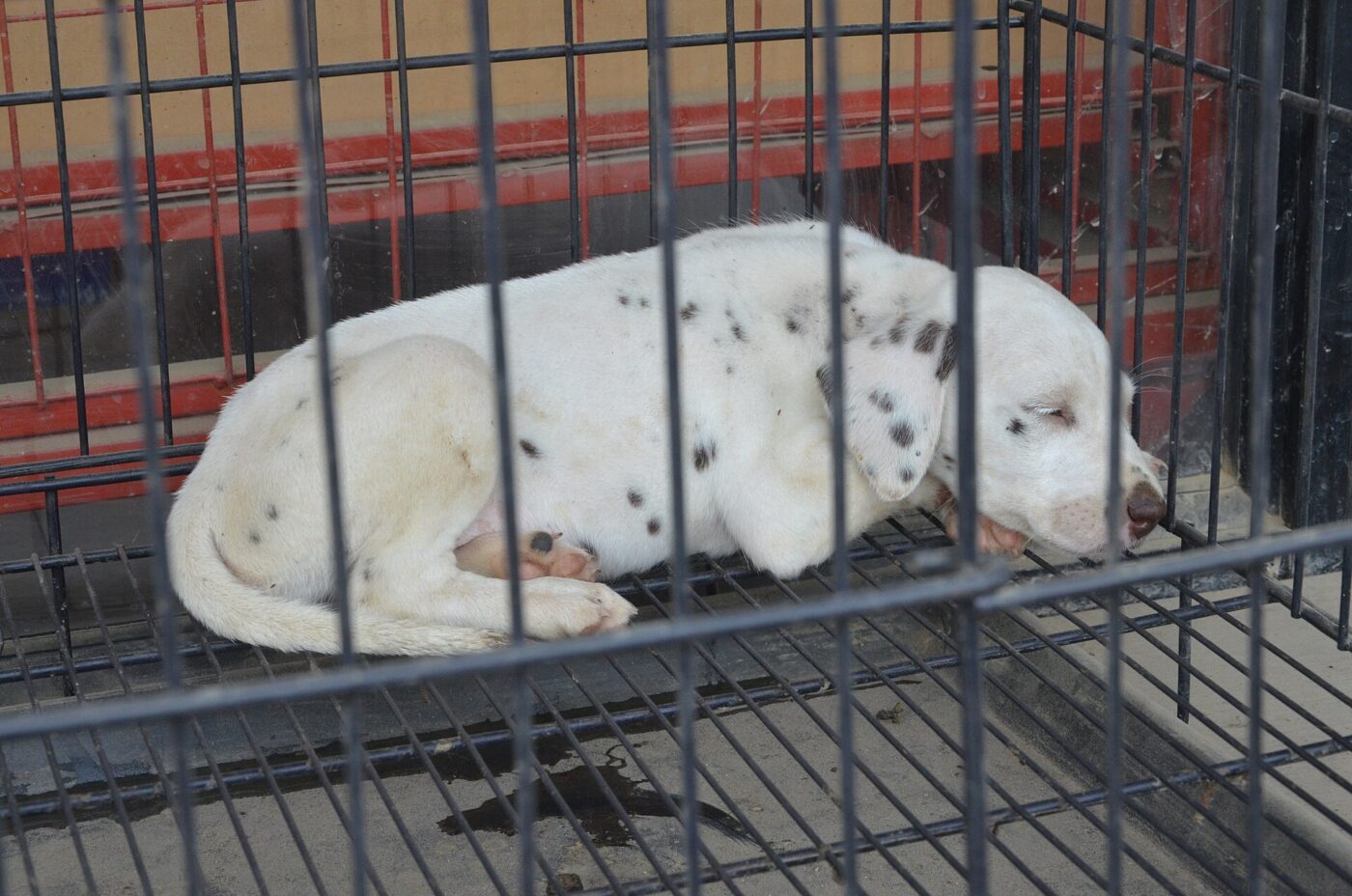
Crate training works because dogs are reluctant to soil where they sleep. That instinct is the whole mechanism, and it depends on the crate being close to the size of the dog.
Buy a generous crate out of kindness and a puppy simply uses one end as a bathroom and the other as a bed.
Fear Index · Think twice
Kind-looking choices that work against the dog
An oversized crate slows house training, and a dog injuring itself on a crate door is an anxiety problem rather than a hardware one.
The sizing rule
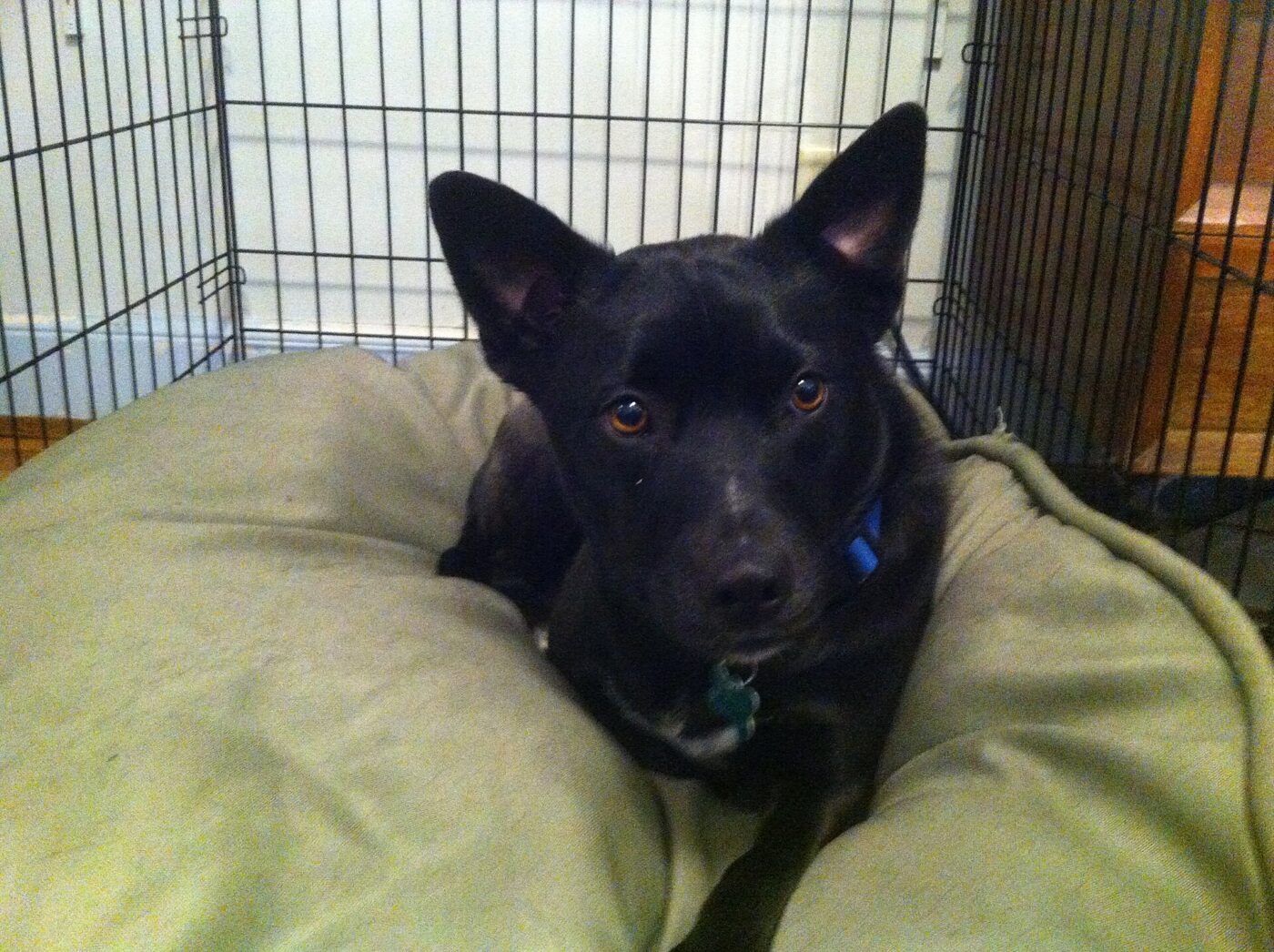
Measure the dog standing, from nose to base of tail, and add a few inches. Measure height from floor to the top of the head or ears, whichever is higher, and add the same.
The dog should be able to stand without ducking, turn around comfortably and lie flat on its side with legs extended. That is the specification.
For puppies, buy the crate that fits the expected adult size and use a divider panel to shrink the usable space, moving it back as the puppy grows. It saves buying three crates.
A crate that fits is a den. A crate with a lot of spare floor is a small room with a toilet corner.
Latches and escape artists
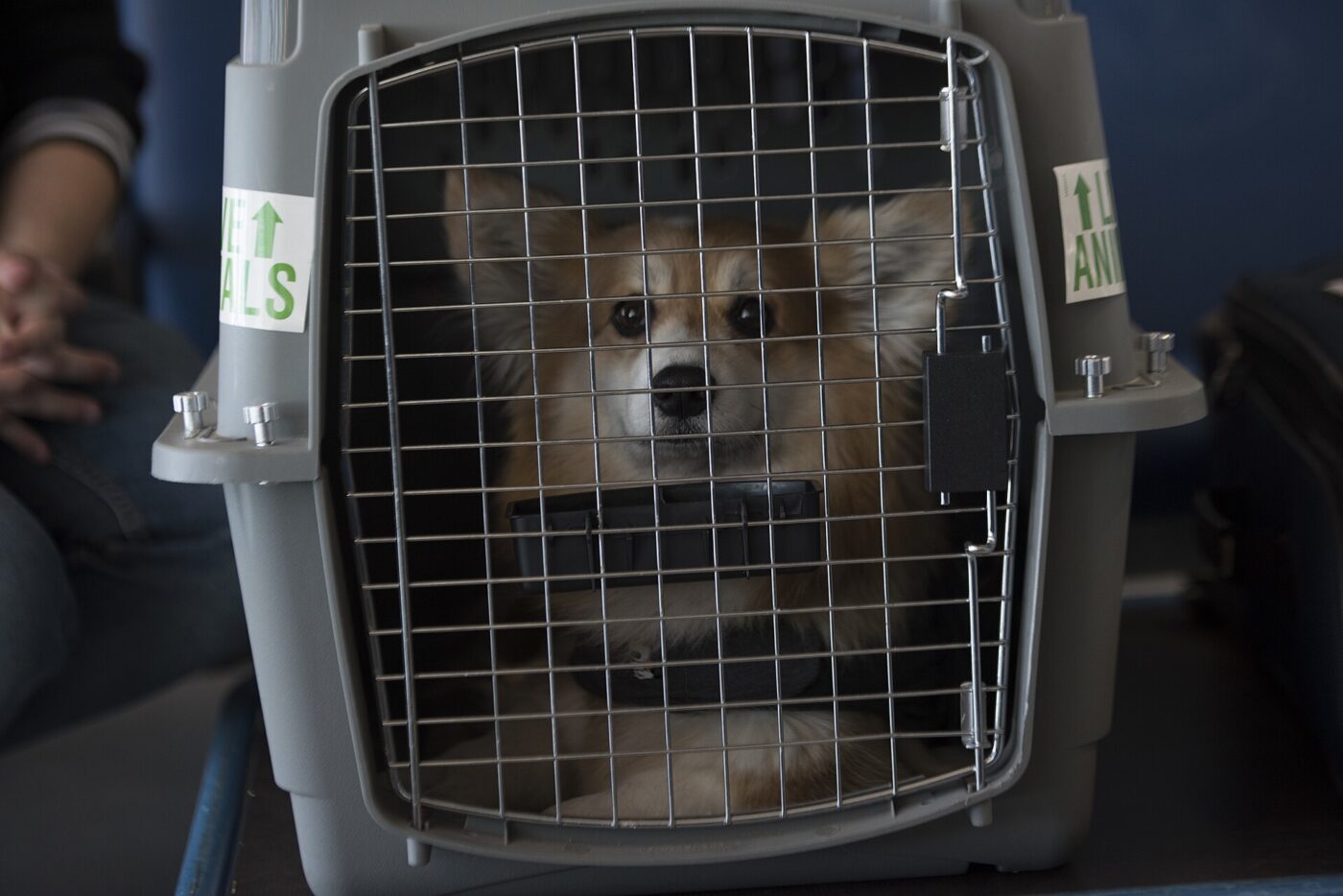
Wire crates are the default: good ventilation, fold flat, easy to see into. Their weak point is the door latch, and determined dogs learn to work single slide bolts with their nose or paws.
- Double-door, double-latch designs are harder to defeat than single bolts.
- Latches that close top and bottom stop a dog pushing the door corner open.
- Check the tray fit. Some dogs escape by lifting the base tray and squeezing under the frame.
- Plastic travel crates are more enclosed and feel safer to some dogs; they are also the type airlines require for pets flying in the hold, though in-cabin rules differ and vary by airline.
A crate is not a fix for anxiety

A dog that bends bars, breaks teeth or injures its paws trying to get out is not a dog that needs a stronger crate. It is showing a panic response, and stronger confinement typically makes injuries worse.
Heavy-duty “escape-proof” crates are marketed at exactly this situation. For genuine separation anxiety, veterinary and behavioral guidance generally points to gradual desensitization — and sometimes medication — rather than harder containment.
The healthy crate is a place the dog chooses to go into with the door open. Building that association with meals and chews does more than any latch.
Where the crate goes, and the first weeks
Placement affects how quickly a puppy settles. A crate in a busy family room, rather than an isolated laundry room, lets a puppy hear and see the household while still being contained — most do better included than isolated, at least at first.
Housetraining works on a schedule, not a hope: take the puppy out immediately on waking, after eating and after play, and back into the crate for naps and overnight. Gaps of more than a couple of hours awake and uncrated invite the accidents that make owners give up on the whole method.
Feeding meals in the crate, door open at first, builds a positive association faster than coaxing does. A puppy that connects the crate with dinner arriving stops treating it as confinement.
The shortlist
Paid links: we earn a commission if you buy through the buttons below, at no extra cost to you. As an Amazon Associate I earn from qualifying purchases.
Compared on fit and security
| Product type | Best for | Risk estimate | Where to buy |
|---|---|---|---|
| Wire Dog Crate with Divider | Puppies and most dogs | 26/100 | See listings on AmazonOpens Amazon search results, not one listing: check the model on the product page. |
| Plastic Travel Kennel | Travel and den-like security | 30/100 | See listings on AmazonOpens Amazon search results, not one listing: check the model on the product page. |
| Chew-Resistant Crate Pad | Safer bedding | 22/100 | See listings on AmazonOpens Amazon search results, not one listing: check the model on the product page. |
Risk estimate is our editorial Fear Index for the product type (lower is safer), not a customer rating. How it is scored.
Wire Dog Crate with Divider
Buy for the adult size, divide down for the puppy, and drape a blanket over three sides if the dog prefers a den.
- Divider grows with a puppy
- Two doors suit different room layouts
- Folds flat for storage
- Single slide latches can be learned
- Some dogs feel exposed without a cover
Chew-Resistant Crate Pad
Plush beds in crates are a common source of swallowed stuffing. A tough flat pad removes that risk while the dog settles.
- Tough fabric resists shredding
- No loose stuffing to swallow
- Washable
- Firmer than plush beds
- Not indestructible for determined chewers
More: Pets analyses and how the Fear Index is scored.
Questions people actually ask
What size crate does my dog need?
Enough to stand without ducking, turn around and lie flat on its side — roughly the dog’s length plus a few inches and height plus a few inches. Much more space undermines house training.
Is a bigger dog crate better?
No. Extra space lets a puppy toilet at one end and sleep at the other, which defeats the instinct crate training relies on. Use a divider to shrink an adult-size crate.
Why does my dog escape from its crate?
Clever dogs learn single slide latches, and some lift the base tray. Double latches top and bottom help. A dog injuring itself to escape is showing panic and needs behavioral help.
Wire or plastic dog crate?
Wire ventilates better, folds flat and suits most homes. Plastic is more enclosed, feels safer to some dogs and is the type most airlines require for pets flying in the hold.