
Your Cat Ignores the Scratcher Because It Is the Wrong Shape, Not the Wrong Cat
Cats scratch to stretch fully and to mark territory. A short, wobbly post fails both jobs, which is why the sofa wins. Here is what to buy.

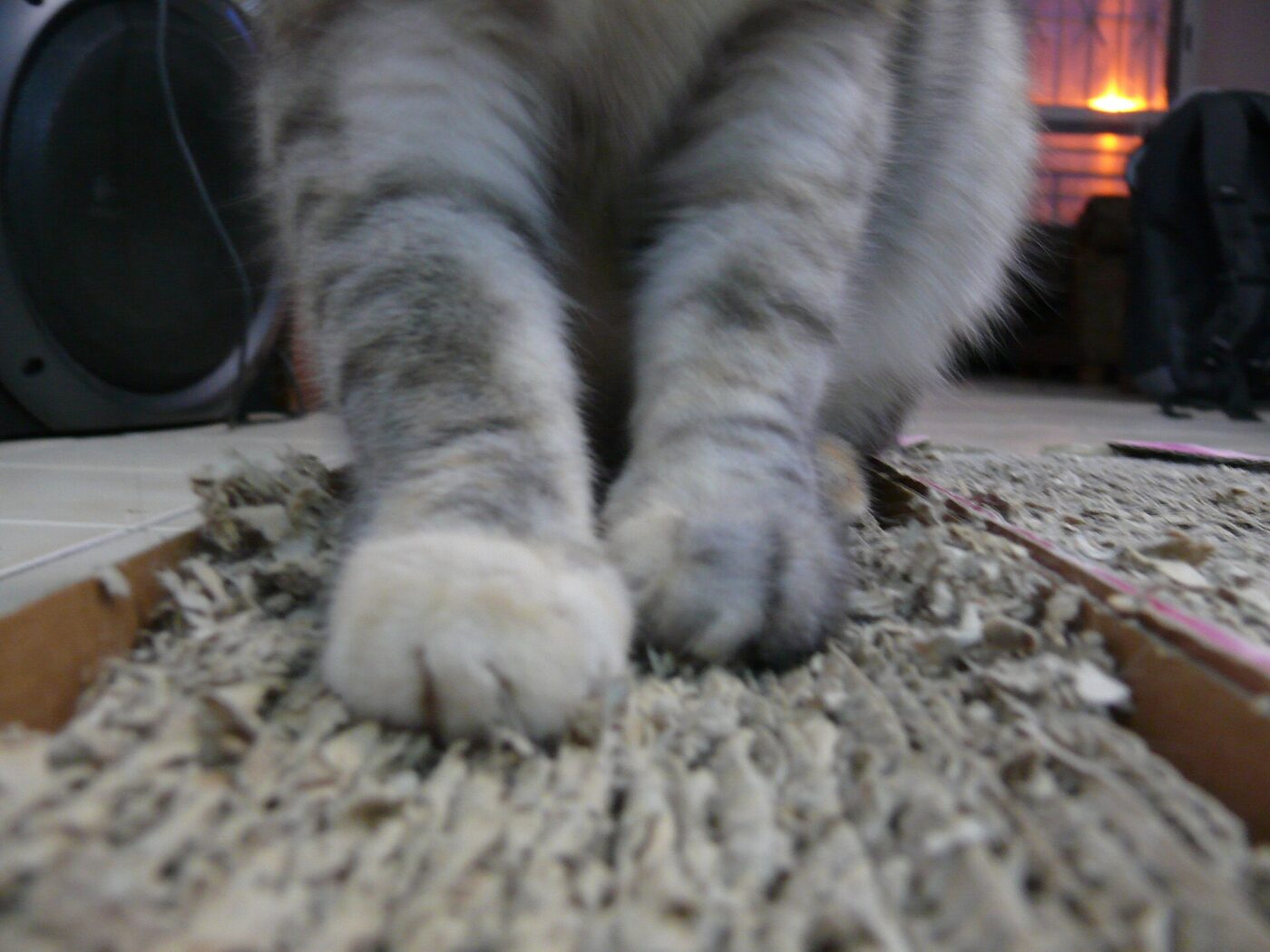
Scratching is not a behavior problem. It is normal feline maintenance, and trying to stop it entirely does not work.
What works is offering something the cat prefers to the sofa — and most commercial posts lose that competition for simple, fixable reasons.
Fear Index · Low risk
A cheap fix that fails for mechanical reasons
The consequence is a shredded sofa and a frustrated owner, and very occasionally a cat surrendered for normal behavior.
What scratching is for
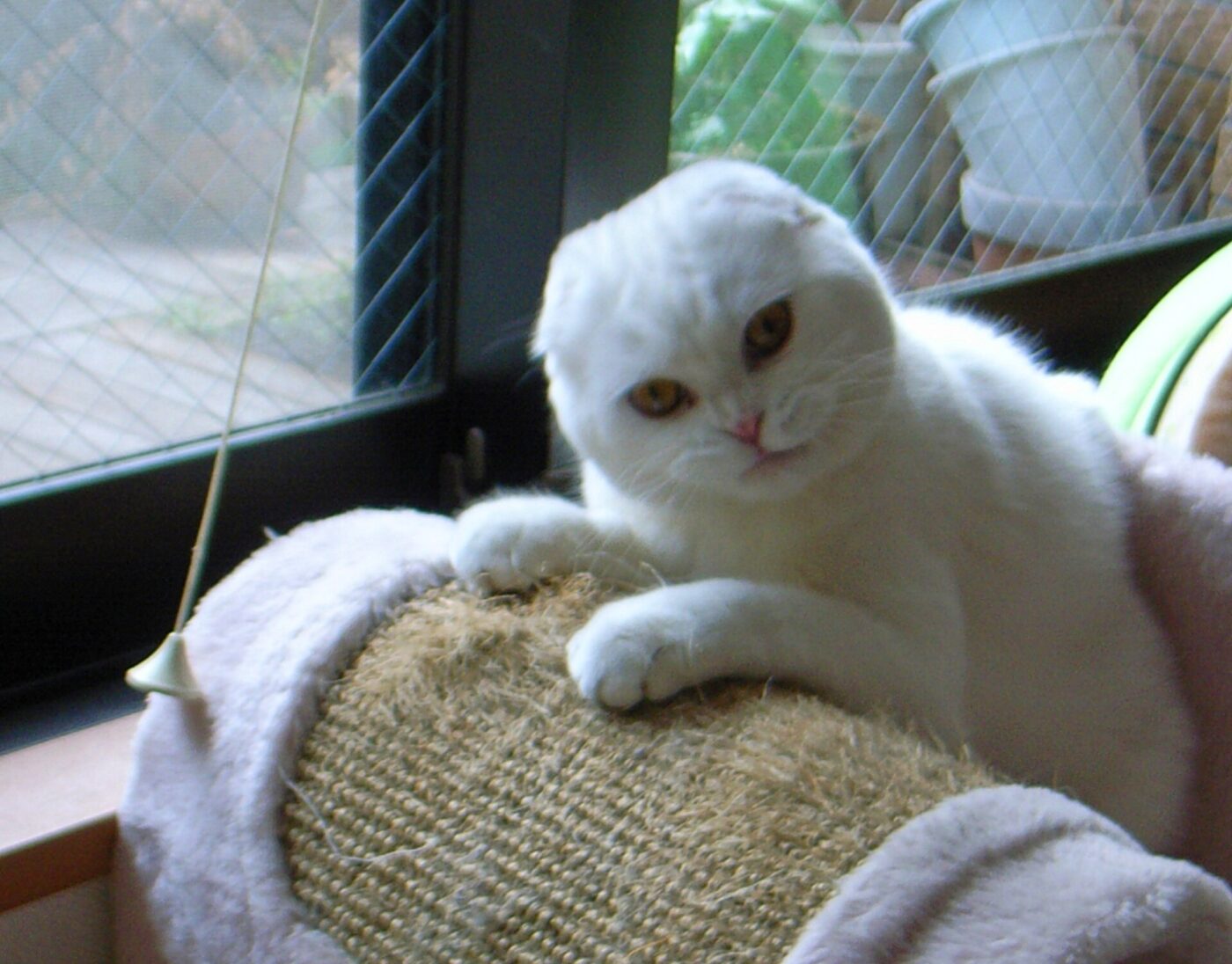
Three functions, each of which sets a requirement.
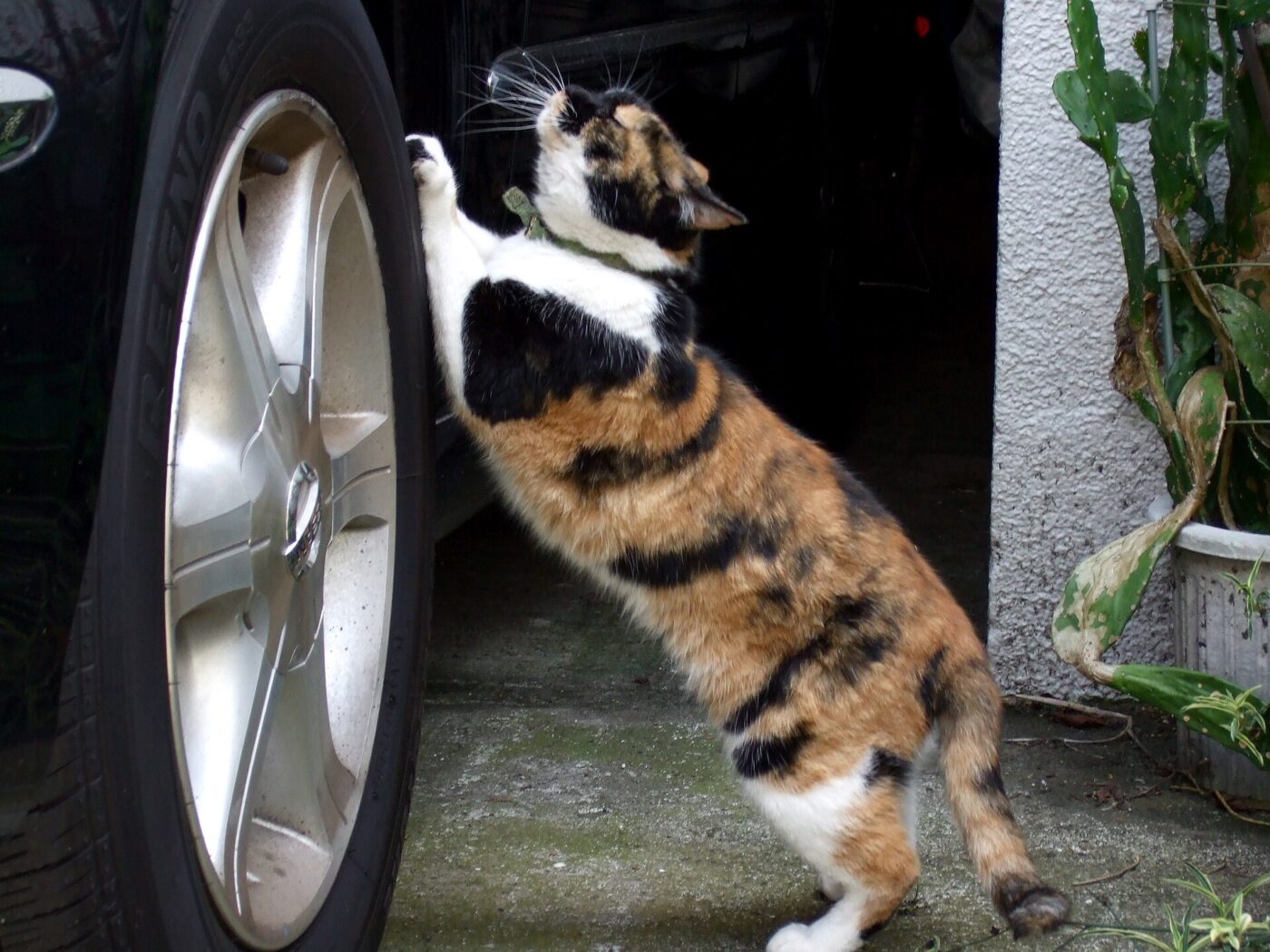
Stretching. A cat reaches up and pulls down through the whole body. A post shorter than the cat at full stretch cannot provide it, which is why a sofa arm — tall and immovable — wins.
Claw maintenance. Scratching removes the old outer sheath of the claw. It needs a surface the claws can hook into and drag through.
Marking. Glands in the paws leave scent, and the visible marks are a signal too. That is why cats scratch in prominent places — doorways, sofas, the route through a room.
Stability is the requirement people miss. A post that rocks when the cat pulls is abandoned after the first try, however attractive it looks.
Texture and direction
Cats have preferences, and they vary between individuals.
| Material | Orientation | Notes |
|---|---|---|
| Sisal rope | Vertical | Durable; the classic choice |
| Sisal fabric | Vertical | Liked by many cats; lasts well |
| Corrugated cardboard | Horizontal or angled | Cheap, well-liked, sheds and needs replacing |
| Carpet | Either | Teaches that carpet is for scratching |
Placement matters as much as the post
Put the scratcher where the cat already scratches, not where it suits the room. If the target is the sofa arm, the post goes directly beside the sofa arm.
- Near sleeping spots. Cats scratch and stretch immediately on waking.
- By entrances and on main routes, because marking is about visibility.
- Make the sofa less attractive meanwhile with double-sided tape or a throw, while the post becomes the habit.
- Reward use with a treat or play at the post, and rub a little catnip or silvervine on it.
- Never punish scratching. It teaches the cat to scratch when you are not there.
Multi-cat households need more than one
A single post rarely satisfies more than one cat, and not only because there is not enough scratching surface to go around. Marking is partly territorial, and a confident cat can effectively claim the only post in the house, leaving a shier one to use the sofa instead.
The rough guideline many behavior-minded owners use for litter boxes — one per cat, plus one — applies loosely here too. Scratchers spread across different rooms remove the need to compete for, or travel through contested territory to reach, the one post in the house.
Wall-mounted options solve a specific multi-cat problem: floor space. They cannot wobble by design, which also makes them a reliable second or third scratcher even where fitting another standing post is impractical.
Watch for guarding rather than assuming harmony. A cat that blocks another from approaching a shared post, or that scratches immediately after a housemate does, is marking over them — a second post in a different room removes the friction rather than forcing a resolution.
The shortlist
Paid links: we earn a commission if you buy through the buttons below, at no extra cost to you. As an Amazon Associate I earn from qualifying purchases.
Compared on what cats actually use
| Product type | Best for | Risk estimate | Where to buy |
|---|---|---|---|
| Tall Sisal Scratching Post (80 cm+) | Vertical scratchers | 18/100 | See listings on AmazonOpens Amazon search results, not one listing: check the model on the product page. |
| Corrugated Cardboard Scratcher | Horizontal scratchers | 14/100 | See listings on AmazonOpens Amazon search results, not one listing: check the model on the product page. |
| Wall-Mounted Sisal Scratcher | Multi-cat homes | 20/100 | See listings on AmazonOpens Amazon search results, not one listing: check the model on the product page. |
Risk estimate is our editorial Fear Index for the product type (lower is safer), not a customer rating. How it is scored.
Tall Sisal Scratching Post (80 cm+)
The two specifications that matter are height and stability. Measure your cat stretched and add a little.
- Tall enough for a full stretch
- Heavy base stops it rocking
- Sisal fabric suits most claws
- Takes floor space
- Rope versions fray and need re-wrapping
Corrugated Cardboard Scratcher
Offer one alongside a vertical post. Many cats that ignore posts turn out to prefer scratching flat.
- Horizontal surface many cats prefer
- Doubles as a lounger
- Refills are inexpensive
- Sheds cardboard bits
- Wears out in weeks with keen scratchers
More: Pets analyses and how the Fear Index is scored.
Questions people actually ask
Why won’t my cat use its scratching post?
Usually it is too short for a full stretch, it wobbles when pulled, or it is placed away from where the cat wants to mark. Height, stability and placement fix most cases.
How tall should a cat scratching post be?
Tall enough for the cat to stretch fully with front paws high — ideally around 3 feet (90 cm) or more for an adult cat.
Is sisal or cardboard better for cats?
Preferences vary. Sisal, rope or fabric, suits vertical scratching and lasts; corrugated cardboard is cheap and many cats prefer it horizontally. Offering both finds out quickly.
How do I stop my cat scratching the sofa?
Place a stable scratcher directly beside the sofa, make the sofa less appealing temporarily with tape or a throw, and reward the cat for using the post.