
Most Litter Boxes Sold Are Too Small for the Cat Buying Them
The rule is one and a half times the cat nose-to-tail. Most retail boxes fail it, and the result is a cat that stops using it.

A cat that urinates outside its box is usually described as having a behavior problem. Often it has an environment problem, and the environment was bought in a pet shop.
Before anything else: a sudden change in toileting can signal cystitis, a urinary blockage or kidney disease, and in male cats a blockage is a genuine emergency. Rule out medical causes first. What follows applies once you have.
Fear Index · Think twice
A behavior problem that is actually a furniture problem
Veterinary guidelines describe house-soiling as a major reason owners give up cats to shelters, and a meaningful share of it comes down to a box that is too small or too enclosed.
The size rule, and why shops ignore it
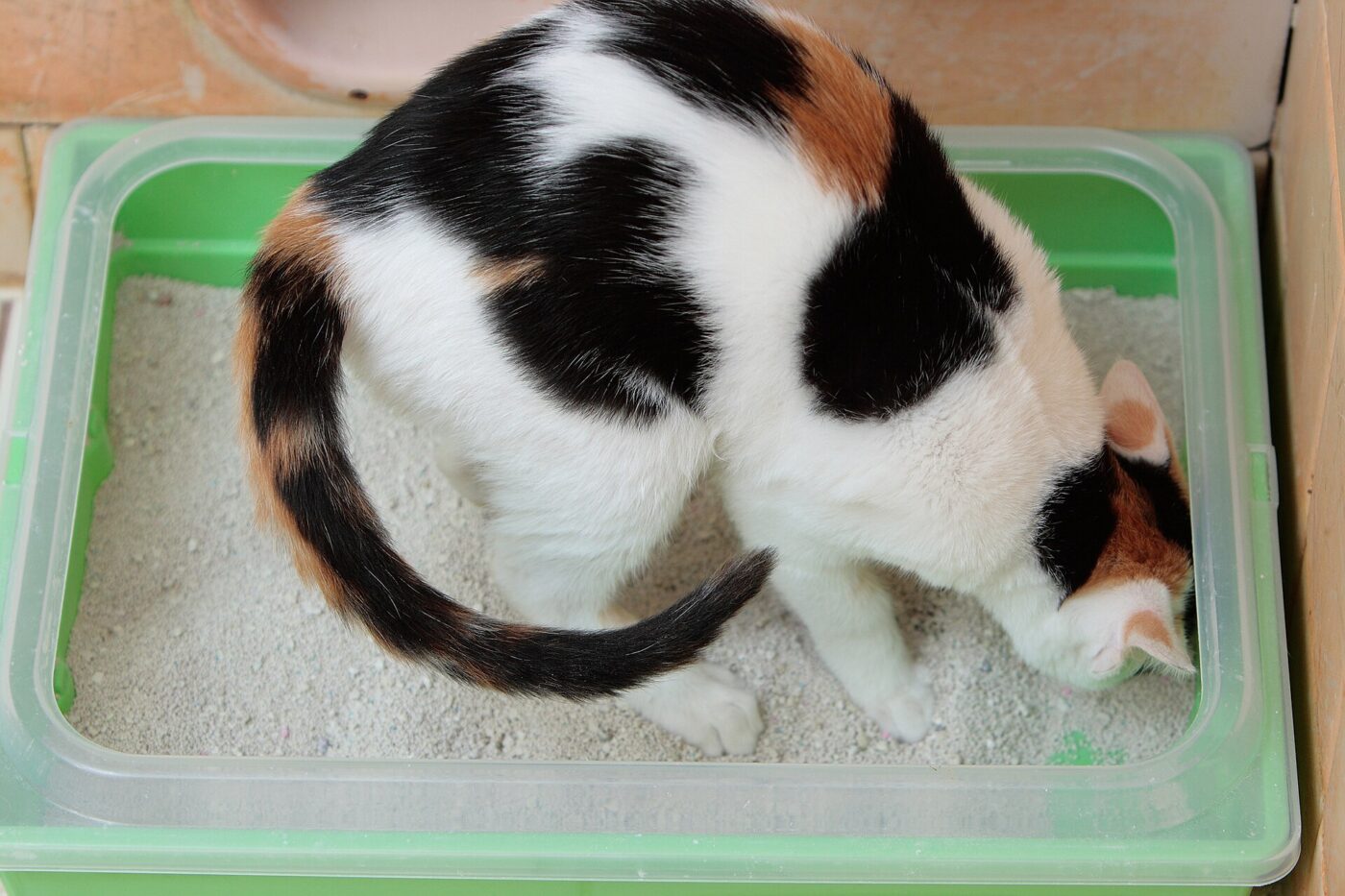
The widely used guideline is that a litter box should be at least one and a half times the length of the cat from nose to the base of the tail. A cat needs room to turn around, dig, position and cover without touching the sides.
An average adult domestic cat is roughly 18 inches (45 cm) nose to tail base, which calls for a box around 27 inches (68 cm) long. A great many boxes sold are closer to 18–20 inches, because that is what fits a shelf, a bathroom corner and a delivery box.
The cheap fix is not a litter box at all. A plastic under-bed storage tub, with one end cut down for access, is larger than almost anything sold for the purpose and costs less. In the study behind the veterinary guideline, adult cats preferred a box measuring 34 by 15 inches (86 by 39 cm) over a smaller one — a size closer to a storage tub than to a shelf product.
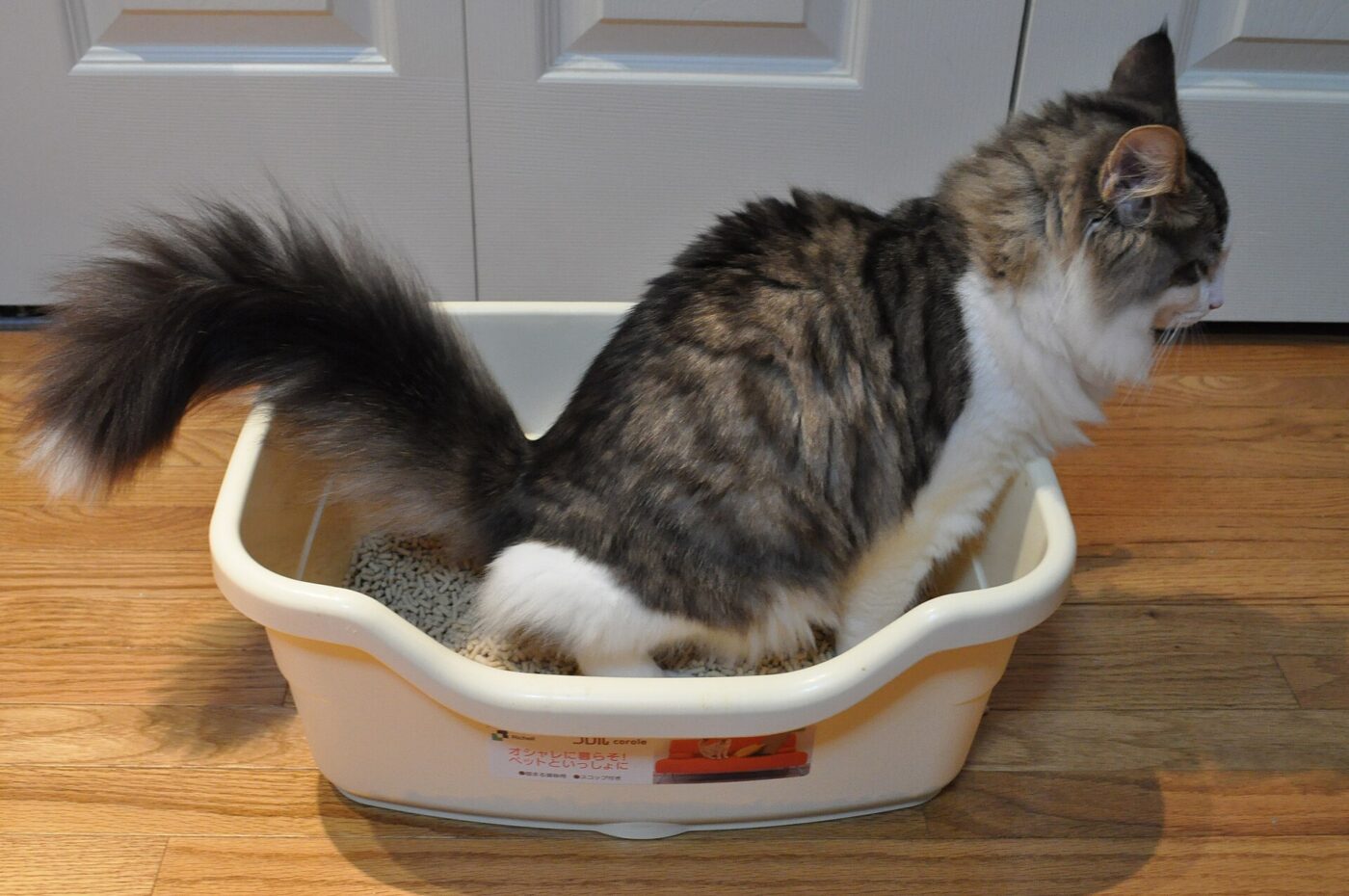
If your cat hangs its back end over the edge, or turns awkwardly, the box is too small — whatever the packaging said about size.
Covered boxes suit owners

Hoods contain smell and litter scatter, which is why people buy them. From the cat’s side they concentrate odor, restrict the ability to see approaching threats, and remove escape routes — all things that matter to an animal whose instincts treat toileting as a vulnerable moment.
Many cats accept a hood without complaint. Cats in multi-cat households, nervous cats and older cats with stiff joints are the ones that quietly stop using them.
If you want a cover and the cat is unsure, take the door off first. Flaps are a far more common objection than hoods themselves.
Number and placement
The standard veterinary guidance is one box per cat plus one, distributed rather than lined up together. Two boxes side by side are, to a cat, one location.
Placement rules that prevent most problems:
- Not next to food or water. Cats do not toilet where they eat.
- Not beside a washing machine or anything that starts suddenly.
- Two exits where possible, so the cat is never cornered.
- One per floor for older cats, who will not manage stairs urgently.
- Unscented, fine-grained clumping litter is the preference most cats show in testing.
Litter depth, liners, and scented additives
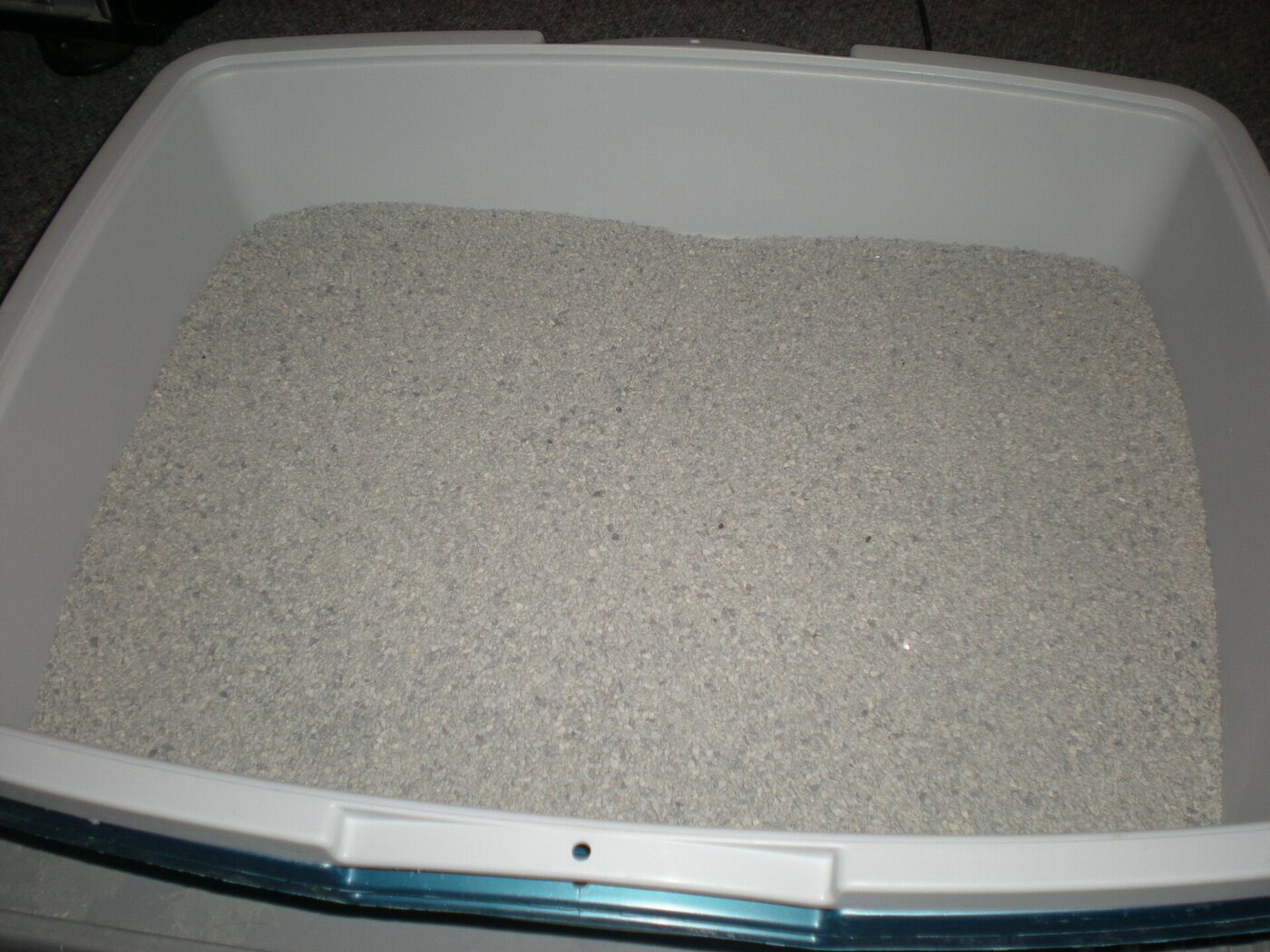
The same veterinary guideline gives a minimum depth, not just a type: at least 1.25 inches (3 cm) of fine, unscented, clumping litter, with some cats preferring more. A box scraped down to a thin dusting between refills fails the depth test as often as it fails the size test.
Liners, slotted grids and scented litter or box deodorizers all appear on the guideline’s list of things to avoid. Liners tear under digging claws, and the torn plastic itself becomes something to avoid; a scent that smells pleasant to a person is often exactly what a cat finds offensive in its own toilet.
If size, cover and number are already right and the problem persists, check depth and additives before assuming the cat is being difficult.
The shortlist
Paid links: we earn a commission if you buy through the buttons below, at no extra cost to you. As an Amazon Associate I earn from qualifying purchases.
Compared on whether the cat will use it
| Product type | Best for | Risk estimate | Where to buy |
|---|---|---|---|
| Jumbo Open Litter Box | Most cats | 20/100 | See listings on AmazonOpens Amazon search results, not one listing: check the model on the product page. |
| High-Sided Litter Box | Large breeds | 26/100 | See listings on AmazonOpens Amazon search results, not one listing: check the model on the product page. |
| Litter-Trapping Mat | Litter tracked everywhere | 14/100 | See listings on AmazonOpens Amazon search results, not one listing: check the model on the product page. |
Risk estimate is our editorial Fear Index for the product type (lower is safer), not a customer rating. How it is scored.
Jumbo Open Litter Box
Measure the cat nose to tail base, multiply by 1.5, and buy nothing shorter. This is the single change that resolves the most problems.
- Closer to the 1.5× rule than standard boxes
- Open sightlines suit nervous cats
- Easy to scoop and wash
- Takes real floor space
- Litter scatters more than a hooded box
Litter-Trapping Mat
Most people buy hoods to stop tracking. A mat does that job without asking the cat to toilet in a box.
- Catches litter without enclosing the cat
- Washable
- Cheap
- Needs shaking out regularly
- Some cats avoid certain textures
More: Pets analyses and how the Fear Index is scored.
Sources
- AAFP and ISFM Guidelines for Diagnosing and Solving House-Soiling Behavior in Cats — Journal of Feline Medicine and Surgery (PMC/NIH)
- AAFP and ISFM Feline Environmental Needs Guidelines — Journal of Feline Medicine and Surgery (PMC/NIH)
- Baker Pet Talks: Tips From Cornell Experts — Cornell University College of Veterinary Medicine
Questions people actually ask
What size should a litter box be?
About one and a half times the cat’s length from nose to the base of the tail. For an average adult cat that is roughly 27 inches (68 cm), which is larger than most boxes sold.
Are covered litter boxes bad for cats?
Many cats tolerate them, but hoods concentrate odor and remove escape routes. Nervous cats, multi-cat households and older cats are the ones that quietly stop using them.
How many litter boxes do I need?
One per cat plus one, placed in different locations. Two boxes side by side count as a single location from the cat’s point of view.
Why is my cat peeing outside the litter box?
See a vet first — cystitis, blockages and kidney disease all present this way, and a blocked male cat is an emergency. Once medical causes are excluded, look at box size, cover, number and placement.