

A Pet Fountain Is a Pump You Have to Clean, Not a Bowl You Do Not
Fountains tempt some cats to drink more and demand weekly maintenance. Which materials and pump designs make that cleaning job realistic.

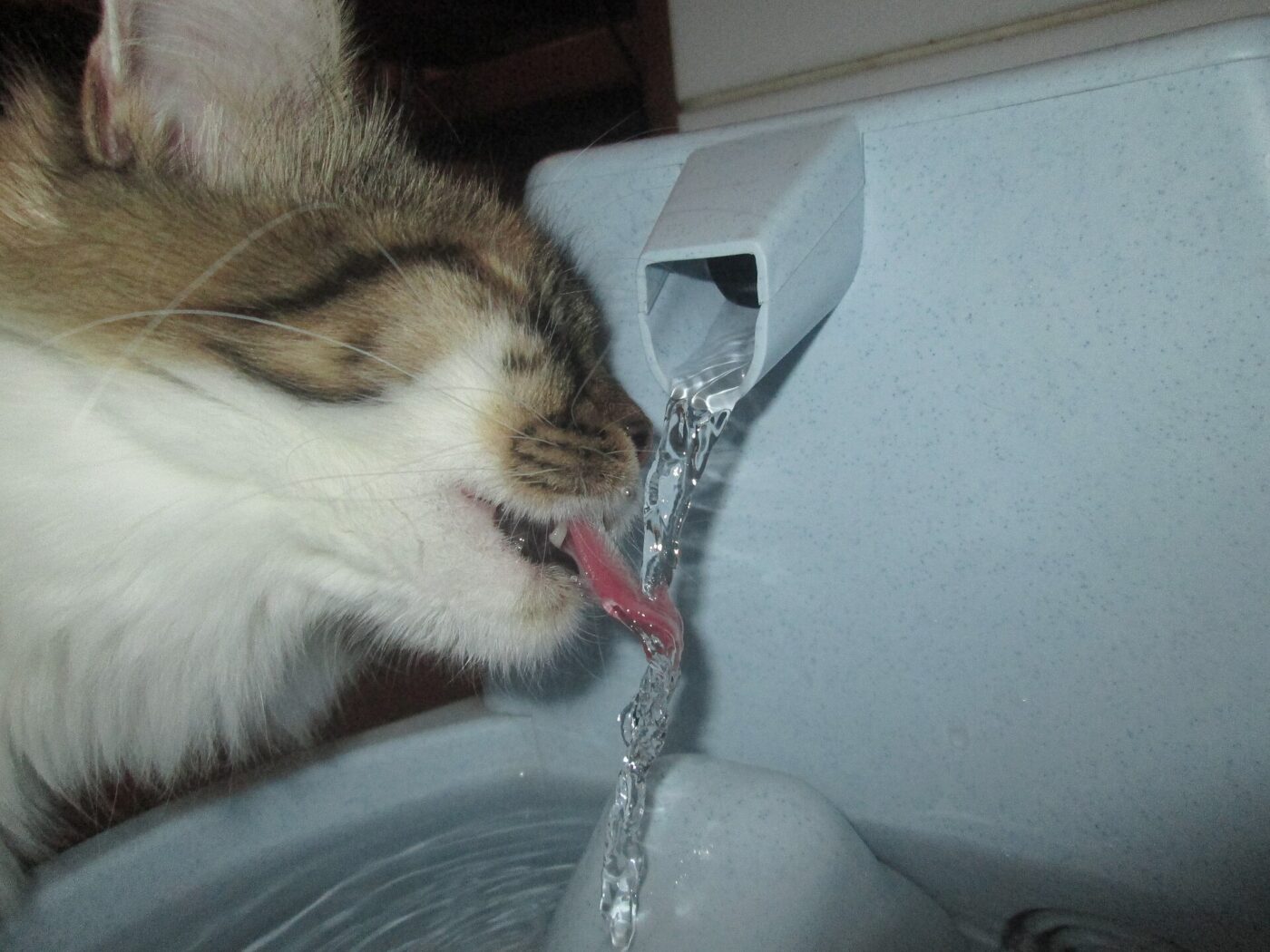
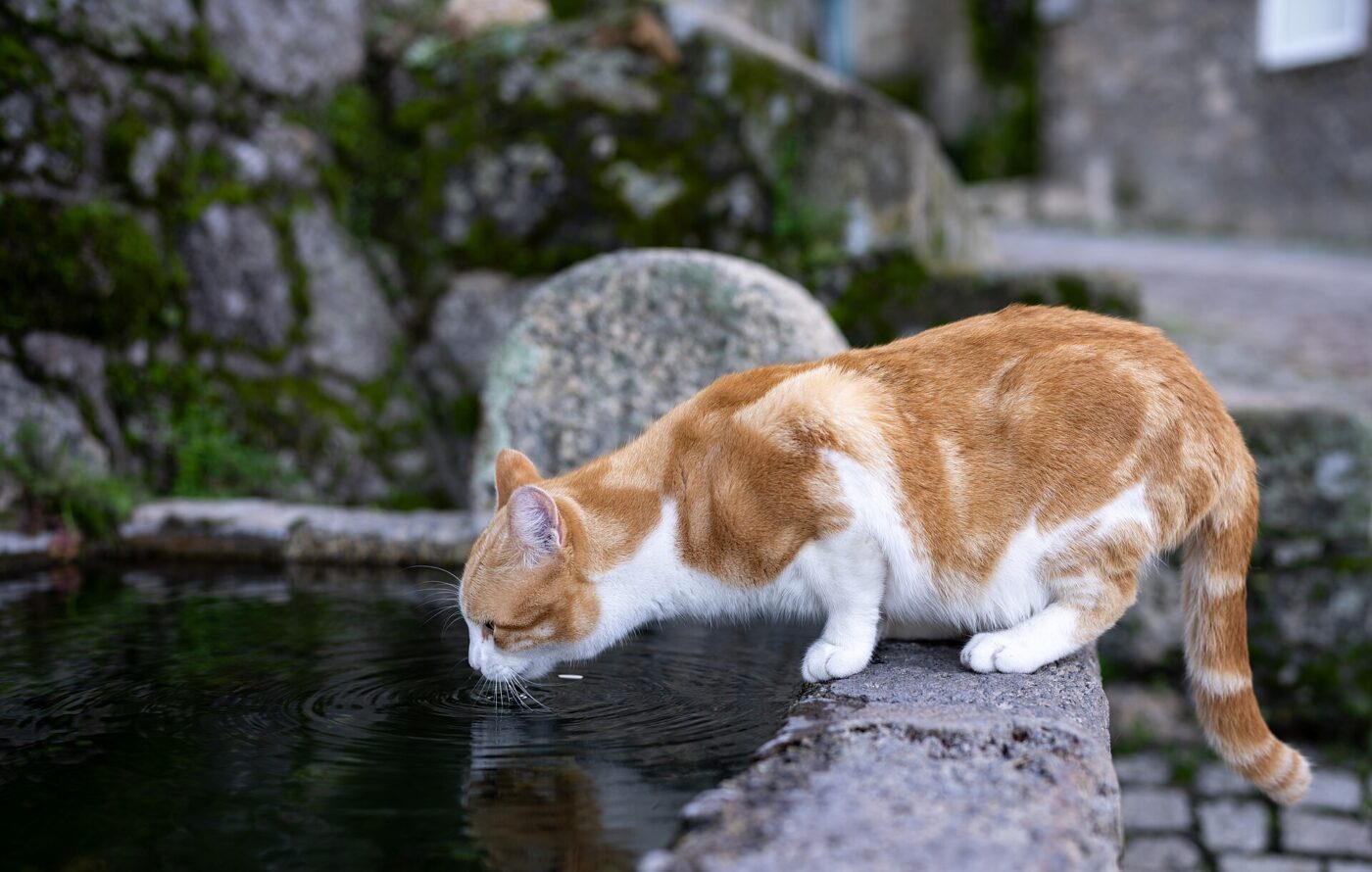
Cats evolved to take most of their water from prey and are poor voluntary drinkers. Some cats are drawn to moving water, but the controlled studies are mixed: one found a modest rise in intake with no change in urine concentration, and a later one found no significant difference in intake at all between still, circulating and free-falling water. Individual cats do show preferences, so a fountain is worth trying rather than a guaranteed fix.
What the packaging does not lead with is that you have bought a small submersible pump that lives permanently in standing water, in a house with animal hair drifting through it.
Fear Index · Think twice
Bought to reduce work, it adds a weekly chore
The hydration benefit is real. So is the maintenance, and a neglected fountain is dirtier than the bowl it replaced.
Why the pump dies
Two mechanisms, both of them maintenance rather than manufacturing.
Hair and debris. The impeller sits in a small housing that draws water through a narrow inlet. Fur wraps around the impeller shaft and the motor stalls, quietly at first and then completely. On most fountains this housing pops open by hand and the impeller lifts out for cleaning — and most owners have never opened it even once.
Scale. In hard water areas, calcium builds on the impeller and inside the housing, roughening surfaces until the pump seizes and the motor hums without turning. A soak in diluted white vinegar removes it in minutes, and a quick rinse afterward stops the smell carrying into the water.
A fountain that has gone quiet or slow is almost never broken. Open the pump housing, clear the impeller, and soak it.
Material changes the cleaning job

The surfaces inside a fountain are what biofilm grows on, and materials differ enormously in how easily a weekly wipe-down actually shifts it.
| Material | Cleaning | Notes |
|---|---|---|
| Plastic | Hardest — scratches hold biofilm | Cheapest; scratches are permanent harbors |
| Stainless steel | Easiest — non-porous, dishwasher-safe | Noisier as water falls on metal |
| Ceramic | Easy — glazed and heavy | Chips if dropped; heaviest to handle |
What actually matters when buying
The features that make a fountain sustainable are unglamorous.
- Few parts, no narrow channels. Every internal channel you cannot reach with a brush is a place biofilm survives.
- A pump that opens without tools. If you need a screwdriver, you will not do it weekly.
- Replaceable pump sold separately. Otherwise the fountain is disposable.
- Filters are optional. They help with hair and taste; they are not a substitute for cleaning the housing itself, and they are a recurring cost worth pricing before you buy.
- Water level window, because running a pump dry destroys it quickly.
A more reliable lever than the fountain itself
If the goal is hydration rather than a cat that likes to watch water move, diet does more than any bowl design. Cornell’s feline health center puts canned food’s moisture content at 75 percent or higher, against roughly 6–10 percent for dry kibble — a gap no fountain closes.
That does not make a fountain pointless. Some cats do drink more from moving water, and it costs nothing to offer both. It does mean a cat on an all-dry diet who will not touch wet food is a bigger hydration lever than any pump, and worth raising with a vet rather than solving with hardware alone.
Try a fountain if your cat seems interested, but do not expect it to substitute for wet food in a cat that actually needs more water in its diet — the two are not equivalent levers, and only one has controlled evidence behind it.
The shortlist
Paid links: we earn a commission if you buy through the buttons below, at no extra cost to you. As an Amazon Associate I earn from qualifying purchases.
Compared on how easy they are to keep clean
| Product type | Best for | Risk estimate | Where to buy |
|---|---|---|---|
| Stainless Steel Pet Fountain | Easiest to clean | 28/100 | See listings on AmazonOpens Amazon search results, not one listing: check the model on the product page. |
| Ceramic Pet Fountain | Quietest | 32/100 | See listings on AmazonOpens Amazon search results, not one listing: check the model on the product page. |
| Wide Shallow Ceramic Bowl | Simplest option | 12/100 | See listings on AmazonOpens Amazon search results, not one listing: check the model on the product page. |
Risk estimate is our editorial Fear Index for the product type (lower is safer), not a customer rating. How it is scored.
Stainless Steel Pet Fountain
If you will realistically clean it weekly, steel makes that a five-minute job rather than a fiddly, dreaded one.
- Non-porous and dishwasher-safe
- No scratches to harbor biofilm
- Pump usually sold as a spare
- Water on steel is noisier
- Shows limescale visibly
Wide Shallow Ceramic Bowl
If a weekly strip-down is not going to happen, a wide bowl changed twice daily beats a neglected fountain comfortably.
- Nothing to fail or clean out
- Wide, shallow shape many cats find comfortable
- Costs almost nothing
- Does not encourage drinking the way moving water does for every cat
- Needs refreshing more often
More: Pets analyses and how the Fear Index is scored.
Sources
- Effect of Water Source on Intake and Urine Concentration in Healthy Cats (Grant, 2010) — Journal of Feline Medicine and Surgery
- Quantified Water Intake in Laboratory Cats From Still, Free-Falling and Circulating Water Bowls (Robbins et al., 2019) — Journal of Feline Medicine and Surgery
- Feeding Your Cat — Cornell Feline Health Center
Questions people actually ask
How often should you clean a pet water fountain?
A full strip-down weekly, including opening the pump housing and clearing the impeller. Biofilm grows on every internal surface between cleans.
Why has my pet fountain stopped working?
Almost always hair around the impeller or limescale in the pump housing. Open the pump, clear the impeller and soak the parts in diluted white vinegar.
Are pet fountains better than bowls?
Some cats prefer moving water, though controlled studies have not shown a clear hydration or urinary benefit on average. A neglected fountain is worse than a clean bowl, so the answer depends on whether you will maintain it. A cat that suddenly drinks much more or much less than usual should see a vet.
Are plastic pet fountains bad?
They scratch, and scratches harbor biofilm that cleaning does not fully remove. Stainless steel and glazed ceramic are much easier to keep genuinely clean.