
With a Mattress, the Return Policy Is the Product
Firmness ratings are not standardized between brands and your body adapts over weeks. A genuine trial period is the only real protection.

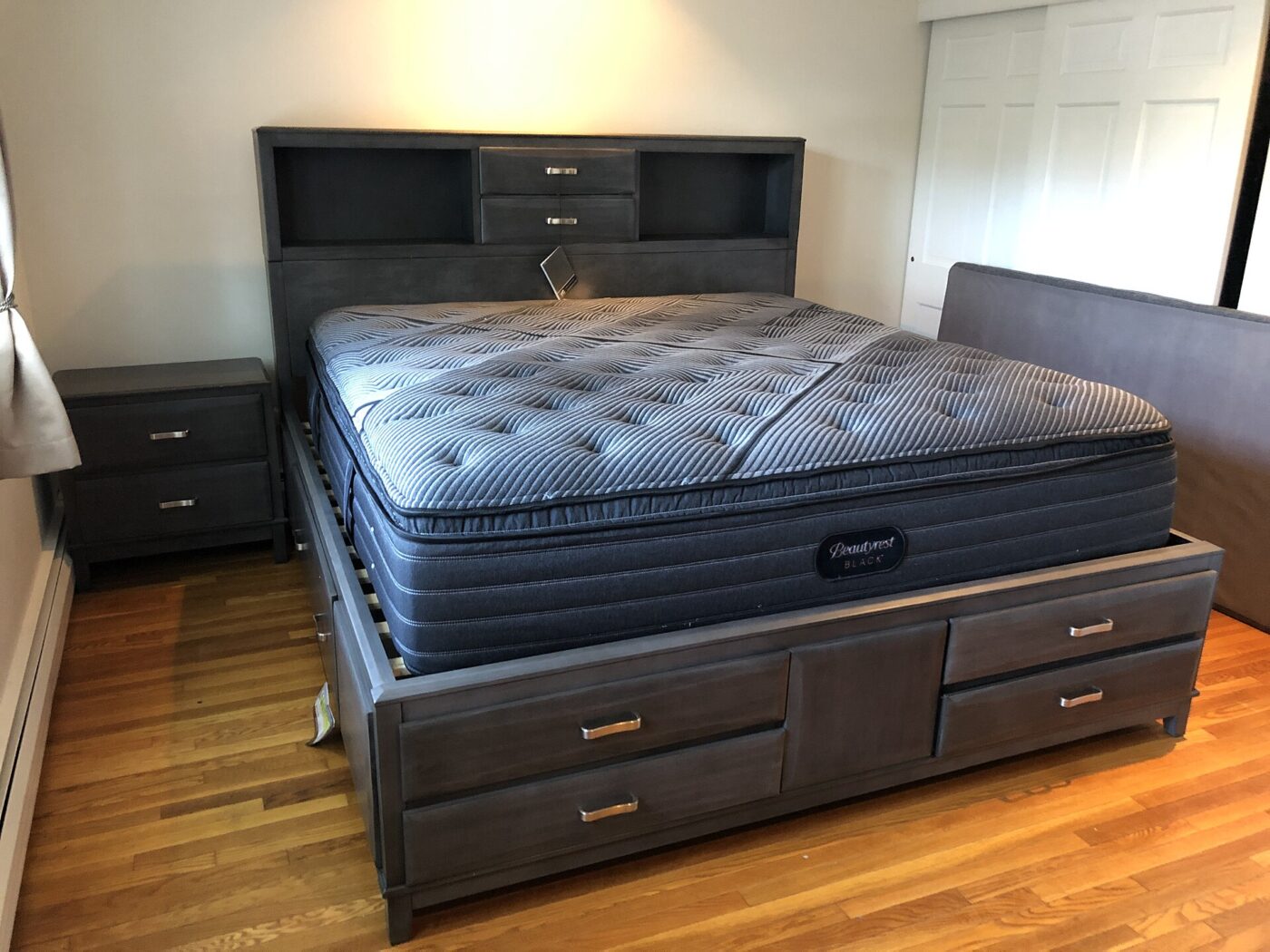
A mattress is one of the few purchases you use for a third of every day for a decade, and one of the few you cannot meaningfully test before committing.
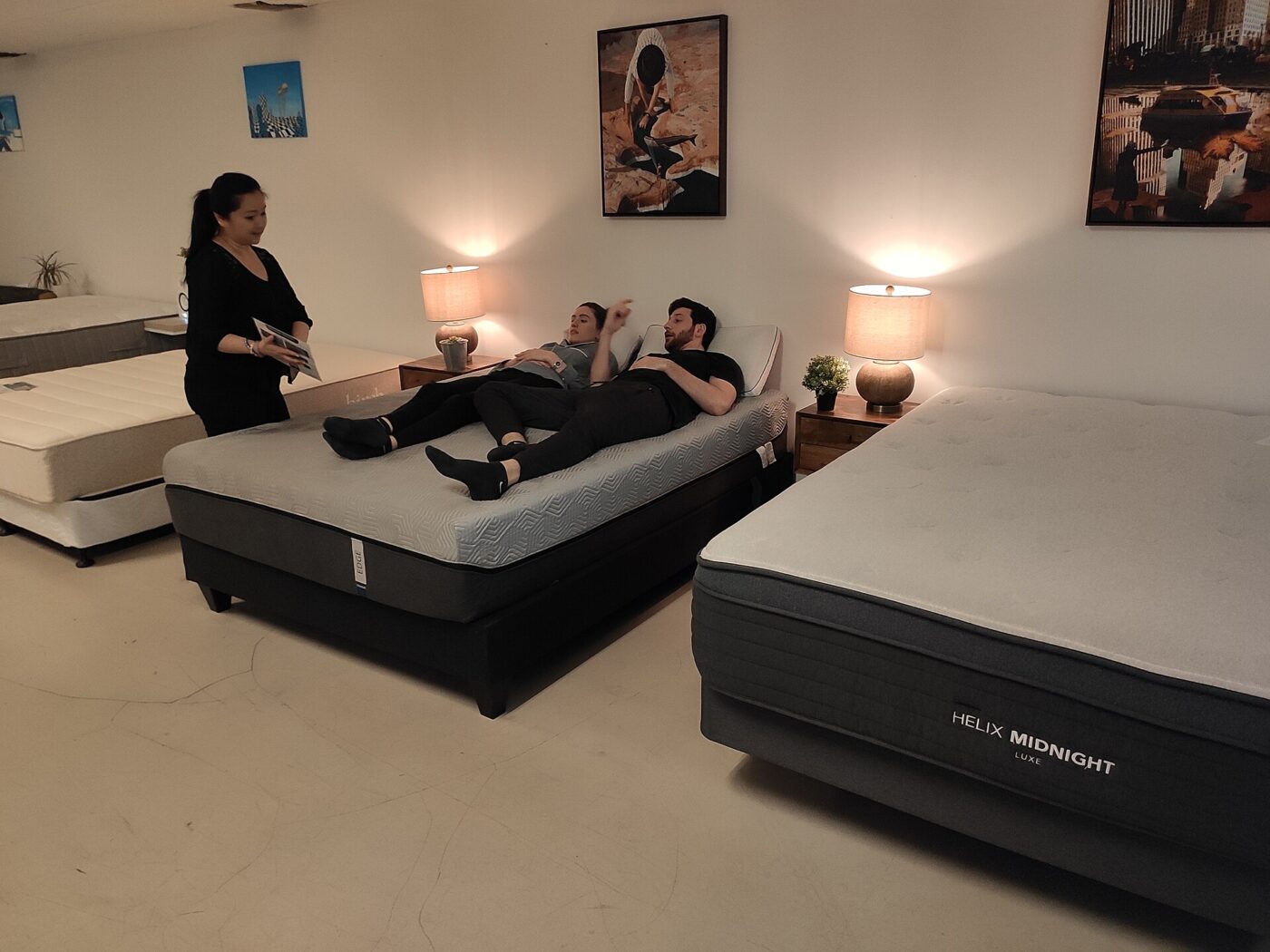
Ten minutes lying on a showroom bed in daytime clothes tells you almost nothing. The first week at home tells you a little more and is still misleading, because your body adjusts to a new sleep surface over roughly a month.
Delivery compounds the problem. A boxed mattress that arrives compressed can take a day or two to fully expand, which is not the same thing as the multi-week adjustment period — do not judge firmness until it has finished expanding, and do not start the clock on a trial before then either.
Fear Index · High risk
An expensive purchase you cannot evaluate quickly
Your body adapts over roughly a month, so a first impression is close to worthless — and the item is too large to return casually.
Firmness numbers are not comparable
Firmness is quoted on a 1–10 scale that no standard defines. Each manufacturer sets its own, so a “medium-firm 6” from one brand can feel like another’s 4.
Body weight changes the perception further. A heavier person sinks further into the comfort layer and reaches the support layer sooner, so the same mattress reads as firmer. A lighter person may never compress the comfort layer at all and find a medium mattress hard.
The one generalisation that survives: side sleepers need enough give at the shoulder and hip to keep the spine level, so they usually want softer. Back and front sleepers need the hips supported rather than sinking, so they usually want firmer.
Never buy on a firmness number alone across brands. It is an internal scale, not a measurement.
Read the trial terms, not the headline

“100-night trial” is the headline. The conditions underneath vary enormously and are where the cost lives.
- Who pays return shipping? A mattress is bulky and freight is not trivial. Free trial with paid return is a different offer.
- Is there a minimum break-in? Many require 21 or 30 nights before a return is allowed — reasonable, given adaptation, and worth knowing.
- Is it a refund or a credit? A store credit locks you into the same brand that already missed.
- Is a mattress protector required? Some void the trial if the mattress is stained, which is an easy condition to breach.
- One exchange or unlimited? Most allow a single swap.
- Is it marked final sale or clearance? Discount and open-box listings sometimes carry no trial at all — read the specific listing, not the brand’s general policy page.
What you can fix afterwards
The asymmetry matters when choosing: a too-firm mattress is fixable, a too-soft one is not.
A topper adds a comfort layer and softens the surface effectively. Nothing added on top makes a sagging mattress supportive again, because the support layer is beneath everything you can add.
So when genuinely torn between two firmness levels, the firmer one is the lower-risk choice. You retain an option.
What the labels on the mattress actually mean
Every mattress sold in the US, foam or spring, has to pass a federal open-flame flammability test enforced by the Consumer Product Safety Commission. That is why even inexpensive mattresses carry a fire-resistant barrier layer you never see or feel — it is built into every mattress on the market, not a premium feature worth paying extra for.
Foam chemistry is a separate question, and it is not federally regulated the way flammability is. A voluntary label such as CertiPUR-US means the foam has been independently tested for banned flame retardants, heavy metals such as lead and mercury, and chemicals classified as carcinogens or mutagens, instead of asking you to take the manufacturer’s word for it.
Neither label says anything about comfort, support or how long the mattress will last. They rule out two specific and avoidable risks, which is a different question from whether the mattress suits your body.
Look for CertiPUR-US on any foam mattress or topper. It is a floor, not a recommendation — you still judge firmness and support the way the rest of this guide describes.
The shortlist
Paid links: we earn a commission if you buy through the buttons below, at no extra cost to you. As an Amazon Associate I earn from qualifying purchases.
Compared on what the trial actually allows
| Product type | Best for | Risk estimate | Where to buy |
|---|---|---|---|
| Memory Foam Mattress (Queen) | Side sleepers | 48/100 | See listings on AmazonOpens Amazon search results, not one listing: check the model on the product page. |
| Hybrid Pocket-Spring Mattress (Queen) | Back and front sleepers | 44/100 | See listings on AmazonOpens Amazon search results, not one listing: check the model on the product page. |
| Mattress Topper, 3 inch | Adjusting a mattress you own | 26/100 | See listings on AmazonOpens Amazon search results, not one listing: check the model on the product page. |
Risk estimate is our editorial Fear Index for the product type (lower is safer), not a customer rating. How it is scored.
Hybrid Pocket-Spring Mattress (Queen)
The construction that suits the widest range of sleepers. Before ordering, check whether the listing includes the maker’s own sleep trial — buying through general marketplace fulfillment alone often carries a shorter return window than a dedicated trial.
- Springs allow airflow, so it sleeps cooler
- Edge support for sitting and getting up
- Suits a wider range of body weights
- Heavier to move
- More expensive than all-foam
Mattress Topper, 3 inch
Why erring firm is the lower-risk decision: this exists, and there is no equivalent in the other direction.
- Softens a mattress that is too firm
- Far cheaper than returning
- Adds a washable protective layer
- Cannot rescue a sagging mattress
- Can make a bed sleep warmer
More: Health and Sleep analyses and how the Fear Index is scored.
Questions people actually ask
How firm should my mattress be?
Side sleepers generally need softer so the shoulder and hip sink enough to keep the spine level. Back and front sleepers generally need firmer so the hips do not drop. Body weight shifts both.
How long does it take to get used to a new mattress?
Around three to four weeks. Early impressions are unreliable, which is why many trials require a minimum break-in period before a return.
Can a topper fix a mattress that is too soft?
No. Support comes from the layer beneath everything you can add. A topper softens a firm mattress but cannot make a sagging one supportive.
What should I check in a mattress trial?
Who pays return shipping, whether there is a minimum number of nights, whether you get a refund or store credit, and whether a protector is required to keep the trial valid.