
A Bearded Dragon Starter Kit Can Hide the Heat Rock and Sand Vets Warn Against
A bargain bearded dragon starter kit can pair a weak UVB bulb with a heat rock and loose sand. What vets say to replace first, and the gradient to aim for

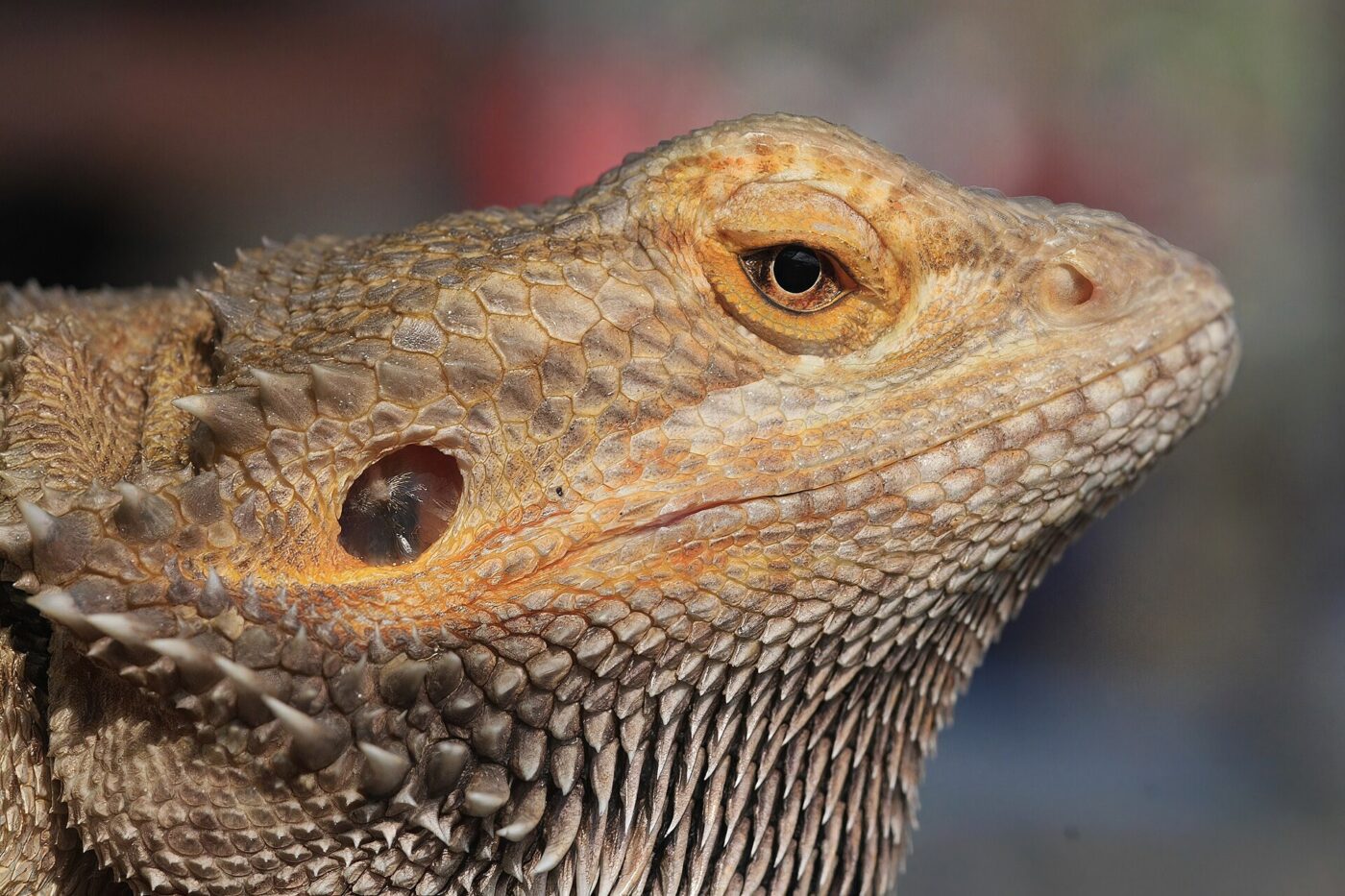
A bearded dragon starter kit at a pet store usually looks complete: a tank, a hooded fixture with a bulb, a heat rock shaped like a stone, a bag of sand and a laminated care card. Everything a new owner is told to buy is already in the box.
Reptile veterinarians see the same kit differently. The bulb is often too weak or the wrong type to prevent bone disease, the heat rock can burn a lizard that cannot move away from it, and the sand is a swallowing risk long before the tank becomes too small to matter.
Fear Index · High risk
A kit that looks complete but is not
CDC says a Salmonella outbreak traced to pet bearded dragons in late 2025 sickened 20 people across 14 states, hospitalized 9 and killed one, and the agency does not recommend bearded dragons for children under 5.
What a bargain starter kit usually includes
Most entry-level kits are assembled to hit a shelf price, not a husbandry checklist: a small tank sized for a hatchling, a hooded fixture with a screw-in bulb marketed as UV, a heat rock, a bag of sand or other loose substrate, and instructions that rarely mention a replacement schedule for anything.
The Association of Reptile and Amphibian Veterinarians (ARAV) publishes a client handout listing what to avoid in a bearded dragon’s housing: gravel, corn cob bedding, sand (including calcium sand), walnut shells, kitty litter, alfalfa pellets, wood shavings, and direct contact with heating elements, including hot rocks. Several of the items a starter kit ships with appear on that list.
Everything in the box was chosen to fit a price point, not the checklist a reptile vet would hand a new owner.
UVB: the light a starter bulb usually cannot deliver

The Merck Veterinary Manual identifies secondary nutritional hyperparathyroidism, better known as metabolic bone disease, as the most common bone disease reptile practices see, caused by poor diet (a low calcium-to-phosphorus ratio or vitamin D3 deficiency) or poor husbandry, specifically a lack of UVB light or inadequate thermal provision.
ARAV’s bearded dragon guidance is specific: provide about 12 hours of UVB lighting daily, and replace fluorescent UVB bulbs every six months to keep their output where it needs to be, since a tube can keep glowing long after its UVB output has dropped. It also recommends direct sunlight when possible, because glass and plexiglass block UVB rays.
Merck’s general reptile husbandry guidance adds that UVB lighting matters most for diurnal lizards, that fixtures must be labeled as providing UVB, and that they should sit within about 30 cm (12 in) of the animal — details a starter kit’s coiled, hood-mounted bulb rarely satisfies.
A UVB bulb that has not been swapped on schedule can still glow while doing almost nothing for a dragon’s calcium.
The temperature gradient a heat rock cannot safely provide
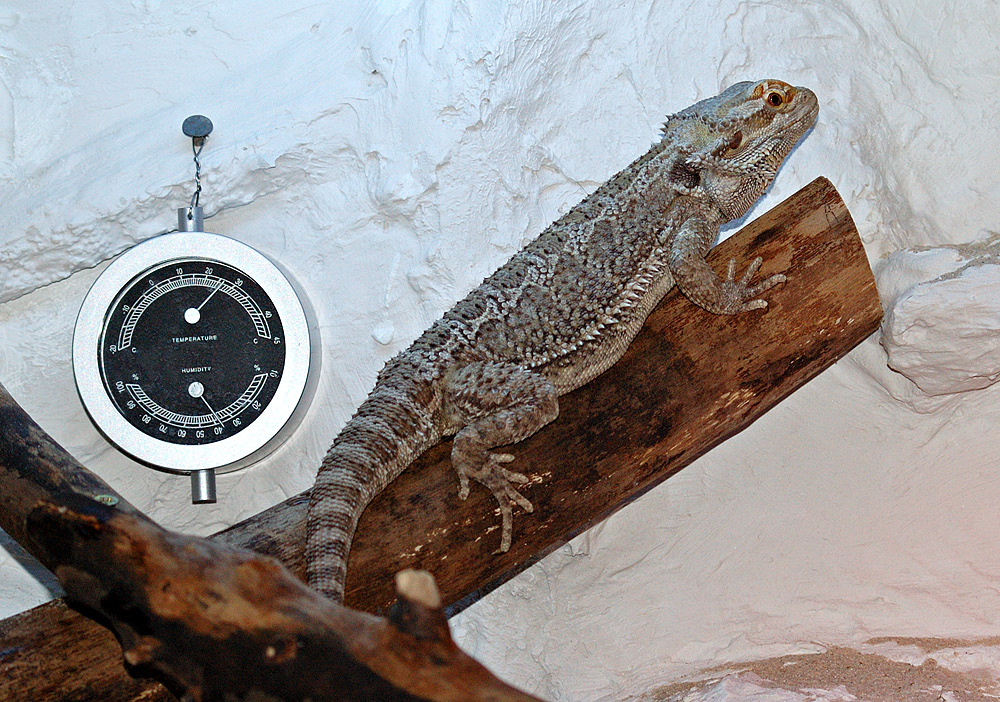
ARAV sets the target gradient for a bearded dragon’s enclosure at 77°F (25°C) on the cool side up to 90°F (32°C) on the warm side, with a basking spot around 100°F (38°C), and says nighttime temperatures should not drop below the mid-70s°F (23–24°C).
That gradient is meant to come from an overhead heat source a dragon can walk toward or away from. ARAV lists direct contact with heating elements, including hot rocks, among what to avoid, and names trauma burns from cage heating devices and bulbs as one of the disorders bearded dragons are commonly treated for — a rock a dragon is resting its belly against does not give it that option.
A starter kit’s built-in dial or thermostat is not a substitute for actually measuring the gradient. A digital thermometer with a probe, or a handheld infrared thermometer, checks the basking spot and cool side directly instead of trusting a kit’s guesswork.
A heat rock puts heat where a dragon cannot escape it. An overhead bulb, checked with a thermometer, is what a gradient actually measures.
Adult size, substrate and the impaction risk
A 10-gallon tank is adequate for a baby dragon, ARAV says, but adults need far more room: a floor footprint at least four times the dragon’s length, so a roughly 2-foot (60 cm) adult needs an enclosure of at least 4 by 2 feet (1.2 by 0.6 m). Most starter kits are sized for the hatchling that comes home, not the adult it grows into within a year.
Substrate carries its own risk. ARAV’s avoid list — gravel, corn cob bedding, sand, walnut shells, kitty litter, alfalfa pellets, wood shavings — exists specifically to prevent gastrointestinal impaction, and it recommends non-particulate options such as reptile carpet for adults and plain paper towels for dragons under six months old.
Merck’s general reptile husbandry guidance backs the same conclusion from the other direction: gravel and pebbles are not recommended for terrestrial species because they are difficult to clean and often ingested, leading to potential gastrointestinal tract obstruction, and any sand or soil substrate should be sterilized before use.
- Avoid: gravel, corn cob bedding, sand (including calcium sand), walnut shells, kitty litter, alfalfa pellets, wood shavings.
- Use instead: reptile carpet or a similar non-particulate liner for adults; plain paper towels for dragons under six months.
- Adult footprint: at least four times the dragon’s length by roughly half that in width.
The sand in a starter kit is marketed as scenery. Reptile vets list it among the substrates most linked to impaction.
Salmonella, handwashing and kids
Bearded dragons can carry Salmonella in their droppings even when they look clean and healthy, CDC says, and the bacteria can spread to their bodies and anything in the area where they live and roam. A November 2025 outbreak traced to pet bearded dragons sickened 20 people across 14 states, hospitalized 9, and caused one death.
CDC does not recommend bearded dragons, or other reptiles, for children younger than 5, adults 65 and older, or people with weakened immune systems, because of the higher risk of severe illness in those groups. Its core advice is simple and constant: wash hands thoroughly with soap and water right after touching or feeding the dragon, and after cleaning its enclosure — every time, not just when the tank visibly needs it.
A clean-looking dragon is not the same as a Salmonella-free one. The habit that matters is washing hands every time, not just when the tank looks dirty.
The shortlist
Paid links: we earn a commission if you buy through the buttons below, at no extra cost to you. As an Amazon Associate I earn from qualifying purchases.
Compared on fixing the riskiest kit parts first
| Product type | Best for | Risk estimate | Where to buy |
|---|---|---|---|
| Linear T5 HO UVB Fixture | Replacing the UVB bulb the kit shipped with | 22/100 | See listings on AmazonOpens Amazon search results, not one listing: check the model on the product page. |
| Digital Thermometer With Probe or IR Gun | Reading the gradient instead of guessing | 10/100 | See listings on AmazonOpens Amazon search results, not one listing: check the model on the product page. |
| Front-Opening Terrarium, Adult Size | Growing into an enclosure sized for an adult | 25/100 | See listings on AmazonOpens Amazon search results, not one listing: check the model on the product page. |
Risk estimate is our editorial Fear Index for the product type (lower is safer), not a customer rating. How it is scored.
Linear T5 HO UVB Fixture
ARAV recommends replacing a bearded dragon’s fluorescent UVB bulb every six months to keep its output in range.
- Linear tube reaches across the enclosure
- A type reptile vets commonly specify
- Marked with a clear replacement schedule
- Needs its own fixture, not a screw base
- Still requires periodic replacement
Front-Opening Terrarium, Adult Size
ARAV sizes an adult enclosure at roughly four times a dragon’s length; the tank in most starter kits was built for a hatchling.
- Meets the floor footprint ARAV lists for adults
- Front access avoids reaching over a basking dragon
- Room to build a real hot-to-cool gradient
- Costs far more than the started tank
- Takes up more floor space in a room
More: Pets analyses and how the Fear Index is scored.
Sources
- Salmonella Outbreak Linked to Pet Bearded Dragons — CDC
- Nutritional, Metabolic, and Endocrine Diseases of Reptiles — Merck Veterinary Manual
- Management and Husbandry of Reptiles — Merck Veterinary Manual
- How to Keep Your Bearded Dragon Healthy, Happy and Safe — Association of Reptile and Amphibian Veterinarians
Questions people actually ask
Are heat rocks safe for bearded dragons?
ARAV lists direct contact with heating elements, including hot rocks, among what to avoid, and trauma burns from cage heating devices and bulbs are among the disorders bearded dragons are commonly treated for.
How often does a bearded dragon’s UVB bulb need replacing?
ARAV recommends replacing fluorescent UVB bulbs every six months to keep output in the range bearded dragons need, even though the bulb may still light up well past that point.
What size tank does an adult bearded dragon need?
ARAV sizes an adult enclosure at a floor footprint of at least four times the dragon’s length; a roughly 2-foot adult needs at least a 4-by-2-foot floor, far more than the tank in most starter kits.
Is sand safe as a substrate for a bearded dragon?
ARAV lists sand, including calcium sand, among substrates to avoid because of the risk of gastrointestinal impaction, and recommends non-particulate options such as reptile carpet instead.
Can bearded dragons make children sick?
Yes. CDC says bearded dragons can carry Salmonella even when they look clean, and does not recommend them for children under 5, adults 65 and older, or anyone with a weakened immune system.