
The Wrong Cuff Size Invalidates Every Reading You Take
A cuff too small reads high, a cuff too large reads low. Measure your arm before buying, and use a clinically validated device.

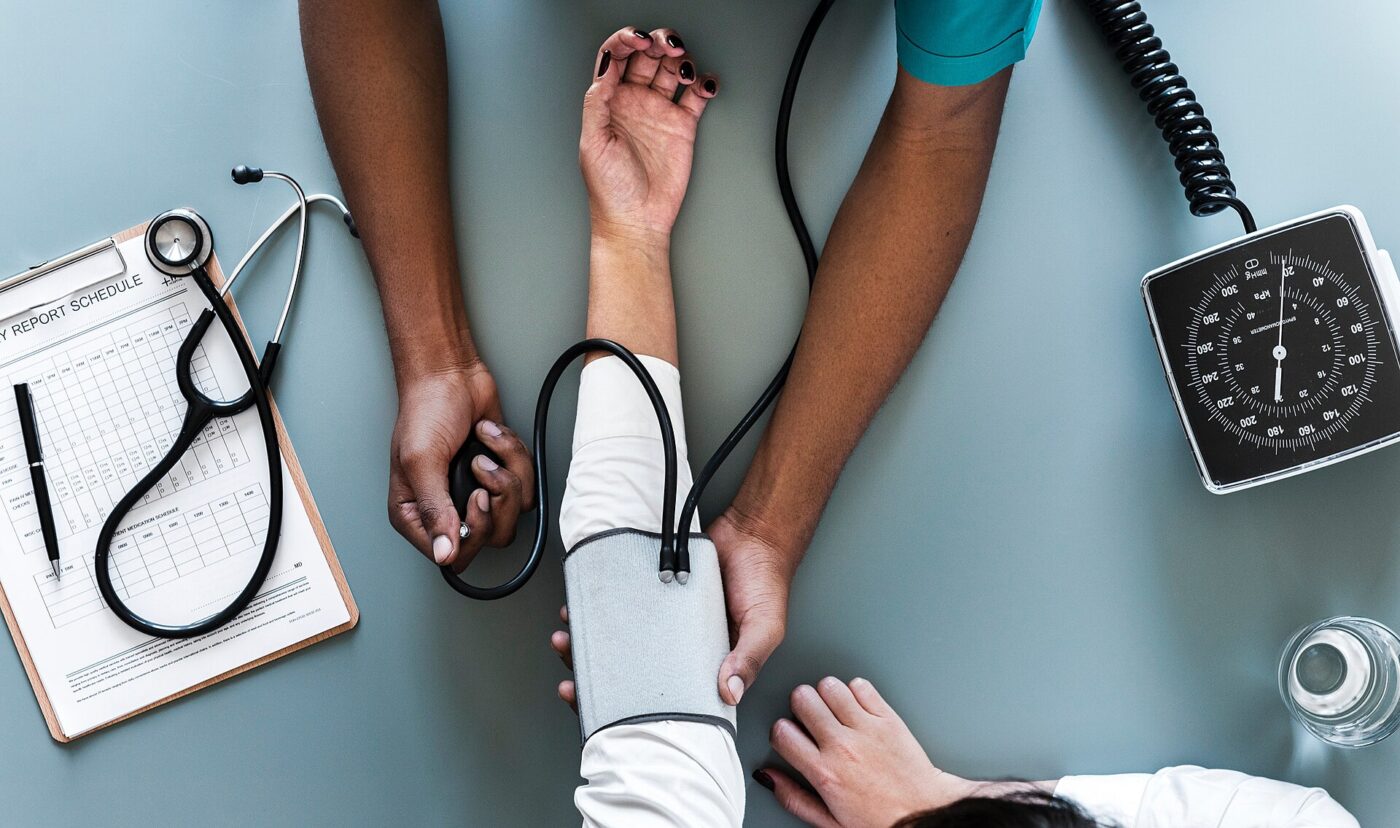
Home blood pressure monitoring is genuinely useful. Readings taken at home avoid the white-coat effect and give a much better picture across days than a single clinic measurement.
That only holds if the number is right, and the commonest reason it is not has nothing to do with the electronics.
Fear Index · High risk
A precise instrument fed a wrong input
Decisions about medication get made on these numbers. A systematically high reading is not a harmless inconvenience.
Cuff size is not a comfort setting
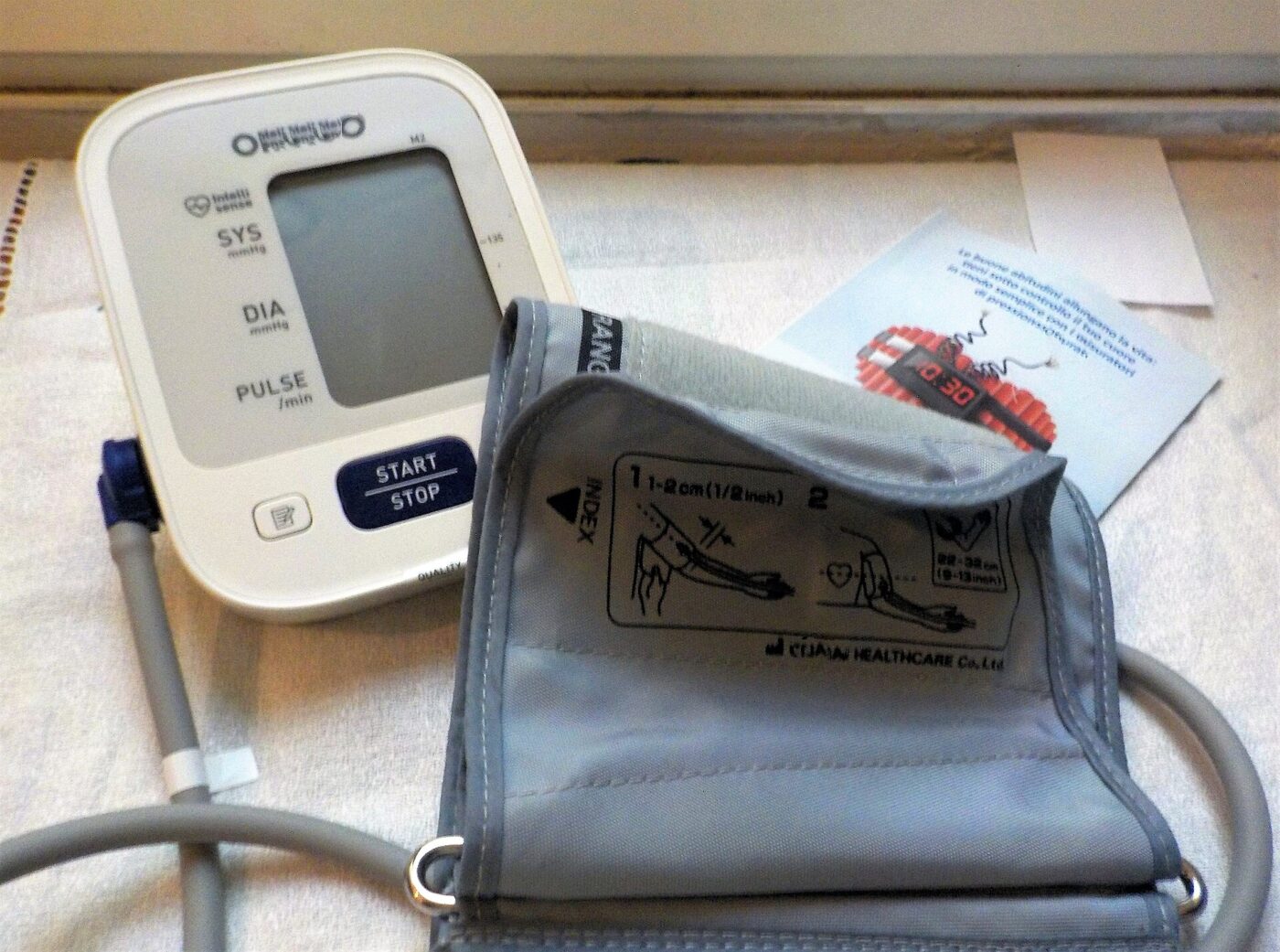
The cuff works by occluding the artery with even pressure. If the bladder inside is too short or narrow for the arm, it has to be inflated harder to achieve that — and the device reports the higher pressure it applied.
The effect runs in both directions and it is not small: a wrong-size cuff can shift a reading by up to 30 mmHg. The American Heart Association recommends choosing the larger size whenever an arm falls on the border between two, because the error from a too-small cuff is the more severe of the two mistakes.
| Arm circumference | Cuff size |
|---|---|
| 22–26 cm | Small adult |
| 27–34 cm | Standard adult |
| 35–44 cm | Large adult |
| 45–52 cm | Extra large / thigh cuff |
Measure the midpoint of your upper arm with a tape before buying. Many monitors ship with a standard cuff only, and a large number of adults need the large size.
Technique changes the number too

Even with the right cuff, how you sit moves the reading by a clinically meaningful amount.
- Sit still for five minutes first. Not talking, not scrolling.
- Back supported, feet flat on the floor. Crossed legs and an unsupported back both raise readings.
- Arm supported at heart level. An arm hanging down reads high; raised above the heart reads low.
- Cuff on bare skin, with the tube over the brachial artery, snug enough for two fingers underneath.
- Check both arms once. A consistent difference of more than about 10 mmHg between arms is worth mentioning to your doctor; after that, use whichever arm reads higher for future readings.
- Take two or three readings a minute apart and record the average, not just the first number the cuff shows.
- Same time each day, before medication and caffeine.
Validation matters more than features
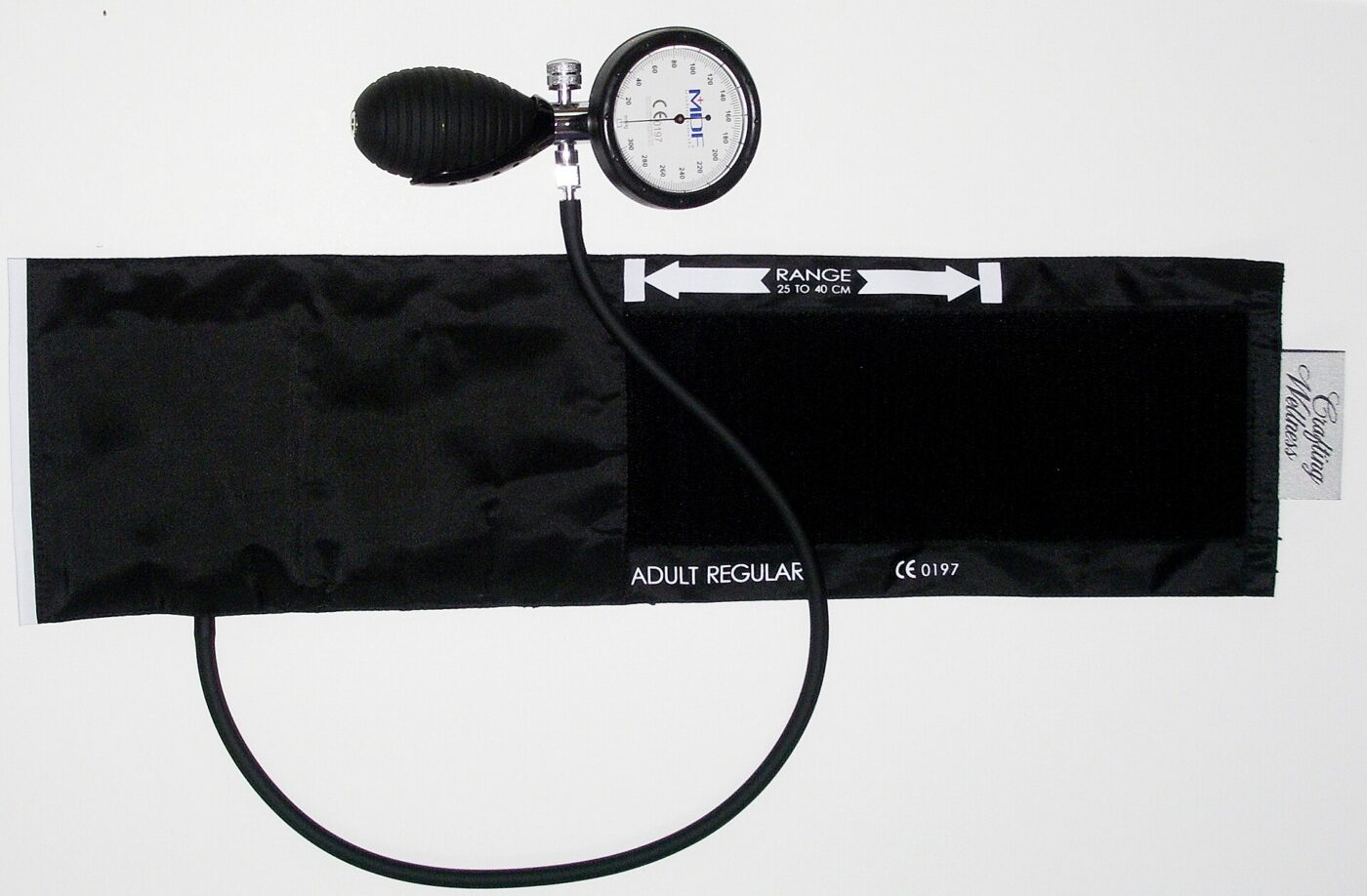
Most home monitors are not independently validated for accuracy. In the US, the American Medical Association’s US Blood Pressure Validated Device Listing at validatebp.org names monitors that an independent physician review committee has confirmed measure correctly, upper-arm and wrist models both; checking a model against that list is more useful than any feature comparison.
Bluetooth apps, multiple user memories and irregular heartbeat detection are conveniences. None of them substitutes for a device that has been shown to measure correctly.
Wrist monitors are convenient and more position-sensitive, because the wrist must be held exactly at heart level. For anyone monitoring a diagnosed condition, an upper-arm device is the sounder choice.
What to do with the number
A single reading, even a correct one, is not a diagnosis. Blood pressure varies through the day, and what a clinician wants from home monitoring is usually a week or two of readings taken at the same times, not one number used to decide anything on its own.
Bring the log to your doctor rather than adjusting medication yourself based on a single high or low reading. A cuff that fits and a validated monitor remove one source of error; they do not remove the value of a clinician interpreting the trend.
One reading does need immediate action. The American Heart Association says a reading above 180/120, together with chest pain, shortness of breath, back pain, numbness, weakness, a change in vision or difficulty speaking, is a hypertensive emergency — call 911 rather than waiting to see if it comes down on its own.
The shortlist
Paid links: we earn a commission if you buy through the buttons below, at no extra cost to you. As an Amazon Associate I earn from qualifying purchases.
Compared on accuracy you can rely on
| Product type | Best for | Risk estimate | Where to buy |
|---|---|---|---|
| Upper-Arm Blood Pressure Monitor | Most adults | 36/100 | See listings on AmazonOpens Amazon search results, not one listing: check the model on the product page. |
| Large Adult BP Cuff (35–44 cm) | Larger arms | 20/100 | See listings on AmazonOpens Amazon search results, not one listing: check the model on the product page. |
| Wrist Blood Pressure Monitor | Travel use only | 58/100 | See listings on AmazonOpens Amazon search results, not one listing: check the model on the product page. |
Risk estimate is our editorial Fear Index for the product type (lower is safer), not a customer rating. How it is scored.
Upper-Arm Blood Pressure Monitor
Measure your arm first, then buy a validated model and the cuff size that actually fits it — which may mean buying the cuff separately.
- Upper-arm measurement is the clinical standard
- Less position-sensitive than wrist devices
- Validated models are widely available
- Supplied cuff may not fit your arm
- Bulkier to travel with
Large Adult BP Cuff (35–44 cm)
If your upper arm measures over 34 cm, the standard cuff in the box will read high. This is not optional.
- Corrects a systematic over-reading
- Fits most monitors from the same brand
- Cheap relative to a wrong diagnosis
- Must match the monitor’s connector
- Not interchangeable across brands
More: Health and Sleep analyses and how the Fear Index is scored.
Questions people actually ask
What happens if a blood pressure cuff is too small?
It reads high, because the device must inflate harder to occlude the artery and reports that higher pressure. A cuff that is too large reads low.
How do I know what cuff size I need?
Measure the circumference of your upper arm at the midpoint. Roughly: 22–26 cm small, 27–34 cm standard, 35–44 cm large, above that extra large.
Are wrist blood pressure monitors accurate?
They can be, but they are much more sensitive to position — the wrist must be held exactly at heart level. Upper-arm devices are the clinical standard.
How should I take a blood pressure reading at home?
Sit still for five minutes with your back supported and feet flat, arm supported at heart level, cuff on bare skin. Take two or three readings a minute apart and record the average.
When is a blood pressure reading a medical emergency?
The American Heart Association says a reading above 180/120 accompanied by chest pain, shortness of breath, back pain, numbness, weakness, vision changes or difficulty speaking is a hypertensive emergency. Call 911 rather than waiting for it to come down.