
Try Hiking Boots at Five in the Afternoon, Not Ten in the Morning
Feet expand through the day and further on a long descent. Boots fitted on a fresh morning foot are boots that bruise toenails.

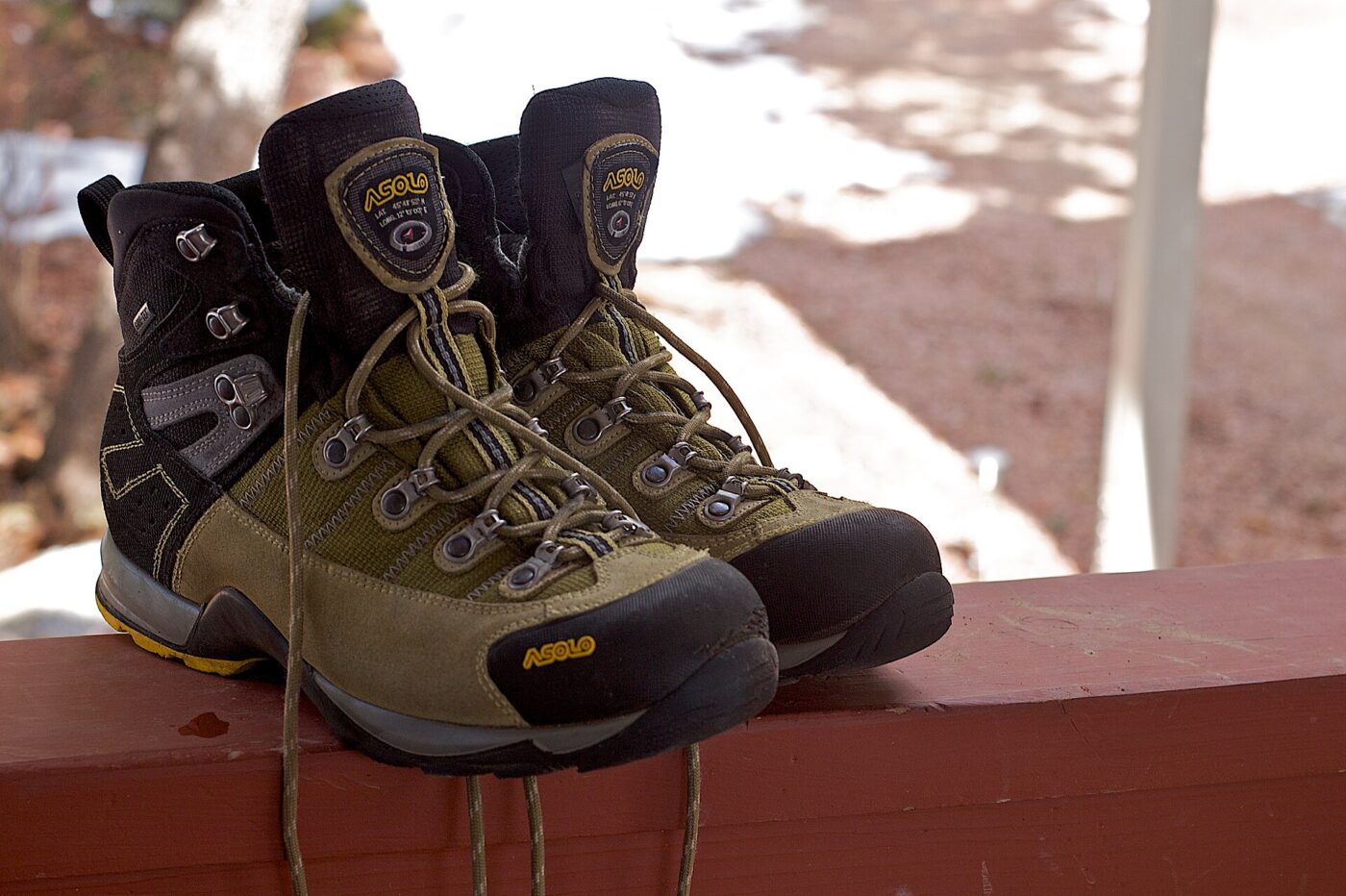
Hiking boot complaints are remarkably consistent: bruised toenails on descents, blisters on the heel, numbness across the top of the foot.
Almost all of them are fit, and almost all of the bad fits were decided in a shop on a morning foot that had not yet done anything.
Fear Index · Think twice
Fitted on the wrong foot, literally
Nothing about the boot fails. It simply fits a foot that only exists first thing in the morning.
Feet are not one size
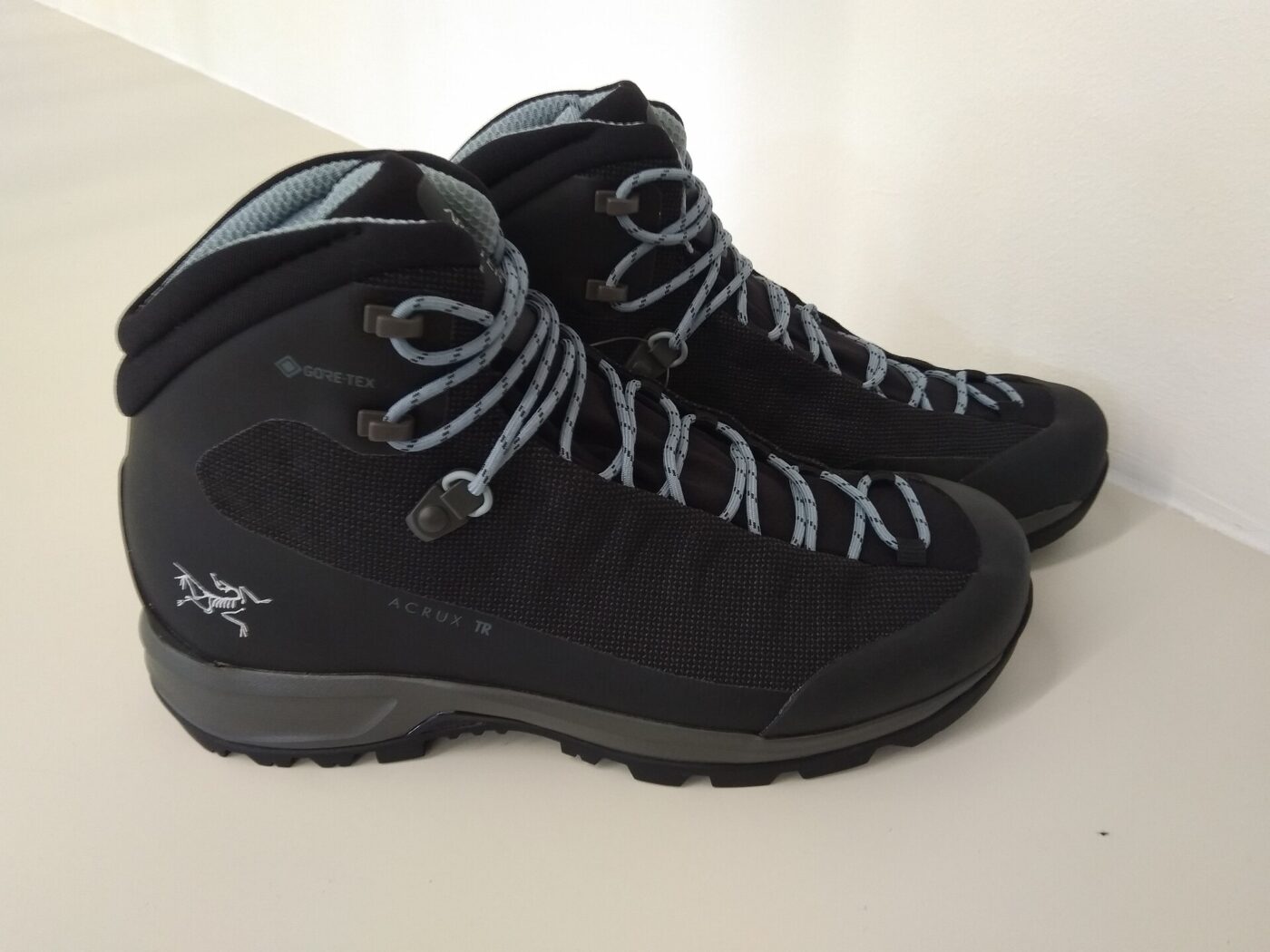
Feet swell measurably over a day of standing and walking, and further under a pack. A boot that is comfortable at 10am can be tight by mid-afternoon on a hill.
They also differ from each other. Most people have one foot slightly longer, and boots should be fitted to the larger one.
And the longest toe is not always the big toe. Fit to whichever toe is longest on the longer foot, leaving roughly a thumb’s width of space in front of it.
Descending is the test. On a steep downhill your foot slides forward, and if there is no room the toenail meets the boot repeatedly. That is where black toenails come from.
Lacing solves most heel lift

Blisters on the heel are caused by movement, not friction alone. If the heel lifts out of the boot with each step, it rubs — and toe room does nothing about that.
Lacing technique fixes a surprising amount of it.
- Heel lock. At the ankle flex point, skip the usual criss-cross and run each lace straight up to the next hook, then thread it under the opposite lace before pulling both up snug. This locks the heel into the cup instead of letting it lift with every step.
- Surgeon’s knot. An extra loop tied just below the heel-lock crossing, so the instep and ankle can be tensioned separately. Combine the two and a boot that slips can usually be tightened enough without numbing the top of the foot.
- Loosen over the instep if the top of your foot goes numb — that is pressure on the nerve, not a size problem.
- Re-tighten after twenty minutes. Laces bed in and the fit changes.
How much boot you actually need
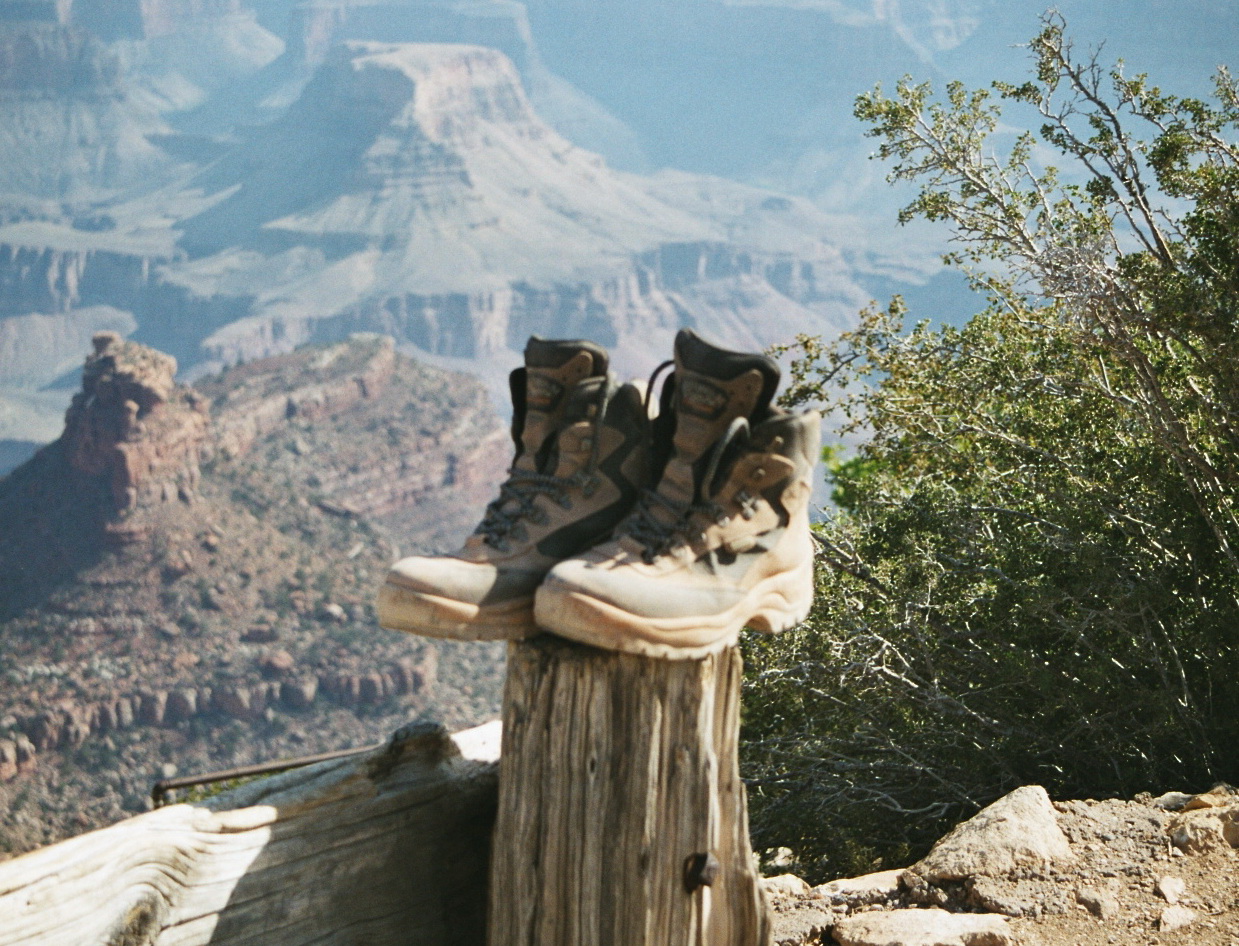
Stiff, high-ankle leather boots exist for carrying heavy loads over broken ground. On a maintained path with a day pack, they are heavier, hotter and no safer than a supportive trail shoe.
Modern synthetic boots need very little breaking in. The old advice to expect weeks of pain applies to full leather; a synthetic boot that hurts in the shop will hurt on the hill.
Waterproof linings keep water out and sweat in. For hot, dry hiking a non-waterproof boot is often more comfortable, and dries far faster when it does get wet — a genuine consideration for anyone hiking somewhere humid rather than somewhere that gets standing puddles and stream crossings.
What to check before you leave the store
A boot that feels fine standing at the register can still be wrong on the trail, and a few minutes of testing in the store catches most of what a first hike would otherwise reveal the hard way.
- Bring the socks you will actually hike in. A boot fitted over thin dress socks measures differently than the same boot over cushioned hiking socks.
- Walk a ramp or stairs if the store has one. Descending is where a too-short fit shows up; flat-floor walking rarely does.
- Pull the insole out and stand on it. The visual thumb’s-width check is faster than lacing and unlacing a boot repeatedly while narrowing down a size.
- Wiggle your toes deliberately. They should move freely at the front. If they touch the end standing still, they will hit it hard on a descent.
The shortlist
Paid links: we earn a commission if you buy through the buttons below, at no extra cost to you. As an Amazon Associate I earn from qualifying purchases.
Compared on fit and terrain
| Product type | Best for | Risk estimate | Where to buy |
|---|---|---|---|
| Mid-Weight Hiking Boot | Most hiking | 32/100 | See listings on AmazonOpens Amazon search results, not one listing: check the model on the product page. |
| Trail Shoe for Day Hikes | Maintained trails and day packs | 26/100 | See listings on AmazonOpens Amazon search results, not one listing: check the model on the product page. |
| Merino Hiking Socks | Preventing blisters | 14/100 | See listings on AmazonOpens Amazon search results, not one listing: check the model on the product page. |
Risk estimate is our editorial Fear Index for the product type (lower is safer), not a customer rating. How it is scored.
Merino Hiking Socks
Cotton holds moisture against the skin and softens it. Changing socks prevents more blisters than changing boots.
- Wicks moisture, which is what softens skin before it blisters
- Warm when damp
- Resists odor over multi-day trips
- Costs several times a cotton pair
- Needs careful washing
Trail Shoe for Day Hikes
For maintained paths and a day pack, the extra weight of a boot buys little. Save the boots for broken ground and loads.
- Far lighter over a day
- Dries in hours rather than days
- Breaks in immediately
- Less ankle support with a heavy pack
- Softer sole on sharp rock
More: Outdoors & Fitness analyses and how the Fear Index is scored.
Questions people actually ask
What size hiking boots should I buy?
Fit your larger foot, late in the day when feet have swollen, leaving about a thumb’s width in front of your longest toe — which is not always the big toe.
Why do I get blisters on my heels when hiking?
Usually heel lift rather than size. If the heel moves inside the boot with each step it rubs. The heel-lock lacing technique, tied at the ankle flex point, usually fixes it.
How long do hiking boots take to break in?
Modern synthetic boots need very little. Full leather takes weeks. A synthetic boot that is painful in the shop will stay painful — that is a fit problem, not break-in.
Are waterproof hiking boots always better?
No. Linings keep water out and sweat in, and they dry slowly once wet. In hot dry conditions a non-waterproof boot is often more comfortable.