
Your Waterproof Jacket Did Not Leak. It Wetted Out.
A jacket that feels damp inside is usually not leaking. The outer face fabric has soaked, stopping the membrane breathing — and it is fixable at home.

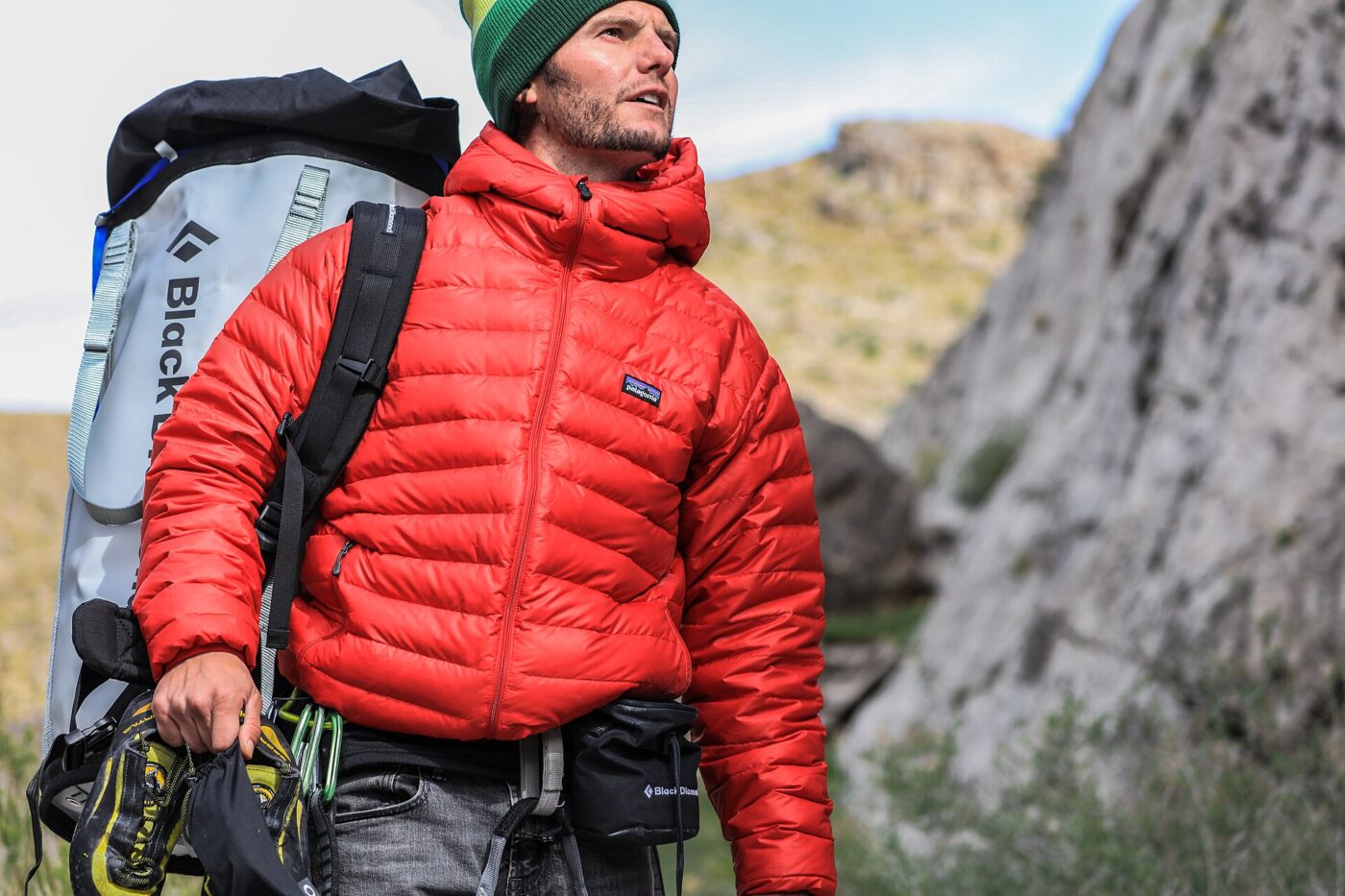
A waterproof jacket keeps working for years and then, one fall, you come home damp. The obvious conclusion is that it has failed, and the usual response is to buy another one.
In most cases nothing has failed. The membrane is intact and doing its job. What has stopped working is a microscopically thin chemical treatment on the outside of the fabric — and it is restorable in an afternoon.
Fear Index · Think twice
The failure looks exactly like a leak
People return jackets that are working correctly, and keep wearing jackets that need an hour of maintenance.
Wetting out is not leaking

A waterproof-breathable jacket is three layers: an outer face fabric, a membrane with pores too small for liquid water but large enough for vapor, and usually a lining.
The face fabric is treated with a durable water repellent — DWR — which makes rain bead and roll off. When that treatment wears away, the face fabric absorbs water instead. The membrane still blocks it, so no rain comes through. But a saturated outer layer has no air gaps, and vapour cannot escape.
Your sweat then condenses on the inside of the membrane and runs down your arms. It feels precisely like a leak, and it is the opposite: the jacket is too sealed, not too porous.
The test takes ten seconds. Splash water on the shoulders. If it beads, the DWR is fine. If it soaks in and darkens the fabric, that is wetting out.
Reproofing takes an hour

DWR is restorable, and most people have never tried because they do not know it is a consumable.
- Wash it first, with a small amount of liquid detergent. Rinse twice. Powder detergent, fabric softener and stain removers leave a residue that holds water against the face fabric; a small amount of liquid detergent does not, and a technical wash does the same job with less risk.
- Apply a wash-in or spray-on DWR. Spray-on treats only the outside and keeps the lining more breathable; wash-in is easier and treats everything.
- Then check the label for heat. Many jackets — Gore-Tex among them — need a tumble dryer on low or a warm iron with a cloth to reactivate DWR. Some reproofing products, including leading wash-in brands, are formulated to work without heat. Follow the product and garment instructions rather than assuming either way.
The number on the price tag barely matters

Hydrostatic head measures how tall a column of water the fabric resists before it passes through. 20,000 mm sounds twice as good as 10,000 mm.
In practice, about 10,000 mm keeps out most rain and the pressure a backpack strap applies. Higher ratings add margin for kneeling or sitting on wet ground, a heavily loaded pack, and fabric that has aged and lost some of its resistance — not nothing, but a smaller difference than the number suggests. What separates a good jacket from a poor one is breathability under load, the quality of the seam tape, and whether the hood works with the hood up in wind — none of which is on the tag.
What actually shortens a jacket’s life
Beyond DWR wearing off, three things degrade a waterproof-breathable shell faster than normal use should.
- Sunscreen and insect repellent left on the fabric can break down DWR and, in some repellents, the face fabric itself.
- A pack’s hip belt and shoulder straps abrade the DWR at exactly the points that see the most rain pressure, which is why those spots wet out first.
- Storing it compressed and damp in a stuff sack lets the coating degrade and can encourage mildew. Hang it loosely, dry, between trips.
The shortlist
Paid links: we earn a commission if you buy through the buttons below, at no extra cost to you. As an Amazon Associate I earn from qualifying purchases.
Compared on maintenance, not on hydrostatic head
| Product type | Best for | Risk estimate | Where to buy |
|---|---|---|---|
| 3-Layer Hardshell Waterproof Jacket | Hiking in real weather | 36/100 | See listings on AmazonOpens Amazon search results, not one listing: check the model on the product page. |
| Packable Rain Jacket (2.5-layer) | Occasional rain | 44/100 | See listings on AmazonOpens Amazon search results, not one listing: check the model on the product page. |
| Wash-In DWR Reproofer | Keeps any jacket working | 14/100 | See listings on AmazonOpens Amazon search results, not one listing: check the model on the product page. |
Risk estimate is our editorial Fear Index for the product type (lower is safer), not a customer rating. How it is scored.
Wash-In DWR Reproofer
Before replacing a jacket that feels damp, try this. It solves the problem most of the time.
- Restores a jacket you already own
- Costs a fraction of a replacement
- One bottle treats several garments
- Check the label — some need heat to cure
- Not a fix for genuine delamination
3-Layer Hardshell Waterproof Jacket
Worth it if you are out in sustained rain with a pack on. The durability difference is in the face fabric, not the membrane.
- Face fabric bonded to the lining — no clammy layer
- Survives pack straps and scrambling
- Hoods that work in wind
- Heavier and stiffer
- Still needs reproofing
More: Outdoors and Fitness analyses and how the Fear Index is scored.
Questions people actually ask
Why does my waterproof jacket feel wet inside?
Usually wetting out: the outer fabric has absorbed water, so the membrane cannot pass vapor and your own sweat condenses inside. The jacket is not leaking.
How do I reproof a waterproof jacket?
Wash it with a small amount of liquid detergent or a technical wash, rinsed twice, then apply a wash-in or spray-on DWR. Check the product and garment labels for whether heat — a tumble dryer on low or a warm iron — is needed; not every product requires it.
Does normal detergent ruin waterproof jackets?
Not if you use a small amount of liquid detergent and rinse well. Powder detergent, fabric softener and stain removers are what leave a residue that attracts water and causes wetting out.
Is a higher hydrostatic head better?
Only up to a point. Around 10,000 mm keeps out ordinary rain and pack straps; higher ratings mostly add margin for kneeling, heavy packs and fabric aging. Breathability, seam taping and hood design separate good jackets from poor ones more than the number does.