
The Lumen Figure on a Headlamp Often Lasts Only a Few Minutes
Turbo output on a headlamp is heat-limited and steps down within minutes. Why ANSI FL1 runtime figures hide that, and what to compare instead.

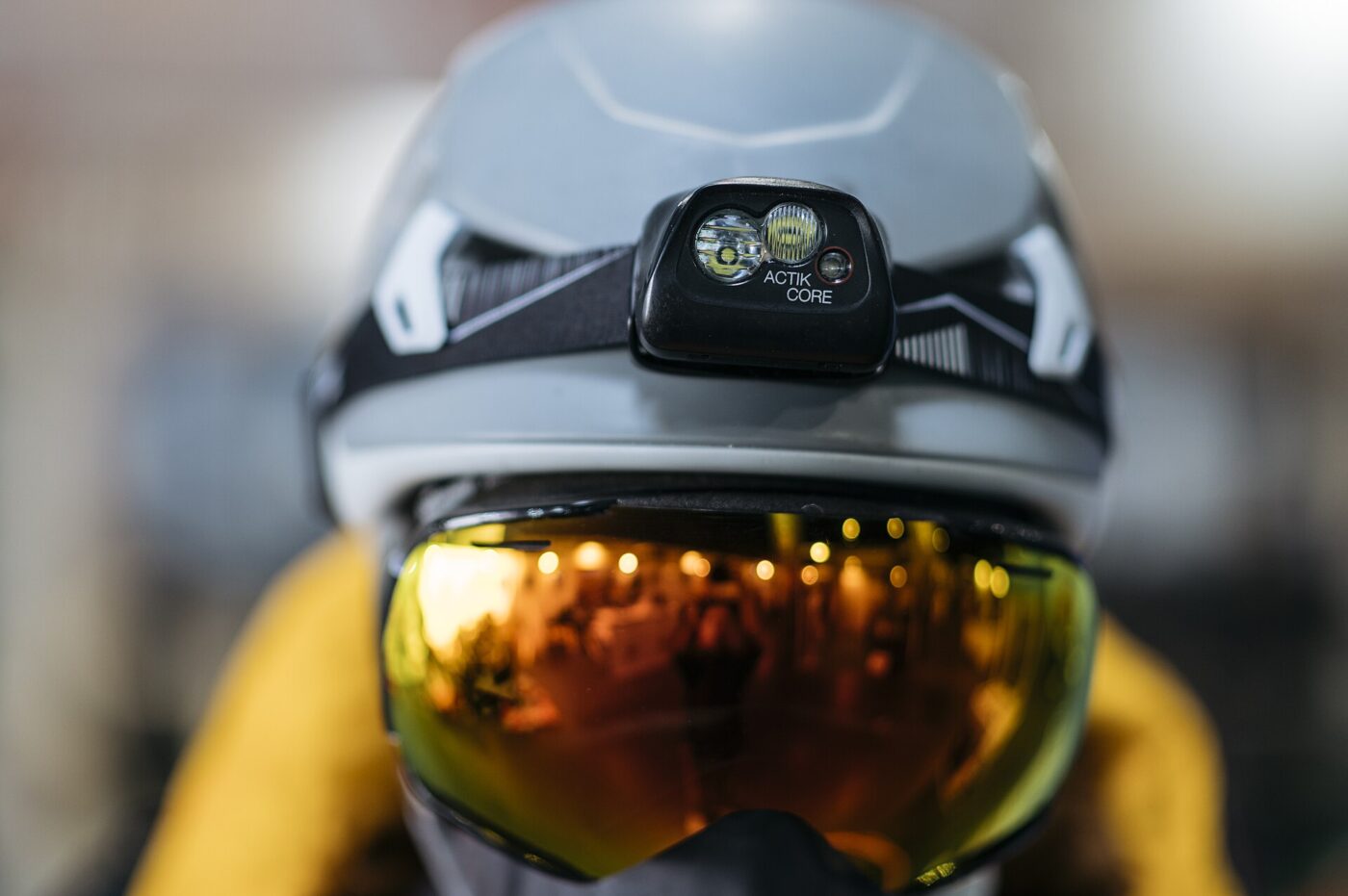
Headlamps are sold on a single lumen figure, and that figure is real — for a short period, from a cold start, on a fresh battery.
LEDs at high output generate heat faster than a small aluminum housing can shed it. Rather than let the emitter cook, the driver steps output down. On many lights that happens within one to three minutes.
Fear Index · Think twice
A peak figure printed as a specification
A light that dims to a quarter of its advertised output after three minutes is not defective. It is thermally managed, and the packaging does not say so.
Turbo is a burst mode
Think of the headline number as a spotlight you can use to identify something in the distance, not as the light you walk by.
Brands that claim ANSI/PLATO FL1 compliance measure output 30 seconds after switch-on and state runtime as the time until output falls to 10% of that figure, alongside beam distance and impact resistance. The standard is voluntary, and the 10% cut-off means a lamp that drops to a fraction of its output after two minutes can still post a long runtime number. A published runtime graph, not the single runtime figure, shows what actually happens between switch-on and that cutoff.
| Mode | Typical use | Realistic runtime |
|---|---|---|
| Turbo (peak) | Spotting, brief | 1–3 minutes before step-down |
| High | Technical ground | 2–4 hours |
| Medium | Walking | 6–10 hours |
| Low | Camp, reading | 40–100 hours |
Buy on the medium-mode runtime. That is the setting you will actually spend the night on, and it is the number nobody advertises.
Beam shape beats brightness

For walking, a wide flood beam that lights the ground in front of you is far more useful than a narrow bright spot. A tight spot beam creates a pool of intense light surrounded by darkness, and your eyes adapt to the bright pool, making everything outside it harder to see.
Most good headlamps offer both, or a hybrid. For running, a little more throw helps because you cover ground faster and need to see further ahead.
Red mode is genuinely useful and underused. It preserves dark adaptation, so you can read a map or find something in a tent without losing your night vision for the next twenty minutes, and it attracts far fewer insects than white light.
Reading a runtime graph
A manufacturer that publishes a runtime graph, not just a single FL1 number, is showing you the part the standard’s cutoff hides. The shape of that line tells you more than the peak lumen figure ever will.
- A flat line means the lamp is regulated: output holds roughly steady until the battery is nearly spent, then drops. This is what you want for a lamp you will rely on.
- A steep early drop within the first few minutes is the turbo step-down mentioned above — normal, and worth noting so you are not surprised by it on the trail.
- A long, slow, continuous decline means the lamp is unregulated: it dims gradually for its entire runtime rather than holding a level. The FL1 number still looks respectable; the lamp is dim for most of it.
- No graph published at all is itself information. Brands with a genuinely flat regulated curve tend to show it off.
Batteries in the cold
Lithium-ion runtime falls sharply below freezing, and that is exactly when you need a headlamp most. Rechargeable convenience comes with cold-weather vulnerability.
- Hybrid lamps that accept both a rechargeable pack and AAA cells are the most flexible for winter.
- Keep a spare battery warm in an inside pocket, not in a backpack lid.
- Lithium primary AAA cells perform far better than alkaline in the cold, and do not leak.
- A locked-out switch prevents the lamp turning on in a pack and arriving flat, which matters most on a multi-day trip where there is no outlet to recover from it.
The shortlist
Paid links: we earn a commission if you buy through the buttons below, at no extra cost to you. As an Amazon Associate I earn from qualifying purchases.
Compared on sustained output
| Product type | Best for | Risk estimate | Where to buy |
|---|---|---|---|
| Rechargeable Headlamp | Camp and trail | 28/100 | See listings on AmazonOpens Amazon search results, not one listing: check the model on the product page. |
| Hybrid Headlamp (Rechargeable + AAA) | Winter and multi-day trips | 24/100 | See listings on AmazonOpens Amazon search results, not one listing: check the model on the product page. |
| Lithium AAA Batteries | Emergency backup | 14/100 | See listings on AmazonOpens Amazon search results, not one listing: check the model on the product page. |
Risk estimate is our editorial Fear Index for the product type (lower is safer), not a customer rating. How it is scored.
Hybrid Headlamp (Rechargeable + AAA)
For winter or multi-day use, the ability to drop in fresh cells when a battery dies in the cold is worth the extra weight.
- Rechargeable for convenience, AAA for cold and emergencies
- No dead lamp when the pack runs out
- Usually has a proper red mode
- Heavier than pure rechargeable
- Costs more
Lithium AAA Batteries
Alkaline cells lose most of their capacity near freezing and leak when stored. For a lamp kept as a backup, lithium is the right chemistry.
- Far better cold performance than alkaline
- Very long shelf life
- Do not leak and destroy the lamp
- Several times the price of alkaline
- Not rechargeable
More: Outdoors & Fitness analyses and how the Fear Index is scored.
Questions people actually ask
Why does my headlamp get dimmer after a few minutes?
Thermal step-down. High output generates more heat than a small housing can shed, so the driver reduces power to protect the LED. It is normal, and rarely mentioned on the box.
What is ANSI FL1 on a headlamp?
A voluntary standard: brands that use it state runtime as the time until output falls to 10% of the 30-second reading, plus beam distance and impact resistance. It makes brands comparable, but the 10% cut-off hides step-down, so check the runtime graph too, not just the headline number.
How many lumens do I need for hiking?
Far fewer than the marketing suggests. 200–300 lumens sustained is ample for walking. Beam shape — flood rather than spot — matters more than the number.
Why do headlamps have a red light?
Red preserves dark adaptation, so you keep your night vision when reading a map or finding something in a tent. It also attracts far fewer insects than white light.