
An ‘Indoor-Safe’ Propane Heater Still Burns Oxygen and Makes Carbon Monoxide in a Closed Space
An indoor-rated propane heater’s oxygen sensor is not a carbon monoxide alarm. Why tents and shelters stay risky, and what CPSC and CDC advise.

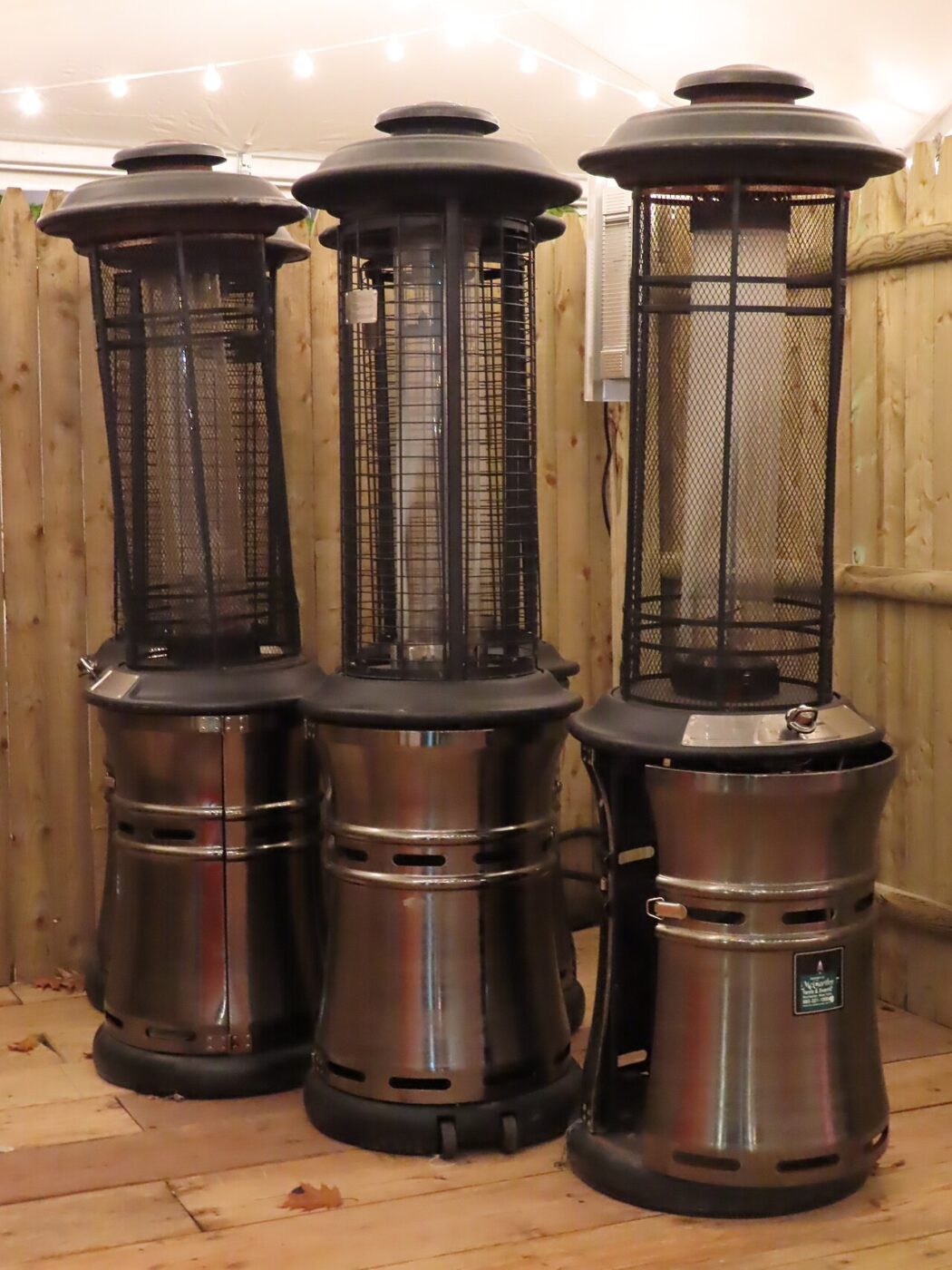
A propane heater marketed as indoor-safe is built differently from a patio tank heater. It carries a built-in sensor designed to shut the unit off if the surrounding air runs short of oxygen, and manufacturers sell that feature as the reason the heater belongs inside a tent, a cabin or an ice shanty rather than only outdoors.
The sensor is real, and so is the shutoff. What it is not is a carbon monoxide detector, and CPSC says people die every year from carbon monoxide poisoning from camping heaters, lanterns or stoves used inside tents, campers and vehicles. The indoor-safe rating narrows the risk. It does not remove it.
Fear Index · High risk
A sensor for oxygen, not for carbon monoxide
CPSC says people die every year from carbon monoxide poisoning tied to portable heaters, lanterns and stoves used inside tents, campers and vehicles. A low-oxygen shutoff reduces one risk; it does not detect carbon monoxide directly.
What the oxygen depletion sensor actually does
Portable propane heaters built for indoor-rated use, such as Mr. Heater’s Buddy line, include an automatic low-oxygen shutoff system. The manufacturer’s own product pages describe it plainly: an oxygen depletion sensor and an accidental tip-over safety shutoff, on top of adjustable heat settings that run from around 4,000 up to 9,000 or 18,000 BTU an hour depending on the model.
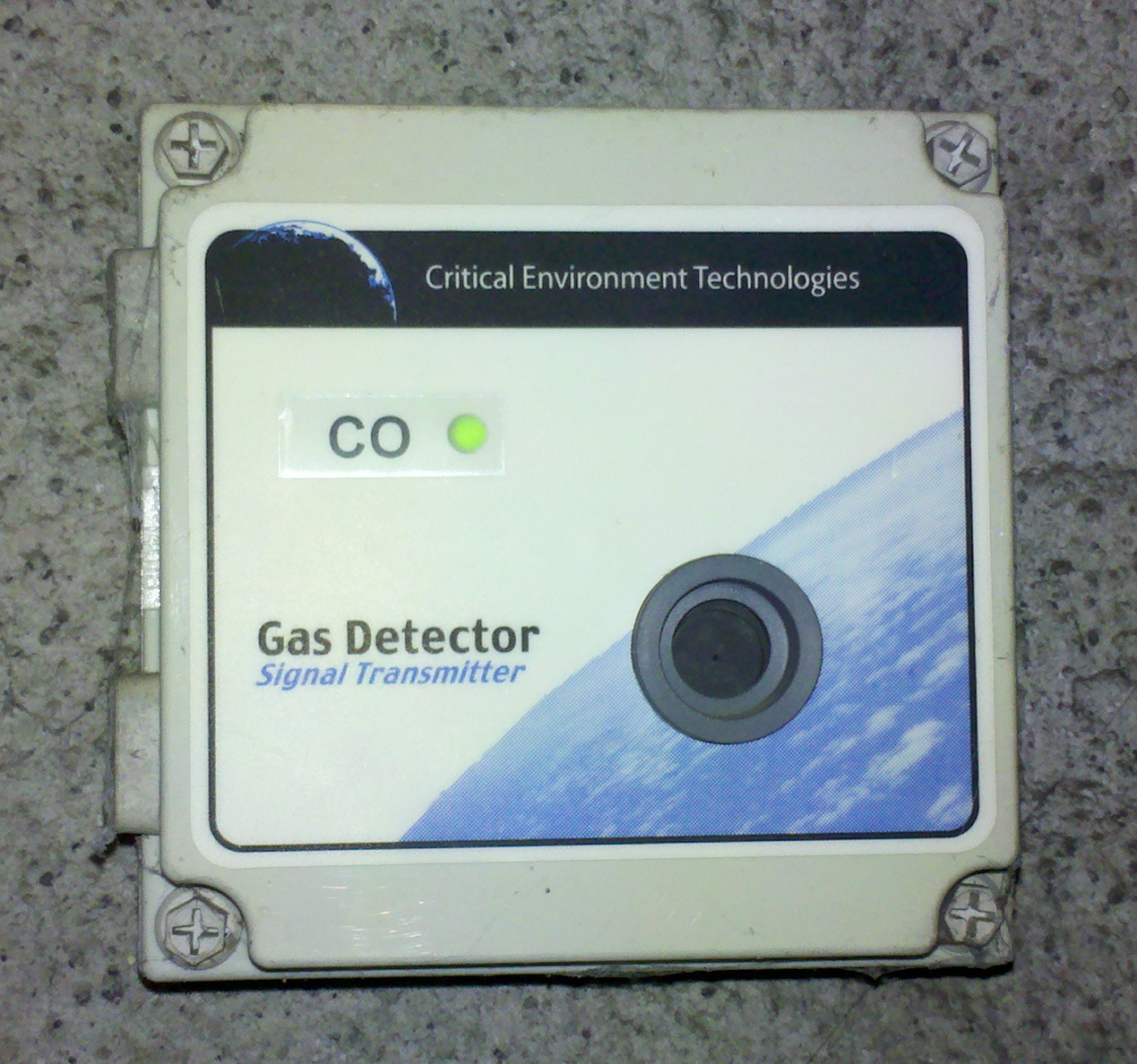
That sensor is built to respond to falling oxygen concentration in the surrounding air, which is a proxy for a space that is not exchanging enough air with the outside. Its name says what it responds to: an oxygen depletion sensor senses oxygen, and nothing in the maker’s description says it detects carbon monoxide. Measuring CO takes a separate CO alarm, the device CDC and CPSC tell households to install.
Indoor-rated does not mean CO-proof. It means the heater has one added layer of protection against one specific failure mode.
Tents, blinds and ice shelters
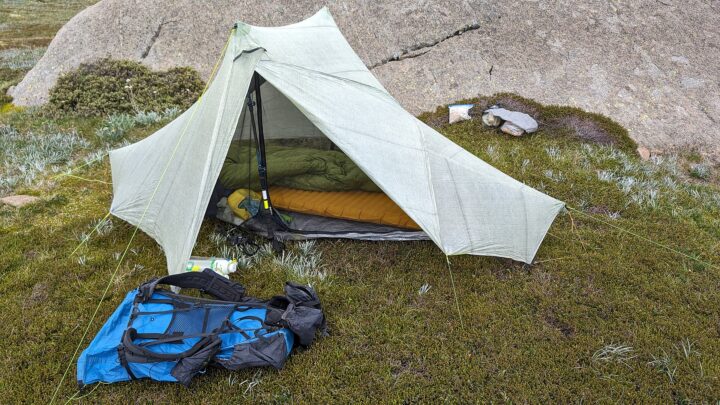
CPSC’s Carbon Monoxide Information Center is direct about where this goes wrong: people die every year from carbon monoxide poisoning from the use of portable camping heaters, lanterns or stoves inside tents, campers and vehicles. The agency’s advice is not to use portable heaters or lanterns while sleeping in enclosed areas such as tents, campers and other vehicles, and it flags high altitude as a condition that raises the risk further.
A hunting blind or an ice fishing shelter is another small enclosed space, built to block wind, which also limits the air exchange that would otherwise carry CO away; Mr. Heater lists both among the places its Buddy heaters are used. Running any fuel-burning heater in one of those spaces without a deliberate vent open is the same bet as running one in a tent, whatever rating is printed on the box.
CPSC adds a piece of advice that is easy to miss in the moment: see a doctor if you or a member of your family develops cold or flu-like symptoms while camping, since carbon monoxide poisoning can be mistaken for a passing illness and caught too late.
Why a CO alarm is the second layer, not a backup

CDC lists headache, dizziness, weakness, upset stomach, vomiting, chest pain and confusion as the most common symptoms of CO poisoning, symptoms easy to write off as being tired or coming down with something, especially in a dark tent or blind. Its advice is to install battery-operated or battery back-up CO detectors near every sleeping area and to replace them every five years.
CPSC’s broader carbon monoxide guidance calls for CO alarms on every level of a home and outside sleeping areas, and the same logic carries into a shelter heated by any fuel-burning device: a battery-powered CO alarm belongs in the same enclosed space, placed where its manual says, running independently of whatever shutoff the heater itself has built in. It is there not because the heater is expected to fail, but because a sensor tuned to oxygen is not the same instrument as a sensor tuned to carbon monoxide.
Cylinders, hoses and storage
The heater is only one part of the fuel path. A propane cylinder connected indoors, even to an indoor-rated heater, should be the size and type the manufacturer’s instructions specify, with a hose and regulator in good condition and no visible damage or leaks. Mr. Heater says its Buddy heaters run from 1-pound cylinders, or from a 20-pound cylinder only with its optional hose and filter, and it prohibits unauthorized accessories.
Where spare cylinders are stored is covered in the heater’s own manual; read it before the trip, and replace any hose or fitting that shows cracking, corrosion or a fuel smell before the heater is lit.
Staying warm in an outage without burning fuel
None of this changes the appeal of a propane heater during a winter power outage, but it is worth weighing against combustion-free alternatives for the same night: a cold-weather sleeping bag, layered wool or synthetic insulating clothing, and blankets cost nothing to run and carry no CO risk at all. For most short outages in an occupied home, those options plus closing off unused rooms do more for the risk-to-warmth trade than adding a fuel-burning heater to an already closed-up house.
Where a fuel-burning heater is the only realistic option, run it in the largest, most ventilated space available, never in a room where anyone is sleeping, and pair it with a working CO alarm rather than trusting the heater’s own shutoff to cover both jobs.
The shortlist
Paid links: we earn a commission if you buy through the buttons below, at no extra cost to you. As an Amazon Associate I earn from qualifying purchases.
Compared on staying warm without CO risk
| Product type | Best for | Risk estimate | Where to buy |
|---|---|---|---|
| Indoor-Rated Portable Propane Heater With Low-Oxygen Shutoff | An indoor-rated heater with a low-oxygen shutoff | 45/100 | See listings on Amazon |
| Battery Carbon Monoxide Alarm With Digital Display | A second layer of CO detection | 15/100 | See listings on Amazon |
| Cold-Weather Sleeping Bag (0-Degree Rating) | Warmth that burns no fuel at all | 5/100 | See listings on Amazon |
Risk estimate is our editorial Fear Index for the product type (lower is safer), not a customer rating. How it is scored. The buttons open Amazon search results rather than one listing, so check the model on the product page.
Indoor-Rated Portable Propane Heater With Low-Oxygen Shutoff
An indoor rating adds one safety layer. Pair it with a CO alarm and follow the ventilation instructions in its manual.
- Automatic low-oxygen shutoff
- Tip-over safety shutoff
- Adjustable BTU output
- Not a carbon monoxide detector
- Still needs ventilation
Battery Carbon Monoxide Alarm With Digital Display
Run this next to any fuel-burning heater in an enclosed space, regardless of what safety features the heater has built in.
- Detects CO directly, not oxygen level
- Digital display of CO readings
- Runs on battery power in a tent or shelter
- Needs its own battery check
- Does not replace ventilation
More: Outdoors and Fitness analyses and how the Fear Index is scored.
Questions people actually ask
Is an indoor-safe propane heater the same as a CO detector?
No. Its oxygen depletion sensor shuts the heater off if surrounding oxygen falls, which is a different measurement than carbon monoxide. CDC and CPSC both advise battery-operated or battery-backup CO alarms, and CPSC says not to use portable heaters while sleeping in tents, campers or vehicles.
Can you run a propane heater inside a tent overnight?
CPSC advises against using portable heaters or lanterns while sleeping in enclosed spaces such as tents, campers and vehicles, and notes the risk is higher at altitude.
What are the symptoms of carbon monoxide poisoning while camping?
CDC lists headache, dizziness, weakness, upset stomach, vomiting, chest pain and confusion. CPSC adds that flu-like symptoms during a camping trip are worth a doctor’s visit, since CO poisoning can be mistaken for illness.
Do ice fishing shelters need extra ventilation with a propane heater?
Follow the heater manual’s ventilation instructions. CPSC warns against using portable heaters while sleeping in enclosed spaces such as tents, campers and vehicles; a closed-up ice shelter is another enclosed space, and a CO alarm is the device that measures CO.