
A Beekeeping Starter Kit Covers the Box and the Suit, Not the Mites Behind Many Colony Losses
A starter kit supplies the hive, suit and smoker, not a way to check for varroa mites, which a national survey ties to the worst colony losses on record.

On this page 6 sections
- What a starter kit includes — and what it leaves out
- 8-frame vs. 10-frame Langstroth: sizing the first hive
- Suits, jackets and veils: ventilation vs. full coverage
- Package bees vs. a nuc: which gets a first colony through year one
- Varroa monitoring, apiary registration and telling the neighbors
- The shortlist
A beekeeping starter kit arrives as a stack of flat-packed boxes, a bag of frames, a veil or jacket and a smoker, and it looks complete the way a furniture kit looks complete: everything needed to assemble one working hive is in the box.
What is not in the box is a way to find out whether the colony living in that hive is losing a fight it cannot see. Varroa mites are small enough to miss on a quick look and consequential enough that a national survey now ties them to the worst colony losses on record. A kit gets the equipment right. It does not get a beekeeper through the first mite season.
Fear Index · Think twice
A hive built right, a mite count nobody runs
The 2024–2025 U.S. Beekeeping Survey found the nation’s beekeepers lost an estimated 55.6% of their managed colonies over the year, and USDA’s Agricultural Research Service says varroa mites are a leading driver of those losses.
What a starter kit includes — and what it leaves out
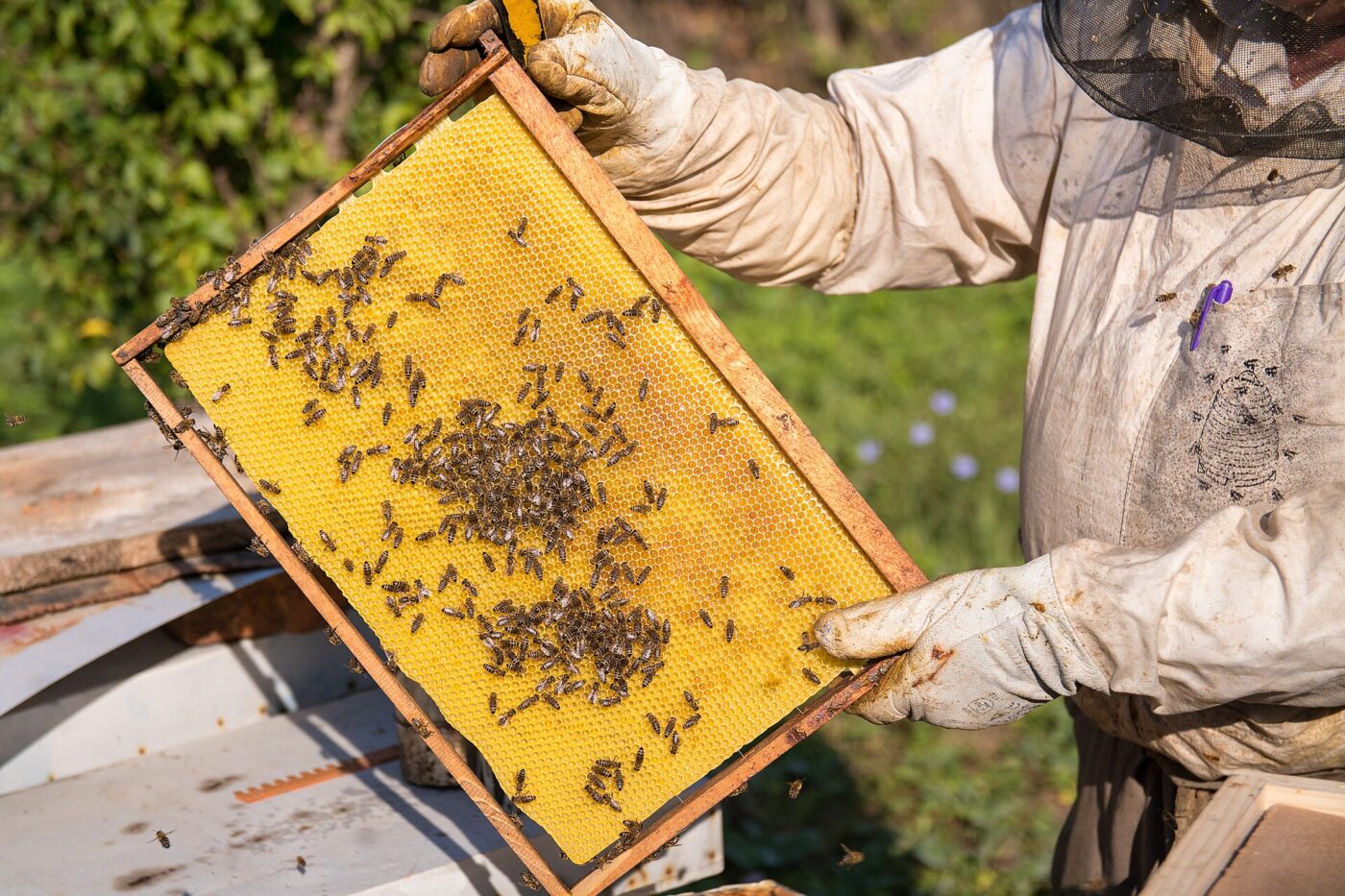
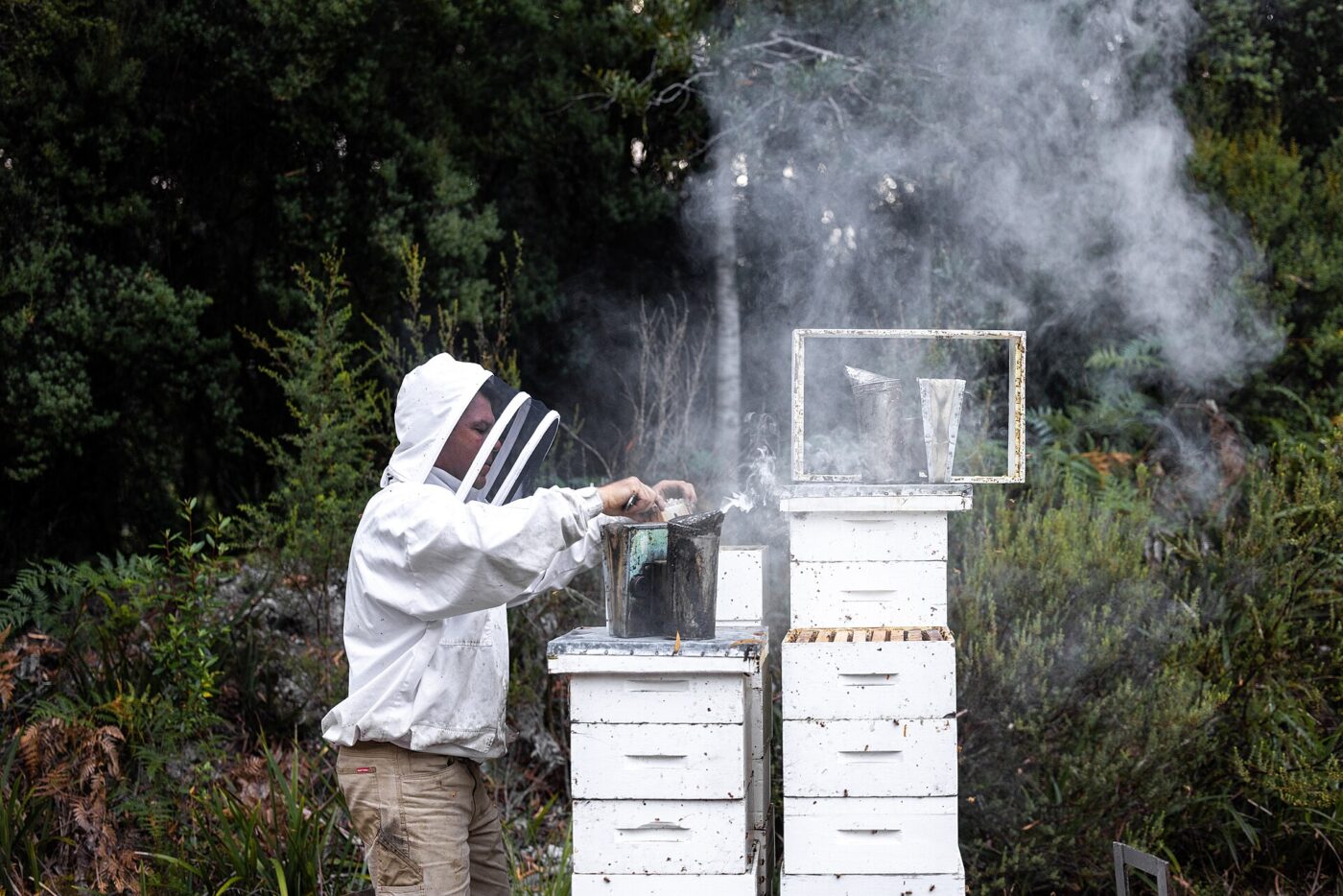
Most kits sold as a beginner set cover the same short list: one or two hive boxes with frames and foundation, a veil or full jacket, a hive tool, and a smoker with fuel. That is enough to assemble a hive and open it safely, and it is where most kit descriptions stop.
None of it checks for varroa. The Honey Bee Health Coalition’s Tools for Varroa Management guide, now in its ninth edition, exists specifically to fill that gap: it “explains practical, effective methods that beekeepers can employ to measure varroa infestations in their hives” and helps a beekeeper “select the most appropriate control methods for their operation.” A box of equipment does not do either of those things by itself.
The gap matters more than it used to. USDA’s Agricultural Research Service says varroa “causes bodily harm and spreads deadly viruses that have led to major colony losses across the country,” and the 2024–2025 U.S. Beekeeping Survey, run by Auburn University and the Apiary Inspectors of America, put the national annual loss rate at an estimated 55.6% of managed colonies.
A starter kit is a hive-assembly kit, not a colony-health kit. The second one has to be bought separately, on purpose.
8-frame vs. 10-frame Langstroth: sizing the first hive
The Langstroth hive, with its removable frames hanging in a rectangular box, is the standard design most starter kits use. The choice that actually varies between kits is how many frames each box holds: eight or ten.
A 10-frame box is the long-standing default, and most published beekeeping guidance and replacement parts are sized around it first. An 8-frame box holds two fewer frames, which makes a full box lighter to lift at the cost of a smaller cluster and less stored honey per box.
Neither size changes anything about mite pressure or local rules. It is a lifting-and-parts decision, worth settling before the first order goes in, since boxes and frames are not interchangeable between the two sizes.
Suits, jackets and veils: ventilation vs. full coverage
A full suit zips gloves-to-ankles coverage into one piece and is the most forgiving option for a first season, when a beekeeper does not yet have a feel for how the colony will react to an inspection. A jacket-and-veil combination covers the same upper body and head but leaves ordinary pants and boots to do the rest, which is faster to put on and take off for a quick check.
Ventilated fabric, built with layered mesh instead of solid cloth, cuts down on the heat that makes a mid-summer inspection miserable, without giving up sting protection at the layers that matter. A cheaper, unventilated suit protects just as well in a controlled test but gets abandoned in practice once August inspections turn it into a sauna — and a suit left in the closet protects nobody.
The best protective gear is the piece actually worn on the hottest inspection day of the year, not the one with the most coverage on paper.
Package bees vs. a nuc: which gets a first colony through year one
A package is a screened box of loose bees and a separately caged queen, with no comb, no brood and no established colony structure — everything has to be built from nothing once the bees are shaken into the hive. Penn State Extension’s beekeeping program teaches installing packaged bees as one standard way new colonies get started.
A nucleus colony, or nuc, is a small already-working colony: several frames of drawn comb with brood, food stores and a laying queen, all transferred as a unit into the new hive body. It costs more than a package but starts the season with a head start a package has to earn from scratch.
Neither choice is answered by the starter kit itself, since the kit is just the box the bees go into either way. The decision comes down to budget and timeline: a package trades a lower price for a slower first season, and a nuc trades a higher price for less ground to make up before winter.
Varroa monitoring, apiary registration and telling the neighbors

Monitoring means an actual count, not a glance at the bees on the way to work. The Honey Bee Health Coalition’s guide is built around measuring infestation levels directly and picking a control method based on the result, which requires a sampling method and a container the starter kit does not supply.
That count matters because the mites themselves are only half the problem. USDA’s Agricultural Research Service has also found that varroa in collapsed colonies increasingly carry resistance to amitraz, one of the most common miticides, which makes catching an infestation early — while more treatment options still work — more valuable than catching it late.
Registration is a separate, equally overlooked step. Penn State Extension notes that anyone keeping an apiary in Pennsylvania has to register it with the state; many other states run a similar program through their department of agriculture, usually to track pest and disease spread rather than to restrict where hives go. A quick call or search before the first hive arrives settles it either way, along with whatever a local ordinance says about hive placement and distance from a property line — the kind of detail neighbors notice long before they read a regulation.
A mite count and a registration form cost less than the hive itself and matter more to whether the colony is still there next spring.
The shortlist
Paid links: we earn a commission if you buy through the buttons below, at no extra cost to you. As an Amazon Associate I earn from qualifying purchases.
Compared on what a starter kit leaves for the beekeeper to add
| Product type | Best for | Risk estimate | Where to buy |
|---|---|---|---|
| Langstroth 10-Frame Beehive Starter Kit | A standard-size hive box | 28/100 | See listings on AmazonOpens Amazon search results, not one listing: check the model on the product page. |
| Ventilated Beekeeping Jacket With Veil | Ventilated protective gear | 22/100 | See listings on AmazonOpens Amazon search results, not one listing: check the model on the product page. |
| Varroa Mite Alcohol Wash Test Kit | Checking mite counts, not guessing | 15/100 | See listings on AmazonOpens Amazon search results, not one listing: check the model on the product page. |
Risk estimate is our editorial Fear Index for the product type (lower is safer), not a customer rating. How it is scored.
Langstroth 10-Frame Beehive Starter Kit
A 10-frame box matches the size most beginner literature, replacement frames and inspection routines assume, but the box alone says nothing about mites.
- Ten-frame Langstroth, the most common box size
- Deep and medium box options for later splits
- Includes frames, hive tool and entrance reducer
- No mite-monitoring tool included
- No apiary registration paperwork
Varroa Mite Alcohol Wash Test Kit
An alcohol wash gives a real mite count instead of a guess, which is the step Honey Bee Health Coalition’s guide is built around and a starter kit never includes.
- Gives an actual mite count per sample
- Cheap enough to run every month in season
- Requires killing the sampled bees
- Still needs a treatment plan if counts are high
More: Homesteading and Food Craft analyses and how the Fear Index is scored.
Sources
- U.S. Beekeeping Survey 2024–2025 Results — Auburn University and the Apiary Inspectors of America
- Finding More Effective Treatments in the Fight Against Varroa Mites — USDA Agricultural Research Service
- Honey Bee Health Coalition Releases Ninth Edition of the Tools for Varroa Management Guide — Honey Bee Health Coalition
- Beekeeping — Penn State Extension
Questions people actually ask
What does a beekeeping starter kit not include?
Most kits supply the hive, frames, a veil or jacket and a smoker, not bees, not a way to monitor varroa mites, and not the apiary registration paperwork many states require.
Should a beginner choose an 8-frame or 10-frame hive?
A 10-frame Langstroth is the size most beginner guides, replacement parts and add-ons are built around; an 8-frame box is lighter to lift but holds fewer frames per box.
Is a package or a nuc better for a first colony?
A nuc starts with drawn comb, brood and a laying queen already working together. A package is loose bees and a caged queen that still have to build comb and establish a colony from nothing.
How often should a new beekeeper check for varroa mites?
Honey Bee Health Coalition’s Tools for Varroa Management guide is built around measuring mite infestations directly through the season rather than guessing, using sampling methods a starter kit does not include.
Do beekeepers have to register their hives?
It depends on the state. Penn State Extension notes that anyone with an apiary in Pennsylvania has to register it, and many other states run a similar program through their department of agriculture.