
A Bike Helmet Works Once. After a Crash, Replace It, Even If It Looks Fine.
The foam in a helmet protects by crushing permanently. Once crushed it cannot do it again, and the damage is usually invisible from outside.

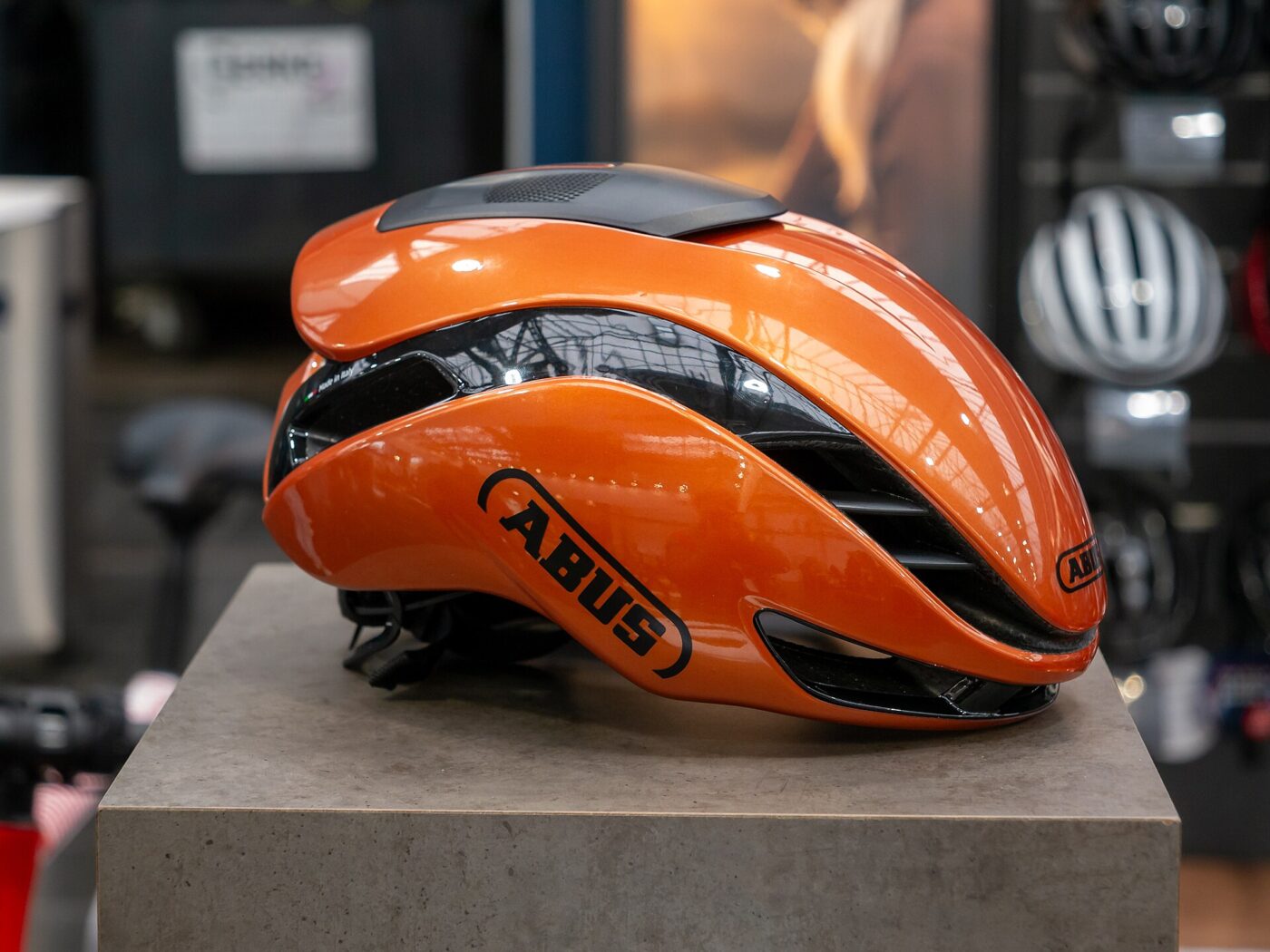
A cycle helmet is not armour. It is a crumple zone, and it works by being destroyed.
Inside the plastic shell is expanded polystyrene. In an impact that foam crushes, and the crushing spreads the deceleration over a longer time — which is what protects your brain. Crushed foam does not spring back. It is used up.
Fear Index · Think twice
Single use, and it does not look it
A helmet that has done its job looks almost exactly like one that has not. People keep wearing them for years.
The foam is destroyed, not compressed
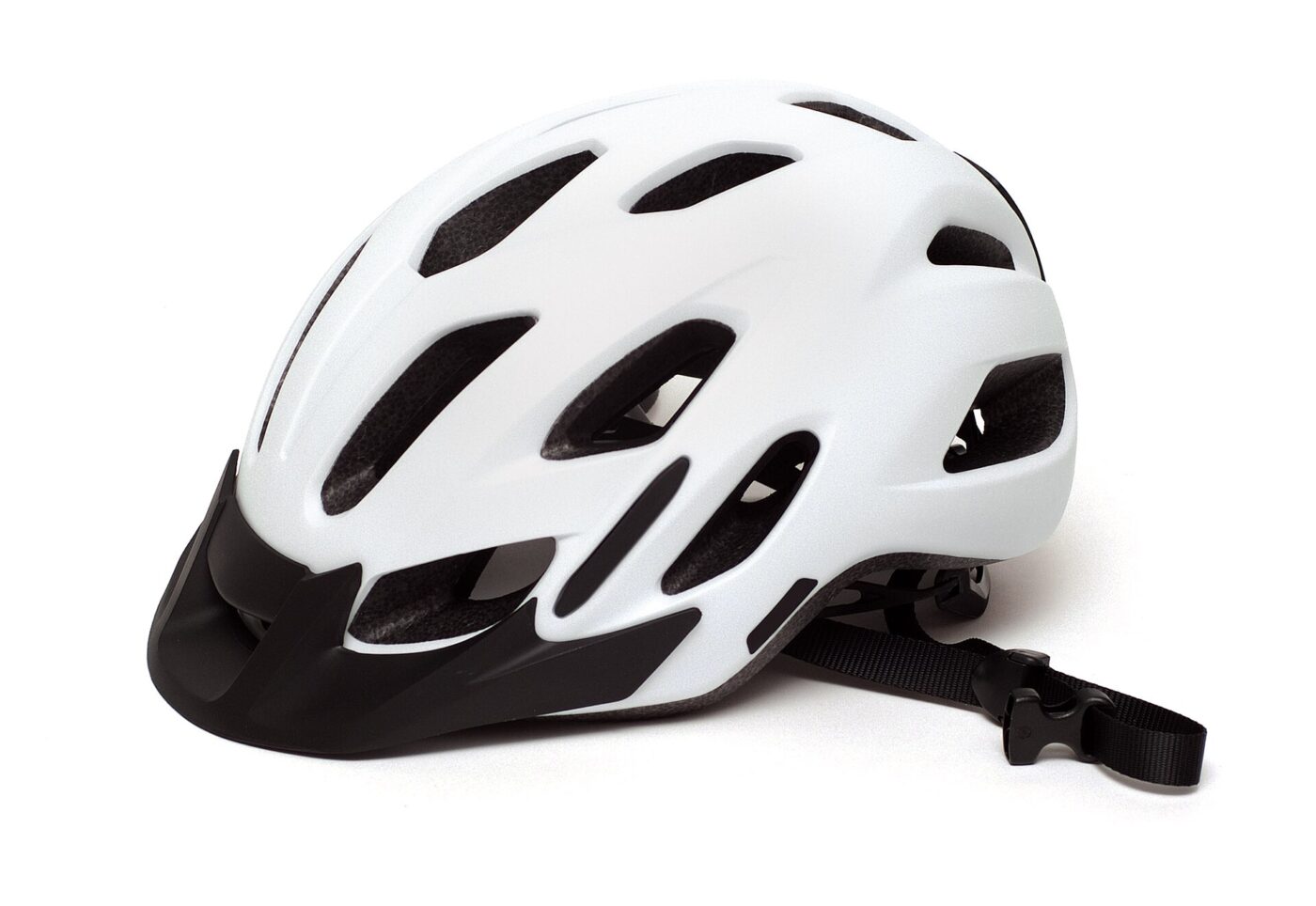
The outer shell is thin plastic whose job is to spread the load and let the helmet slide rather than grab. It flexes and returns to shape, which is exactly the problem: it hides what happened underneath.
A helmet dropped hard onto concrete, or that took a knock in a crash where you felt fine, can have a crushed region invisible from outside. Pull back the padding and you may see a compressed area or a hairline crack in the foam — or you may see nothing and still have a helmet with nothing left.
The rule is simple and it is not cautious marketing: any impact, replace it. The cost of being wrong is not symmetric.
Age matters even without a crash
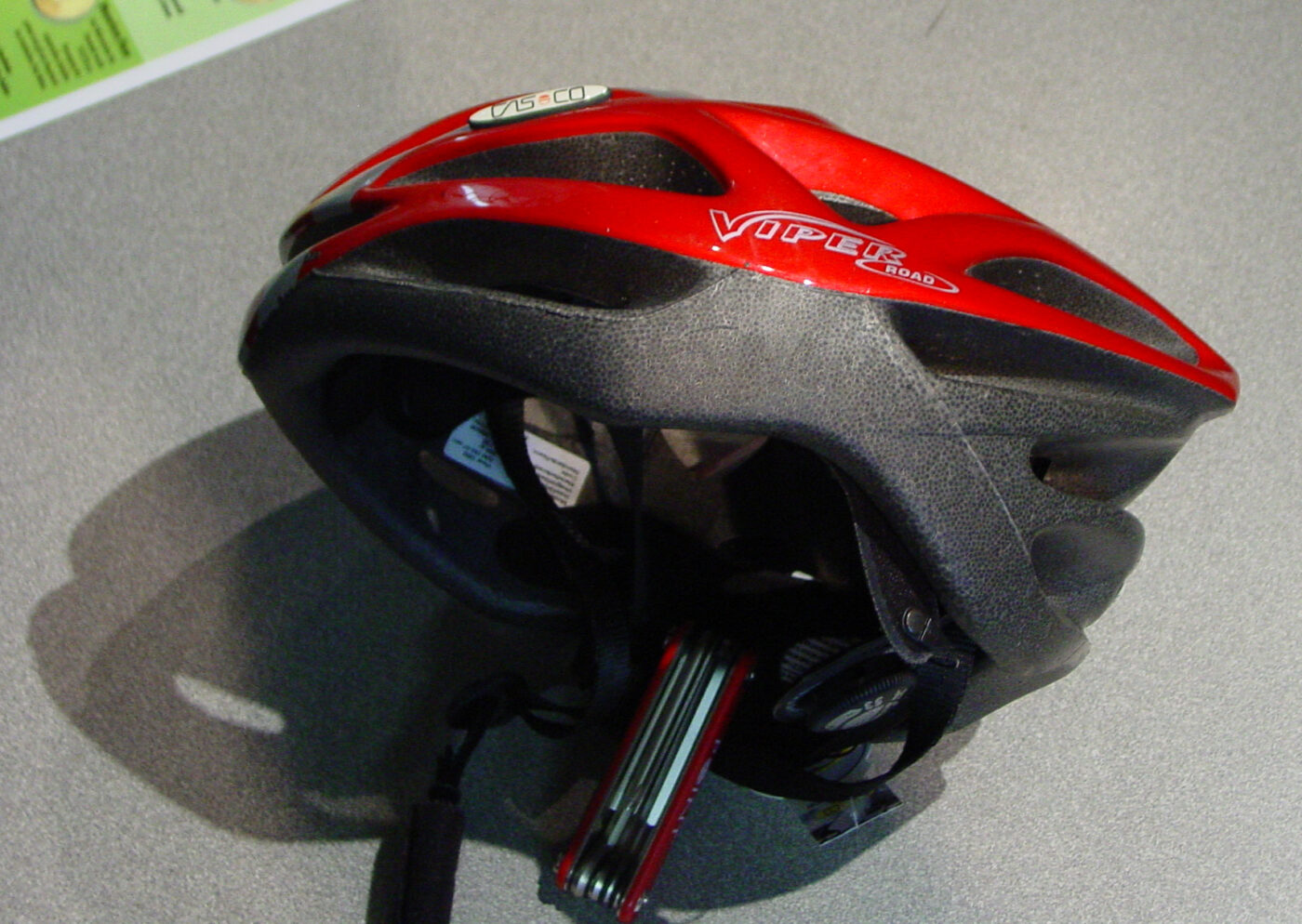
Manufacturers generally advise replacement every three to five years. That is partly liability, and the real ageing is mostly in the shell, straps and fit system rather than the foam: UV can make the shell brittle, webbing frays and buckles wear, and the retention system loosens. The Bicycle Helmet Safety Institute notes that lab tests of old, uncrashed helmets — up to 26 years old in one study — found the foam itself still performed well; sweat alone does not degrade it.
A helmet stored in a garage and used twice a year ages more slowly than one left on a handlebar in the sun. Check the date molded inside the shell — most have one — and replace it sooner if the shell, straps or buckle show damage or it no longer fits snugly, regardless of age.
Is MIPS worth paying for

MIPS and similar systems add a low-friction layer inside the helmet that lets the shell rotate slightly relative to your head. The reasoning is that many real crashes are angled rather than straight-on, and rotational acceleration is strongly implicated in brain injury.
The evidence is contested rather than settled: some lab testing shows a measurable benefit, while other testing — including work cited by the Bicycle Helmet Safety Institute using a realistic scalp layer — has found no significant difference. It typically adds a modest amount to the price, and there is no meaningful downside beyond weight and a little warmth.
It is a reasonable extra, and it is worth much less than a helmet that actually fits. A helmet that shifts on your head is dealing with a fit problem before any technology gets a chance.
- Level, not tipped back. Two fingers between eyebrow and rim.
- Snug without the strap. Shake your head; it should stay put.
- Straps form a V under the ear, with the buckle clear of the jawbone.
Check for the CPSC label before anything else
Every bicycle helmet sold in the US must meet the CPSC’s mandatory safety standard, 16 CFR 1203, which sets requirements for impact attenuation, positional stability and strap strength. The certification label is sewn or printed inside the helmet, naming the standard and the manufacturer.
Amazon and other open marketplaces carry listings for helmets that do not show this label, alongside compliant ones. Check for it before checking anything else — MIPS, ventilation or price — on a helmet bought online.
The shortlist
Paid links: we earn a commission if you buy through the buttons below, at no extra cost to you. As an Amazon Associate I earn from qualifying purchases.
Compared on protection for the price
| Product type | Best for | Risk estimate | Where to buy |
|---|---|---|---|
| Road Helmet with MIPS | Rotational protection | 28/100 | See listings on AmazonOpens Amazon search results, not one listing: check the model on the product page. |
| Commuter Helmet with Rear Light | City riding and visibility | 34/100 | See listings on AmazonOpens Amazon search results, not one listing: check the model on the product page. |
| Children’s Bike Helmet | Growing kids | 40/100 | See listings on AmazonOpens Amazon search results, not one listing: check the model on the product page. |
Risk estimate is our editorial Fear Index for the product type (lower is safer), not a customer rating. How it is scored.
Road Helmet with MIPS
Buy for fit first and take MIPS as a bonus. A correctly fitted basic helmet outperforms a loose advanced one. Check for the CPSC certification label inside before anything else.
- Rotational protection, evidence still developing
- Good ventilation for longer rides
- Wide size range means a real fit
- Still single-use after any impact
- Adds slight weight and warmth
Commuter Helmet with Rear Light
For commuting, being seen prevents more crashes than any foam absorbs. An always-there rear light is worth more than it looks.
- Integrated light removes one thing to forget
- Rounder shell suits upright riding
- Usually cheaper than road helmets
- Heavier
- Light battery is another thing to charge
More: Outdoors and Fitness analyses and how the Fear Index is scored.
Questions people actually ask
Do I need to replace a bike helmet after a crash?
Yes, after any impact including dropping it onto a hard floor. The foam protects by crushing permanently, and crushed foam cannot do it again. The damage is usually invisible.
How often should you replace a bike helmet?
Many manufacturers suggest every three to five years. The foam in an uncrashed helmet holds up well, but shells, straps and fit systems wear, so replace it sooner if any of those are damaged or it no longer fits snugly.
Is MIPS worth the extra money?
The mechanism is plausible, though testing results are mixed, and it costs relatively little. It matters far less than fit — a helmet that moves on your head is a bigger problem than one without MIPS.
How should a bike helmet fit?
Level on the head with about two fingers between eyebrow and rim, snug enough to stay put when you shake your head with the strap undone, and straps forming a V just under each ear.
How do I know a bike helmet is legal to sell in the US?
Look for a label sewn or printed inside naming CPSC 16 CFR 1203, the mandatory federal safety standard. It should also list the manufacturer’s name and a production date.