
The Brush Head Is the Product. The Handle Is the Loss Leader.
Handles are discounted heavily and heads are not. Work out the five-year cost before choosing a brand, because you are choosing a head supply.

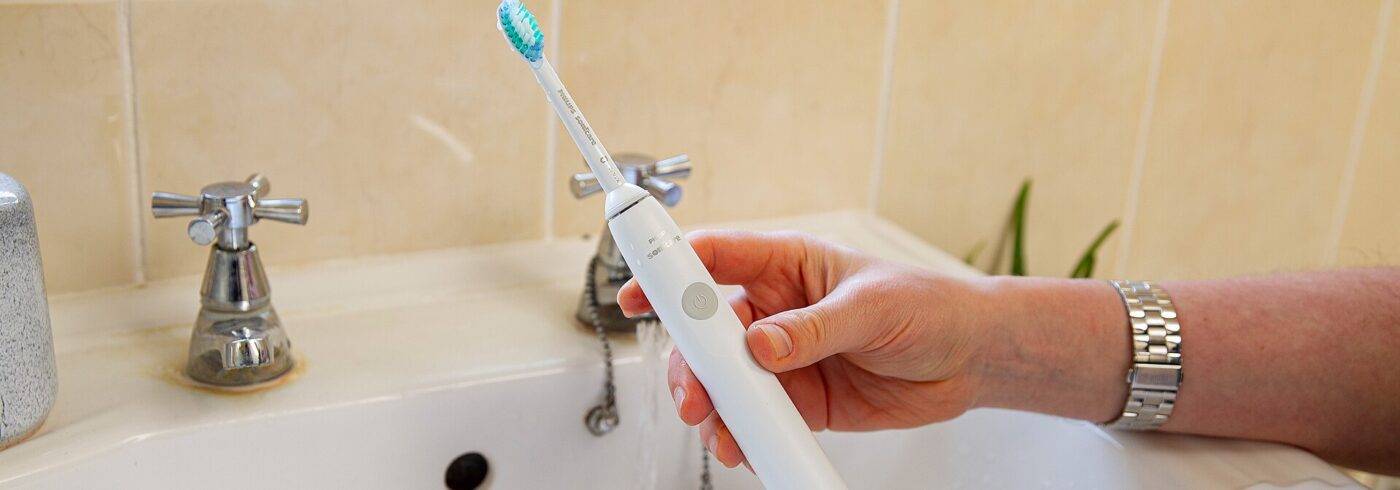
An electric toothbrush handle can be bought for very little during a sale. The brush heads it takes cannot, and you will buy roughly four a year for as long as you own it.
That makes this a consumables decision dressed up as a hardware one — and the brand you pick is really a decision about which head supply you are committing to for as long as you keep the handle.
Fear Index · Think twice
The razor-and-blades model, in a bathroom
Nothing here is hidden, exactly. It is simply never presented at the point where the decision is made.
Work out the five-year number
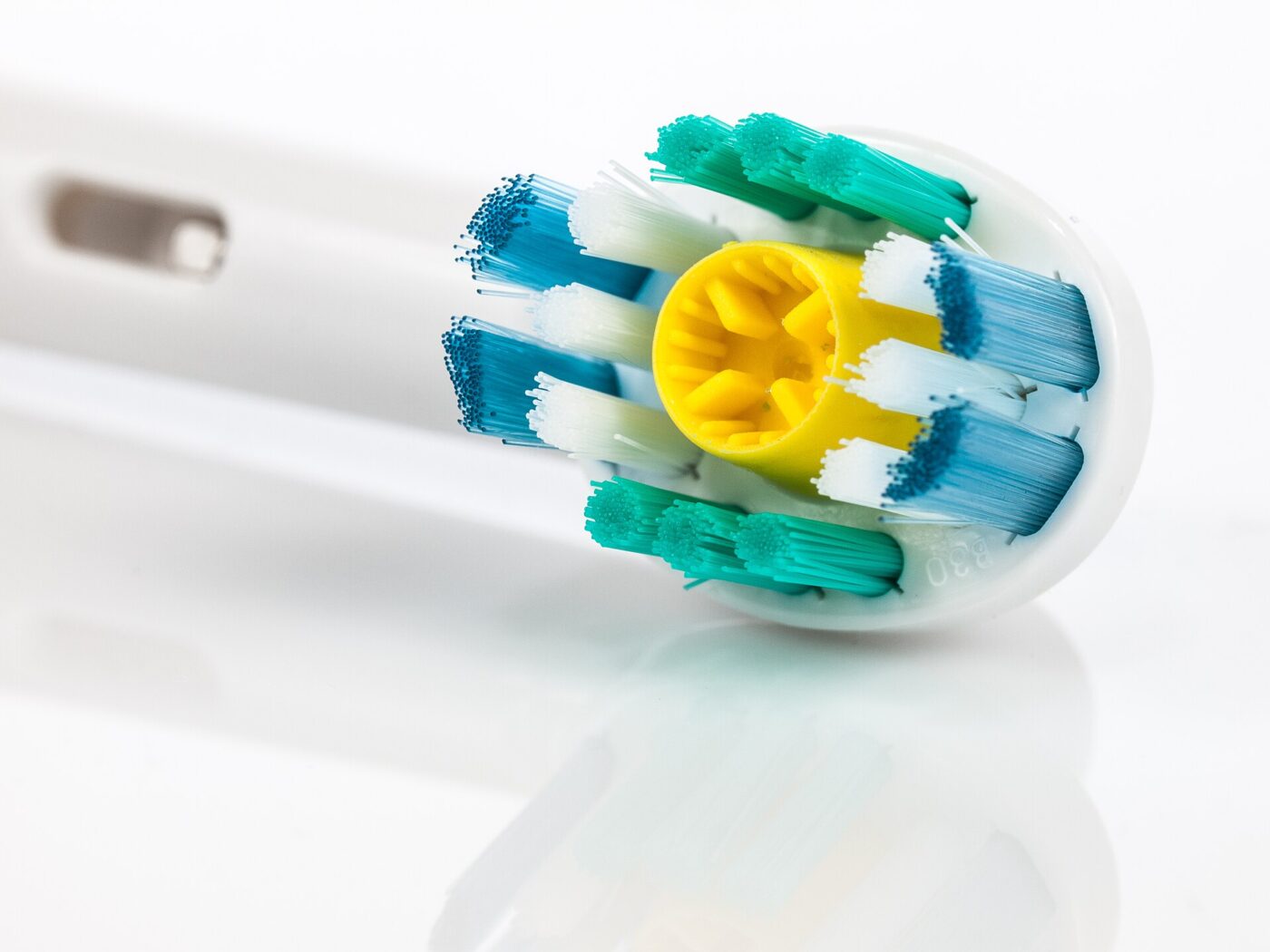
Replace heads every three to four months, as the American Dental Association and manufacturers advise, and the arithmetic is straightforward.
| Item | Typical cost | Five-year total |
|---|---|---|
| Handle (on offer) | $35 | $35 |
| Branded heads, 4/year | $8 each | $160 |
| Third-party heads, 4/year | $2.50 each | $50 |
| Manual brush, 4/year | $2 each | $40 |
Before choosing a brand, search the price of a multipack of its heads. That number, times twenty, is most of what the brush will cost you.
Does the technology matter
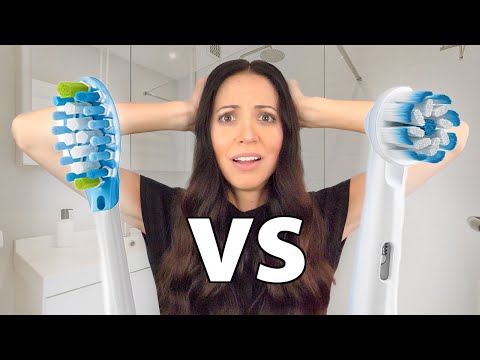
Two mechanisms dominate. Oscillating-rotating brushes use a small round head that rotates back and forth. Sonic brushes vibrate a conventional head at high frequency.
A 2014 Cochrane review found powered brushes reduce plaque and gingivitis more than manual brushing, with the largest body of evidence for the oscillating-rotating design. The difference between the two powered types is much smaller than the difference between either and a manual brush used badly.
What reliably helps: a two-minute timer, a thirty-second quadrant pacer, and a pressure sensor. Brushing too hard causes gum recession and enamel abrasion over years, and most people do it without knowing, because a firmer stroke feels more thorough rather than more damaging.
- Modes are mostly marketing. Five cleaning modes do not outperform one used properly, and most owners settle on a single mode within the first week regardless of how many the handle offers.
- Bluetooth and apps can improve technique, but many owners stop using them within weeks.
- Travel cases and charging glasses are where the premium models spend your money.
Third-party heads
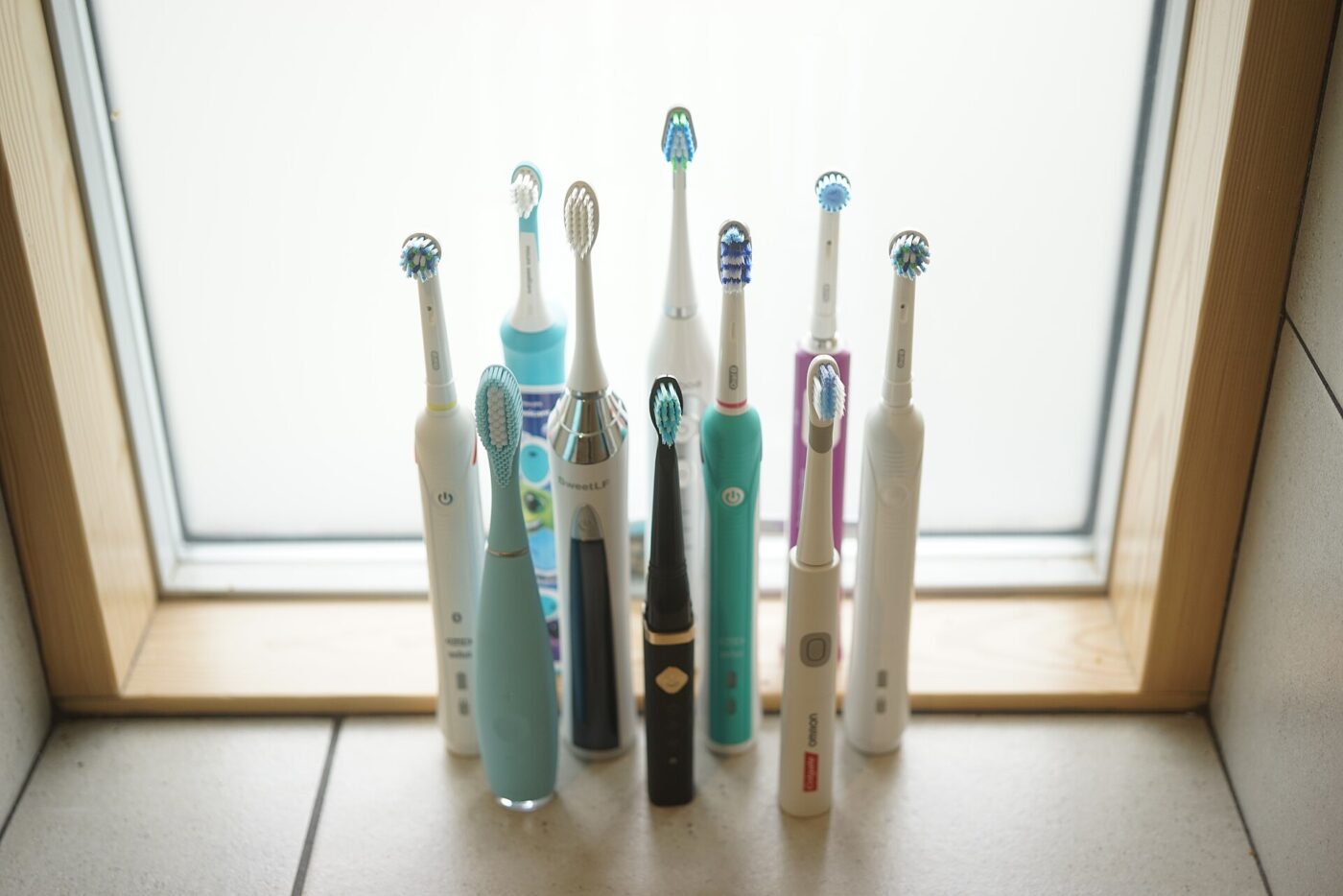
Compatible heads cost a fraction of branded ones, typically a third to half the branded price. Quality varies: the bristles are often stiffer and the fit on the shaft can be loose enough to rattle.
They are worth trying precisely because the downside is small. Buy one multipack rather than a year’s supply, and check the bristles are rounded rather than cut square — unrounded filaments are harsher on gums.
Check for the ADA Seal, not just the price
An independent mark is a better filter than a discount code. The ADA Seal of Acceptance means the ADA Council on Scientific Affairs — not the manufacturer — evaluated the toothbrush to confirm the bristles will not fall out with normal use, the handle holds up, and the brush measurably helps reduce the risk of cavities and gum disease.
The seal applies to manual and powered handles and to some replacement-head multipacks, including a handful of third-party ones. Its absence does not condemn a product — some brands simply skip the voluntary program — but its presence is a sturdier signal than a five-star rating on the listing itself.
Handle compatibility does not cross brands. Oral-B’s round oscillating shaft and a Sonicare-style snap-fit are physically different shapes, so a head bought for the wrong system will not seat properly no matter how cheap it is. Check the shaft type printed on the multipack, not just the toothbrush brand on the front of the box.
Subscription programs run by the handle manufacturer typically cut the branded-head price by 10–20% in exchange for automatic recurring shipments. That narrows the gap with third-party heads without closing it, and it only pays off if you would otherwise forget to reorder and run a worn brush past its replacement date.
If two head multipacks cost the same, the one carrying the ADA Seal is the safer default, third-party or not.
The shortlist
Paid links: we earn a commission if you buy through the buttons below, at no extra cost to you. As an Amazon Associate I earn from qualifying purchases.
Compared on five-year cost, not handle price
| Product type | Best for | Risk estimate | Where to buy |
|---|---|---|---|
| Oscillating Electric Toothbrush with Timer | Lower five-year cost | 22/100 | See listings on AmazonOpens Amazon search results, not one listing: check the model on the product page. |
| Sonic Electric Toothbrush | Gentler, quieter feel | 28/100 | See listings on AmazonOpens Amazon search results, not one listing: check the model on the product page. |
| Brush Head Multipack | Cheapest per head | 18/100 | See listings on AmazonOpens Amazon search results, not one listing: check the model on the product page. |
Risk estimate is our editorial Fear Index for the product type (lower is safer), not a customer rating. How it is scored.
Oscillating Electric Toothbrush with Timer
The cheap handle is the right buy. Put the saving into a head supply you have already priced.
- Strongest evidence base of the powered designs
- Pressure sensor prevents gum damage
- Heads widely available, including third-party
- Small round head feels odd at first
- Louder than sonic
Brush Head Multipack
This is the purchase you will repeat twenty times. Work out its price before you pick a brand, not after.
- Bought in bulk, the per-head price drops sharply
- Easy to keep a spare for guests
- Third-party options cut the cost further
- Branded heads are expensive
- Third-party fit and bristle quality vary
More: Beauty & Personal Care analyses and how the Fear Index is scored.
Questions people actually ask
How often should you change an electric toothbrush head?
Every three to four months, or sooner if the bristles splay. Worn bristles clean measurably less well and are harsher on gums.
Are sonic or oscillating toothbrushes better?
A 2014 Cochrane review found the strongest evidence for oscillating-rotating designs, but the gap between the two is small compared with the gap between either and poor manual brushing.
Are third-party toothbrush heads safe?
Often fine and much cheaper, though fit and bristle quality vary. Check the filaments are rounded rather than cut square, and buy one pack before committing.
Is an expensive electric toothbrush worth it?
The features that help are a two-minute timer and a pressure sensor, both of which appear on inexpensive models. Above that you are buying modes, apps and cases.