
Airflow Dries Hair. Heat Damages It. Most Dryers Sell You the Heat.
Wattage describes the heating element. High airflow dries hair faster at a lower temperature, and lower heat is what protects the cuticle.

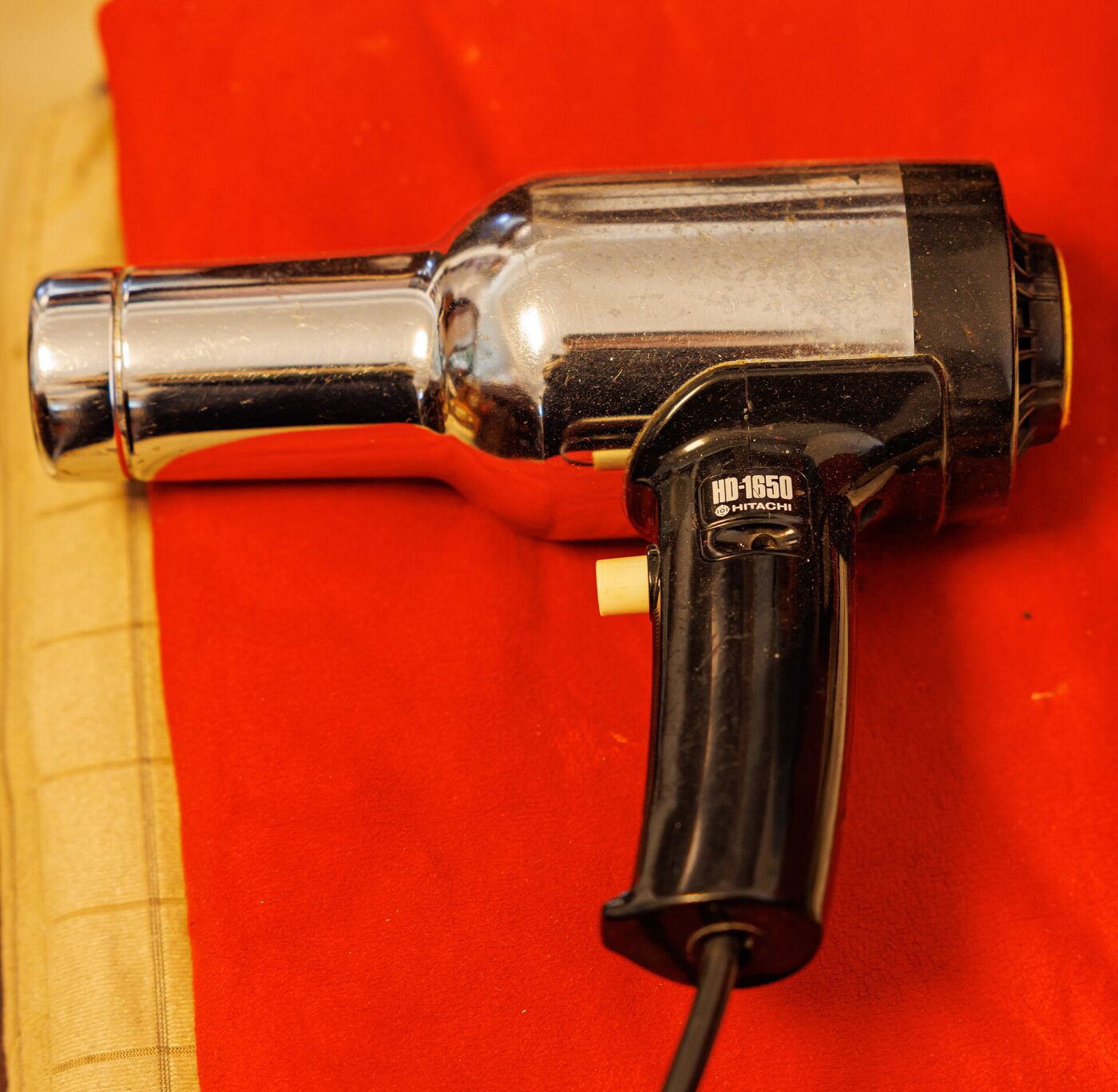
Hair dryers are compared on wattage. Wattage largely describes the heating element, and heat is the component that damages hair.
Evaporation needs energy and it also needs the humid air at the hair surface to be carried away. A dryer that moves a lot of air removes water quickly at a much lower temperature.
Fear Index · Think twice
The advertised number describes the harmful part
Heat damage is cumulative and irreversible — hair is dead protein and does not repair.
Two ways to remove water
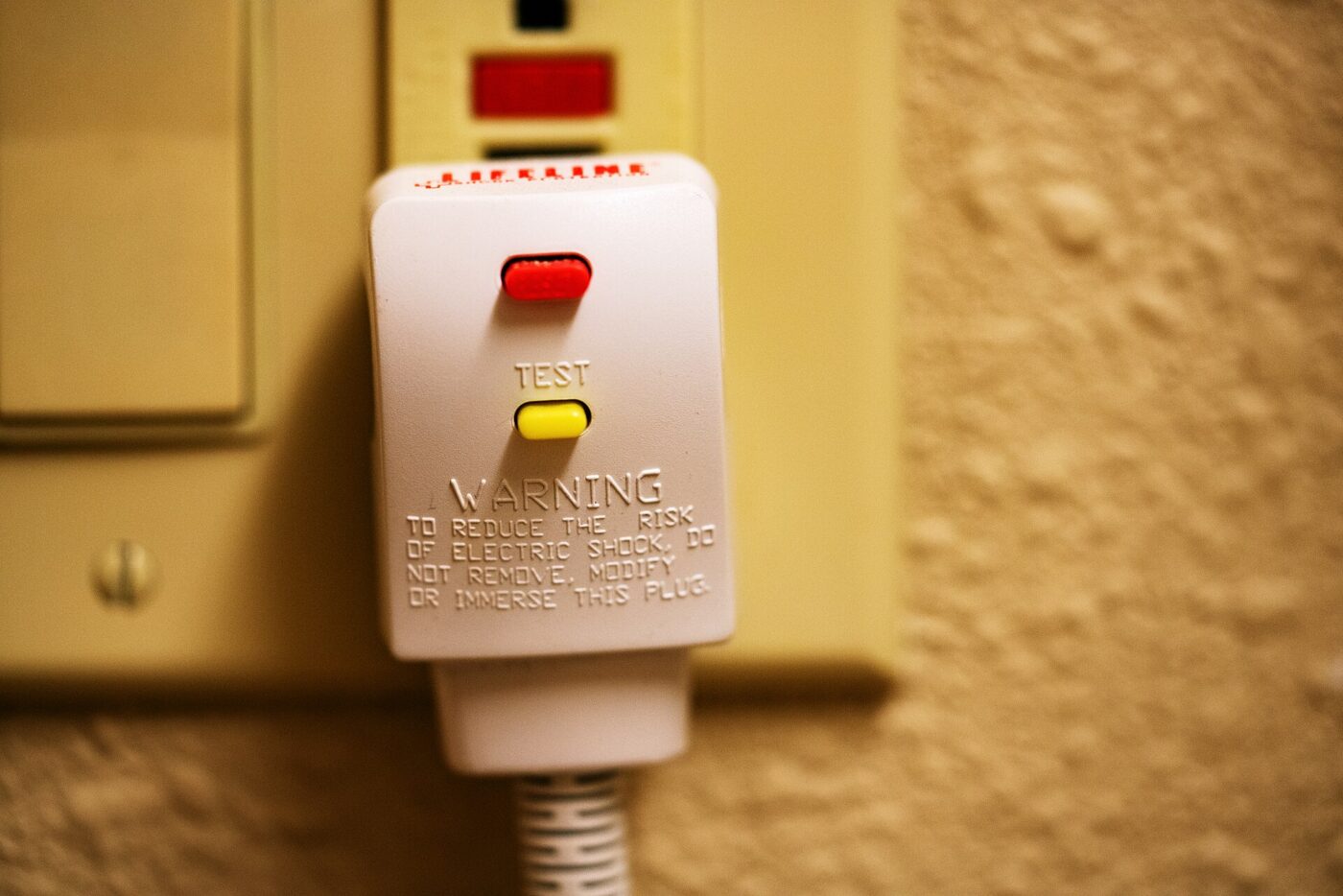
You can add heat, or you can move air. Most dryers do the first because heating elements are cheap and motors are not.
Hair is keratin, a dead protein. In lab tests on hair dryers, cuticle damage rose steadily as air temperature went from about 47°C (117°F) to 95°C (203°F), while flat irons reach 150°C (300°F) and above, where keratin itself starts to break down. Either way the damage — the cuticle lifting and cracking, which is what “damaged hair” physically is — does not reverse; damaged length has to grow out.
A high-airflow dryer at medium heat removes water faster than a low-airflow dryer at high heat, and does far less harm doing it.
The most useful specification is airflow, usually rated in cubic feet per minute (CFM). It is quoted far less often than wattage, and it is the number that matters.
What ionic actually means

Ionic dryers emit negatively charged ions into the airflow. The claim is that these break up water droplets and neutralise the positive static charge that causes frizz.
The anti-static effect is real, though research suggests it is usually subtle rather than dramatic. The faster-drying claim is more marginal than the marketing suggests, with little evidence that ionic dryers dry hair faster.
It suits thick, frizz-prone hair. On very fine hair the same effect can leave hair flat and lacking volume, which is why some people prefer a non-ionic dryer or a switchable one.
Technique does more than the dryer
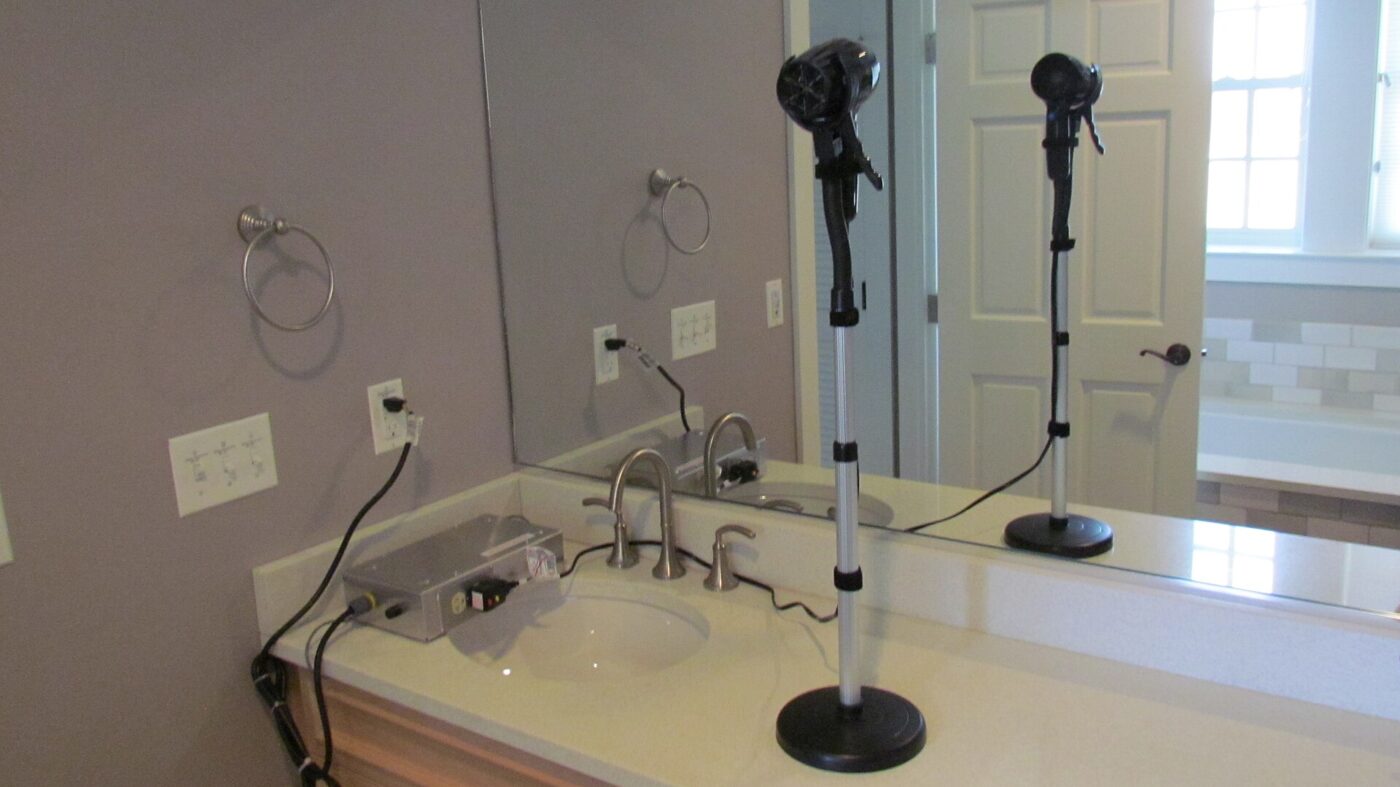
Several free changes reduce damage more than upgrading the appliance.
- Towel-dry properly first, squeezing rather than rubbing. Rubbing lifts the cuticle mechanically.
- Rough-dry to about 80% on medium, then finish with a nozzle on cooler heat.
- Keep the nozzle 6–8 inches (15–20 cm) away and keep it moving. Holding it still concentrates heat on one spot.
- Point airflow down the hair shaft, from root to tip, so the cuticle lies flat.
- Finish with the cool shot. It sets the style by cooling the hydrogen bonds in position, and it is free.
Why the cool shot works
Hair holds a blow-dried shape mainly through hydrogen bonds — the weakest of the bond types in keratin, and the one heat and moisture disturb most easily.
Heat styling breaks these bonds and lets the hair be reshaped; cooling it before releasing the section reforms them in the new position, which is what a cool-shot button does. Because hydrogen bonds are weak, the result does not survive contact with water or humidity, unlike a chemical straightening or perming treatment that changes the hair’s stronger, permanent bonds instead.
This is also why drying hair to full heat all the way through, rather than finishing with a cool pass, tends to drop out of shape faster.
The same logic explains why heat-protectant sprays matter even on a careful dryer: most work by coating the hair shaft to slow heat transfer and reduce moisture loss, buying the cuticle a little protection while those bonds are being broken and reformed, rather than preventing the process altogether.
The shortlist
Paid links: we earn a commission if you buy through the buttons below, at no extra cost to you. As an Amazon Associate I earn from qualifying purchases.
Compared on airflow and control
| Product type | Best for | Risk estimate | Where to buy |
|---|---|---|---|
| High-Airflow Hair Dryer | Fast, lower heat | 28/100 | See listings on AmazonOpens Amazon search results, not one listing: check the model on the product page. |
| Diffuser Attachment | Curly hair | 14/100 | See listings on AmazonOpens Amazon search results, not one listing: check the model on the product page. |
| Heat Protectant Spray | Reducing damage on any dryer | 18/100 | See listings on AmazonOpens Amazon search results, not one listing: check the model on the product page. |
Risk estimate is our editorial Fear Index for the product type (lower is safer), not a customer rating. How it is scored.
High-Airflow Hair Dryer
Ask for the airflow figure. A dryer that publishes it has usually spent money on the motor rather than the element.
- Dries faster at lower temperature
- Cool shot sets style without heat
- Concentrator nozzle gives control
- Airflow figures rarely published
- Good motors cost more
Heat Protectant Spray
The lowest-cost intervention in this category, and the one most people skip. Apply to damp hair before any heat.
- Forms a barrier that slows heat transfer
- Reduces moisture loss during drying
- Costs very little per use
- Can weigh fine hair down
- Needs even application to work
More: Beauty and Personal Care analyses and how the Fear Index is scored.
Questions people actually ask
Does a hair dryer damage hair?
Heat does. Damage to the cuticle rises with drying temperature and does not reverse. High airflow at lower temperature dries just as fast with far less harm.
Are ionic hair dryers worth it?
The anti-static, anti-frizz effect is real, though research suggests it is usually subtle rather than dramatic, and is most noticeable on thick or frizz-prone hair. On very fine hair it can leave hair flat, so a switchable model is preferable.
What is the cool shot button for?
It sets the style by cooling the hydrogen bonds in hair while it holds its shape. It adds no heat damage and most people never use it.
How far should you hold a hair dryer from your hair?
About 6–8 inches (15–20 cm), and keep it moving. Holding it still concentrates heat in one place, which is where most localized damage happens.