
Foil or Rotary Is Decided by Your Face, Not by the Brand
Foil shavers suit flat-growing hair and straight strokes. Rotary suits contours and hair that grows in different directions.

Electric shavers come in two mechanisms that have existed side by side for decades, which is usually a sign that neither is simply better.
They cut differently, and the right one depends on how your beard grows and how contoured your face is.
Fear Index · Think twice
A fit question sold as a brand rivalry
People conclude electric shaving irritates their skin when they have simply bought the design that suits the other kind of beard.
Two cutting geometries
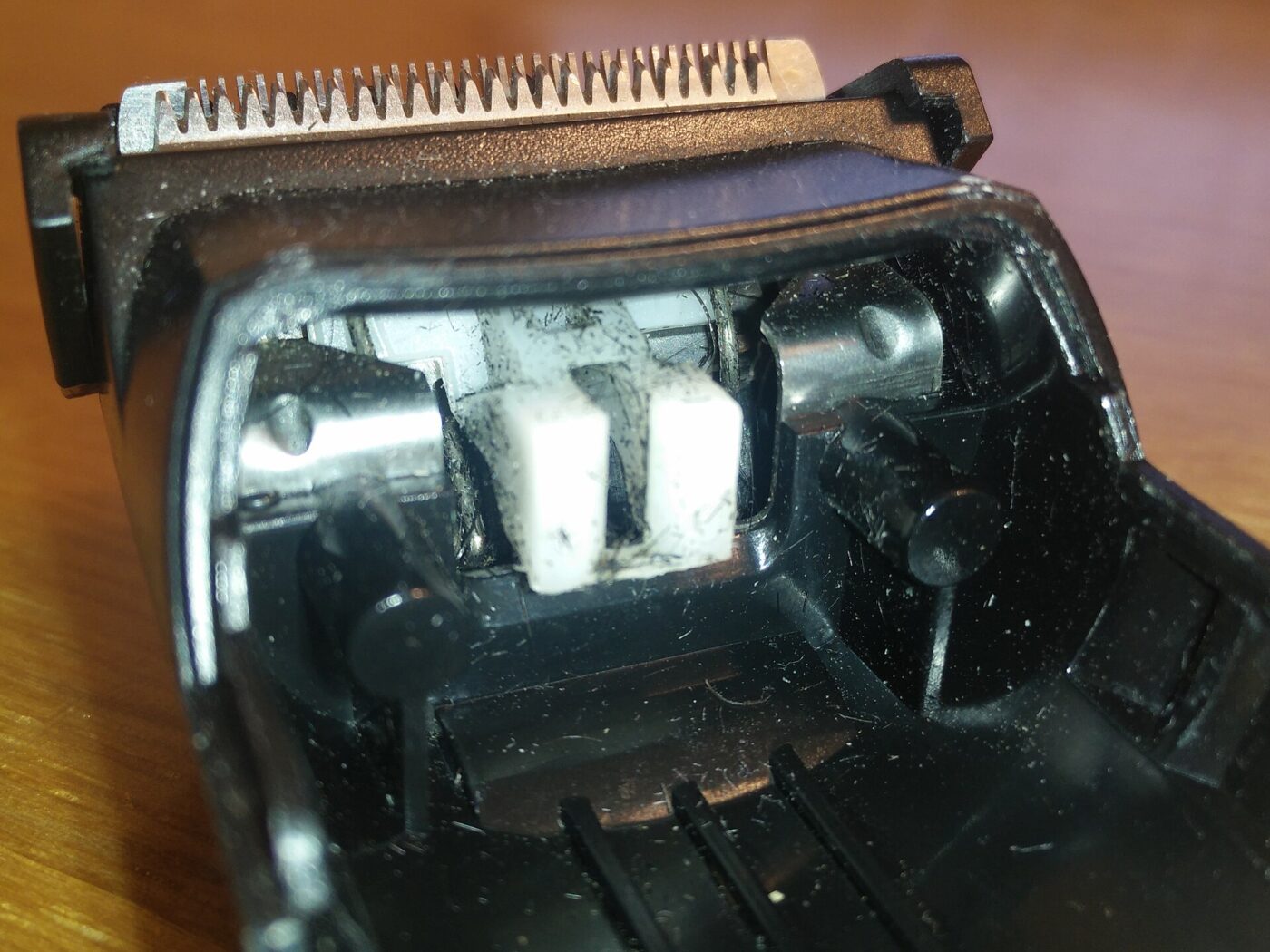
Foil shavers have blades oscillating side to side behind a perforated metal screen. Hair enters the holes and is sheared. The head is flat and works best pulled in straight lines, with the grain.
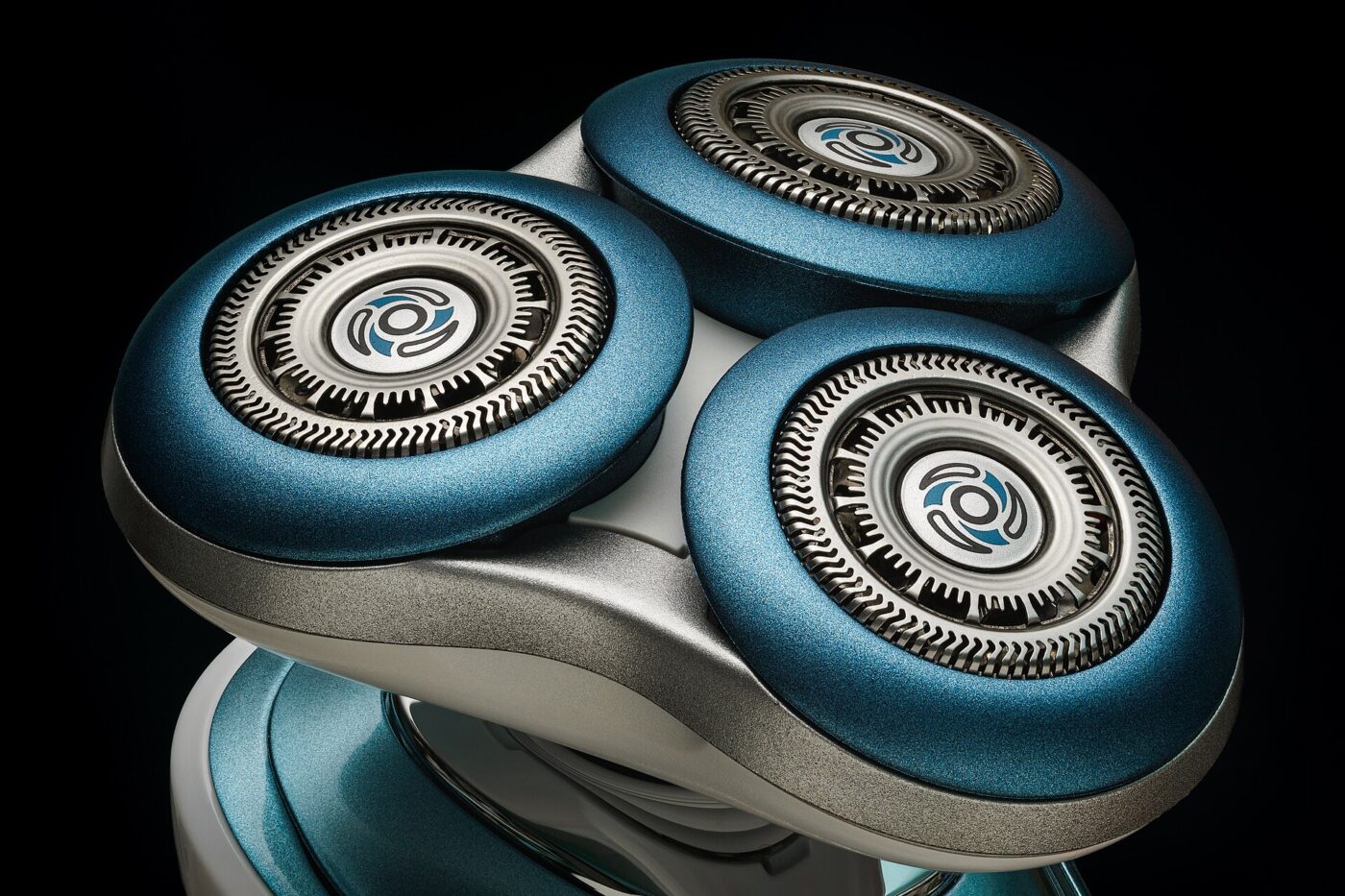
Rotary shavers have three circular cutters spinning under slotted heads that each pivot independently. They are used in circular motions and follow jawlines and necks more readily.
The practical split: hair that grows in one consistent direction, and a relatively flat face, suits a foil. Hair that swirls, particularly on the neck, and a more contoured face suits rotary.
Look at how your neck hair grows over a few days of stubble, not right after a shave. Necks are where most irritation happens, and swirling neck growth is the clearest indicator that rotary will suit you better.
The heads are the running cost

Cutting parts wear. Manufacturers generally advise replacing foils and cutters every twelve to eighteen months, and rotary heads on a similar schedule.
A replacement head set typically costs a substantial fraction of a mid-range shaver — sometimes close to half. Over five years that is a bigger number than the shaver itself.
A worn head does not just cut less well; it pulls hair rather than shearing it, which is a common cause of irritation that gets blamed on the shaver design.
- Price the replacement heads before choosing a brand.
- Clean after every use. Skin oil and stubble paste dull the cutters and hold bacteria.
- Replace on schedule, not when it visibly fails.
- Third-party heads exist and vary; foils are thin and cheap versions tear.
- Keep the box or the model number. Replacement heads are matched to a specific model, not a brand generally, and the wrong fit will not seat properly.
Wet, dry, and the closeness question
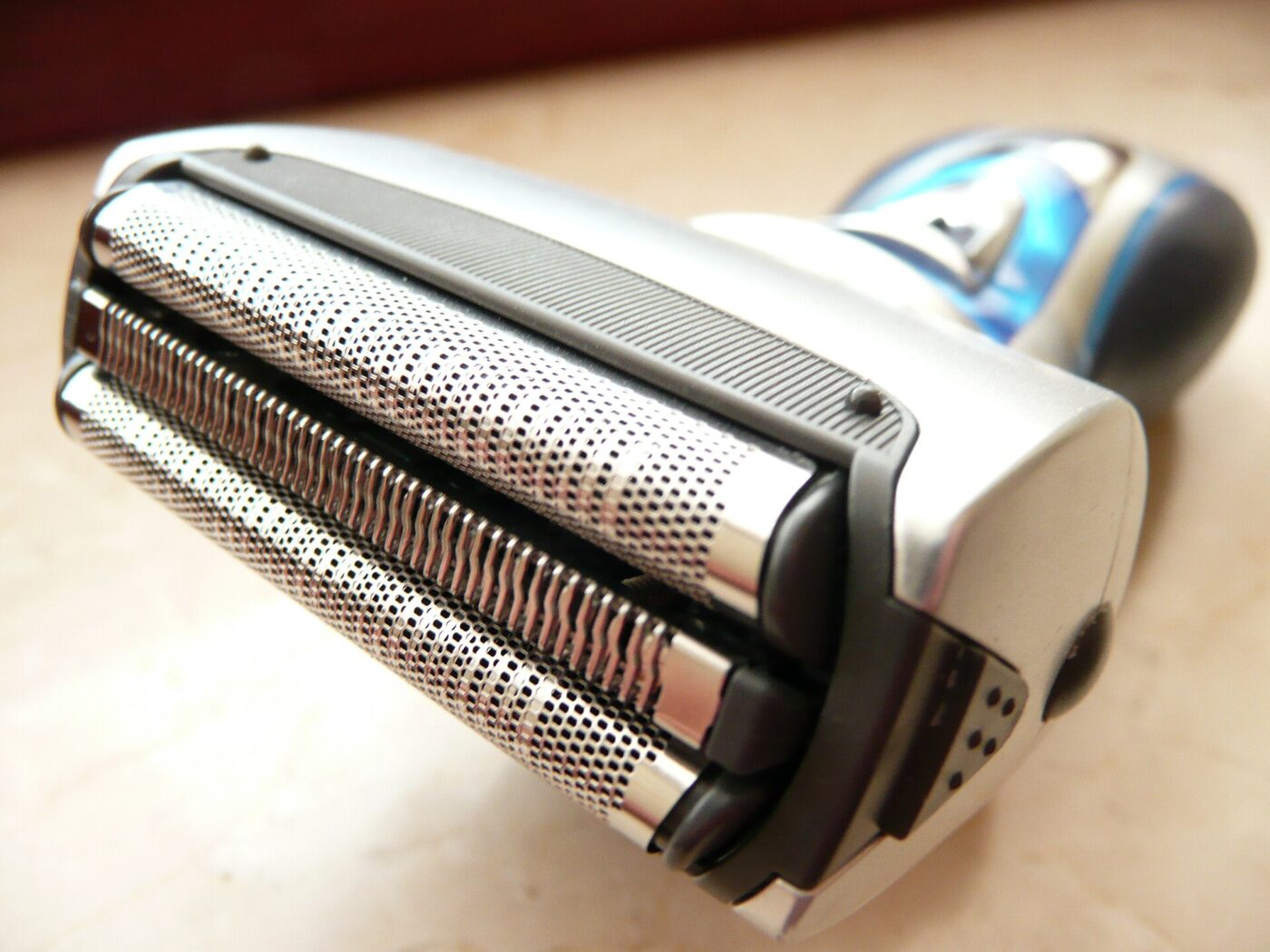
No electric shaver matches a sharp blade for closeness. What they give instead is speed, no cuts, and far less irritation for people prone to razor bumps — because they cut slightly above the skin rather than below it.
That last point is why dermatologists often suggest electric shaving for pseudofolliculitis barbae. Cutting below the surface is precisely what causes ingrown hairs.
Wet-and-dry models used with shaving gel are noticeably more comfortable for sensitive skin, and most modern shavers are rinseable regardless.
Skin type changes the calculus
Razor bumps are not exclusive to coarse, curly beard hair. Dermatology sources describe the same irritant-folliculitis pattern — hairs regrowing after removal, inflamed and itchy — on shaved legs and underarms, which is why the electric-versus-blade choice matters beyond the face.
For anyone prone to it, switching hair-removal method is a first-line recommendation, alongside gentler technique: avoid soap directly on the skin being shaved, and use a proper shaving gel with a blade rather than shaving dry.
Skin condition matters as much as mechanism. Sensitive or eczema-prone skin tends to tolerate a lighter touch better regardless of foil or rotary, which favors a wet-and-dry model used with gel over a dry pass at full pressure.
None of that changes the foil-versus-rotary choice above; it is a reason to consider an electric shaver at all before deciding which mechanism, and a reason not to blame the shaver the first time irritation shows up somewhere other than the face.
The shortlist
Paid links: we earn a commission if you buy through the buttons below, at no extra cost to you. As an Amazon Associate I earn from qualifying purchases.
Compared on face shape and beard type
| Product type | Best for | Risk estimate | Where to buy |
|---|---|---|---|
| Foil Electric Shaver | Flat-growing beards | 26/100 | See listings on AmazonOpens Amazon search results, not one listing: check the model on the product page. |
| Rotary Electric Shaver | Contoured faces | 28/100 | See listings on AmazonOpens Amazon search results, not one listing: check the model on the product page. |
| Replacement Shaver Heads | Running cost | 20/100 | See listings on AmazonOpens Amazon search results, not one listing: check the model on the product page. |
Risk estimate is our editorial Fear Index for the product type (lower is safer), not a customer rating. How it is scored.
Rotary Electric Shaver
If your neck hair grows in several directions — the usual cause of irritation — this geometry handles it far better.
- Pivoting heads follow jaw and neck
- Handles swirling growth patterns
- Quieter than most foils
- Circular motion takes practice
- Slightly less close on flat areas
Replacement Shaver Heads
A worn head pulls hair instead of shearing it. Replacing on schedule fixes irritation people usually blame on the shaver itself.
- Restores cutting performance completely
- Multipacks reduce the per-head price
- Removes a common cause of irritation
- Expensive relative to the shaver
- Proprietary to each model
More: Beauty and Personal Care analyses and how the Fear Index is scored.
Questions people actually ask
Is a foil or rotary shaver better?
Neither generally. Foil suits hair growing in one direction on a relatively flat face; rotary suits contoured faces and hair that swirls, particularly on the neck.
How often should you replace electric shaver heads?
Every twelve to eighteen months. A worn head pulls hair rather than shearing it, which causes irritation that is often blamed on the shaver design.
Are electric shavers better for sensitive skin?
Often, because they cut slightly above the skin rather than below it, which reduces ingrown hairs. Wet use with gel is more comfortable again.
Do electric shavers shave as close as a razor?
No. A blade cuts at or below skin level. Electric shavers trade a little closeness for speed, no cuts and less irritation.