
LED Face Masks: What Is Demonstrated, and What Is Just Sold
There is real research behind red and blue light for skin. Most of it used devices far more powerful than a consumer mask.

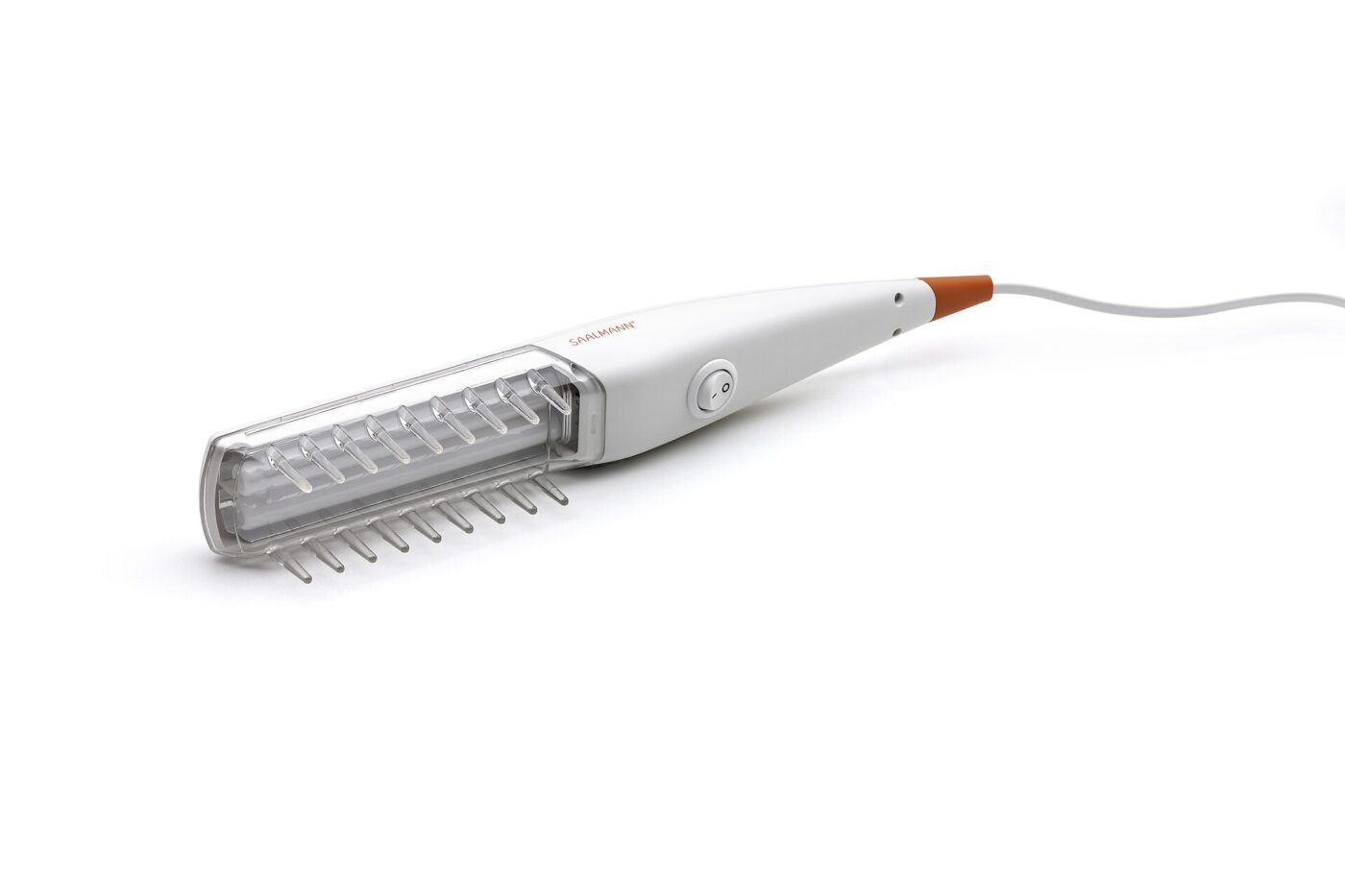
Photobiomodulation is a real field. Specific wavelengths of red and near-infrared light are absorbed by mitochondrial chromophores, and there is a legitimate body of research on effects in skin — collagen, wound healing, inflammation.
None of that tells you whether the mask on sale delivers a meaningful dose, because the variable that matters is almost never on the box.
Fear Index · Think twice
Real science, uncertain devices
The research is genuine. Whether a specific consumer mask delivers anything like the tested dose is rarely disclosed and almost never verifiable.
Dose is the whole question
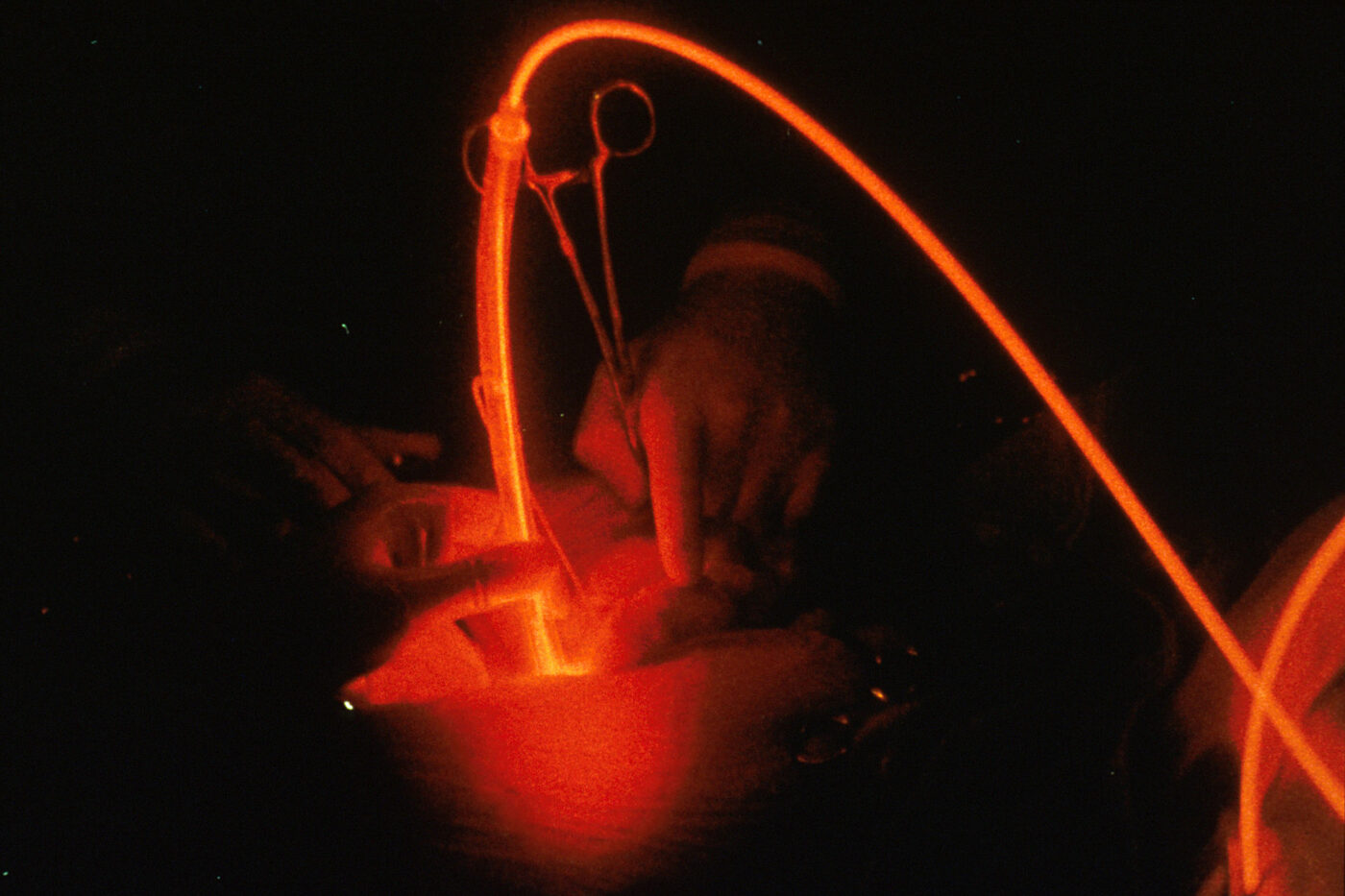
Light therapy follows a dose-response relationship, and one that is biphasic: too little does nothing, and too much can reduce the effect rather than increase it.
Dose is irradiance (milliwatts per square centimeter) multiplied by time, giving energy per area. Clinical studies state both. Consumer masks usually state neither, quoting instead the number of LEDs — which is a manufacturing fact, not a dose.
- Wavelength should be specified in nanometers. Around 630–660 nm for red, 830–850 nm for near-infrared, 415 nm for blue.
- Irradiance should be stated at the distance the mask sits from your face, not at the LED surface.
- Session time and frequency should follow from the first two, not from a round number.
- Number of LEDs tells you nothing about output.
If a listing quotes LED count and no irradiance, treat the dose as unknown. That is not proof it does nothing; it is an absence of the only information that would let you judge.
What the evidence supports

Blue light around 415 nm has a plausible mechanism for acne: it excites porphyrins produced by Cutibacterium acnes, generating reactive oxygen that damages the bacteria. Trials have shown reductions in inflammatory lesions, generally modest and generally alongside other treatment.
Red and near-infrared for photoaging has supportive but weaker evidence, with small studies, varied protocols and short follow-up. Improvements in fine lines and skin texture have been reported; the effect sizes are modest.
LED masks do not emit UV, and adverse effects in studies are mild and uncommon. Eyes are the main caution: Neutrogena recalled its light therapy acne mask in the US in 2019 over a theoretical risk of eye injury for people with certain eye conditions or on medicines that increase light sensitivity. Use the eye protection supplied with a mask, and check with a doctor first if either applies to you.
What the same money buys elsewhere
For photoaging, daily broad-spectrum sunscreen and a topical retinoid have decades of evidence and effect sizes that are not in dispute. For acne, standard topicals and, where appropriate, prescription treatment are far better supported.
That is the honest comparison. An LED mask is not a scam and it is not the best use of a skincare budget for most people — particularly the first few hundred dollars of it.
How to check a specific mask, not just the category
Devices marketed over the counter for acne with a light-based mechanism fall under FDA product code OLP, a Class II classification that requires a manufacturer to clear the device through the FDA’s 510(k) premarket process before selling it for that claim. Clearance is paperwork showing the device is substantially equivalent to one already cleared, not proof of a specific irradiance — but a complete absence of clearance for a device making a medical claim is itself a signal.
The FDA’s 510(k) database is searchable by device or manufacturer name, and it is free. Before buying a mask that claims to treat acne or wrinkles, search the brand there; if the listing also states wavelengths and irradiance, you have the two pieces of information that separate a specified device from a marketing exercise.
A cleared device still needs the wavelength and irradiance checked separately — clearance and dose disclosure are different questions, and a listing can pass one without answering the other.
The shortlist
Paid links: we earn a commission if you buy through the buttons below, at no extra cost to you. As an Amazon Associate I earn from qualifying purchases.
Compared on what is actually specified
| Product type | Best for | Risk estimate | Where to buy |
|---|---|---|---|
| Full-Face LED Mask (Red + Blue) | If you want to try it | 55/100 | See listings on AmazonOpens Amazon search results, not one listing: check the model on the product page. |
| Handheld LED Spot Device | Cheaper, spot treatment | 52/100 | See listings on AmazonOpens Amazon search results, not one listing: check the model on the product page. |
| Beginner Retinoid Serum (0.25%) | Evidence-backed alternative | 34/100 | See listings on AmazonOpens Amazon search results, not one listing: check the model on the product page. |
Risk estimate is our editorial Fear Index for the product type (lower is safer), not a customer rating. How it is scored.
Beginner Retinoid Serum (0.25%)
If the goal is fine lines and texture, this is where the evidence is strongest. Start at a low strength, around 0.25%, since higher strengths mostly add irritation rather than results.
- Decades of clinical data for photoaging
- A fraction of the price of a mask
- Effects are well characterized
- Irritation during the first weeks
- Requires consistent sunscreen use
Full-Face LED Mask (Red + Blue)
Buy only from a listing that states wavelengths in nanometers and, ideally, irradiance. Treat LED counts as noise.
- No UV, and adverse effects are rare
- Treats the whole face at once
- Blue light has reasonable acne evidence
- Irradiance almost never stated
- Requires months of consistent use
More: Beauty & Personal Care analyses and how the Fear Index is scored.
Sources
Questions people actually ask
Do LED face masks actually work?
The underlying science is real, and blue light has reasonable evidence for acne while red has weaker support for photoaging. Whether a given consumer mask delivers a meaningful dose is usually impossible to tell.
What should I look for in an LED mask?
Wavelengths stated in nanometers and irradiance stated at the treatment distance. The number of LEDs tells you nothing about output.
Are LED face masks safe?
They emit no UV and reported adverse effects in studies are mild and uncommon. Eyes are the exception: a 2019 US recall of a light therapy acne mask cited a theoretical eye-injury risk for certain eye conditions and photosensitizing medication, so use the eye protection supplied and check with a doctor first if either applies.
Is a retinoid better than an LED mask?
For photoaging, the evidence base is far stronger and the cost far lower. Most skincare budgets are better spent on sunscreen and a retinoid before a device.