
Start Retinol Low and Slow, Because Irritation Is What Makes People Quit
Retinoids have strong evidence and a notorious adjustment period. Starting concentration and frequency decide whether you get past it.

Few skincare ingredients have evidence as strong as retinoids for fine lines, texture, pigmentation and acne. Decades of research sit behind them.
They also come with an adjustment period of dryness, peeling and sensitivity, and most people who give up do so in the first few weeks — typically because they started too strong or too often.
Fear Index · Think twice
A proven ingredient abandoned during the adjustment period
The evidence is not in question. The first weeks are, and the usual mistake is starting at a strength the skin is not ready for.
The retinoid ladder
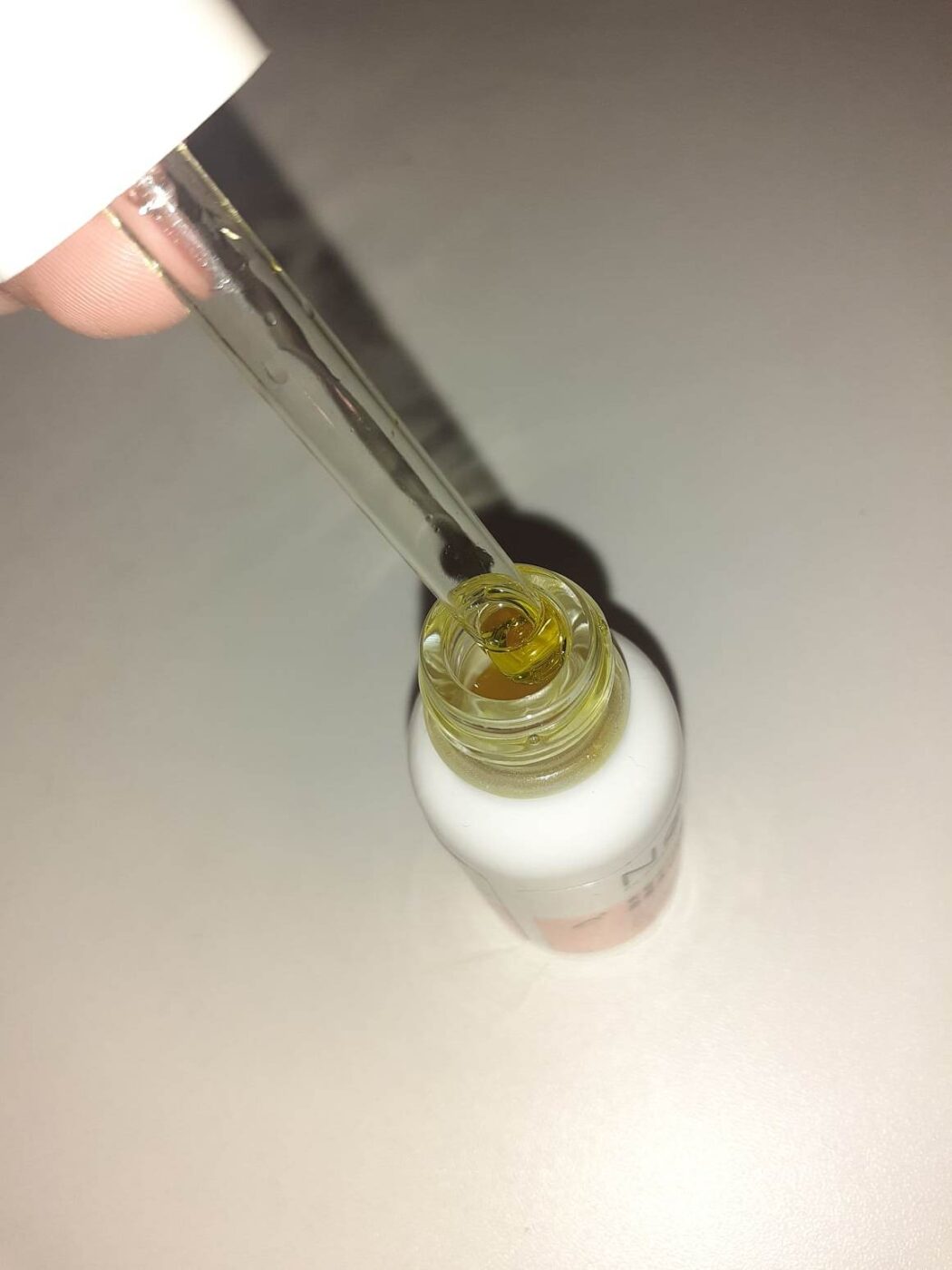
Most over-the-counter retinoids are not retinoic acid itself — adapalene, which acts directly, is the exception. Skin enzymes convert the rest, and each conversion step reduces potency and irritation.
| Form | Conversion steps | Strength and irritation |
|---|---|---|
| Retinyl esters (palmitate) | Several | Gentlest, weakest |
| Retinol | Two | Effective, moderate irritation |
| Retinaldehyde (retinal) | One | Stronger, faster |
| Adapalene (0.1% OTC in the US) / prescription tretinoin | None | Strongest; tretinoin is the most irritating |
A higher percentage of retinol is not a shortcut. Starting at a strong concentration mostly accelerates irritation, not results.
Irritation, purging and what to do

Early side effects — dryness, flaking, redness and mild stinging, often called retinisation — are common and usually improve over a few weeks as skin adapts.
“Purging” is a temporary flare of breakouts in areas where you normally get spots, as cell turnover speeds up. It generally settles within weeks. New breakouts in unusual areas, or burning and swelling, suggest irritation or reaction and are a reason to stop and seek advice.
- Two or three nights a week at first, increasing as tolerated.
- A pea-sized amount for the whole face — more is not better.
- Apply to dry skin, since damp skin increases penetration and irritation.
- Moisturize, or buffer by applying moisturizer first.
- Avoid combining with strong acids and scrubs at the start.
Sunscreen, pregnancy and patience
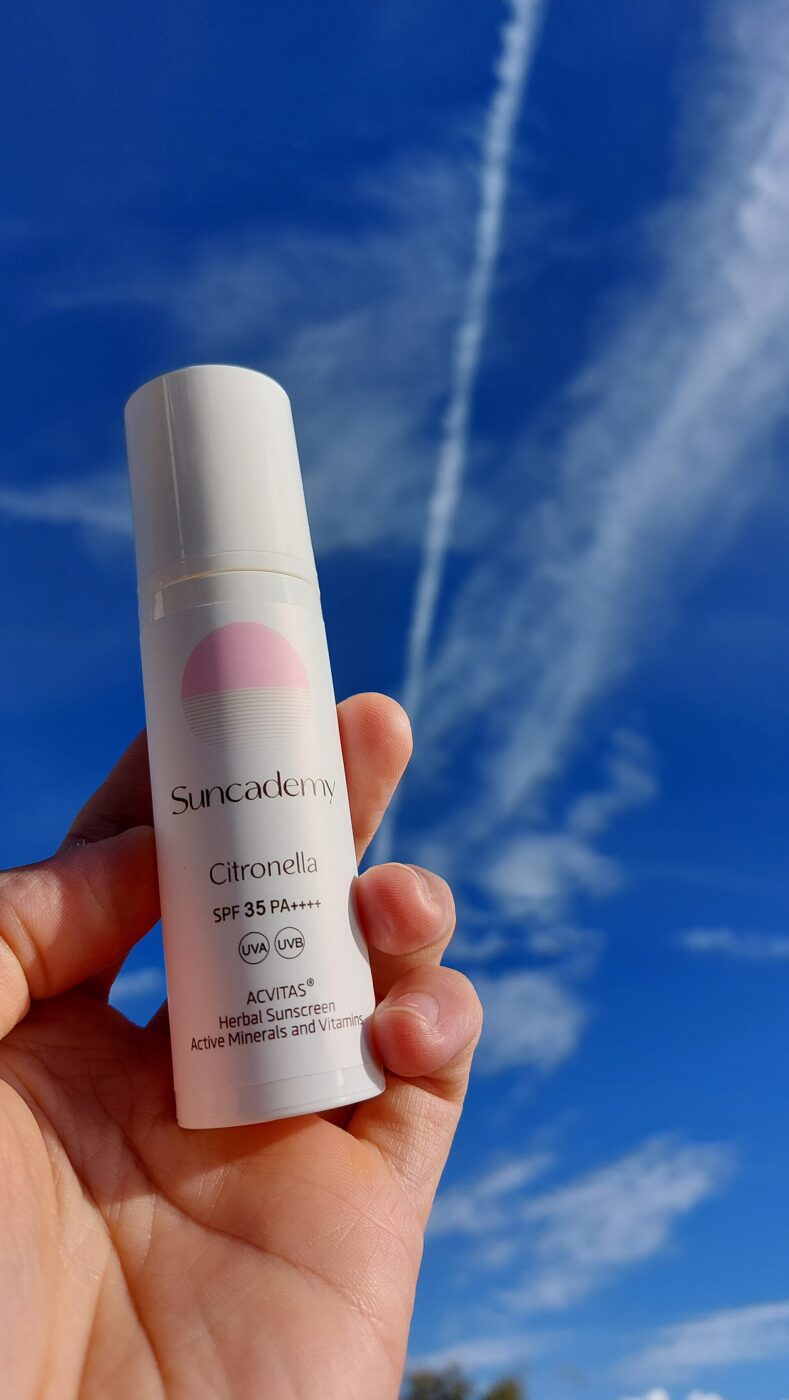
Retinoids increase sensitivity to sunlight, and much of their benefit for aging is undone without daily broad-spectrum sunscreen.
Retinoids are generally advised against during pregnancy and when trying to conceive. Anyone in that situation should check with a doctor.
Visible improvement in texture usually takes around three months; fine lines and pigmentation can take longer. The results come from consistency, which is exactly why a gentle start matters.
What else is in the bottle
Packaging matters more for retinoids than for most skincare. Light and air break down retinol, so a formula sold in a clear jar loses potency faster than the same concentration in an opaque, airless pump.
Retinoids pair poorly with benzoyl peroxide, which can degrade both ingredients when mixed directly, and with high concentrations of AHA or BHA acids, which compound irritation. Using them on alternate nights, rather than layering both at once, is the simpler routine while starting out.
Darker skin tones are more prone to post-inflammatory hyperpigmentation from irritation, which is one more reason to start low and slow rather than treat redness as a sign the product is working.
If a product does not list a percentage on the label or its page, treat it as an unknown strength and start exactly as cautiously as you would with a labeled one.
The shortlist
Paid links: we earn a commission if you buy through the buttons below, at no extra cost to you. As an Amazon Associate I earn from qualifying purchases.
Compared by strength
| Product type | Best for | Risk estimate | Where to buy |
|---|---|---|---|
| Low-Strength Retinol Serum (0.2–0.3%) | Beginners | 28/100 | See listings on AmazonOpens Amazon search results, not one listing: check the model on the product page. |
| Retinaldehyde Serum | After tolerance builds | 40/100 | See listings on AmazonOpens Amazon search results, not one listing: check the model on the product page. |
| Barrier Repair Moisturizer | Protecting results | 14/100 | See listings on AmazonOpens Amazon search results, not one listing: check the model on the product page. |
Risk estimate is our editorial Fear Index for the product type (lower is safer), not a customer rating. How it is scored.
Low-Strength Retinol Serum (0.2–0.3%)
The concentration that gets people through the first month. Consistency at a tolerable strength beats a harsh start.
- Enough strength to work over time
- Lower irritation during adjustment
- Easy to increase frequency
- Slower visible results
- Still needs sunscreen daily
Barrier Repair Moisturizer
Dryness is the side effect most people quit over. A simple barrier cream eases it considerably.
- Ceramides support the skin barrier
- Fragrance-free avoids extra irritation
- Can buffer retinol if applied first
- Can feel heavy on oily skin
- Another step
More: Beauty & Personal Care analyses and how the Fear Index is scored.
Questions people actually ask
What percentage of retinol should a beginner use?
A low concentration, roughly 0.2–0.3%, two or three nights a week. Higher strengths mostly accelerate irritation rather than results.
Is retinol purging normal?
A temporary flare of breakouts in your usual problem areas can occur as cell turnover speeds up and usually settles within weeks. Burning, swelling or breakouts in new areas suggest irritation instead.
What is the difference between retinol and retinal?
Retinal (retinaldehyde) is one conversion step closer to retinoic acid, so it is stronger and faster-acting than retinol, and somewhat more likely to irritate.
Do I need sunscreen when using retinol?
Yes. Retinoids increase sun sensitivity, and daily broad-spectrum sunscreen protects both your skin and the results.