
Halloween Hazards Are Candles, Long Hems, Blocked Vision and Costume-Shop Contact Lenses
What a flame resistant label means, how to keep costumes visible and trip-free, why to skip candles, and why decorative lenses need a prescription.

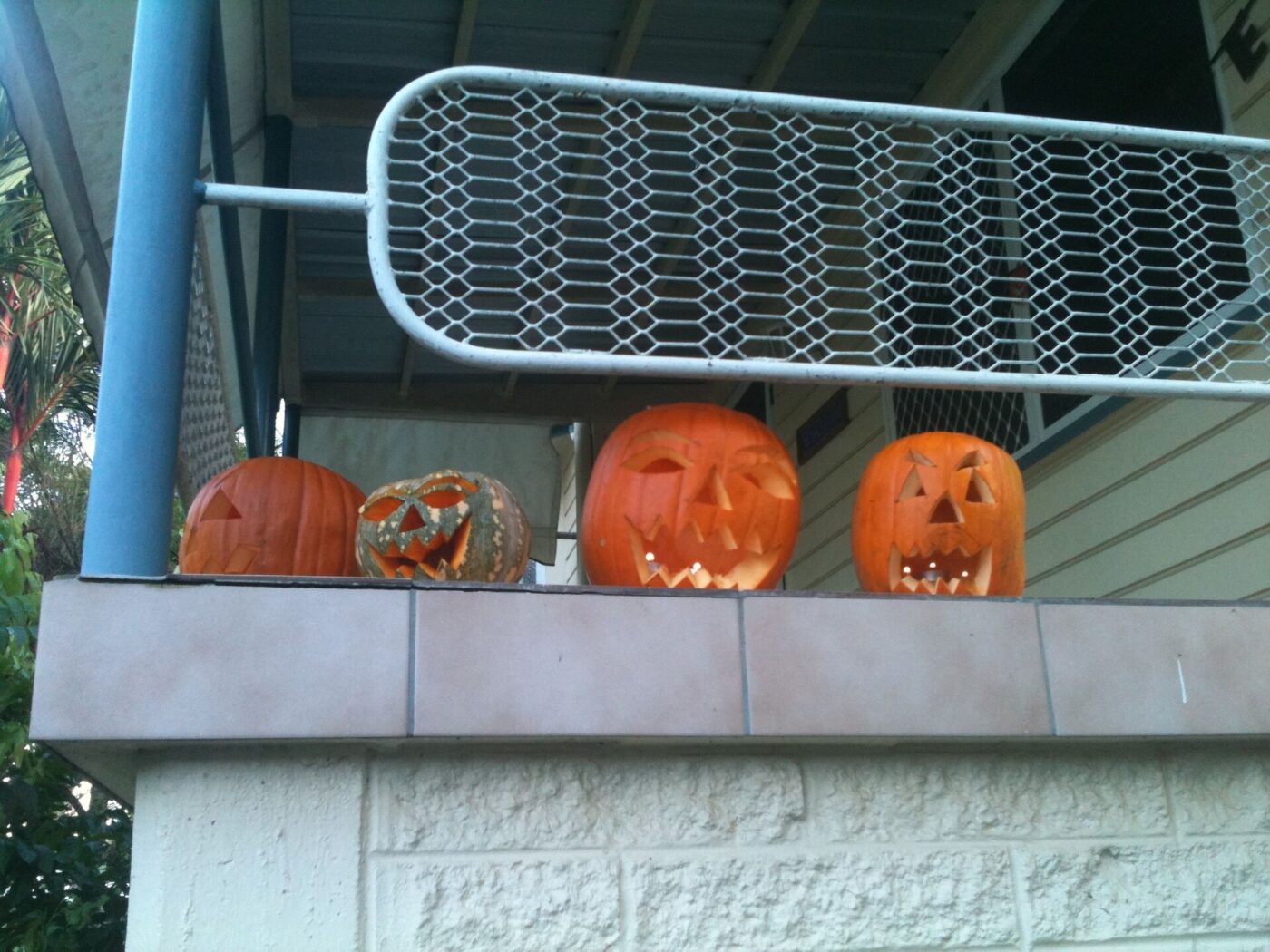
Most Halloween preparation is about the look: the costume, the makeup, the porch. Safety tends to come up only when a hem catches on a step or a sleeve brushes past a jack-o’-lantern.
The hazards are predictable. CPSC estimated in October 2022 that over the previous three years an annual average of 3,200 Halloween-related injuries were treated in emergency departments, with 55 percent related to pumpkin carving and 25 percent to falls, including tripping on costumes. A few buying and decorating choices remove much of that risk.
Fear Index · Think twice
A costume chosen for looks alone
CPSC estimates an annual average of 3,200 Halloween-related emergency department injuries, most of them from pumpkin carving and falls rather than anything exotic.
What the flame resistant label means

CPSC advises reducing fire hazards by choosing costumes made of polyester or nylon rather than sheer cotton or rayon, and FDA’s Halloween tips say to wear costumes that say flame resistant on the label. Earlier CPSC guidance explains that flame-resistant fabrics will resist burning and should extinguish quickly. That is not the same as fireproof: a flame-resistant costume can still catch fire.
Shape matters as much as fiber. CPSC warns that costumes with loose, flowing fabrics can be a fire hazard close to open flames. Capes, trailing sleeves, fringe and layered skirts are the parts most likely to brush a candle on a doorstep or a table, and wigs, beards and masks deserve the same scrutiny as the costume itself.
Homemade costumes carry no label, so the same principles apply: synthetic fabrics such as polyester or nylon rather than sheer cotton or rayon, closer-fitting cuts, and no loose trailing pieces anywhere near a flame.
Flame resistant means slower to burn, not unburnable. The better protection is keeping open flames away from costumes altogether.
Seeing and being seen

CPSC recommends a costume that fits, avoiding overly long or baggy costumes to prevent trips and falls, and says eye and nose holes in masks should permit full visibility and adequate breathing. FDA suggests wearing makeup and hats rather than costume masks that can obscure vision.
Visibility cuts both ways. Dark costumes disappear on unlit streets, so CPSC suggests reflective tape as trim on costumes and outerwear, and FDA recommends bright, reflective costumes or strips of reflective tape. A small flashlight or glow bracelet helps drivers see a child and helps the child see curbs and steps.
- Hem long costumes so they clear the ground in the shoes that will be worn.
- Check mask eye holes for full side vision, or switch to makeup.
- Add reflective tape to the front and back of costumes and treat bags.
- Carry a flashlight or glow stick on dark streets.
- Choose soft, flexible props that will not hurt anyone in a fall.
- Patch-test makeup 24 to 48 hours ahead on the arm, as FDA suggests.
Candle-free lighting and safer decorations
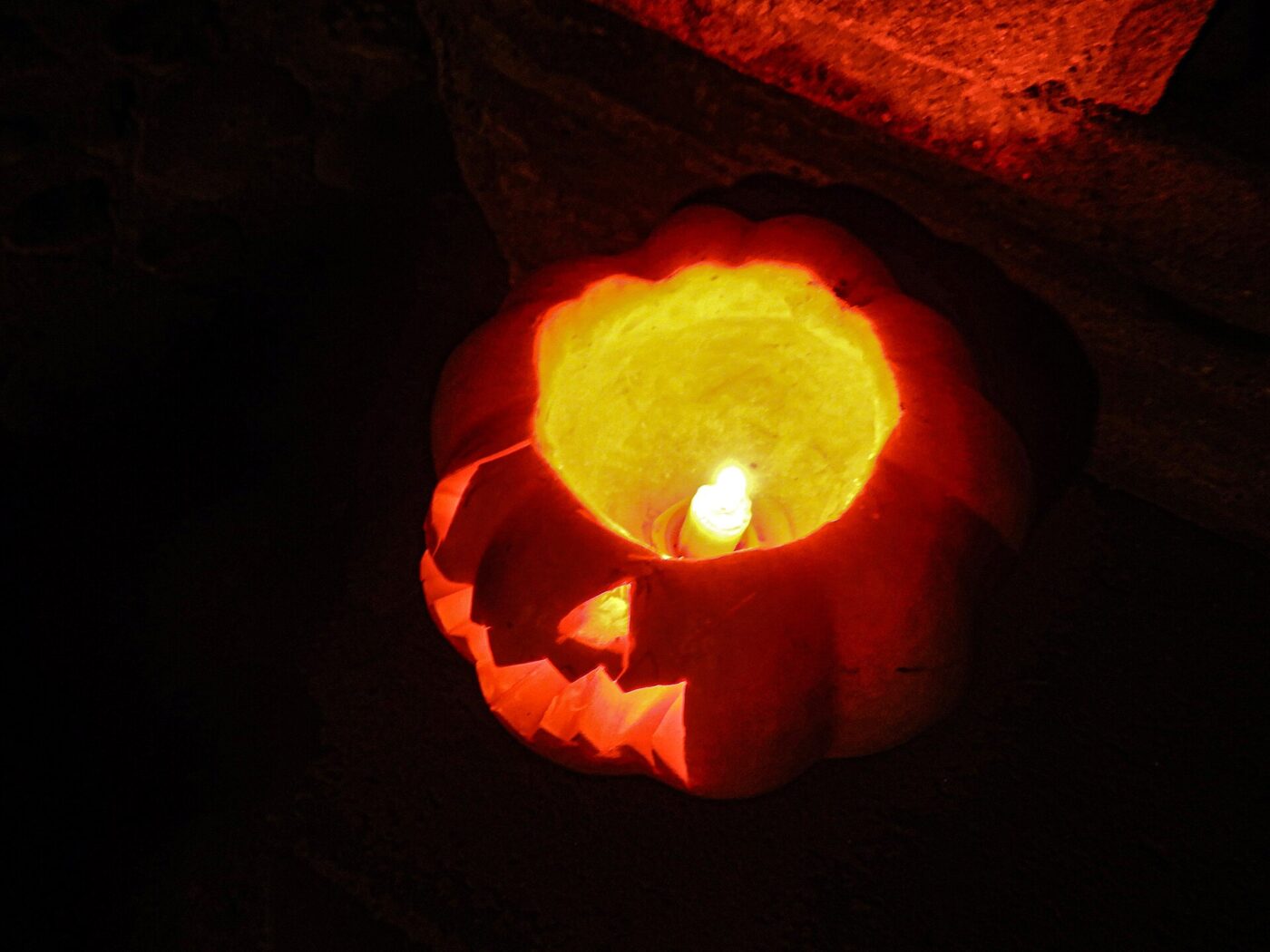
CPSC’s October 2022 advice is to light a finished jack-o’-lantern with battery-operated lights or glow sticks rather than an open-flame candle, and more broadly to use battery-operated lights and glow sticks instead of candles. If open-flame candles are used, it says to keep them away from curtains, decorations and other combustibles and never to leave them unattended.
Doorsteps deserve particular thought, because costumes pass within inches of anything set there. Earlier CPSC guidance says to keep candles and jack-o’-lanterns away from landings and doorsteps, where costumes could brush against the flame. CPSC also advises removing obstacles from lawns, steps and porches when expecting trick-or-treaters, and using only lights tested for safety by a recognized testing laboratory.
Carving itself accounts for the largest share of injuries in CPSC’s estimates. Its advice is to leave pumpkin carving to adults, with child helpers scooping out the inside with a spoon or drawing the design with a marker.
| Option | Fire risk near costumes | Notes |
|---|---|---|
| Open-flame candle | High on steps and walkways | Never unattended; keep clear of combustibles |
| Battery LED tea light | Very low | Timers save batteries |
| Glow stick | Very low | Single use; supervise young children |
| Plug-in light string | Low with managed cords | Lab-tested and outdoor-rated for outside use |
Swap pumpkin candles for battery lights, and the doorstep stops being a place where costumes meet flames.
Decorative contact lenses need a prescription
Colored and special-effect lenses are sold as costume accessories, but FDA says decorative contact lenses are medical devices and that all contact lenses must be prescribed by a doctor, including decorative ones. It adds that eyes are not all the same size and shape, and contact lenses are fitted for the individual.
FDA advises never buying contact lenses from a street vendor, beauty supply store, flea market, novelty store or Halloween store, and says any contact lenses not prescribed by a doctor are illegal. The risks it lists include a scratch on the surface of the eye, allergic reactions, decreased vision, infection and blindness. If eyes become red, painful or develop discharge after wearing any decorative lenses, FDA says to remove them and see an eye doctor right away.
If a costume depends on a particular eye color, an eye care professional can examine, fit and prescribe decorative lenses, and a legitimate seller should ask for that prescription. Otherwise, makeup around the eyes creates a dramatic effect without putting anything on the eye itself.
The shortlist
Paid links: we earn a commission if you buy through the buttons below, at no extra cost to you. As an Amazon Associate I earn from qualifying purchases.
Compared on safer lighting and visibility
| Product type | Best for | Risk estimate | Where to buy |
|---|---|---|---|
| Battery Flameless Tea Lights with Timer | Candle-free pumpkins | 8/100 | See listings on Amazon |
| Reflective Safety Tape Strips | Visibility on dark streets | 10/100 | See listings on Amazon |
| Glow Stick Bracelets (Bulk) | Hands-free glow for kids | 15/100 | See listings on Amazon |
Risk estimate is our editorial Fear Index for the product type (lower is safer), not a customer rating. How it is scored. The buttons open Amazon search results rather than one listing, so check the model on the product page.
Battery Flameless Tea Lights with Timer
CPSC recommends battery lights or glow sticks over candles in jack-o’-lanterns. A timer means nobody has to remember.
- Safe inside pumpkins and on steps
- Timers switch off automatically
- Reusable each season
- Dimmer than a real flame
- Batteries need replacing
Reflective Safety Tape Strips
CPSC and FDA both suggest reflective tape. Put strips on the front, the back and the treat bag.
- Works with any costume
- Cheap and light
- Shows up in headlights
- Adhesive can peel in rain
- Can clash with a costume look
More: Holiday and Seasonal analyses and how the Fear Index is scored.
Questions people actually ask
What does flame resistant mean on a Halloween costume?
CPSC explains that flame-resistant fabrics resist burning and should extinguish quickly. It does not mean the costume cannot catch fire, so keep it away from flames.
Are colored contact lenses safe for Halloween?
FDA says all contact lenses, including decorative ones, must be prescribed by a doctor, and warns against buying them from Halloween, novelty or beauty supply stores.
What can I use instead of a candle in a jack-o-lantern?
CPSC recommends battery-operated lights or glow sticks rather than an open-flame candle.
How do you make a Halloween costume more visible at night?
Choose bright colors and add reflective tape to the costume and treat bag, as FDA and CPSC suggest, and carry a flashlight or glow stick.