
What Is in Your Raised Bed Timber, and Does It Reach the Vegetables?
Modern preservatives are not the arsenic compounds of the past. What changed, what to still avoid, and how long untreated lumber lasts.

On this page 4 sections
Ask whether treated lumber is safe around vegetables and you will get a confident no. That advice was correct, about a product that is no longer sold for this purpose.
Chromated copper arsenate — CCA — was the standard preservative for decades and contained both arsenic and chromium. It was phased out of residential lumber in the United States at the end of 2003 and restricted elsewhere on similar timelines.
Fear Index · Think twice
Advice that is one generation out of date
The caution is understandable. Some of it is no longer accurate, and some materials people substitute in are worse than what they avoided.
What changed, and when
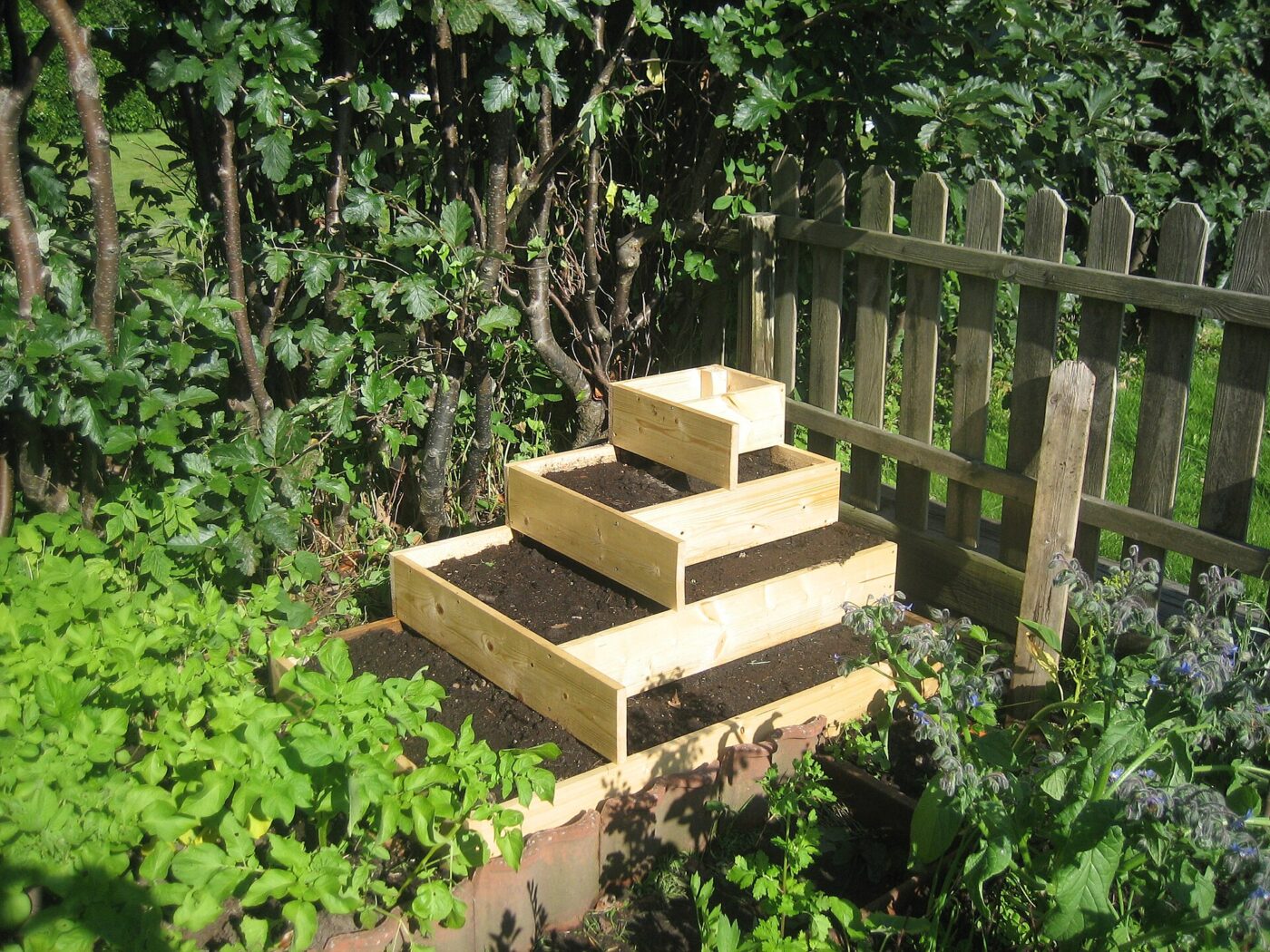
Modern preservatives for residential lumber are copper-based — ACQ, copper azole and micronized variants. Copper is the active fungicide; the arsenic and chromium are gone.
Copper does leach from treated lumber into adjacent soil, and studies consistently find that higher copper levels are concentrated close to the wood rather than spreading through a bed. Copper is also an essential plant micronutrient, toxic to plants at high concentrations long before it becomes a human dietary concern.
The practical upshot: the risk profile is very different from CCA, and the mainstream horticultural position has softened accordingly. EPA regulates today’s copper-based preservatives separately from the arsenic-based ones it phased out.
If certainty matters more to you than the debate, line the inside faces of the lumber with heavy polyethylene sheeting. It costs a few dollars and ends the question. Wear gloves and a dust mask when cutting treated lumber, wash your hands afterward, and never burn the offcuts.
What to actually avoid

Some materials are genuinely unsuitable, and they are often the ones people choose as a “natural” alternative.
- Old railroad ties. They are treated with creosote, which EPA says poses cancer risk to those regularly exposed and is not sold for homeowner use; reused ties in a garden are the main way people still encounter it. It also continues to weep in hot weather.
- Reclaimed lumber of unknown origin. Pre-2004 treated wood may be CCA, and there is no way to tell by eye.
- Old painted wood. Lead paint on anything pre-1978 in the US.
- Tires. Widely suggested and a poor idea: they leach zinc and other compounds and heat strongly in sun.
How long untreated lumber lasts
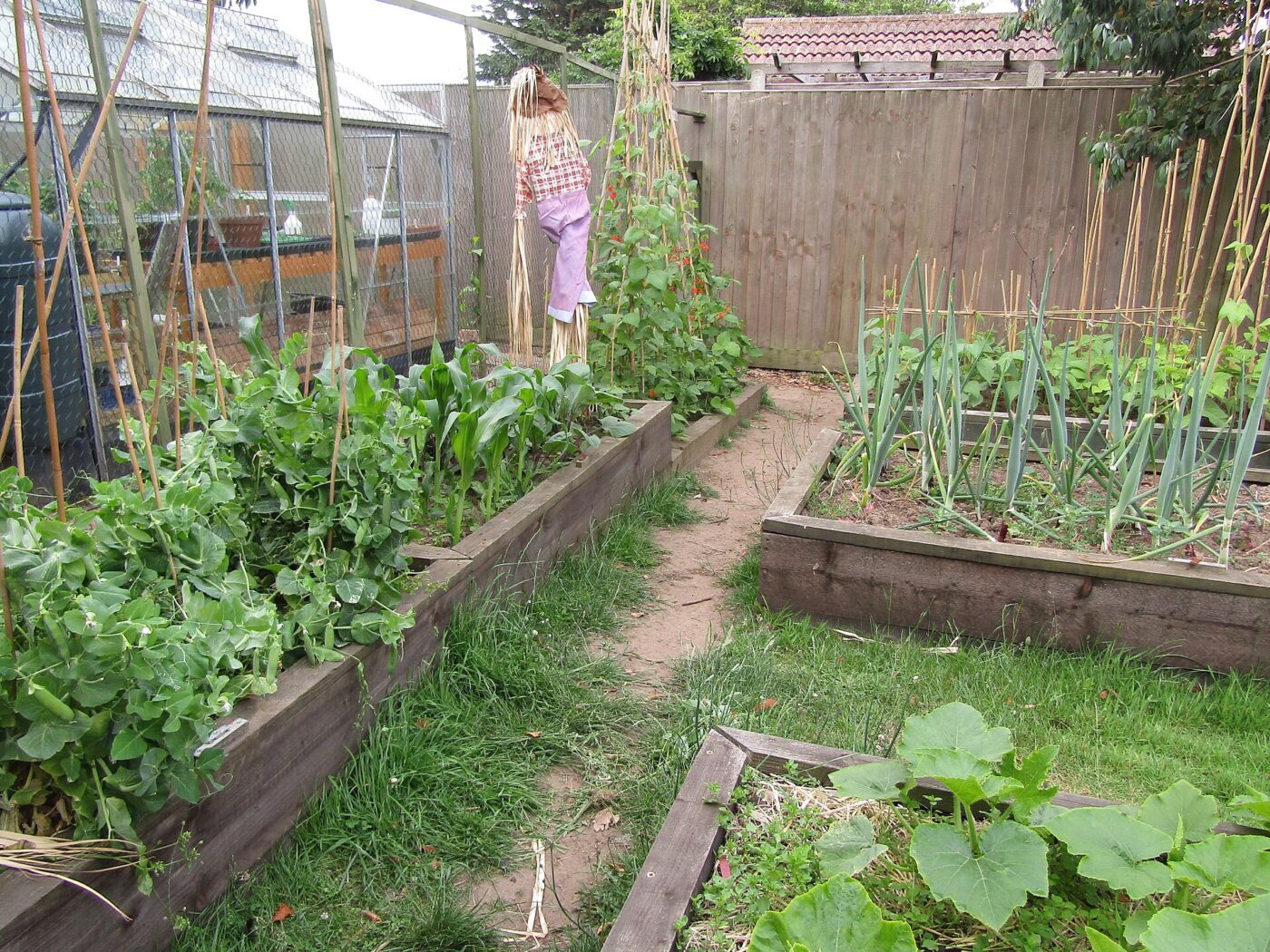
Choosing untreated wood is a valid answer, and the question becomes durability rather than safety.
Untreated softwood in ground contact lasts roughly three to five years before the bottom board rots. Douglas fir does somewhat better. Cedar and larch contain natural extractives that resist decay and last around ten to fifteen years, at a considerably higher price.
The pragmatic middle ground many gardeners settle on: cheap untreated softwood, built with screws rather than nails so boards can be replaced individually, and accept replacing the bottom board every few years.
The shortlist
Paid links: we earn a commission if you buy through the buttons below, at no extra cost to you. As an Amazon Associate I earn from qualifying purchases.
Compared on lifespan and suitability
| Product type | Best for | Risk estimate | Where to buy |
|---|---|---|---|
| Cedar Raised Bed Kit | Long life, no treatment | 22/100 | See listings on AmazonOpens Amazon search results, not one listing: check the model on the product page. |
| Galvanized Steel Raised Bed | No rot, no preservative | 26/100 | See listings on AmazonOpens Amazon search results, not one listing: check the model on the product page. |
| Heavy-Duty Polyethylene Sheeting | Removes the question | 12/100 | See listings on AmazonOpens Amazon search results, not one listing: check the model on the product page. |
Risk estimate is our editorial Fear Index for the product type (lower is safer), not a customer rating. How it is scored.
Cedar Raised Bed Kit
The answer if you want durability and no preservative discussion at all. The price is the whole objection.
- Natural extractives resist rot without chemicals
- Ten to fifteen years in ground contact
- Looks good and weathers silver
- Several times the price of softwood
- Softer, so it dents
Galvanized Steel Raised Bed
Increasingly the default for new beds. It removes the lumber question rather than answering it.
- No rot, no preservative, no replacement boards
- Assembles in an afternoon
- Galvanized coating lasts decades
- Heats faster in strong sun
- Edges need care during assembly
More: Garden & Outdoor Living analyses and how the Fear Index is scored.
Questions people actually ask
Is treated wood safe for vegetable raised beds?
Modern residential preservatives are copper-based, with no arsenic or chromium since CCA left US residential use in 2003. Copper leaches only a short distance into adjacent soil. If you want certainty, line the lumber with plastic sheeting.
Can I use railroad ties for a raised bed?
Old ones, no. They are treated with creosote, which EPA says carries a cancer risk to people regularly exposed and is not sold for homeowner use, and old ties weep in hot weather. New untreated timbers are a different matter.
What is the best wood for raised beds?
Cedar or larch for durability without treatment, at ten to fifteen years. Untreated softwood is the cheap option at three to five years — build it with screws so boards can be replaced.
How long do untreated raised beds last?
Softwood in ground contact typically lasts three to five years before the bottom board rots. Cedar and larch reach ten to fifteen.