
The Razor Is Free. You Are Buying a Twenty-Year Cartridge Subscription.
A cartridge handle is cheap and the blades are not. The ten-year arithmetic on cartridges, subscriptions and double-edge safety razors.

A cartridge razor handle is close to free, and frequently is free. The cartridges are not, and you will buy them for as long as you shave.
It is the printer model, applied to a bathroom cabinet — and like the printer model it is perfectly legal, openly operated, and much more expensive than it looks at the point of purchase.
Fear Index · Think twice
The cheapest item in the aisle costs the most
The model is transparent once you look at it, and the decision is made at the handle, where the cost is invisible.
The ten-year arithmetic
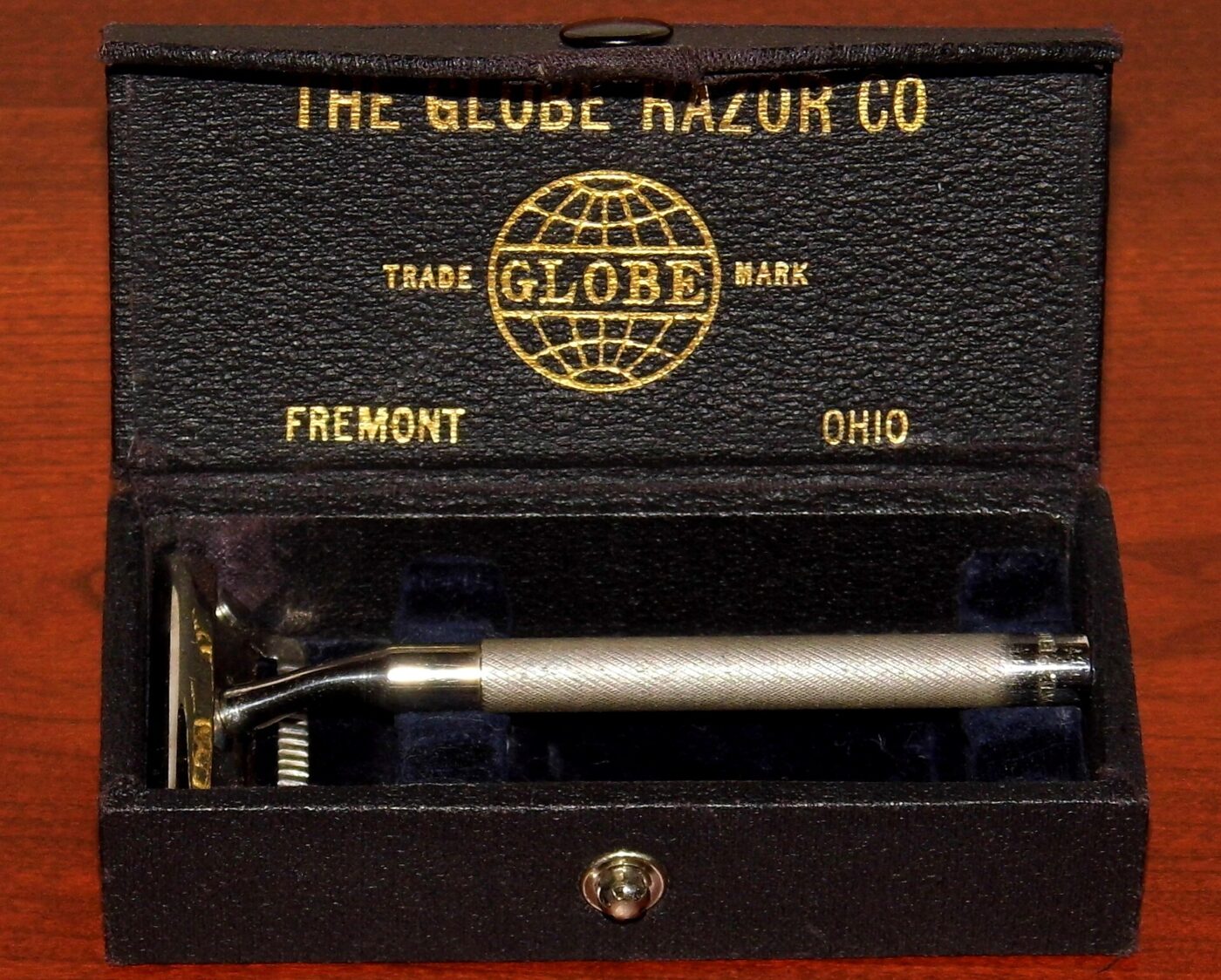
Assume one blade a week, which is roughly typical for a daily shaver.
| System | Per blade | Per year | Ten years |
|---|---|---|---|
| Premium cartridge | $4.00 | $208 | $2,080 |
| Subscription cartridge | $2.00 | $104 | $1,040 |
| Double-edge safety razor | $0.15 | $8 | $80 + $35 razor |
| Disposables | $0.60 | $31 | $310 |
The safety razor pays for itself within about two months and then costs roughly a tenth of a cartridge system for the rest of its life — which is indefinite, because it is a lump of metal.
Why more blades is not better

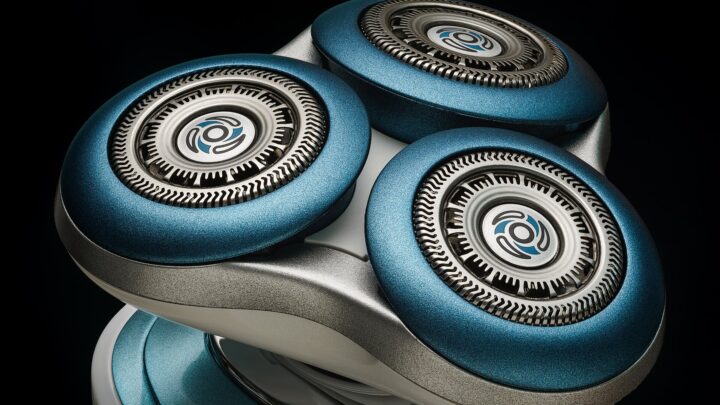
The pitch for multi-blade cartridges is hysteresis: the first blade pulls the hair up, the following blades cut it below the skin surface. That mechanism is real, and it is also why the marketed number of blades keeps climbing even though the underlying skin has not changed.
It is also the mechanism behind ingrown hairs, because a hair cut below the surface can grow into the follicle wall. For people prone to razor bumps, fewer blades is often the fix rather than a more advanced cartridge.
More blades also means more edges dragging across skin per stroke, which is why five-blade cartridges can irritate more than two-blade ones despite better lubrication strips.
The safety razor learning curve is real
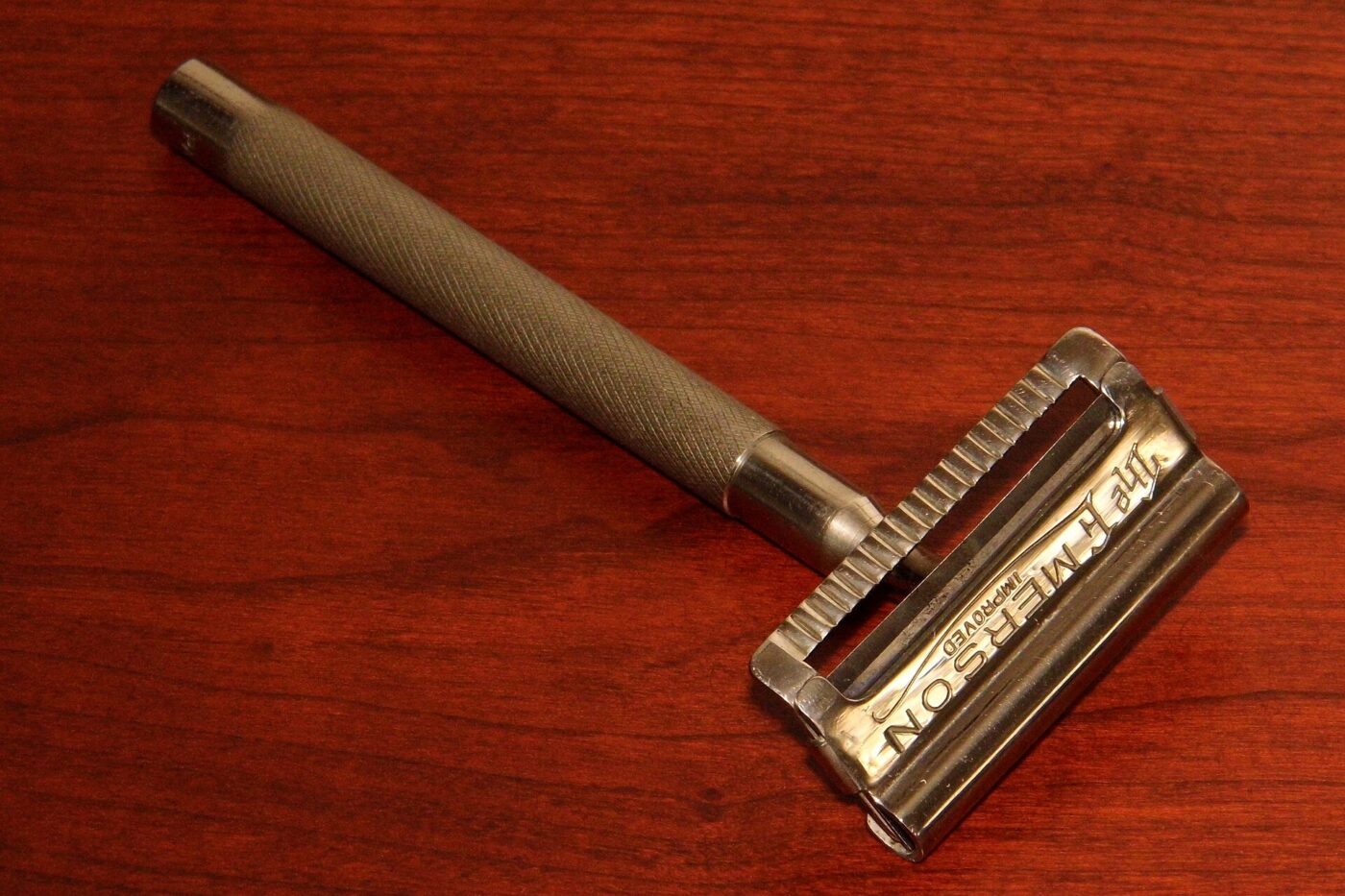
A double-edge razor does not pivot and does not forgive pressure. The technique is different in three specific ways, and getting them wrong produces nicks that put people off in the first week.
- No pressure. The weight of the razor is the pressure. Pushing is what cuts you.
- Angle, roughly 30 degrees. Lay the head flat against the face, then tilt until it cuts.
- Short strokes, with the grain first. Chasing smoothness against the grain on the first pass causes most irritation.
- Buy a blade sampler. Blade brands differ far more than cartridge brands, and the right one for your face is individual.
Care and hygiene add years, and matter for health
A stainless or chrome-plated safety razor lasts decades only if it is rinsed and dried after each shave; a wet head left in a damp bathroom corrodes and pits faster than the ten-year arithmetic assumes. Cartridge heads do not corrode the same way, but a blade that has gone dull pulls and nicks more than a fresh one, not less — replace it at the first sign of tugging rather than stretching the last few shaves out of it.
One rule applies to every system: do not share a razor, cartridge or blade with anyone else. The CDC lists razors alongside nail clippers and toothbrushes as items that can transmit hepatitis C through blood contact too small to see.
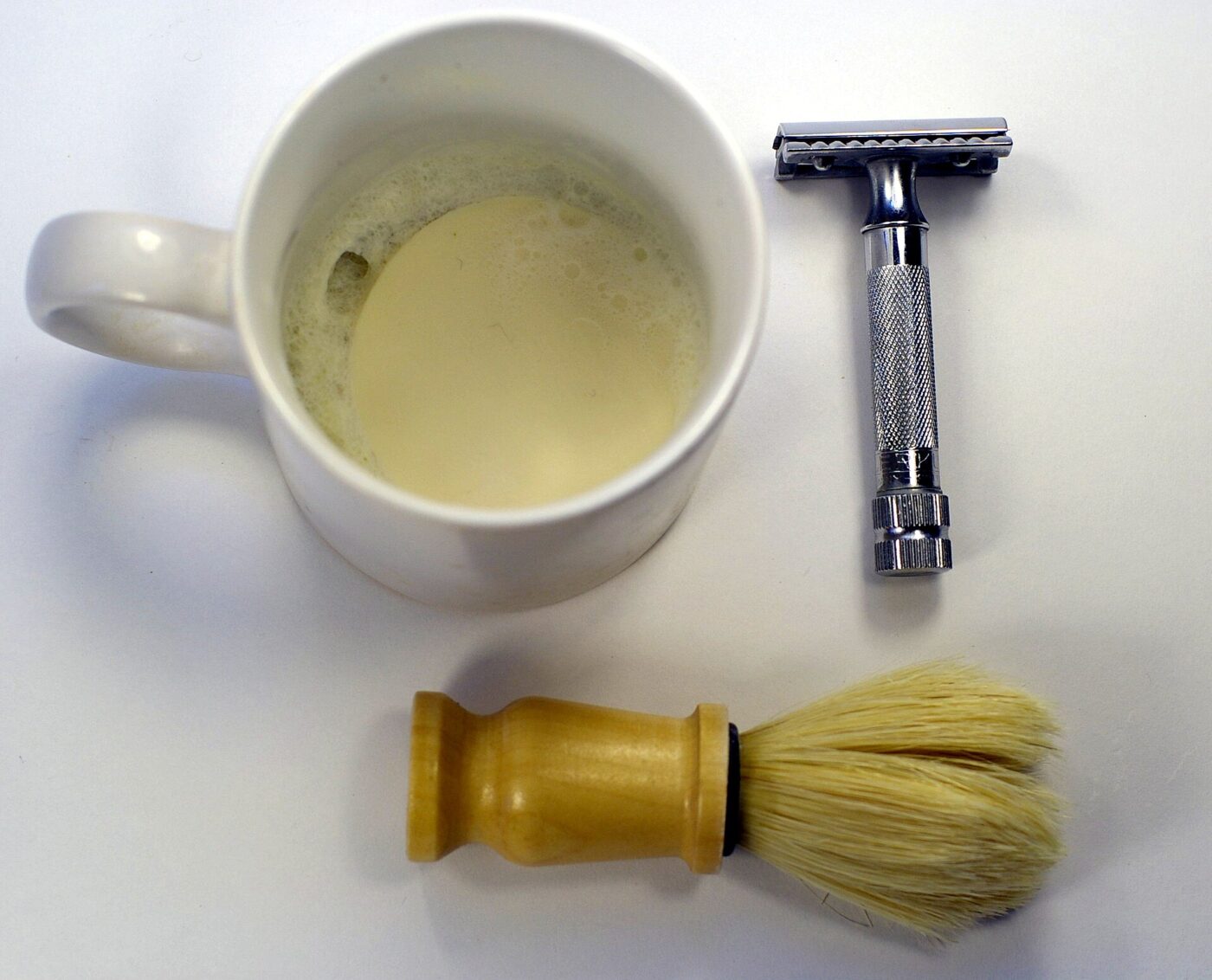
The arithmetic above also leaves out lather, which is not a rounding error. A canned foam habit adds roughly $3–$5 a month, or $360–$600 over ten years. A shaving soap puck used with a brush costs a few cents a shave and can last close to a year, which is the kind of detail safety-razor owners tend to pick up anyway, since the two purchases are usually made together.
Used double-edge blades still need somewhere to go. A small metal or plastic blade bank — a container with a narrow slot, sold for a few dollars or improvised from a coffee can — keeps spent blades contained until it is full, then goes in the trash sealed. Loose blades in a wastebasket are a cut waiting to happen for whoever empties it.
The running-cost numbers above assume a blade or cartridge you use alone and replace on schedule — sharing one, or stretching it well past dull, adds a cost the arithmetic does not capture.
The shortlist
Paid links: we earn a commission if you buy through the buttons below, at no extra cost to you. As an Amazon Associate I earn from qualifying purchases.
Compared on cost per shave over ten years
| Product type | Best for | Risk estimate | Where to buy |
|---|---|---|---|
| Double-Edge Safety Razor | Lowest running cost | 32/100 | See listings on AmazonOpens Amazon search results, not one listing: check the model on the product page. |
| Double-Edge Blade Sampler Pack | Finding your blade | 16/100 | See listings on AmazonOpens Amazon search results, not one listing: check the model on the product page. |
| Twin-Blade Cartridge Razor System | No learning curve | 42/100 | See listings on AmazonOpens Amazon search results, not one listing: check the model on the product page. |
Risk estimate is our editorial Fear Index for the product type (lower is safer), not a customer rating. How it is scored.
Double-Edge Safety Razor
The one purchase here that gets cheaper every year you own it. Budget two weeks of imperfect shaves while you learn.
- Blades cost cents, not dollars
- The razor itself lasts decades
- Fewer blades often means fewer ingrown hairs
- Two weeks to learn the angle
- TSA bars loose blades from carry-on bags
Double-Edge Blade Sampler Pack
People who give up on safety razors have usually only tried one blade. The right blade transforms the experience.
- Blade brands differ enormously
- Finds your match for the price of one cartridge
- Lasts months
- Requires paying attention for a few weeks
- Some brands will not suit you at all
More: Beauty & Personal Care analyses and how the Fear Index is scored.
Questions people actually ask
Are safety razors cheaper than cartridges?
Dramatically. Double-edge blades cost around 10–25 cents against $2–$4 for cartridges, and the razor itself lasts decades. It typically pays for itself within two months.
Do more blades give a closer shave?
Marginally, by cutting hair below the skin surface. That same mechanism causes ingrown hairs, and more edges mean more drag, so for sensitive skin fewer blades is often better.
How long does a razor blade last?
About a week of daily shaving for most people, for both cartridges and double-edge blades. Beard coarseness and shave frequency change it more than blade quality does.
Is a safety razor hard to learn?
It takes about two weeks. The three rules are no pressure, roughly a 30-degree angle, and short strokes with the grain first.