

A Sealed Wedding Gown Box You Are Told Never to Open Hides the Damage It Promises to Prevent
Some preservation services seal a gown and say opening the box voids the guarantee. What conservators actually recommend for cleaning, tissue and storage.

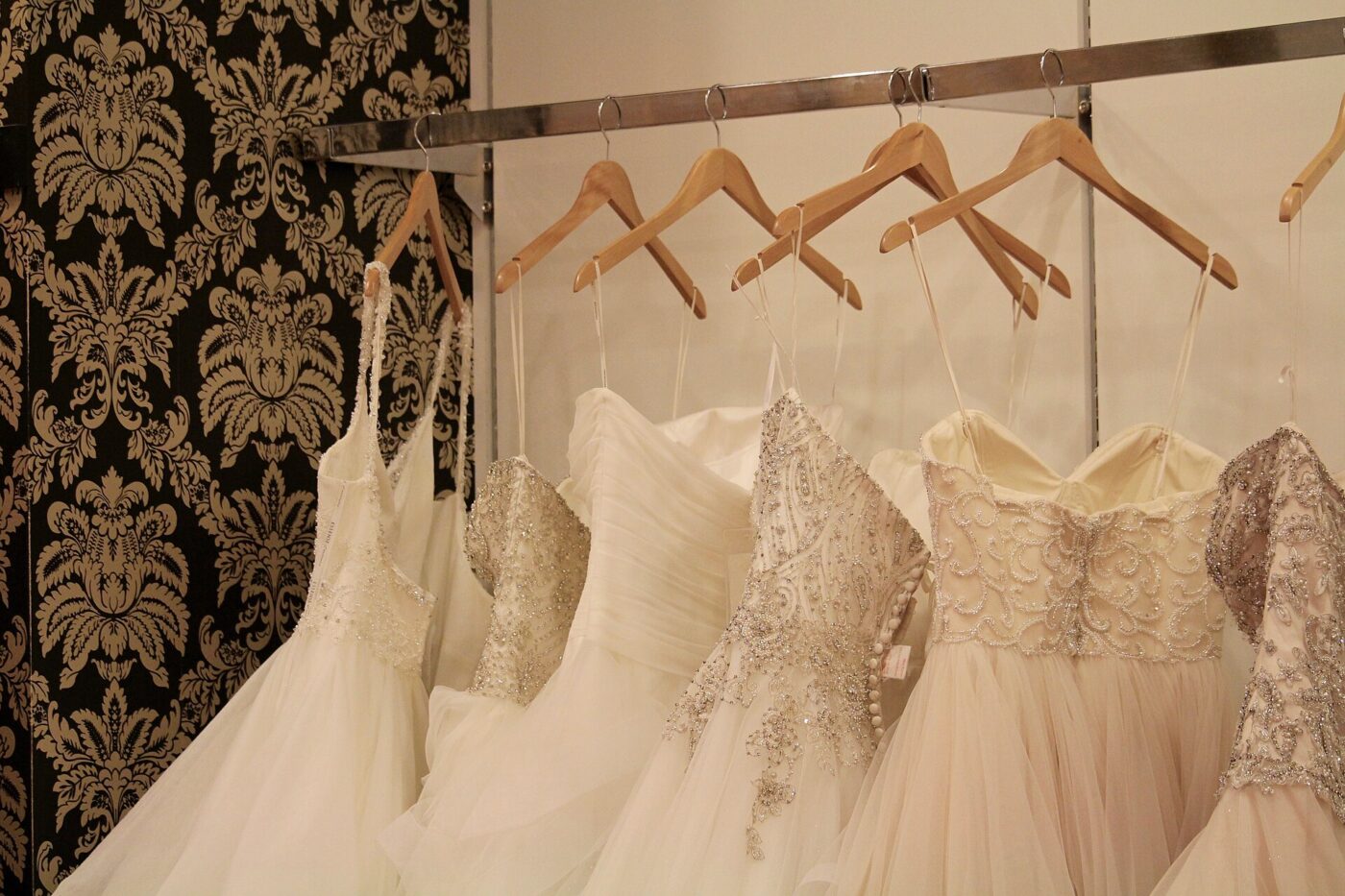
Some preservation services clean a gown, box it, and tell the owner that opening the box voids the guarantee. The instruction sounds protective: nothing disturbs the gown again. It also means nobody, including the owner, ever checks on a stain that was never fully removed before the box was sealed.
Museum textile conservators handle the same fabric with a different priority. The Smithsonian’s own guidance for storing textiles at home is explicit that fabric should not be sealed in air-tight containers, and that stored textiles should be taken out and aired periodically — the opposite instinct from a box that is never meant to be opened again.
Fear Index · Think twice
A guarantee that forbids the one check that matters
The Smithsonian warns that sealing fabric in an air-tight container traps moisture against it, and a Minnesota Historical Society conservator ties invisible stains left in a gown — sugar, perspiration, body oil — to the darkening that shows up years after the wedding, not before.
Why invisible stains turn brown years later
A gown that looks clean after a wedding can still carry perspiration, food, spilled champagne or wine, and the starches and finishes used to dress the fabric during manufacturing. Minnesota Historical Society textile conservator Ann Frisina’s guidance on wedding dress care says these residues “result in darkened stains over time,” along with the breakdown of finishes that “yellow over time as they break down,” even when nothing is visible on the fabric right after the event.
That is why her guidance opens with cleaning, not boxing: “To promote long-term preservation of your wedding dress, it is a very good idea to clean it after use.” A stain invisible under ordinary light on the wedding day can still be there, chemically, waiting on the fiber.
A box sealed before that cleaning is verified, or sealed with a guarantee that discourages ever checking, removes the one chance to catch a stain before it sets permanently into the fabric over years in storage.
Sealed-box guarantees and what they trade away
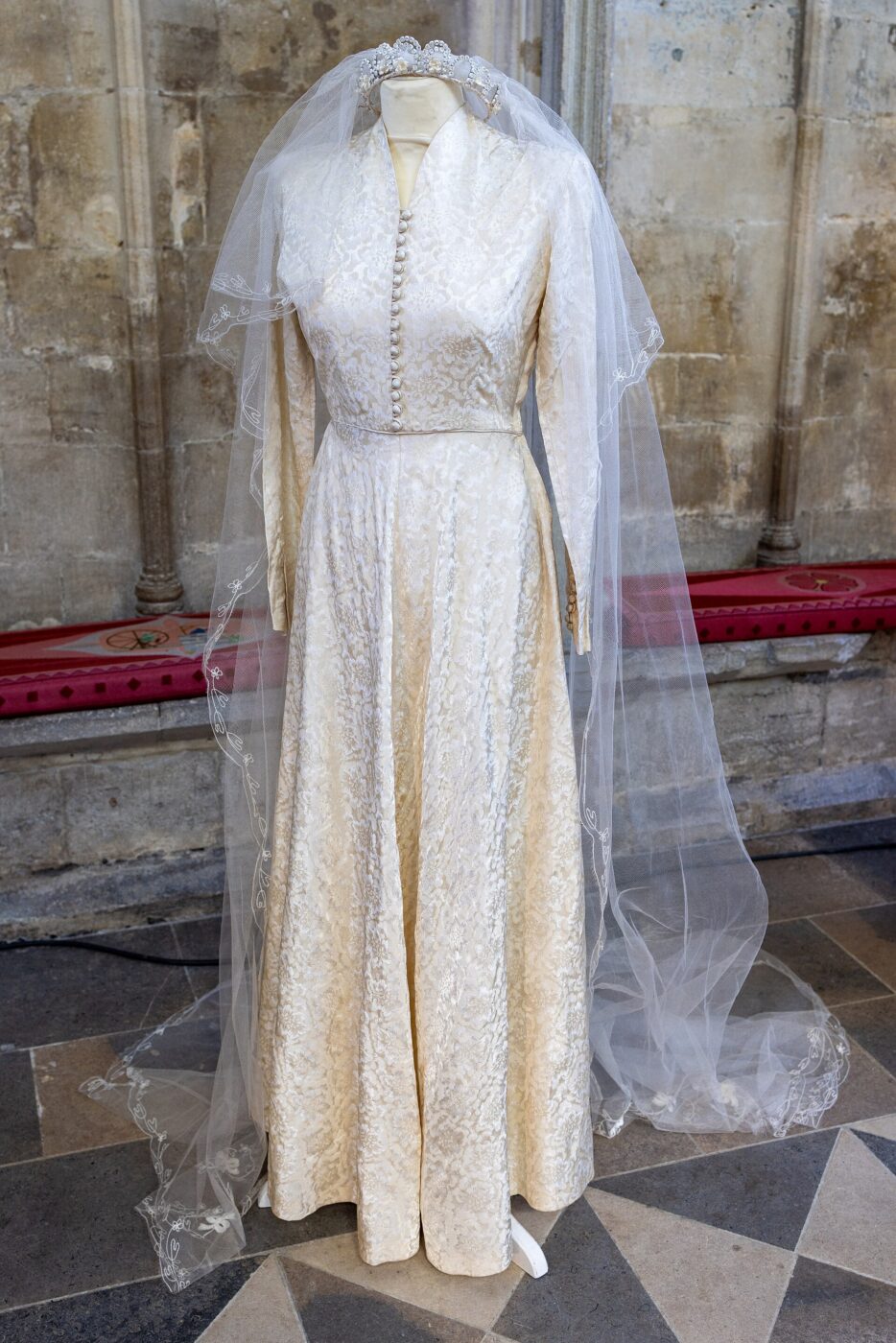
A sealed preservation box is not inherently wrong — the Minnesota Historical Society guidance itself recommends boxing a cleaned gown in unbuffered acid-free materials as more protective than hanging it. What changes the calculation is a guarantee structured so that opening the box to check on the gown voids the protection the service promised in the first place.
The Smithsonian’s guidance for storing textiles at home cuts directly against a permanently sealed approach: “fabrics should not be sealed in air-tight plastic bags or containers to prevent damage from moisture condensation,” and textiles “should be removed from storage periodically and aired.” A box designed never to be reopened cannot follow either recommendation.
The National Park Service’s conservation guidance on textile mold adds a mechanism for why that matters: microorganism growth is tied to damp conditions, and “poor air circulation or stagnant air exacerbates problems” — exactly the environment a sealed box with no periodic airing can create around a gown that was not perfectly dry or perfectly clean when it went in.
A guarantee that depends on the box never being opened is protecting the seller’s claim, not the gown’s condition.
Buffered vs unbuffered tissue for the fabric

Not all acid-free tissue is interchangeable. The Smithsonian’s Museum Conservation Institute distinguishes buffered from unbuffered acid-free tissue by fiber type: buffered papers, which carry an alkaline reserve, “are considered acceptable for cotton or linen textiles” but are “potentially harmful to silk or wool objects,” because that alkalinity can damage protein-based fibers over time.
Most wedding gowns mix fibers — a silk or silk-blend bodice, a synthetic or cotton lining, lace trim of uncertain origin — which is why the Smithsonian’s general recommendation for costume and textile storage is unbuffered, neutral pH tissue as the safer default. The Minnesota Historical Society’s wedding dress guidance agrees on the specific point of application: fold lines should be padded with rolls of “white unbuffered tissue to prevent creases from fossilizing into fractures.”
A preservation service or a box kit that does not specify buffered or unbuffered on its packaging has not answered the one question that actually depends on what the dress is made of.
Where to store it: attics, basements and closets
The Smithsonian’s home-storage guidance rules out the two places a box most often ends up: the storage area should be “clean, cool, dry, dark,” and stable in temperature and humidity, “thus ruling out the basement or attic.” Both spaces swing in temperature and humidity by season, and a basement adds the risk of dampness that mold guidance ties directly to fabric damage.
A closet shelf, away from direct light and not pressed under heavier stored items, comes closer to what the guidance describes: relative humidity between 40 and 50 percent, without the temperature swings a garage or attic goes through across a year.
The box itself does some of this work if it is genuinely archival, but the room around the box still matters. An acid-free box stored in a hot, humid attic is fighting its own environment the whole time it sits there.
Checking and refolding a gown every few years
The Smithsonian’s general textile guidance calls for periodically removing stored fabric and airing it out, aimed at preventing exactly the trapped-moisture and fold-crease problems that build up in anything left folded the same way for years without being disturbed.
A gown refolded along the same creases every time develops permanent fracture lines in the fabric, which is why archival tissue is rolled into the folds in the first place — to change where the fabric actually bends each time it is repacked. A service or a household that never reopens the box cannot do either of these things.
None of this requires a full re-preservation every time. A brief check every two to three years — look for spots, refold along slightly different lines, confirm the tissue has not gone brittle — is closer to what conservators do with items that matter enough to keep for decades. The same acid-free instinct applies to other keepsakes worth protecting long-term; our guide to wedding favor costs covers a different corner of the same wedding budget.
The shortlist
Paid links: we earn a commission if you buy through the buttons below, at no extra cost to you. As an Amazon Associate I earn from qualifying purchases.
Compared on keeping a gown inspectable and stable
| Product type | Best for | Risk estimate | Where to buy |
|---|---|---|---|
| Acid-Free Archival Wedding Dress Storage Box | Archival storage with acid-free materials | 20/100 | See listings on AmazonOpens Amazon search results, not one listing: check the model on the product page. |
| Unbuffered Acid-Free Tissue Paper | Correct tissue for the fabric | 12/100 | See listings on AmazonOpens Amazon search results, not one listing: check the model on the product page. |
| Breathable Cotton Garment Bag | Storage that stays breathable | 15/100 | See listings on AmazonOpens Amazon search results, not one listing: check the model on the product page. |
Risk estimate is our editorial Fear Index for the product type (lower is safer), not a customer rating. How it is scored.
Acid-Free Archival Wedding Dress Storage Box
An archival box built for folded storage works only if it is opened periodically to air the gown — exactly what a sealed-guarantee service discourages.
- Sized for folding rather than hanging
- Acid-free construction, not just acid-free tissue
- Still needs periodic airing per Smithsonian guidance
- Larger and heavier to store than a garment bag
Unbuffered Acid-Free Tissue Paper
Silk and wool are the fibers buffered tissue can harm; unbuffered tissue is the Smithsonian’s general recommendation for mixed-fiber garments like most gowns.
- Safe for silk and wool, per Smithsonian MCI
- Works for padding folds and cushioning trim
- Needs replacing if it discolors over years
- Buffered tissue suits cotton or linen better
More: Fashion and Footwear analyses and how the Fear Index is scored.
Sources
- How Do I Store Antique Textiles at Home? — Smithsonian Institution
- Acid-Free Tissue Paper for Textiles & Costume Storage & Handling — Smithsonian Museum Conservation Institute
- Causes, Detection, and Prevention of Mold and Mildew on Textiles (Conserve O Gram 16/1) — National Park Service
- Cleaning and Storing a Wedding Dress — Minnesota Historical Society
Questions people actually ask
Should I clean my wedding dress before preserving it?
Yes. Textile conservator guidance from the Minnesota Historical Society says cleaning promotes long-term preservation, since stains from perspiration, food or spilled drinks can darken over time even if they are invisible right after the wedding.
Is it bad if a preservation box is sealed?
A closed archival box is standard conservation practice. The concern is a guarantee that forbids ever reopening it to check the gown, which conflicts with Smithsonian guidance to periodically air stored textiles and check for problems.
What is the difference between buffered and unbuffered acid-free tissue?
Buffered tissue carries an alkaline reserve suited to cotton and linen. The Smithsonian’s Museum Conservation Institute says that same alkalinity can harm silk or wool, which is why unbuffered tissue is the safer default for most gowns.
Where should I store a wedding dress at home?
Smithsonian guidance calls for a clean, cool, dry, dark space with stable temperature and humidity, ruling out attics and basements. A closet shelf away from direct light and heavy items is closer to ideal.
How often should a stored gown be checked?
There is no fixed rule, but Smithsonian guidance for textiles generally recommends periodic removal and airing rather than leaving anything folded the same way indefinitely. Every two to three years is a reasonable interval for a spot check and refold.