
An Under-Desk Walking Pad Is Built for a Slow Walk, and Its Horsepower Figure Can Mislead
Under-desk walking pads advertise horsepower and weight limits, but continuous-duty motor ratings, handrails and child-safety habits decide the rest.

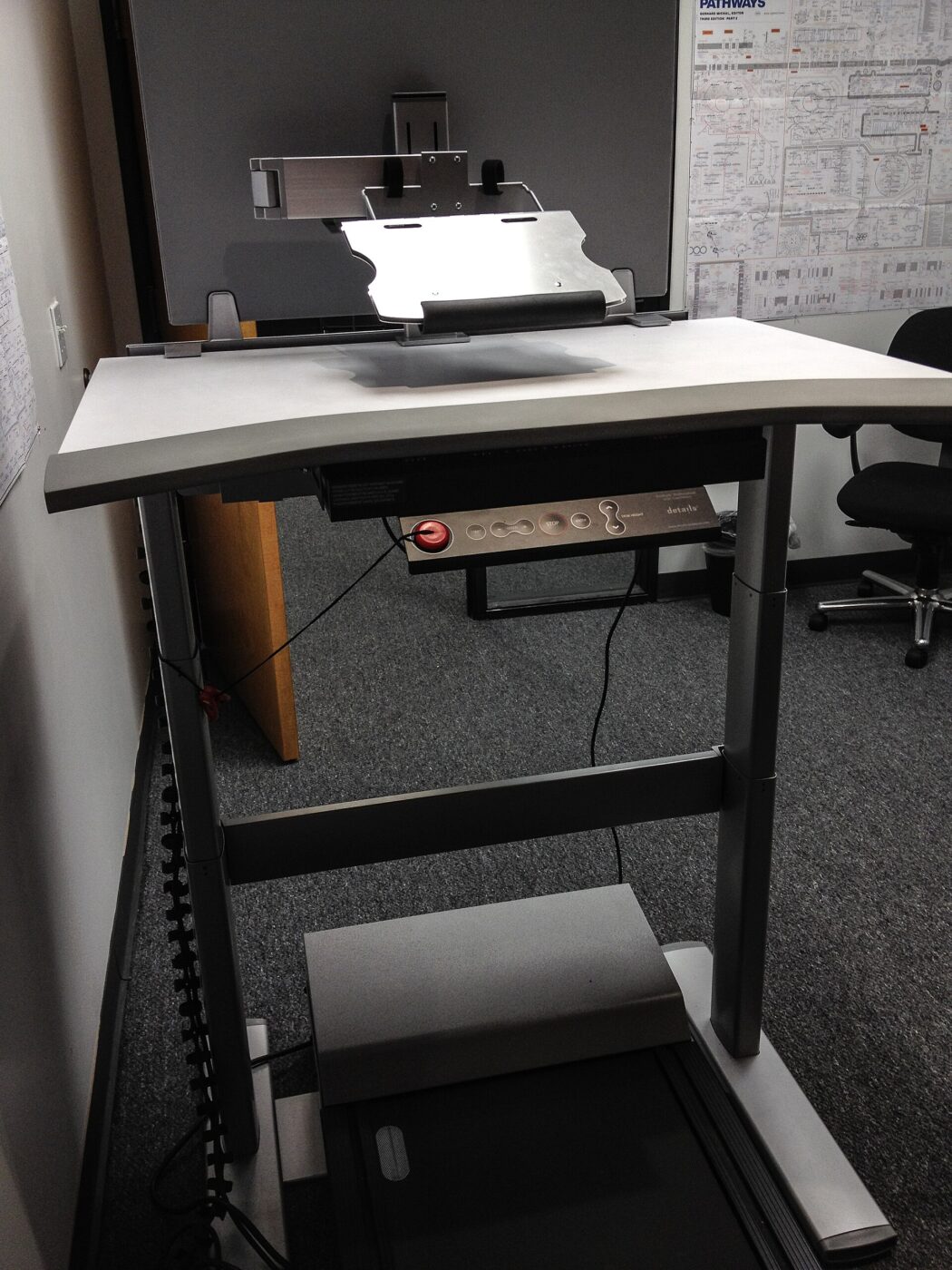
A walking pad is sold for something slower than a home-gym treadmill: a steady walking pace, sustained for hours a day, under a standing desk.
The motor figure that matters for that use is often not the headline horsepower number, and the safety habits that matter most for a household with children are often the ones the listing does not mention at all.
Fear Index · Think twice
A peak-horsepower number, not a duty rating
Continuous and peak horsepower are different numbers, and a listing that shows only one of them is not telling the whole story. CPSC has already recalled one treadmill line after a child was pulled under it and died.
Continuous versus peak horsepower
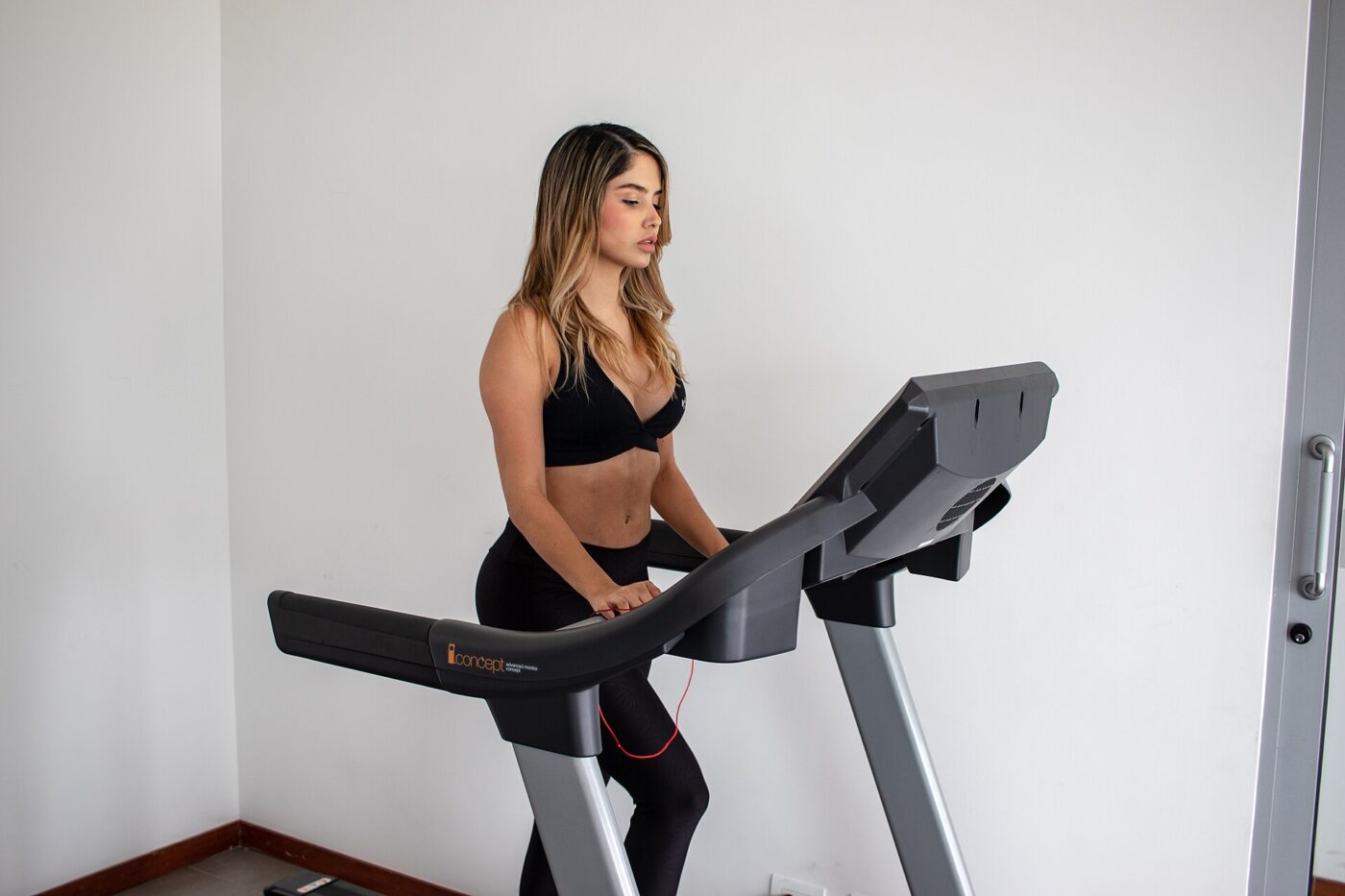
Treadmill maker NordicTrack explains the distinction on its own support pages: “Continuous horsepower measures the amount of power a treadmill motor can maintain during ongoing use,” while “peak horsepower represents the maximum power output a motor can reach at its highest momentary capacity,” such as short bursts at startup or a speed change. It calls continuous horsepower “a more meaningful indicator of sustained treadmill performance” because a real workout involves sustained movement, not momentary bursts.
That distinction matters more for a desk pad than for a home gym treadmill, since a desk pad runs at a low, steady speed for hours at a stretch rather than in short sessions. Some current under-desk listings advertise a single horsepower figure, such as the 2.25-horsepower motor one maker cites for a walk-and-run pad, without stating whether it is continuous or peak, which leaves a buyer unable to compare two motors on equal terms.
Look for the word “continuous” next to the horsepower number. A listing with only a peak-HP figure is showing the least useful number on the spec sheet.
Weight limits, deck length and belt width
Manufacturer listings for current under-desk walking pads show real variation: one maker’s range lists weight capacities from 220 lb up to 330 lb and walking decks from 39.4 by 15.4 inches up to 47 by 16.5 inches, with some models sold with a handrail and some without. A rating like that is a maximum, not a target; running a motor near its rated limit for hours a day is a harder job than the same motor at half that weight.
Compare the maximum weight rating to the heaviest regular user, not the average one, since the pad runs at that load for hours rather than minutes.
Walking at a desk: speed, noise and posture

One maker’s walking-only pads top out at 3.7 to 4 mph, per its own listings, while its walk-and-run models go faster, up to 7.5 mph. The same maker states on its own site that walking on its pad under a desk runs about 40 decibels, versus about 50 decibels for a model built for running, and that adding a mat can reduce the sound further; treat that as the manufacturer’s own figure rather than an independent measurement.
HHS’s Physical Activity Guidelines for Americans recommend adults get at least 150 to 300 minutes a week of moderate-intensity aerobic activity, and the current, second edition specifically eliminated “the requirement for physical activity of adults to occur in bouts of at least 10 minutes.” That means minutes of slow walking accumulated across a workday can count toward the weekly total; it is general population guidance, not a medical recommendation. HHS advises people with chronic conditions or symptoms to be under the care of a health care provider, and says inactive people should start low and go slow.
Child safety: keys, storage and unplugging
CPSC recalled about 125,000 Peloton Tread+ treadmills in 2021 after 72 reports of adult users, children, pets or objects being pulled under the rear of the machine, and the death of a 6-year-old child. The reports included 29 injuries to children, which CPSC described as “second- and third-degree abrasions, broken bones, and lacerations.”
CPSC’s advice was written for the Tread+, but the habits carry over to any treadmill in a home with young children: stop using it if small children or pets are at home, or use it only in a locked room they cannot enter, and when it is not in use, unplug it and store the safety key away from it. CPSC also noted that the incidents showed a risk while an adult is using the treadmill, not only when a child has unsupervised access.
Some compact walking pads are run from a remote or an app. ASTM F2115 calls for a prominently labeled stop switch the user can reach, which can be a push button, a pull cord or an infrared beam, so check how a specific model stops the belt and whether it has a safety key before assuming it is childproofed, and unplug it regardless.
Unplugging is the one step every treadmill and walking pad shares, and it costs nothing. Do it whenever small children or pets have access to the room.
Handrails and choosing a folding treadmill instead
ASTM F2115, the industry specification for treadmills (current edition F2115-25), requires that “foot rails and handrails shall be present in all treadmills to facilitate user mounting and dismounting” and that the rear roller be “designed or guarded” to reduce finger-entrapment risk, for products meant for users age 13 and up. A full folding treadmill built to that specification has both. Some compact under-desk walking pads, including models in one maker’s current range, are sold without a handrail, so they are not built to that part of the specification; that is the tradeoff for the smaller footprint.
Belt lubrication intervals and the correct lubricant type vary by model and are set out in each product’s own manual, so the included manual is the reference, not a generic number. A wobbly desk compounds any of this; see our guide to standing desk stability if the desk itself, not the pad, is the shakier part of the setup.
A folding treadmill with a handrail suits jogging and anyone who wants something to hold; a flat walking pad fits under a desk and suits a slow, steady walk and nothing more.
A handrail is not a luxury on a treadmill built to ASTM F2115; a flat walking pad sold without one gives it up for the smaller footprint.
The shortlist
Paid links: we earn a commission if you buy through the buttons below, at no extra cost to you. As an Amazon Associate I earn from qualifying purchases.
Compared on capacity and safety
| Product type | Best for | Risk estimate | Where to buy |
|---|---|---|---|
| Under-Desk Walking Pad (300 lb Rated) | A higher-capacity walking pad | 30/100 | See listings on Amazon |
| Folding Treadmill with Handrail | A treadmill with a handrail | 25/100 | See listings on Amazon |
| Treadmill Mat for Hardwood Floors | Quieter, protected floors | 8/100 | See listings on Amazon |
Risk estimate is our editorial Fear Index for the product type (lower is safer), not a customer rating. How it is scored. The buttons open Amazon search results rather than one listing, so check the model on the product page.
Folding Treadmill with Handrail
ASTM F2115 requires foot rails and handrails on motorized treadmills; a folding model built to that standard has one, where some flat walking pads do not.
- Has the handrail ASTM F2115 calls for
- Foot rails for mounting and dismounting
- Run-rated models reach jogging speeds
- Needs more floor space than a flat pad
- Louder at running speeds, per one maker
Under-Desk Walking Pad (300 lb Rated)
Confirm the maximum weight rating and ask specifically for the continuous horsepower figure, not just the headline HP number on the listing.
- Built to fit under a standing desk
- Maker cites about 40 dB at walking pace
- Some current models rated to 300 lb
- Some models ship without a handrail
- Horsepower may not say continuous or peak
More: Outdoors and Fitness analyses and how the Fear Index is scored.
Sources
- What Is CHP in a Treadmill Motor? — NordicTrack
- F2115-25 Standard Specification for Treadmills — ASTM International
- Peloton Recalls Tread+ Treadmills After One Child Died and More than 70 Incidents Reported — CPSC
- Physical Activity Guidelines for Americans, 2nd Edition — Executive Summary — HHS Office of Disease Prevention and Health Promotion
- Under Desk Treadmill collection — WalkingPad
Questions people actually ask
What is continuous horsepower on a treadmill?
It is the power a motor can sustain during ongoing use, as opposed to peak horsepower, the highest momentary output the motor reaches briefly, such as at startup. Treadmill maker NordicTrack says continuous horsepower is the more meaningful figure for sustained walking or running.
How much weight can an under-desk treadmill hold?
It depends on the model. Current manufacturer listings for walking pads range from about 220 lb to 330 lb, so check the specific product rather than assuming a standard limit.
Do walking pads have handrails?
Not always. ASTM F2115, the safety specification for treadmills, requires foot rails and handrails, but some compact under-desk walking pads are sold without one.
Is it safe to have a treadmill around young children?
In its 2021 Peloton Tread+ recall, CPSC reported a child’s death and 29 injuries to children, and advised stopping use if small children or pets are at home, using the treadmill only in a locked room, and unplugging it and storing the safety key away from it when not in use.
How much walking counts toward weekly exercise guidelines?
HHS recommends adults get at least 150 minutes of moderate-intensity aerobic activity a week, and its current guidelines no longer require that activity happen in bouts of at least 10 minutes, so minutes accumulated at a desk can count. HHS advises anyone with a chronic condition or symptoms to be under the care of a health care provider.