
A Cheap Online Violin Often Costs More Than Renting Once the Setup Bill Arrives
A properly set-up violin holds its tuning; a poorly set-up one fights the player. What violin rental programs include, and when buying outright wins.

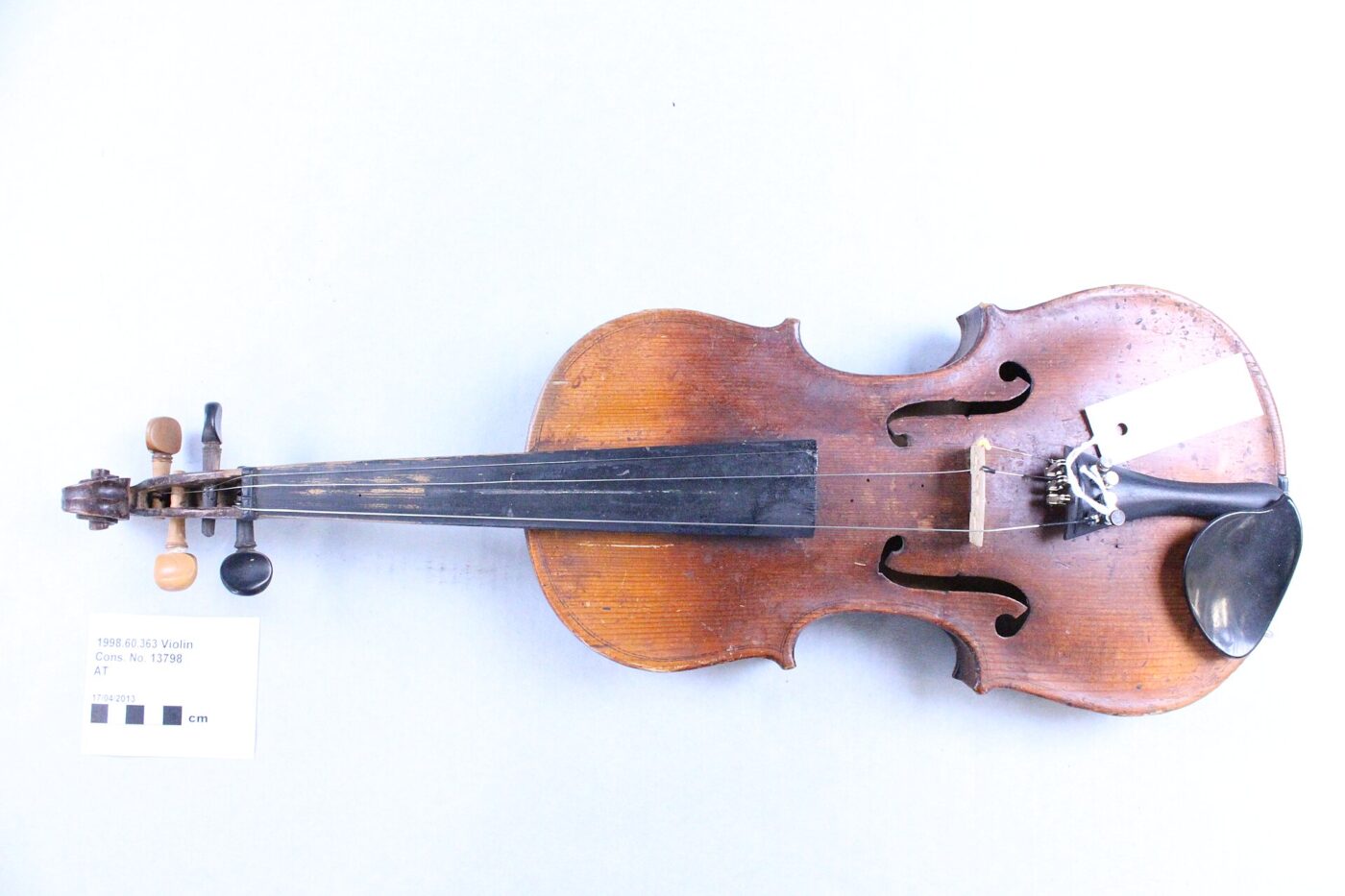
A search for a beginner violin turns up options from about $60 to several hundred dollars, all photographed the same way: full outfit, case, bow, a coil of rosin. Nothing in the listing photo shows whether the bridge is cut to the right height, whether the soundpost inside is standing where it should, or whether the pegs will hold a string in tune past the first week.
String shops that rent violins build all of that fitting into the price before the instrument leaves the store. A shop or seller that skips it hands a child an instrument that looks identical in a photo and behaves very differently in the hand.
Fear Index · Think twice
An instrument that fights the player, not the lesson
Potter Violins says setup — the bridge, soundpost, pegs, nut and strings — determines whether a violin resonates and stays in tune, and a shop that includes setup with every rental or sale has already done the fitting a cheap unset instrument still needs.
Fractional sizes and why children outgrow more than one violin
Violins for young students come in fractional sizes well below full size, and a child who starts lessons early is unlikely to still fit the instrument they started on a few years later. Potter Violins, a rental and retail shop, says most children over age 6 stay in a given size for about a year and a half before needing the next one up, and offers sizing guidance by request rather than a single fixed rule, since fit varies by the individual child.
A rental program is built around that turnover. Shar Music’s rental program advertises no up-size charges as a specific benefit, and Potter Violins allows a size change at any time for a flat fee that does not cost any rental credit already paid in. Buying a new outright instrument at each size change is the alternative a family is otherwise choosing, size by size.
A rental’s real product is not the violin itself. It is not having to solve the sizing problem again out of pocket every year and a half.
What setup means and why a cheap violin often skips it
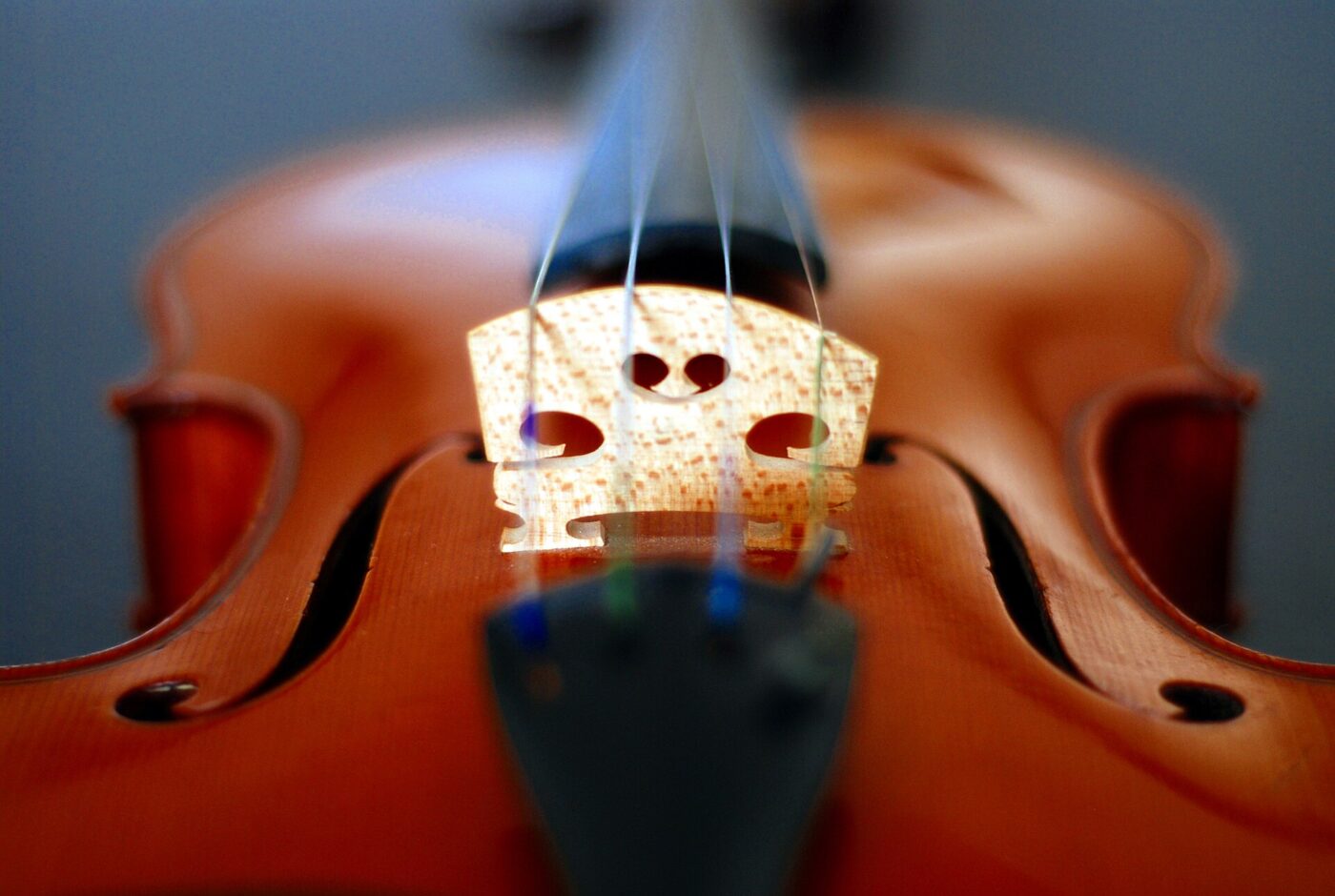
Potter Violins, describing what “setup” covers on a violin, lists it as essentially anything removable on the instrument: the tailpiece, bridge, nut, soundpost, pegs, tuners, strings and chinrest, each fitted and positioned to let the instrument resonate and stay comfortable to play.
Getting any one piece wrong has a specific, audible cost. A bridge that is too low reduces string length and tension, which the shop says compromises tone quality; strings set too high over the fingerboard demand extra finger pressure, while strings set too low risk buzzing against the neck. A soundpost that has shifted out of position stops transferring vibration effectively between the instrument’s top and back, flattening the tone. Even the tailpiece matters — the shop notes that a millimeter of difference in the distance between bridge and tailpiece can change overtones enough to be heard.
None of that shows up in a product photo. A budget instrument shipped without a luthier ever touching the bridge, soundpost or pegs can look complete and still fight a beginner at every one of those points, which is a common reason a teacher sends a newly bought violin straight to a repair shop before the first lesson.
Setup is the difference between an instrument that stays in tune and one that fights the player at the bridge, the pegs and the soundpost all at once.
What a rental program actually includes

Shar Music’s own site advertises professional luthier setup as included with every instrument, alongside free delivery and no up-size charges on a rental.
Potter Violins’ rental program goes further on paper trail: every rental instrument is thoroughly inspected and undergoes a custom setup in the shop’s own workshop before it goes out, and the shop applies a share of a family’s first year of rent — up to 50 percent of an instrument’s purchase price — toward buying a higher-quality instrument later, while stating plainly that this is not a rent-to-own program in the strict sense.
That distinction matters for anyone comparing offers: “rent-to-own” language on a violin listing does not always mean every dollar of rent converts to ownership. Reading exactly what credit applies, and to what price cap, is worth doing before assuming a rental is building toward a free instrument.
A rental’s setup and size-exchange terms are worth confirming in writing — they vary by shop even when the phrase “rent-to-own” shows up in both.
When buying outright is the better deal
A rental’s advantage shrinks once a player is done growing through sizes and settled on a full 4/4 instrument for the long term. At that point, the ongoing monthly cost of renting stops buying flexibility a full-size player no longer needs, and a properly set-up outright purchase — from a shop that includes setup the way Shar Music and Potter Violins both do — is a one-time cost instead of a recurring one.
The same setup problem shows up in other first instruments a family buys online for a beginner. Our guide to setting up a beginner guitar covers the string version of the same trap: an instrument that looks complete in a listing photo but was never adjusted for a beginner’s hands.
Buy outright once the sizing problem is solved for good. Rent while it is not.
A five-minute check before the first lesson
Whether the violin was rented or bought, the same quick check catches most of what a bad setup gets wrong before the first lesson starts.
- Bridge: should stand upright, not leaning, with its feet flush against the top of the violin.
- Pegs: should turn smoothly and hold a string in tune without slipping back down.
- Strings: should sit at a comfortable height above the fingerboard, not so high they are hard to press or so low they buzz.
- Fine tuners: useful for small adjustments between lessons, especially for a beginner still learning to use the pegs.
- Size: confirm with the teacher or shop, since a violin sized for last year may already be too small.
None of these five checks require a luthier’s training to notice — only five minutes and a willingness to actually test the pegs before the first lesson.
The shortlist
Paid links: we earn a commission if you buy through the buttons below, at no extra cost to you. As an Amazon Associate I earn from qualifying purchases.
Compared on getting a properly set-up violin
| Product type | Best for | Risk estimate | Where to buy |
|---|---|---|---|
| Student Violin Outfit with Case, Bow and Rosin | A rental with setup and size exchanges included | 30/100 | See listings on AmazonOpens Amazon search results, not one listing: check the model on the product page. |
| Adjustable Violin Shoulder Rest | A starter outfit bought outright | 10/100 | See listings on AmazonOpens Amazon search results, not one listing: check the model on the product page. |
| Clip-On Chromatic Tuner | Small accessories that help either way | 8/100 | See listings on AmazonOpens Amazon search results, not one listing: check the model on the product page. |
Risk estimate is our editorial Fear Index for the product type (lower is safer), not a customer rating. How it is scored.
Student Violin Outfit with Case, Bow and Rosin
For a player settled on a size, an outfit bought once from a shop that includes setup is a one-time cost instead of a recurring rental fee.
- Case, bow and rosin included together
- Sized across the 1/16 to 4/4 range
- One-time cost instead of monthly rent
- No size exchange without a rental
- Setup quality varies by seller
Adjustable Violin Shoulder Rest
A shoulder rest that adjusts travels with a child from one fractional size to the next, rented or owned, without a separate purchase each time.
- Adjusts across several violin sizes
- Works with a rented or owned violin
- Low cost next to the instrument itself
- Fit still needs checking each size
- Not a substitute for proper setup
More: Music and Instruments analyses and how the Fear Index is scored.
Questions people actually ask
Should I rent or buy a violin for a beginner?
Rent while a child is still moving through fractional sizes; string shops such as Shar Music and Potter Violins both build size exchanges into their rental programs. Buy outright once the player is settled on a full-size instrument.
What does violin setup actually include?
Potter Violins describes it as fitting everything removable on the instrument — bridge, soundpost, pegs, nut, tuners and strings — so the violin resonates properly and stays in tune.
How often do children need a bigger violin?
Potter Violins says most children over age 6 stay in a given fractional size for about a year and a half before the next size up is needed.
Does violin rental money count toward buying the instrument later?
It depends on the shop. Potter Violins applies up to 50 percent of a year’s rent toward a purchase but says this is not a strict rent-to-own program; read the specific terms before assuming otherwise.