PLA Can Be Food-Contact Grade on the Spool and Still Unsafe as a Printed Cup
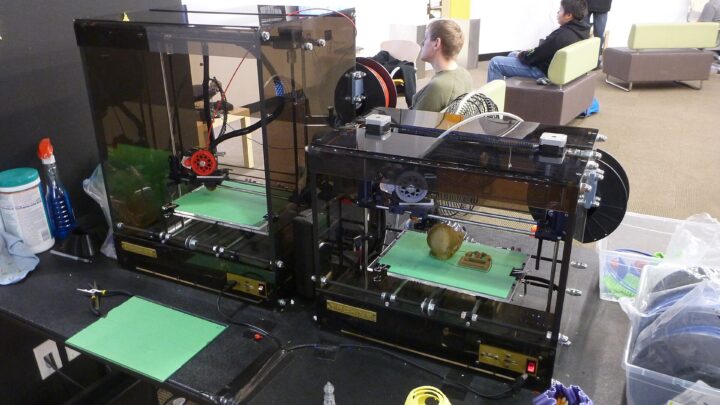
A filament labeled food safe usually describes the resin, not the finished object a home printer produces. What FDA’s rules actually cover, and what does not.
Topics
Formats
The site
32 articles
A filament labeled food safe usually describes the resin, not the finished object a home printer produces. What FDA’s rules actually cover, and what does not.
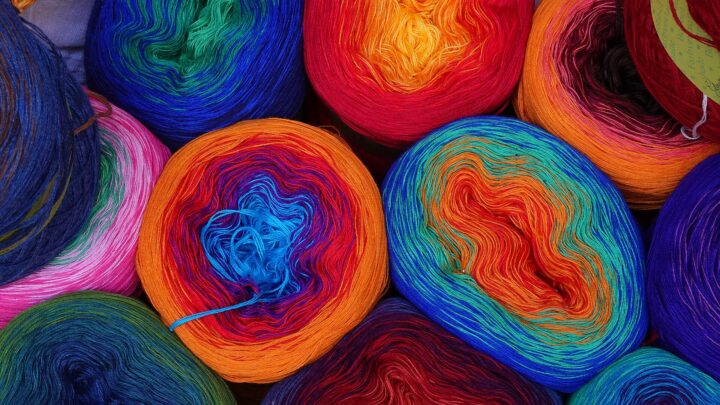
The number and fiber percentages on a yarn label follow real standards, and they decide whether a pattern gauges and a finished gift survives the wash.
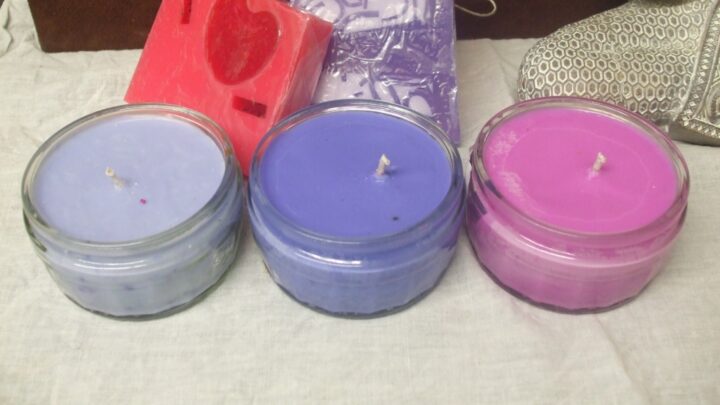
A candle looks finished the moment it sets, but only a full test burn shows whether the wick, wax and jar actually work safely together.
Felt soles grip slick rock but stay damp long enough to carry invasive species between rivers. Where felt is restricted, and what rubber and studs give up in grip.
The glazing decides a greenhouse’s character: glass for maximum light and longevity, twin-wall polycarbonate for insulation and safety. Neither is simply better.
Food containers rarely crack. They leak, because lids warp in the dishwasher and silicone gaskets stretch, stain and hold mold behind them.
A cat scratching the sofa instead of its post is telling you the post fails a specific requirement: it is too short to stretch against, or it moves when pulled.
The phrase sounds like reassurance. It is a grade name, it sits above only bonded leather, and it describes a split hide with an artificial surface printed on it.
A candle that burns a narrow hole down the middle is usually a first-burn problem. The wick burns down into whatever pool that first burn left, and every later burn starts lower in the same well.
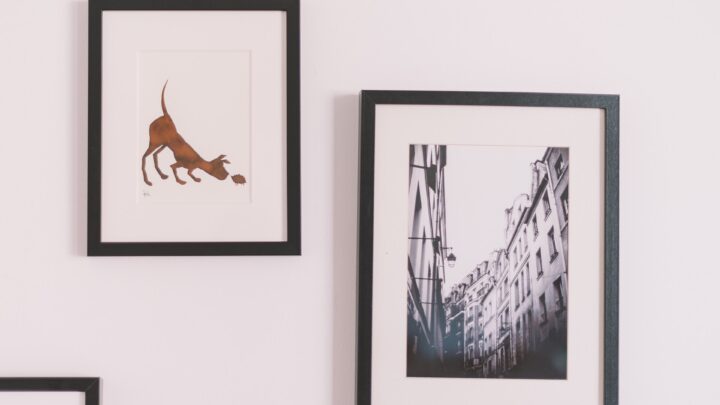
Two prints can look identical on arrival and differ by years, sometimes decades, in how long they stay looking that way. The variables are ink chemistry, paper acidity and what glass you put in front of them.
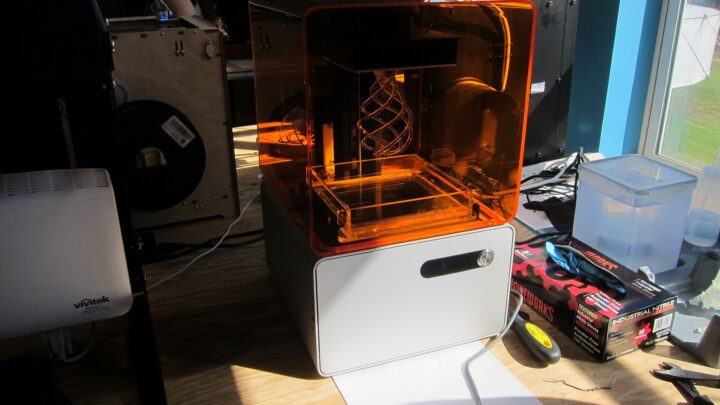
Resin printers produce far better detail than filament machines and bring real chemical handling with them. Sensitisation is permanent, and it is the risk people discover too late.
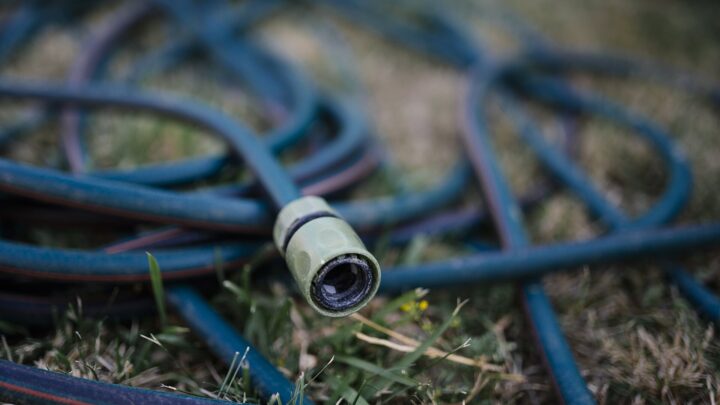
A hose that kinks constantly is not being coiled badly. It has too few layers in its wall to hold a round cross-section when bent, and no amount of technique fixes that.