Tools and DIY
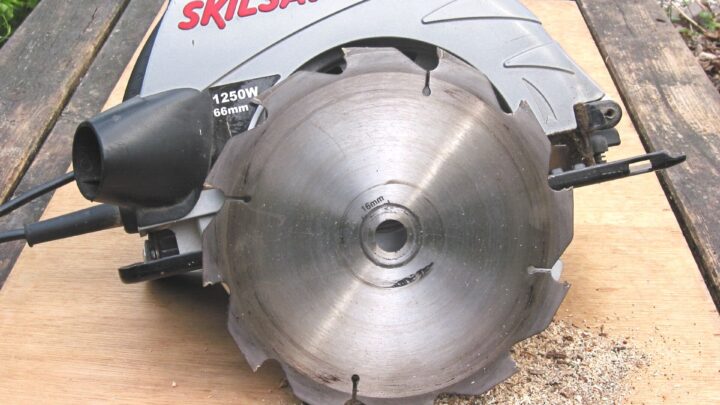
The Blade Does the Cutting. The Saw Just Turns It.
A $40 blade transforms a cheap saw. A $300 saw does very little for a blunt blade. Tooth count and grind are the specification that decides the cut.


Topics
Formats
The site
Luka is the editor of Analysis of Fear. Nobody here buys or tests products: each article is built from manufacturer specifications, manuals and warranty terms, published standards, regulator data and recall notices, and every figure links to its source. First drafts are produced with AI writing tools; Luka checks them against those sources, edits them and signs off before publication, and handles corrections sent to support@analysisoffear.com.
134 articles
A $40 blade transforms a cheap saw. A $300 saw does very little for a blunt blade. Tooth count and grind are the specification that decides the cut.
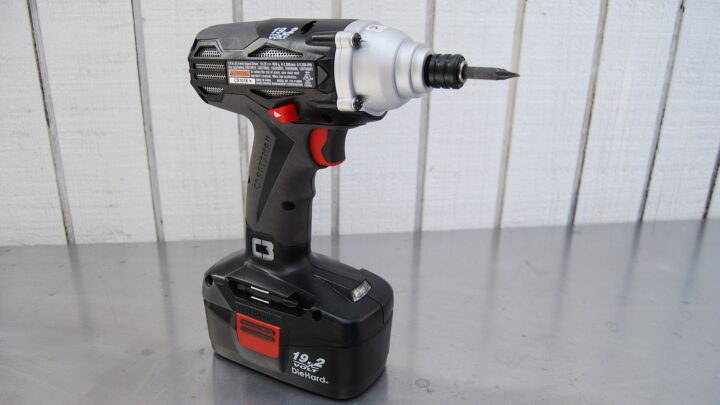
People buy a combo kit and use one tool. The two do different jobs, and using the wrong one strips screws and snaps bits.
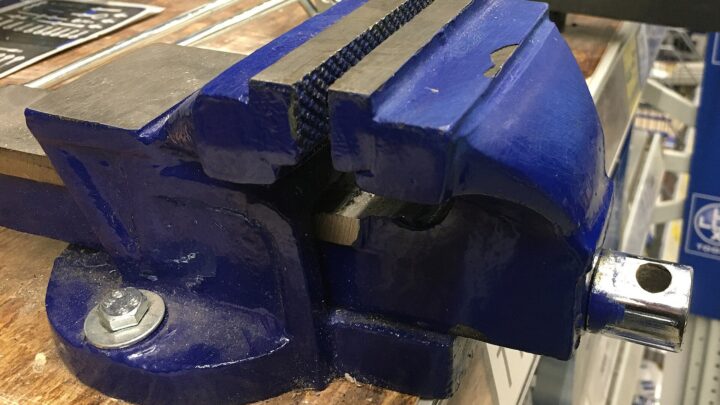
A heavy vise on a light bench gives you a heavy vise that moves around. The mounting, not the vise, is what determines whether it is useful.
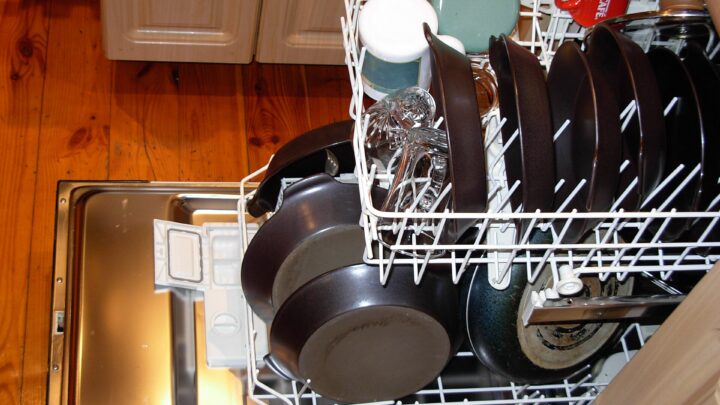
Cloudy glassware has two completely different causes with opposite fixes. Telling them apart takes a minute and decides whether the problem is solvable.
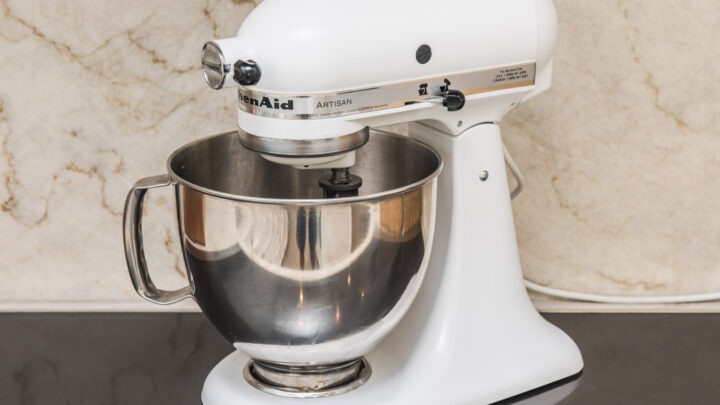
A mixer that handles cake batter effortlessly can strip its gears on a stiff bread dough, because the two loads are not remotely comparable.
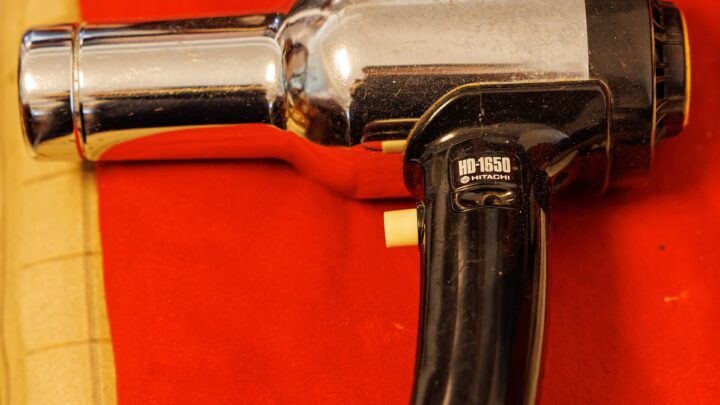
Hair dryers are sold on wattage, which mostly describes heat. Drying is done by moving air, and the dryers that do that well damage hair far less.
The two designs cut differently and suit different faces. Neither is better — and buying the wrong one produces irritation people blame on electric shaving generally.
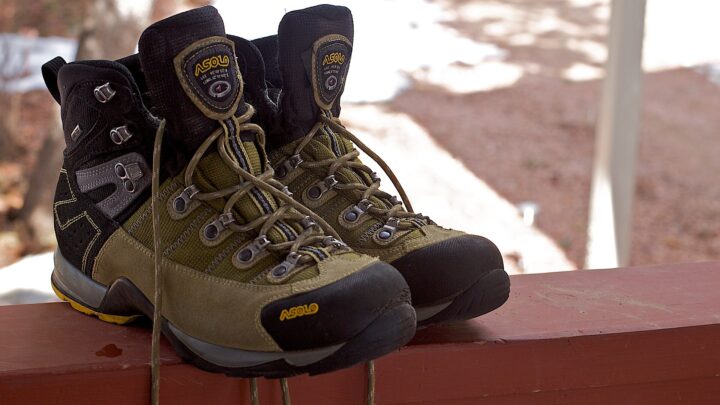
Almost every hiking boot complaint traces to a fit decision made on a foot that was not the size it would be on the hill.
The big lumen number on a headlamp is a burst figure the light cannot sustain. What matters is the output it holds, and the runtime graph shows it — the FL1 runtime figure alone does not.
Pole failures are almost always the lock slipping under load, which happens precisely when you are leaning on them hardest.
Three terms describe gold over another metal, and they differ by an order of magnitude in how much gold there actually is. Only one requires sterling silver underneath, and US minimums for the rest differ more than tenfold.
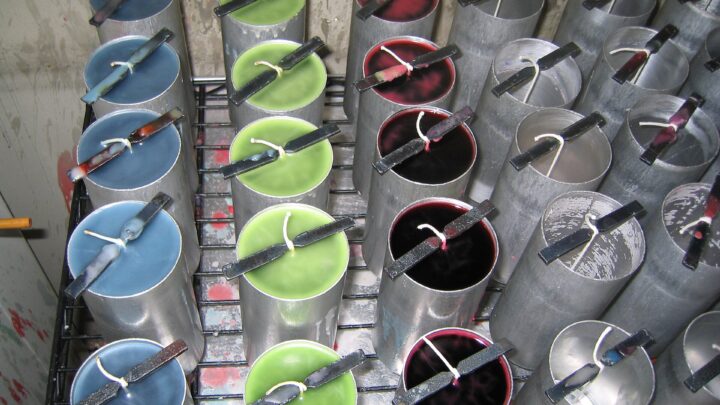
A candle that burns a narrow hole down the middle is usually a first-burn problem. The wick burns down into whatever pool that first burn left, and every later burn starts lower in the same well.